Want a regional phone & address? Pick your area.
Dryer Repair, Maintenance & Troubleshooting
Dryer repair guides for no-heat, long cycles, and error codes. Covers gas and electric models, vent safety, and thermal fuse diagnosis.
A dryer that takes two cycles to dry a load or shuts off mid-cycle is more than an inconvenience — it wastes energy, wears out clothes faster, and in the case of gas dryers, can signal a safety hazard. Our troubleshooting guides start with the most statistically likely cause for each symptom: no heat is a thermal fuse 60% of the time, long dry times point to a blocked vent in 70% of service calls, and a drum that tumbles but produces no warmth usually means a failed heating element or gas valve coil.
We break down diagnosis separately for gas and electric dryers because the repair process differs at every step. Gas dryers require igniter and flame sensor testing with a multimeter, while electric dryers need element continuity checks and high-limit thermostat diagnosis. Each guide includes the specific resistance readings you should expect and the exact replacement part numbers for the five most common models we service in the Sacramento and Bay Area markets.
Dryer venting deserves its own section in every guide because lint-clogged vents cause an estimated 2,900 house fires per year in the US. California building codes require rigid metal ducts (not foil flex) for new installations, and our maintenance guides walk you through a full vent inspection with the tools most homeowners already own.
703 articles
Maytag Dryer Too Hot — Causes & Fix
Most likely: a restricted 4-way vent trapping heat, or a cycling thermostat stuck closed that never rests the element. A stuck Extra Power circuit feeding extra heat, fouled 4-bar moisture sensors, or a shorted element are the others. Left alone it opens the thermal fuse and kills the dryer.
sarah-chen·5 min read
Maytag Dryer Tripping the Circuit Breaker? Causes
Most likely a component has shorted to ground: on electric Maytag (MED) dryers a sagging heating element touches its housing and sends 240V to the frame, tripping the breaker; a shorted motor or chafed wiring is next. Gas (MGD) models trip far less often. Here is how to find the short safely and decide repair vs replace.
sarah-chen·5 min read
Maytag Dryer Takes Too Long: Causes and Fixes
Most likely: a restricted vent has tripped the thermal fuse or the dryer is running on reduced heat — the leading reasons a load never finishes, and both trace to airflow. Dirty moisture-sensor bars, a weak heating element, or a tired motor are next. This is a fire-safety area: clear the vent and check the sensor bars first…
sarah-chen·9 min read
Maytag Dryer Timer Will Not Advance Explained
Maytag dryer timer will not advance? Expert guide for MED series electric dryers (electric) and MGD series gas dryers (gas) with 10-year limited parts...
sarah-chen·9 min read
Help! Maytag Dryer Temperature Not Right
Maytag dryer temperature not right? Expert guide for MED series electric dryers (electric) and MGD series gas dryers (gas) with 10-year limited parts...
sarah-chen·9 min read
Maytag Dryer Won't Start: Causes & Fix
Maytag dryer won't start? Check the basics first, then the thermal fuse and a broken belt that trips the idler safety switch. Ranked causes and the fixes.
sarah-chen·8 min read
Maytag Dryer Drum Not Turning — Top Causes
A Maytag dryer whose drum won't turn is usually a broken drive belt — and on these dryers a broken belt drops the idler and can kill power entirely. Here is how to find the real cause.
sarah-chen·9 min read
Maytag Dryer Burning Smell — Causes and Safety
A burning smell from a Maytag dryer is usually lint on the heating element, a worn drive belt or rollers, or an overheating motor. Because dryer fires start this way, stop and diagnose. Here are the causes ranked, with the safety protocol first.
sarah-chen·9 min read
Maytag Dryer Not Spinning? Causes & Fix
A Maytag dryer that won't turn the drum is usually a broken drive belt — and because a snapped belt drops the idler and trips a safety switch, the dryer can even seem completely dead. Motor and rollers come next.
sarah-chen·9 min read
Maytag Dryer Door Latch Failure: Causes & Fixes
A Maytag dryer door latch failure keeps the door from staying shut or stops the dryer from starting — usually a worn latch catch, a failed door switch, or misalignment. This guide ranks the causes on MED and MGD models and shows how to test each.
sarah-chen·4 min read
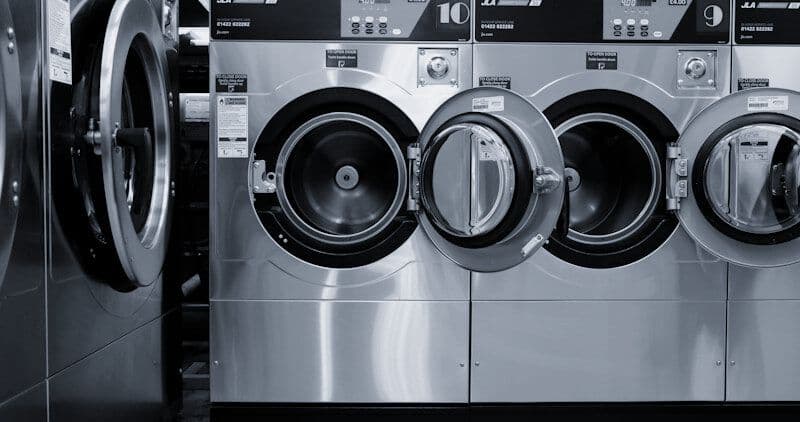
Maytag Dryer Cycle Not Completing: Causes & Fix
Most likely: a blown thermal fuse — the most common single-point failure on Whirlpool-platform Maytag dryers — cuts the heat or the whole machine, and it almost always traces back to a restricted vent. A broken belt, a dead element, or fouled moisture bars are the other usual causes…
sarah-chen·5 min read
Maytag Dryer Display Not Working: Causes & Fix
Most likely: the dryer has lost power or blown its thermal fuse, so the whole machine — display included — is dead. If the panel is partly lit or unresponsive instead, the control board or the user-interface board is the usual culprit. Whether it's fully dark tells you where to start…
sarah-chen·4 min read
Maytag Dryer Overheating: Causes and Fixes
Most likely: a restricted exhaust vent trapping heat, or a cycling thermostat stuck closed that never lets the element rest. Both push the drum too hot, scorch fabric, and eventually blow the thermal fuse. Clear the vent before condemning any electrical part…
sarah-chen·4 min read
Maytag Dryer Rust and Corrosion: Causes & Fix
Most likely: a corroded or blown thermal fuse from a restricted vent, or a worn drive belt — the subsystems that fail first on a Maytag dryer. Diagnosis for the fuse, belt, element, motor, moisture sensor, and drum rollers.
sarah-chen·6 min read
Maytag Dryer Damaging Clothes? Causes & Fix
Maytag dryer snagging, tearing, or scorching laundry? Usually a worn front glide or felt seal that lets the drum pinch fabric, a cracked baffle, or overheating from a blocked vent. Ranked causes.
sarah-chen·9 min read
Maytag Dryer Leaking — Causes & Fix
A vented Maytag dryer has no water line, so a "leak" is usually condensation. Here is what actually produces water around the unit and the fault tree behind a dryer that also runs poorly.
sarah-chen·9 min read
Maytag Dryer No Heat or Not Enough Heat — Causes
No heat or weak heat from a Maytag dryer usually starts at the thermal fuse, the heating element or gas igniter. Here is the ranked fault tree and how to test each one.
sarah-chen·9 min read
Maytag Dryer "Not Draining" — Causes & Fix
A Maytag dryer has no drain pump, so "not draining" almost always means the dryer will not finish its cycle or you have found water nearby. Here are the real causes, ranked.
sarah-chen·9 min read

Midea Dryer Error Codes: Causes & Fixes
Complete guide to Midea dryer error codes. Decode E01–E08, understand heating failures, and learn DIY fixes. Covers electric and ventless heat pump models plus Comfee-branded dryers.
Sarah Chen·9 min read
Midea Dryer Error Codes: Causes & Fixes
Complete guide to Midea dryer error codes. Decode E01–E08, understand heating failures, and learn DIY fixes. Covers electric and ventless heat pump models plus Comfee-branded dryers.
Sarah Chen·9 min read

Fix LG Dryer Leaking
LG dryer leaking? Top 8 causes ranked by likelihood with step-by-step fixes. Learn about common problems, estimated repair costs, and when to call a...
mike-rodriguez·5 min read

LG Dryer Not Draining: Heat-Pump vs. Vented
An LG dryer not draining depends on the type: heat-pump models (DLHX) have a tank, hose, filter, and pump that can fail; vented models don't drain at all. EasyBear guide.
mike-rodriguez·5 min read
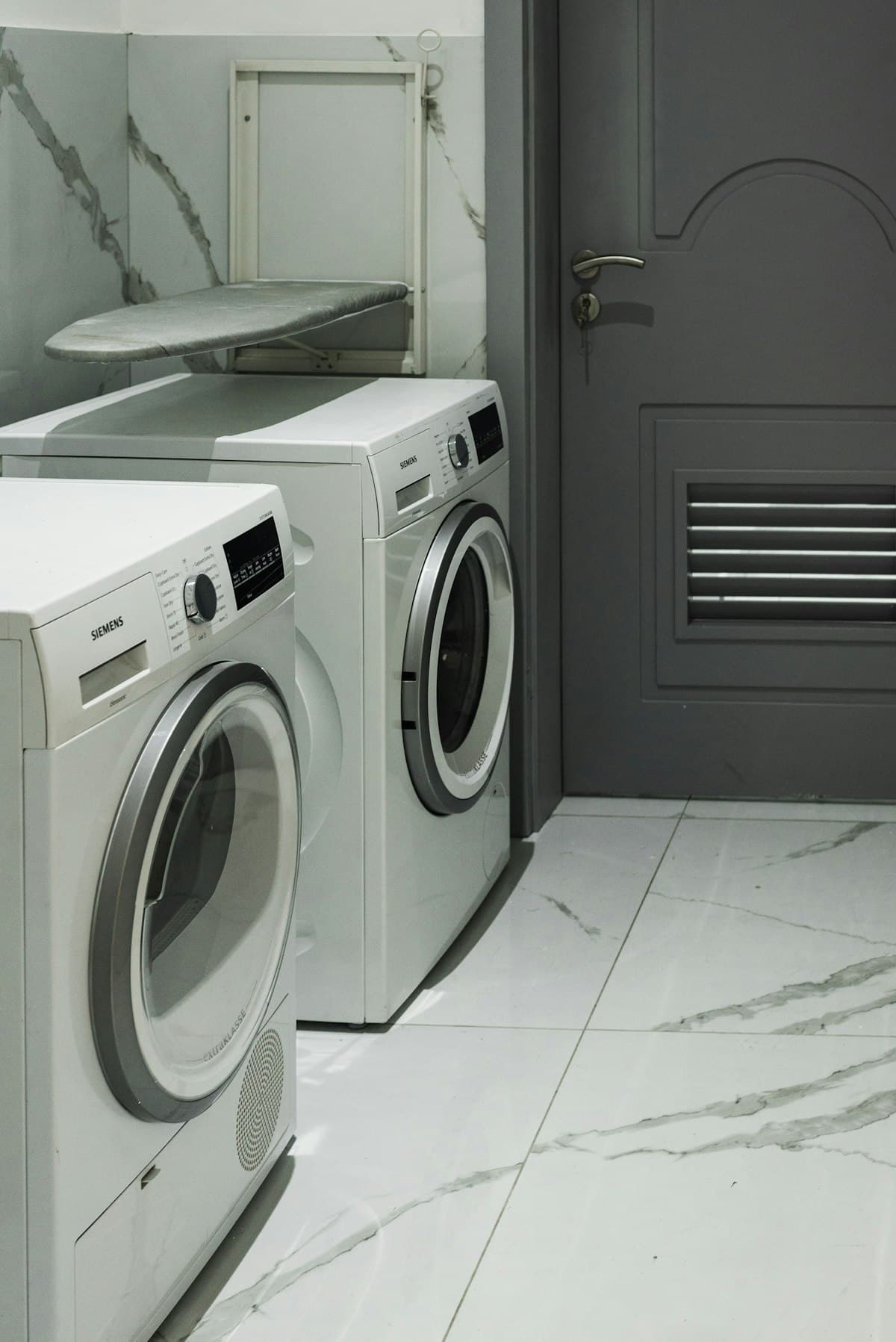
LG Dryer Takes Too Long: Start at the Vent
An LG dryer taking too long is a blocked vent about 40% of the time — read FlowSense first. Then check sensor bars, heating, load, and washer spin. EasyBear repair guide.
mike-rodriguez·5 min read

LG Dryer Too Hot: Causes & Fix
LG dryer running dangerously hot? A restricted exhaust vent is the top cause and a fire risk, so clean the whole vent path first. If heat stays high on a clear vent, suspect a stuck cycling thermostat, a high-reading thermistor, or a welded board relay.
mike-rodriguez·5 min read
LG Dryer Won't Start — Expert Tips
LG dryer won't turn on or start tumbling? Diagnosis of thermal fuse, flame sensor, and control board failures on LG DLEX3900/DLE7300/DLG7301 series dryers.
mike-rodriguez·5 min read

Fix LG Dryer Won't Tumble
LG dryer motor runs but drum won't spin? Diagnosis of broken drive belts, worn drum rollers, and seized idler pulleys on LG DLEX3900/DLE7300 series dryers.
mike-rodriguez·5 min read
LG Dryer Won't Stop? It May Just Be Wrinkle Guard
An LG dryer that won't stop is often the normal Wrinkle Guard feature or a moisture sensor reading wet. Tell continuous running from post-cycle tumbles, then fix the real cause.
mike-rodriguez·6 min read

Help! LG Dryer Door Latch Failure
An LG dryer that won't latch or won't run split into two problems: a worn catch and strike, or a failed door switch throwing dE. Here are the top causes ranked.
mike-rodriguez·8 min read
Fix LG Dryer Rust/corrosion
LG dryer rust/corrosion? Top 8 causes ranked by likelihood with step-by-step fixes. Learn about common problems, estimated repair costs, and when to call a...
mike-rodriguez·5 min read

LG Dryer Display Not Working? Does It Still Beep?
On an LG dryer, whether a dark display still beeps to button presses tells you which board failed — the interface board or the main board's power supply. A totally dead dryer usually means a blown thermal fuse.
mike-rodriguez·6 min read