Wall Oven vs Range Repair: Same Parts, Different Access#
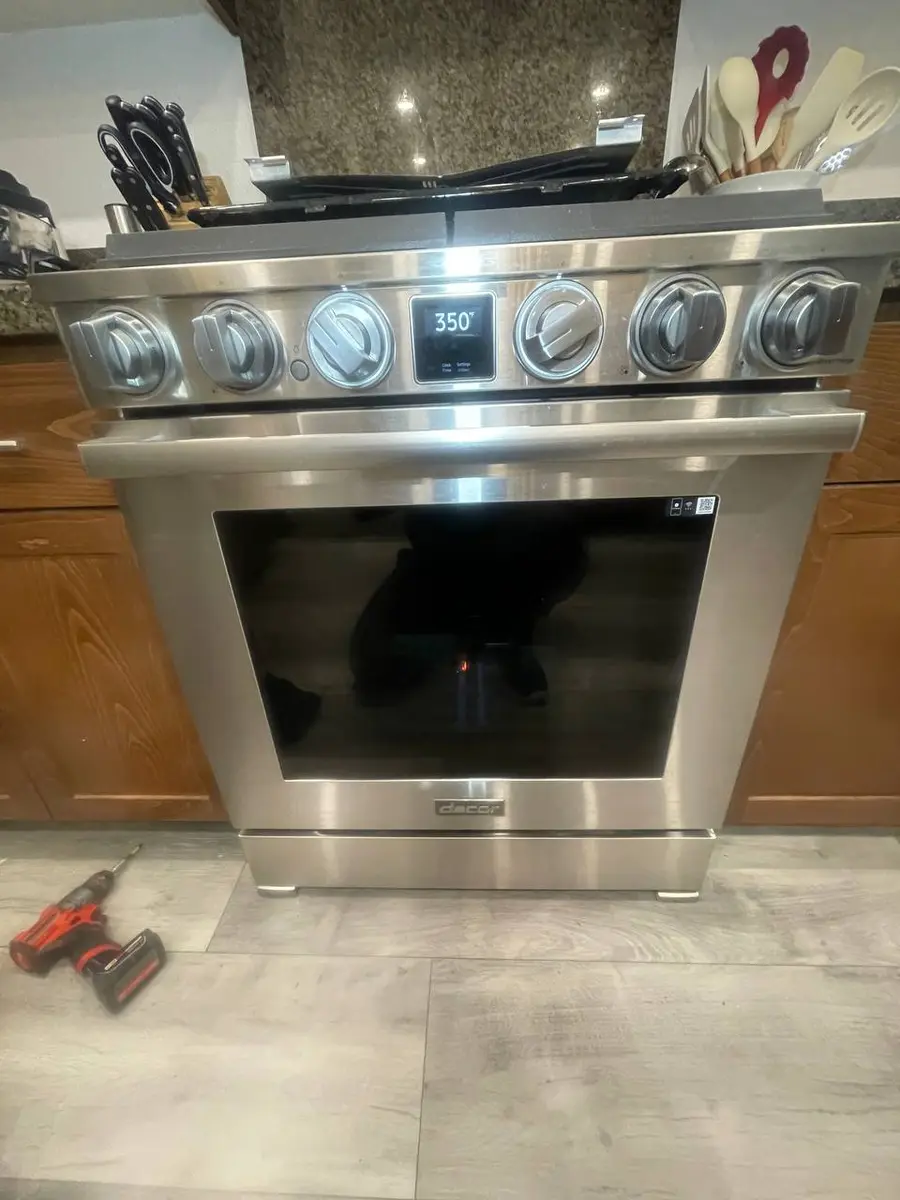
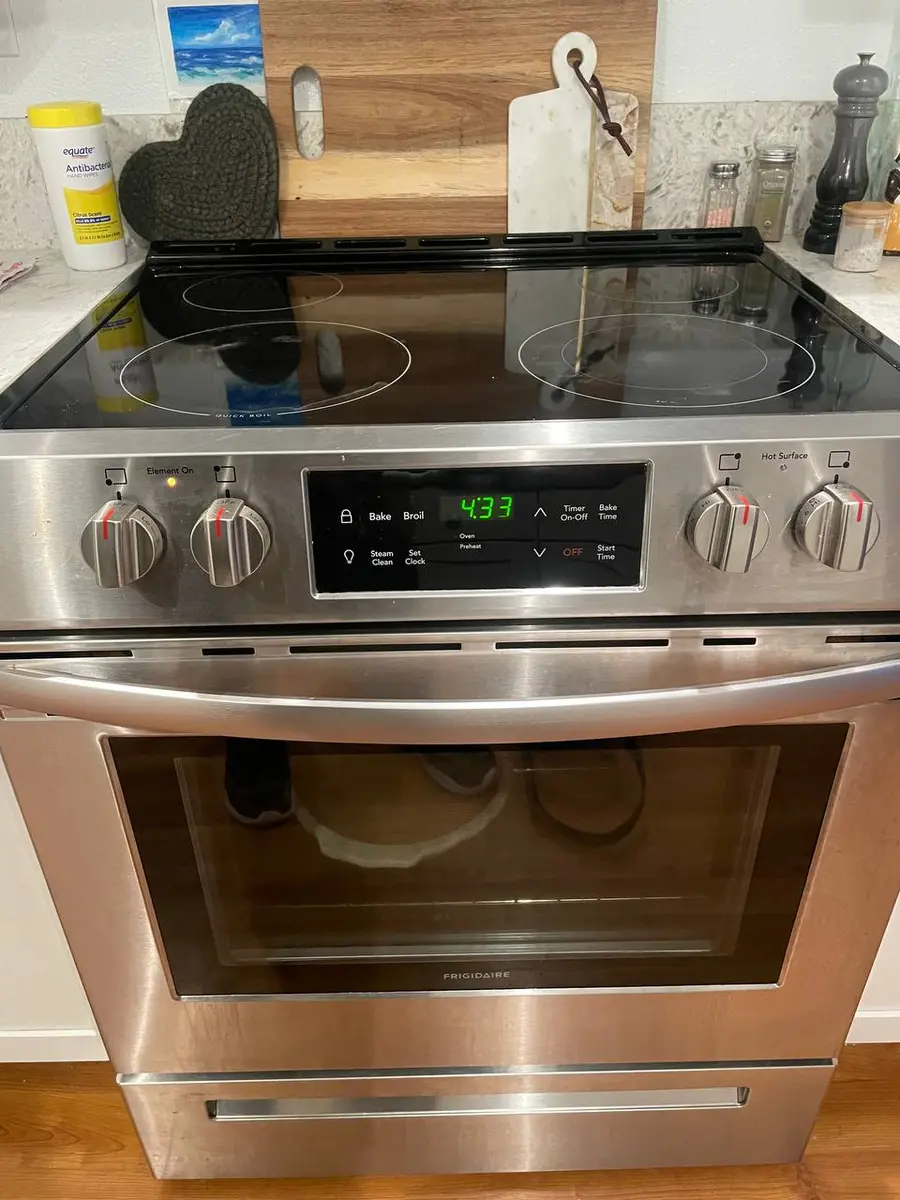
Short answer: A wall oven and a range use the exact same cooking parts — the same bake elements, igniters, sensors, convection fans, and control boards — so the difference at repair time is not the components but the access. A range rolls out in minutes, while a wall oven must be extracted from its cabinet cutout, which adds labor to any rear-access job.
Wall Oven vs Range Access at a Glance#
| Access point | Range | Wall oven |
|---|---|---|
| Rear components | Pull out in about 5 minutes | Extract from cutout, 15-45 minutes |
| Control board and sensor | Front or backguard | Front, no extraction |
| Convection fan and gas valve | Rear access | Extraction usually needed |
| Igniter | Interior, no extraction | Interior, no extraction |
Verdict: The parts cost the same brand-for-brand; a wall oven's only repair premium is the labor to pull it out for rear-access jobs.
Do You Have the Right Tools?
Combustion analyzer ($300), igniter tester ($120), temperature calibrator ($150), and gas pressure manometer. Our technician arrives with $3,000+ in professional tools — your diagnostic is free.
Licensed & Insured · 90-Day Warranty · Same-Day Service
Why the Bill Differs#
Because a wall oven and a range from the same brand share the same components, a part like a bake element or an igniter costs the same on either. What differs is getting to it. A range simply rolls forward on the floor; a wall oven is bolted into a cabinet cutout and, for anything at the back, has to be carefully extracted first. That extraction is the whole premium. Repairs reachable from the front — the control board, the temperature sensor, the door hinges, and the igniter — cost the same on both because no extraction is needed. It is the rear-access jobs, like a convection fan motor, a heating element, or a gas valve, where the wall oven carries the extra labor.
The Double Wall Oven Complication#
Stacking two oven cavities changes the math. The upper oven of a double unit is reachable from the front and top, but the lower oven sits at knee height with the upper one above it, so reaching its control board or rear components can mean partially extracting the entire assembly — a two-hundred-to-three-hundred-pound job that takes two technicians. That is the most demanding access scenario in the whole category, and it is unique to the double wall oven.
Safety First — Know the Risks
Gas ovens involve live gas lines — a loose connection creates explosion and carbon monoxide risk. Electric ovens run on 240V circuits. Our techs are licensed and insured — let them handle the risk.
Licensed & Insured · 90-Day Warranty · Same-Day Service
Single vs Double: The Service-Rate Gap#
A single wall oven has about the same service-call rate as a range, since they share the same parts in the same numbers. A double wall oven is different: it runs roughly 80% higher on service calls — not because either cavity is less reliable, but because two ovens simply mean twice the components that can fail. Buying a double unit for capacity or a built-in look also, quietly, doubles the failure surface.
Planning Around the Access Premium#
If you are choosing between the two, factor the access reality into the decision, not just the look. A range is the easiest oven to service and the cheapest for any rear-panel repair, since it rolls straight out. A single wall oven costs the same in parts and only a modest labor premium for back-of-cavity work, which is a fair trade for the built-in appearance many kitchens want. A double wall oven is where the cost really climbs — the roughly 80% higher service-call rate plus the two-technician extraction for its lower cavity make it the most expensive to keep running. Buy the configuration that fits your kitchen and your tolerance for that access premium, knowing the cooking hardware is identical throughout.
The Real Cost of DIY
Average DIY attempt: $150-400 in tools you may use once, plus the risk of further damage. Our diagnostic visit costs $0 — we find the problem and give you an honest quote.
Licensed & Insured · 90-Day Warranty · Same-Day Service
Our Recommendation#
If low repair cost and easy service matter most, a range or a single wall oven is the simpler thing to work on, with a range the cheapest of all because nothing has to be extracted. A double wall oven buys capacity and a seamless built-in appearance at the price of the category's highest access premium and about double the failure surface. Choose by your kitchen layout and how much you value the built-in look, knowing the cooking parts — and their prices — are identical either way.
Senior Gas Appliance Specialist · 18 years experience
AGA-certified gas appliance specialist with 18 years of experience in residential and commercial oven, range, and cooktop repairs.