Oven Repair Cost: Gas vs Electric Comparison#
Whether you are an occasional cook or a daily home chef, a broken oven brings your kitchen to a standstill. In 2026, oven repairs typically cost between varies by repair type, with an average of about $275. This guide compares gas and electric oven repair costs and explains what you will pay for each common issue.
Common Oven Repair Costs#
Here is a detailed look at the most common oven repairs and their price ranges:
- Bake or broil element (electric): varies by model and region. The most common electric oven repair. When the bake element fails, the oven will not reach or maintain temperature. The element itself cost varies by model and region; labor makes up the rest.
- Igniter (gas): varies by model and region. The gas oven igniter is the most frequently replaced component in gas ovens. A weak or failed igniter prevents the gas valve from opening, resulting in no heat.
- Thermostat or temperature sensor: varies by model and region. A faulty thermostat causes uneven cooking, overheating, or underheating. Modern ovens use a temperature sensor (thermistor) connected to the control board.
- Control board: varies by model and region. The electronic control board manages all oven functions including temperature, timing, and self-cleaning. Replacement is expensive because the part alone can cost varies by model and region.
- Door hinges or springs: varies by model and region. Broken hinges cause the door to not close properly, leading to heat loss and safety concerns.
- Door gasket: varies by model and region. The door gasket seals heat inside the oven. A worn gasket causes heat to escape, resulting in uneven cooking and higher energy bills.
- Gas safety valve: varies by model and region. The safety valve controls gas flow to the burner. It works in conjunction with the igniter and is a critical safety component.
- Oven light replacement: varies by model and region. While you can replace the bulb yourself, some ovens have sealed light assemblies that require professional service.
- Self-cleaning latch: varies by model and region. The self-cleaning latch locks the door during the high-temperature cleaning cycle. If it fails, you may lose the self-clean function or the door may become stuck.
- Convection fan motor: varies by model and region. Convection ovens use a fan to circulate hot air for more even cooking. A failed fan motor eliminates this benefit.
- Clock or timer: varies by model and region. On some models, a failed clock or timer can prevent the oven from operating at all because it serves as the master controller.
Do You Have the Right Tools?
Combustion analyzer ($300), igniter tester ($120), temperature calibrator ($150), and gas pressure manometer. Our technician arrives with $3,000+ in professional tools — your diagnostic is free.
Licensed & Insured · 90-Day Warranty · Same-Day Service
Gas Oven vs Electric Oven Repair Costs#
Let us compare the two types side by side.
Electric Oven Repairs#
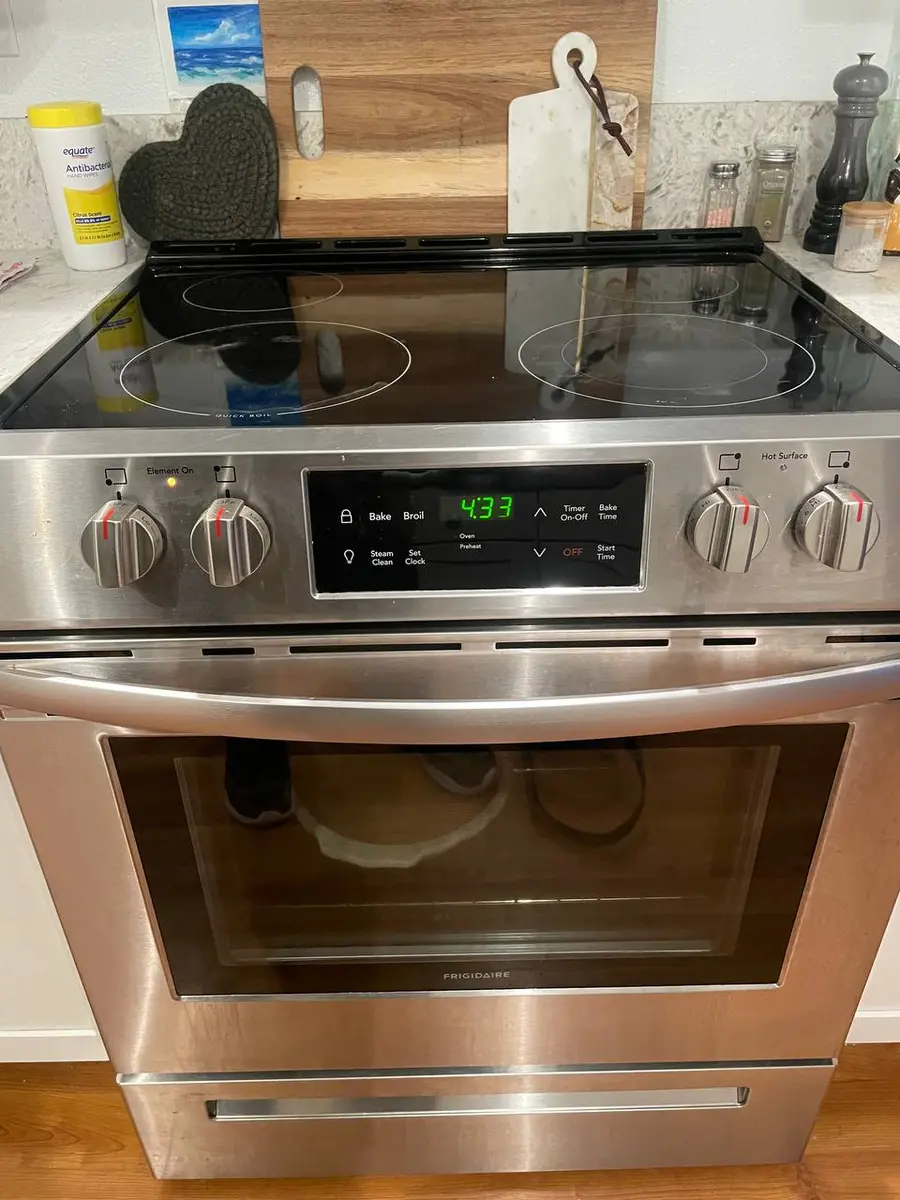
Electric ovens are generally simpler and slightly cheaper to repair. They have fewer moving parts and do not involve gas combustion components. The most common repair — a bake element — is straightforward and affordable.
Average electric oven repair: varies by model and region
Common electric-only repairs:
- Bake element: varies by model and region
- Broil element: varies by model and region
- Wiring or connector issues: varies by model and region
Gas Oven Repairs#
Gas ovens have additional combustion-related components that add complexity. Repairs require technicians certified to work with gas appliances, which can slightly increase labor costs. Safety is paramount with gas oven repairs.
Average gas oven repair: varies by model and region
Common gas-only repairs:
- Igniter: varies by model and region
- Gas safety valve: varies by model and region
- Burner tube or orifice: varies by model and region
Dual-Fuel Ranges#
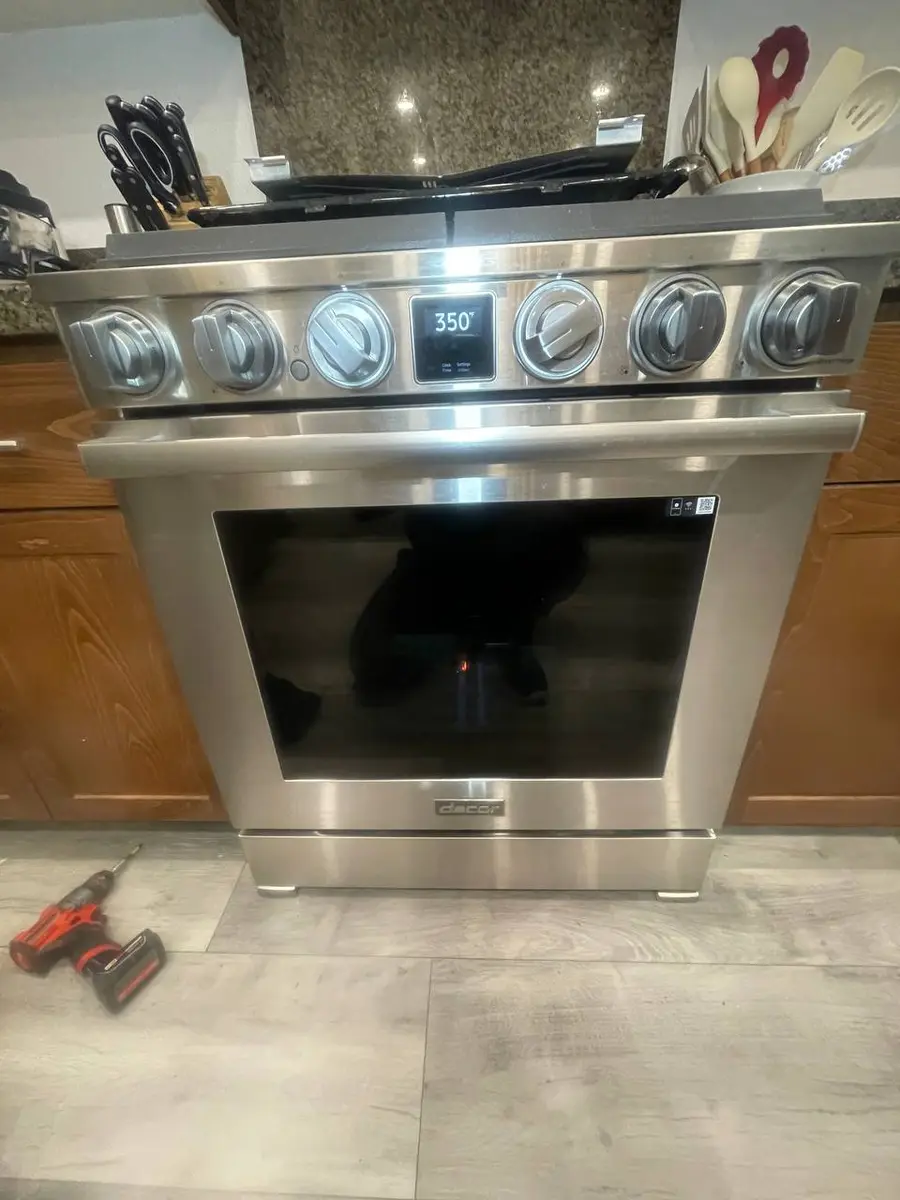
Dual-fuel ranges combine a gas cooktop with an electric oven. These premium appliances have the components of both types, so repair costs can be higher — typically varies by model and region for the oven portion.
Oven Repair Cost by Brand#
Brand plays a significant role in repair pricing:
- Whirlpool, GE, Frigidaire: Most affordable to repair. Parts are widely available and most technicians are well-versed in these models. Average repair: varies by model and region.
- Samsung, LG: Moderately priced. These brands have expanded into the oven market with feature-rich models that can be complex to service. Average repair: varies by model and region.
- KitchenAid, Bosch: Upper mid-range. Well-built ovens with quality components, but parts and service cost more. Average repair: varies by model and region.
- Viking, Wolf, Thermador: Premium commercial-style ovens. Expect significantly higher parts and labor costs. Technicians must have specialized training. Average repair: $300–significant cost.
Safety First — Know the Risks
Gas ovens involve live gas lines — a loose connection creates explosion and carbon monoxide risk. Electric ovens run on 240V circuits. Our techs are licensed and insured — let them handle the risk.
Licensed & Insured · 90-Day Warranty · Same-Day Service
Warning Signs Your Oven Needs Repair#
Do not wait for a complete failure. Watch for these symptoms:
- Uneven cooking: Hot spots or cold spots indicate a faulty heating element, thermostat, or convection fan.
- Oven not reaching temperature: Could be the thermostat, temperature sensor, heating element, or igniter.
- Gas smell when oven is off: This is an emergency. Turn off the gas supply, ventilate the area, and call a technician immediately. Do not use any electrical switches or open flames.
- Oven door will not close properly: Broken hinges, a warped door, or a worn gasket can all prevent proper closure.
- Self-clean cycle not working: Usually a faulty door latch or control board issue.
- Strange smells during cooking: Burning smells (not from food) may indicate wiring issues or a failing element.
- Oven takes too long to preheat: A common sign that the igniter (gas) or element (electric) is weakening but has not fully failed yet.
How to Reduce Oven Repair Costs#
Follow these tips to keep your oven in top shape and minimize repair expenses:
- Avoid self-clean abuse. The self-cleaning cycle reaches extremely high temperatures (up to 900°F) that can damage door gaskets, latches, and control boards. Use it sparingly — once or twice a year at most.
- Clean spills promptly. Baked-on food can damage the oven interior and clog burner ports in gas ovens.
- Do not line the bottom with foil. Aluminum foil on the oven floor can block airflow, trap heat, and damage the bake element.
- Check door gaskets regularly. Run your hand along the closed door — if you feel heat escaping, the gasket needs replacement.
- Use the oven light instead of opening the door. Each time you open the oven door, the temperature drops 25–50°F, forcing the oven to work harder.
- Have annual maintenance performed. A professional inspection catches small issues before they become expensive repairs.
The Real Cost of DIY
Average DIY attempt: $150-400 in tools you may use once, plus the risk of further damage. Our diagnostic visit costs $0 — we find the problem and give you an honest quote.
Licensed & Insured · 90-Day Warranty · Same-Day Service
When to Replace Instead of Repair#
Ovens typically last 15–20 years with proper maintenance, which is longer than most other kitchen appliances. However, replacement may be the smarter choice when:
- The repair costs more than 50% of a new oven
- The oven is more than 15 years old with a major component failure
- You have had multiple repairs in the past 2 years
- Parts are no longer available for your model
- You want to switch from gas to electric or vice versa (this is a replacement, not a repair)
Frequently Asked Questions#
How much does it cost to replace an oven igniter? Igniter replacement cost varies by model and region including parts and labor. The igniter itself cost varies by model and region with the remainder going to the service call and labor.
Why is my gas oven not heating? The most common cause is a worn-out igniter. Other possibilities include a faulty gas safety valve, a broken thermostat, or a gas supply issue.
How long does an oven repair take? Most oven repairs are completed in 30 to 90 minutes. Control board replacements may take longer if the part needs to be ordered.
Is it safe to use an oven with a broken door seal? It is not recommended. Heat escaping from a broken seal can damage surrounding cabinetry and countertops, and it forces the oven to use more energy to maintain temperature.
Can I replace an oven heating element myself? For some models, a bake element replacement is a straightforward DIY project. The element is usually held in place by two screws and connects with a plug or wire nuts. However, always disconnect power first and consult your owner's manual.
Don't Void Your Warranty
Opening your appliance yourself may void the manufacturer warranty. Our repair comes with a 90-day guarantee, and we document everything for warranty compliance.
Licensed & Insured · 90-Day Warranty · Same-Day Service
Oven Error Codes: What They Mean#
Modern ovens display diagnostic codes when something goes wrong. Here are the most common:
- GE/Profile: F2 (oven temperature exceeded limit), F3 (open temperature sensor), F7 (stuck function key), F9 (door lock failure)
- Samsung: SE (key panel error), E-08 (temperature sensor), E-0A (heating fault), C-21 (gas ignition failure)
- Whirlpool/KitchenAid: F1 (control board fault), F2 (oven over-temperature), F3/F4 (temperature sensor open/shorted), F5 (door latch error)
- LG: F1 (temperature sensor), F3 (oven temperature too high), F9 (door lock), F11 (communication error)
An error code narrows the diagnosis but does not always point to the exact failed part. For example, an F2 over-temperature code could indicate a faulty temperature sensor, a failing control board, or a relay stuck in the closed position. A qualified technician evaluates the code alongside physical testing to determine the correct repair.
Oven Lifespan by Type#
Different oven types have different expected lifespans, which affects repair decisions:
- Standard gas or electric wall oven: 15–20 years
- Gas or electric freestanding range: 13–18 years
- Dual-fuel range: 12–17 years
- Double wall oven: 15–20 years
- Convection oven: 13–18 years
- Commercial-style range (Viking, Wolf): 15–25 years with proper maintenance
Ovens generally last longer than most other appliances because they are used less frequently and have fewer moving parts. A well-maintained oven can easily exceed 20 years of service, making repairs more cost-effective compared to other appliances.
Is It Worth Your Time?
Oven temperature issues require systematic testing of the igniter, gas valve, thermostat, and calibration. Average DIY: 4-6 hours. Our technician diagnoses the issue in about 30 minutes — same-day appointments available.
Licensed & Insured · 90-Day Warranty · Same-Day Service
Get Expert Oven Repair from EasyBear#
Do not let a broken oven ruin dinner plans or holiday cooking. EasyBear offers expert gas and electric oven repair with experienced, certified technicians. We provide upfront pricing, carry common parts, and back every repair with a 90-day warranty.
Book your oven repair today through our simple online booking system. Same-day service available in the Bay Area — get your kitchen back in action with EasyBear.
Senior Gas Appliance Specialist · 18 years experience
AGA-certified gas appliance specialist with 18 years of experience in residential and commercial oven, range, and cooktop repairs.