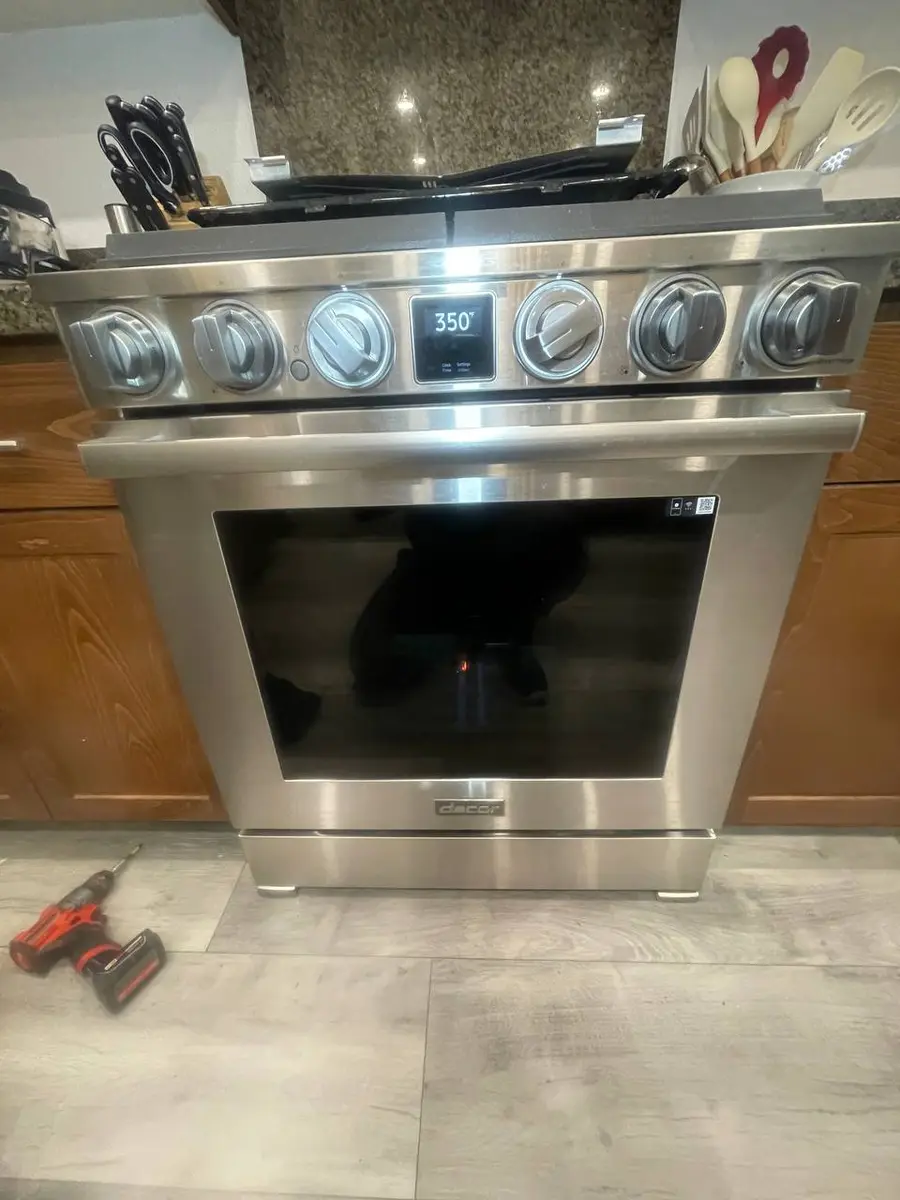
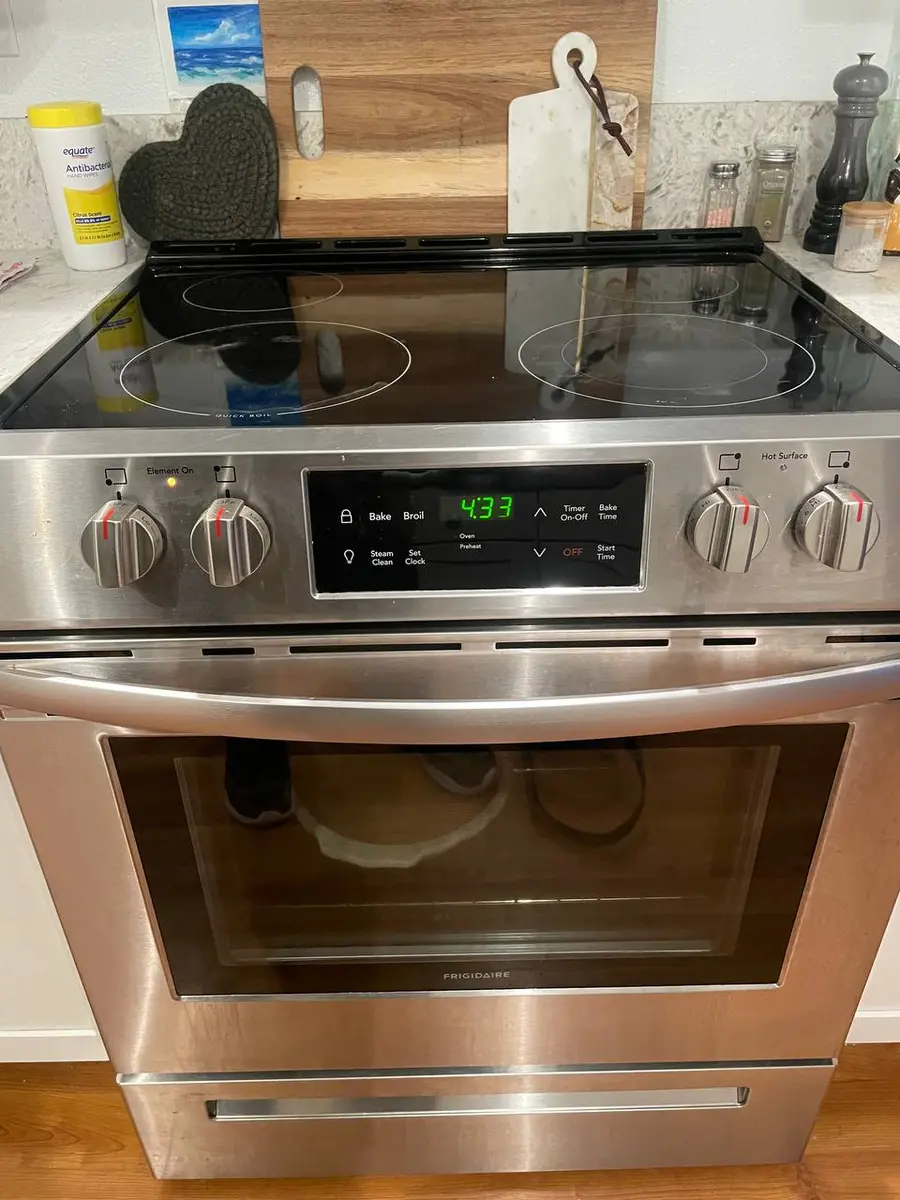
Bottom line: An oven control board is usually worth replacing, because ovens run 15-20 years and a fresh board on a mid-life range buys back plenty of cooking. Step up to a new oven only when the board bill clears 50% of a comparable unit and the range is already old or failing elsewhere.
The control board is the brain of the appliance. It reads the temperature sensor, switches the bake and broil elements or the igniter, and runs the clock and self-clean logic. When it fails the oven either goes stone cold or, more dangerously, loses the ability to hold the temperature you dial in — and that second failure mode drives the whole decision.
Verdict by oven age and board bill#
| Oven age | Modest board bill | Steep board bill |
|---|---|---|
| Under 8 years | Fix it | Fix it |
| 8 to 15 years | Fix it | Weigh it |
| Older than 15 years | Weigh it | Replace |
Where the 50% line falls#
The governing yardstick is simple: once a board repair reaches half the price of a new oven, replacement is the sounder buy. What keeps most board jobs on the repair side of that line is the long runway ovens enjoy — a board on a ten-year range still leaves years of baking ahead of it. Only when other major parts are also tired does the single-part fix stop paying off.
| Board repair vs a new oven | Call |
|---|---|
| Under 50% of a new oven | Repair the board |
| 50% or more of a new oven | Put the money toward a replacement |
What a swap saves you in hassle#
Cost is only half the story. A new oven means scheduling delivery, possibly reworking cabinetry or the gas and electrical hookups, hauling away the old unit, and two to four hours of your day. A board replacement runs one to three hours and leaves your kitchen layout untouched. Keep the parts window in mind too: manufacturers typically stock components for 10-15 years after a model is retired, so an aging range may see boards grow scarce.
Fix the cause, not just the symptom#
Boards rarely die at random. The number-one killer is self-clean heat — that cycle pushes the cavity toward 900°F and the heat radiates straight into the board, so avoid running self-clean on any oven older than 8 years. Power surges and ordinary component aging account for most of the rest. If a surge or a chronic heat problem took out the board, address that root cause or the new board will meet the same end.
Get a professional read first#
Before committing to a board or a new range, a diagnostic pays for itself. Misdiagnosis is common with at-home troubleshooting, and a control board is an expensive thing to replace on a hunch. A technician can confirm the board is genuinely at fault rather than the temperature sensor or a wiring issue, gauge how much life the elements, gas valve, and sensor have left, check whether an extended board warranty still applies, and quote the exact model-specific price instead of a broad estimate. That single visit often changes the answer — sparing you a needless board, or steering you away from a patch on a range with bigger problems coming.
Is it safe to keep cooking meanwhile?#
That depends on how the board failed. If the oven will not heat at all it is inert but harmless — simply unusable. If it heats yet cannot regulate temperature correctly, stop using it, because unregulated oven temperatures create fire risk. When in doubt, leave it off until a technician has confirmed the failure mode.
Making the call#
For most homeowners the decision resolves quickly: a board on an oven under about a dozen years is worth replacing, and only a steep bill on an already-aging range flips it toward replacement. Start with a firm diagnosis, weigh the repair against half the price of a new oven, and factor in the days of disruption a swap brings. Handle the underlying cause — usually heat or a surge — and the fresh board should serve for years.
Senior Appliance Repair Technician · 15 years experience
EPA-certified technician with 15 years of experience specializing in refrigerator and cooling system repairs.