Maytag Oven Temperature Wrong — Causes & Fixes
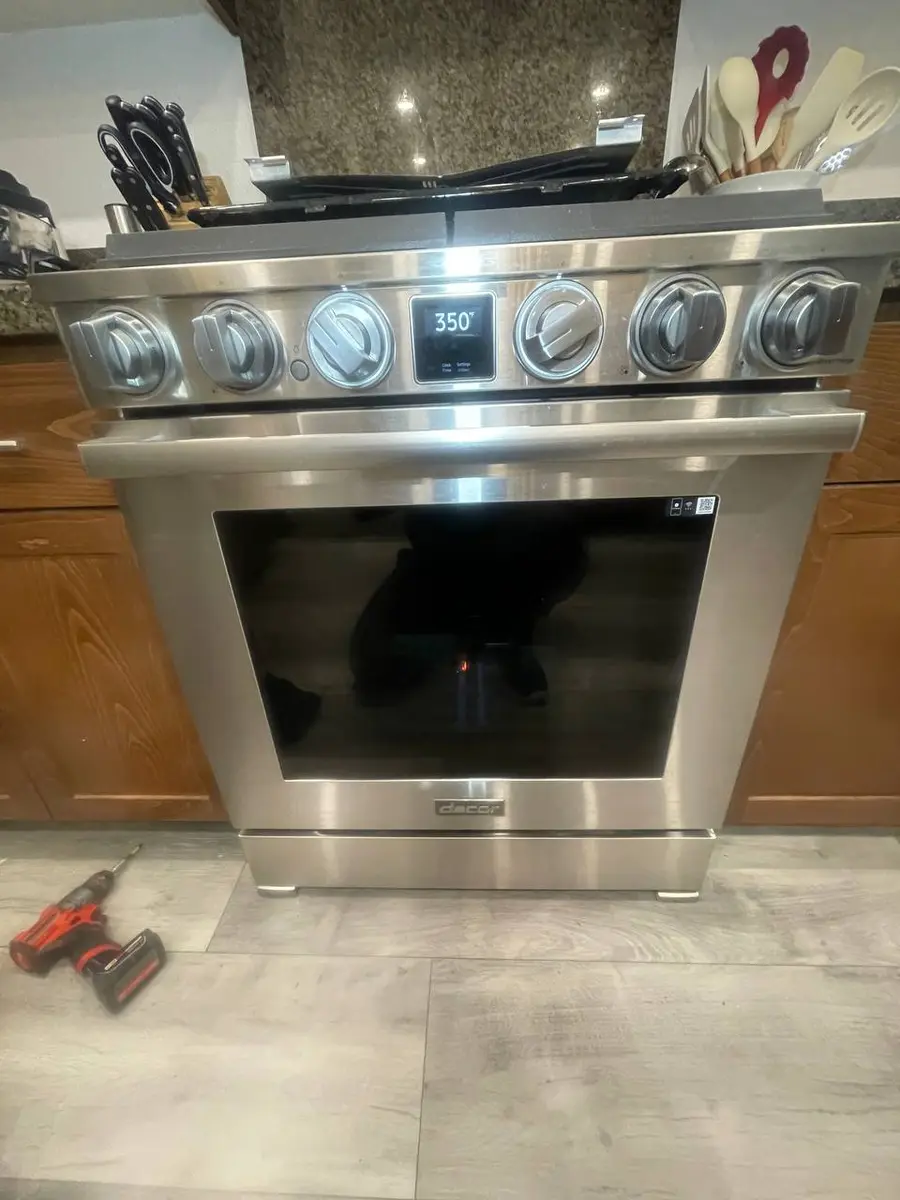
If a Maytag oven bakes hot or cold, confirm it with a thermometer at 350 degrees F, read 30 minutes after preheat, then act. The common causes are a temperature sensor that's drifted (part WPW10181986), an oven that just needs calibrating, or, on convection models, a failed fan motor (part WPW10206586). A cracked bake…
Which Maytag you have#
The failure tracks by model: the MER6600FZ electric runs sensor-driven temperature control, the MGR6600FZ gas pairs igniter heat with sensor feedback, the MER8800FZ double oven controls each cavity independently, and the MEW9527FZ wall oven depends on its convection fan motor. Read your model off the serial plate before ordering a part.
The causes#
- Temperature-sensor drift (WPW10181986). The NTC thermistor probe shifts resistance with age and reports the wrong cavity temperature to the board. At room temperature (70 degrees F) it should read about 1,080 to 1,090 ohms; well outside that, replace it.
- Calibration offset. Maytag ovens let you trim the temperature in 5-degree increments through the control-panel menu, but many owners never know the feature is there.
- A partially failed bake element. A hairline crack lets the element still heat, but at reduced wattage, so the oven takes longer to reach the set temperature and undershoots it.
- Door-gasket wear. A worn gasket lets hot air escape — often noticeable near the hinge — causing temperature drops and uneven baking.
- Convection fan failure (WPW10206586). On convection models the fan that circulates hot air can quit, creating hot spots and cold zones read as a wrong temperature.
Do You Have the Right Tools?
Combustion analyzer ($300), igniter tester ($120), temperature calibrator ($150), and gas pressure manometer. Our technician arrives with $3,000+ in professional tools — your diagnostic is free.
Licensed & Insured · 90-Day Warranty · Same-Day Service
Calibrating and testing#
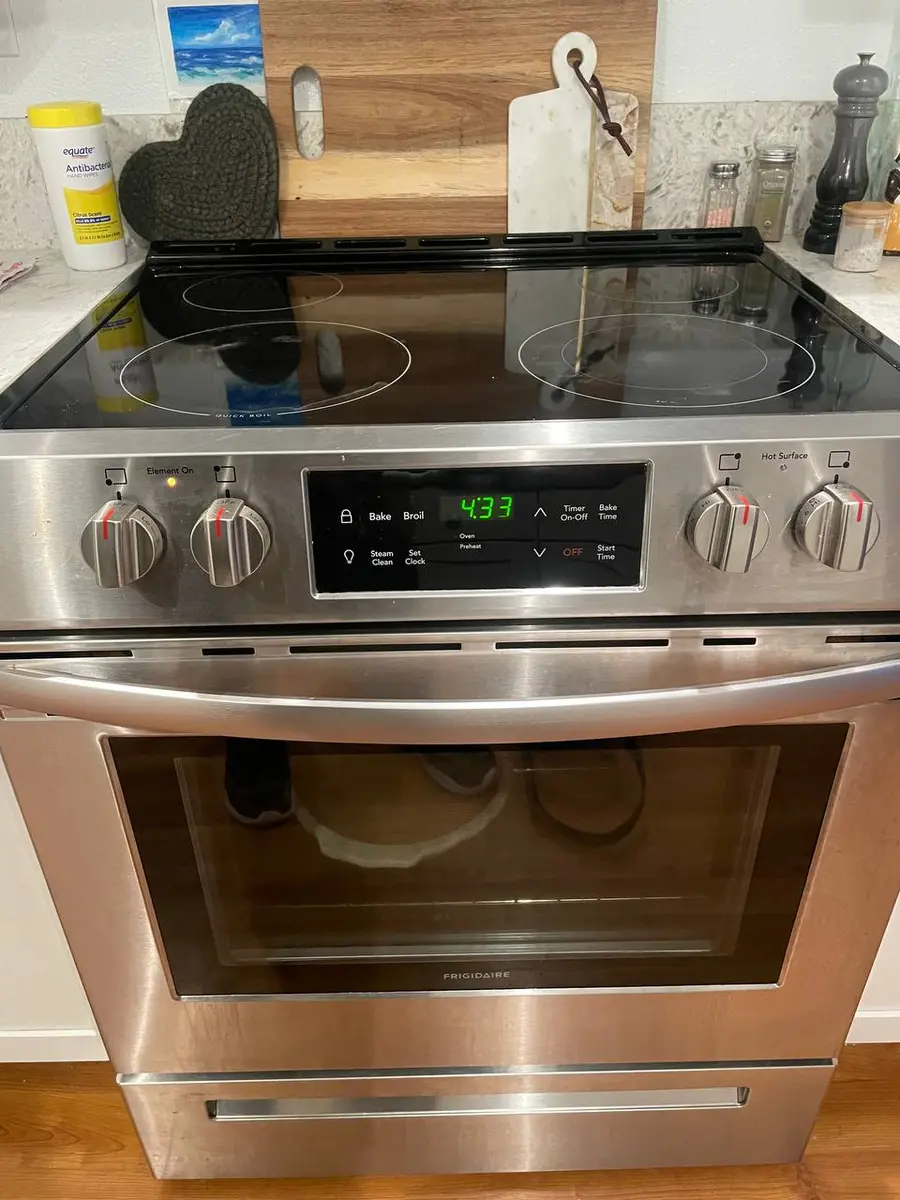
On the MER6600FZ and similar models, press Bake, then hold the Temp/Time up and down arrows together for 3 seconds and adjust in 5-degree increments, then press Start; verify at 350 degrees F afterward. To test the sensor, disconnect power, find the thin metal probe at the top rear of the cavity, unplug its two-wire connector, and read resistance — about 1,080 to 1,090 ohms at 70 degrees F, with readings well off that pointing to a failed sensor (WPW10181986).
If it burns on the bottom, and a holiday note#
A lower element at full wattage plus a dead convection fan bakes intensely on the bottom with no air movement; on gas models, clogged burner ports can skew the flame. A higher rack is a temporary fix — the real repair is the fan or element. Verify and calibrate before holiday baking, when a 30-degree error ruins a roast, and book an EasyBear technician if calibration doesn't hold.
Lead Appliance Repair Technician · 12 years experience
Experienced technician with 12 years specializing in washing machine and dryer repairs across all major brands.