Kenmore Dryer Lint Screen: Water Runs Through?
Run water over your lint screen. If it pools on the mesh instead of pouring straight through, the screen is blocked even though it looks perfectly clean — fabric softener sheets leave an invisible waxy film that seals the mesh. Scrub it with hot soapy water, or replace it. The screen itself slides in and out in under…
The test that changes how you think about lint#
Most people judge a lint screen by whether lint is visible on it, which misses the failure mode that matters. Dryer sheets deposit a thin layer of wax every cycle, building up invisibly and cutting airflow long before anything looks wrong.
The water test settles it in seconds and is worth doing monthly. If the mesh has sealed, hot water with dish soap and a stiff brush usually opens it back up. Let it dry completely before it goes back in — a damp screen collects lint immediately.
The longer-term answer is fewer dryer sheets, or none. Wool dryer balls handle static without residue, and both screen and exhaust vent last longer for it.
Where the restriction actually is#
Air leaves a dryer through three things in series: the screen, the lint chute it sits in, and the exhaust duct behind the machine. The water test only clears the first of them, which is why a spotless new screen so often changes nothing. Run the test, then find your row.
| What you find | Which restriction | What to do |
|---|---|---|
| Water pools on the mesh instead of pouring through | The screen, sealed by fabric-softener wax | Hot soapy water and a stiff brush usually opens it. Dry it completely before it goes back in. |
| Water pours straight through, and loads still need two cycles | Not the screen | Stop shopping for one. The chute and the duct are the next two candidates, in that order. |
| Lint visible in the slot or housing below the screen | The lint chute | A vacuum crevice tool down the slot. This is the restriction people never look at, and it costs nothing to clear. |
| The duct behind the machine is crushed, kinked or packed | The exhaust run | Clear or replace it. No screen and no repair fixes a dryer heating into a closed pipe. |
| A long duct run with several bends, or one going up to a roof cap | The exhaust run, marginal by design | It works, but it needs clearing on a schedule rather than never. |
| Mesh torn, frame cracked, or the screen warped so it no longer seats flush | The screen, and it is past washing | Replace it. A screen that does not seal lets lint into the blower housing, which is the expensive version of this problem. |
| Lint turning up on clothes, or collecting around the door | Air bypassing the screen rather than passing through it | Check that the screen seats fully. A warped or wrong-fit screen is the usual cause. |
| Screen clear, chute clear, duct clear, drying still slow | Not a restriction at all | The moisture sensor or the heat circuit. At this point the airflow side has been ruled out properly. |
Denominator: the three prefixes this guide decodes — 110 for Whirlpool builds, 796 for LG-built Elite machines, 417 for Frigidaire — and the 30-40% saving on ordering under the builder's number rather than the Kenmore box are its own figures. Three builder families and one price gap, not the whole Sears catalogue, and the screen location on 110 machines genuinely varies by age: older ones sit in the door opening, newer ones in a top slot, so the plate tells you the builder and the machine tells you the slot.
Do You Have the Right Tools?
Gas leak detector ($130), thermal fuse tester ($95), belt tension gauge, and vent inspection camera ($180). Our technician arrives with $3,000+ in professional tools — your diagnostic is free.
Licensed & Insured · 90-Day Warranty · Same-Day Service
Where yours lives#
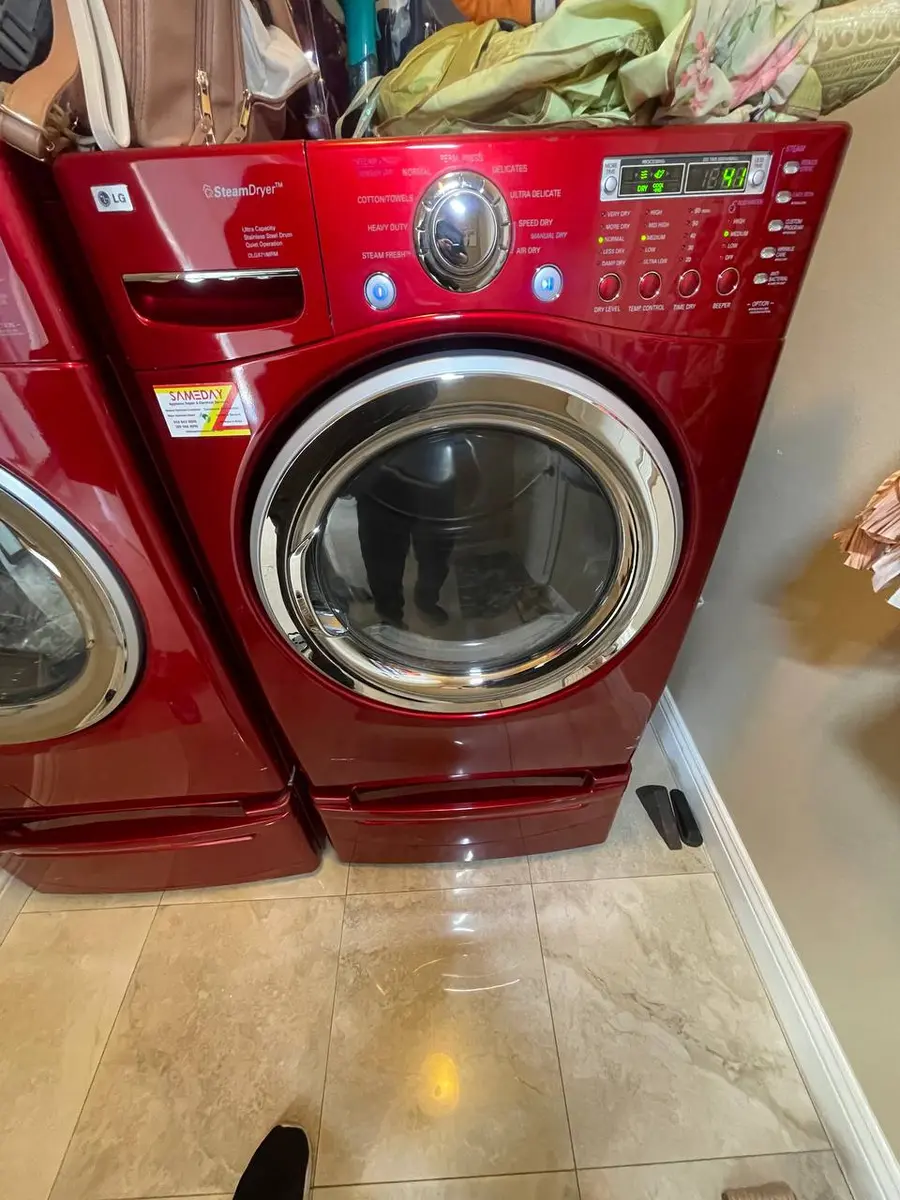
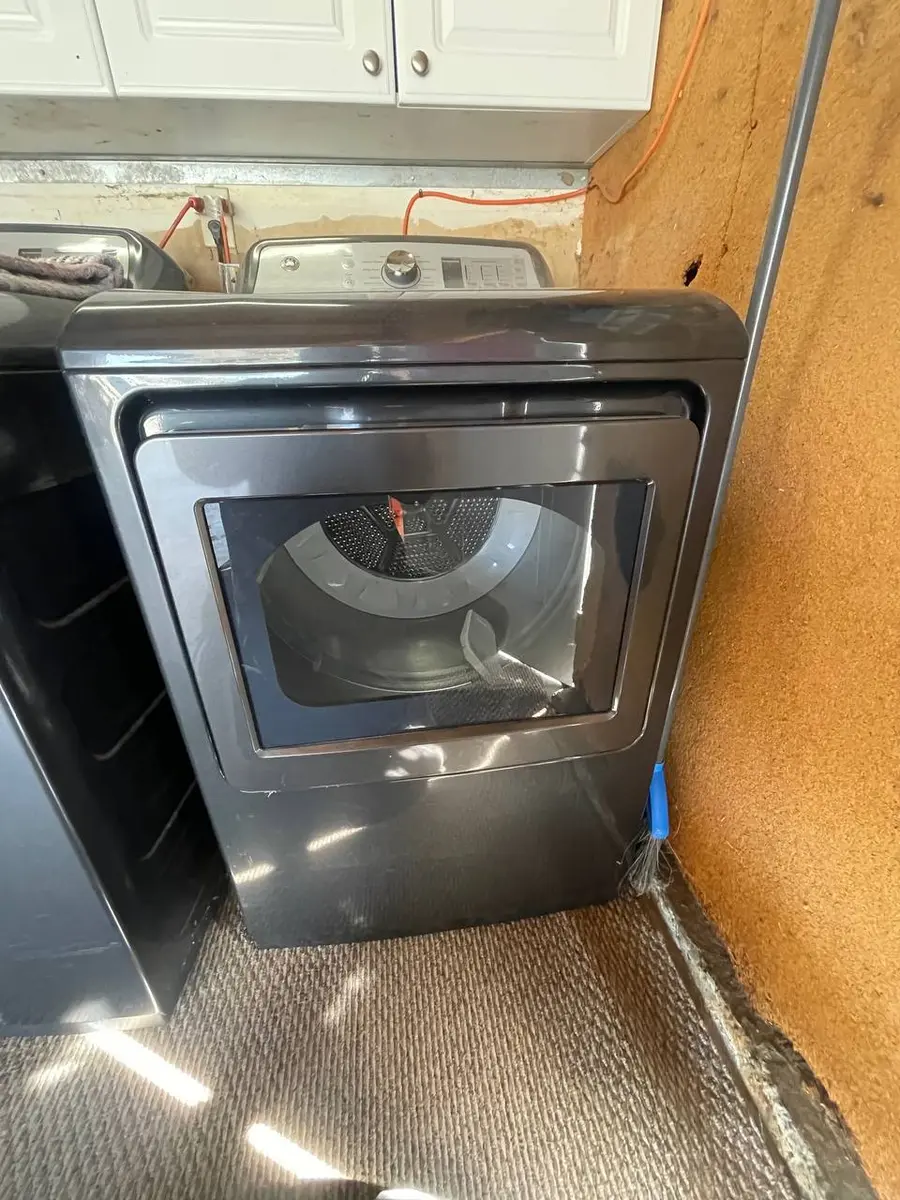
That depends on who built the machine, and the model number prefix tells you. Whirlpool-built 110 models are the inconsistent ones: older machines put the screen inside the door opening, newer ones use a slot on top. LG-built 796 Kenmore Elite dryers are always top-slot, usually a tall narrow screen. Frigidaire 417 machines are top-slot too.
Swapping is trivial either way. On a top-slot dryer, pull the old screen straight up out of the slot and drop the new one in — gravity and friction hold it. On a door-mounted screen, open the door, pull the old one from its slot at the bottom of the opening, and slide the replacement in until it seats flush. No tools, no power disconnection, under a minute. Order against the Whirlpool or LG part number rather than the Kenmore-branded box for 30-40% less.
Wash it, or replace it?#
Replace the screen — do not just clean it — when you see any of these:
- Tears, holes or gaps in the mesh, which let lint through to the blower wheel and exhaust vent
- A cracked or warped plastic frame that will not seat properly in its housing
- Waxy residue that will not wash off, no matter how hard you scrub
- A broken handle, because a screen you cannot pull out is a screen that never gets cleaned
The symptoms that mean clean it rather than replace it are different: clothes needing more than one cycle to dry, the dryer's exterior running hotter than usual, the laundry room turning humid while it runs, or lint visible on the outside of the screen after a single load.
Safety First — Know the Risks
Gas dryers carry carbon monoxide and explosion risk. Even electric dryers involve 240V circuits that can deliver a fatal shock. Our techs are licensed and insured — let them handle the risk.
Licensed & Insured · 90-Day Warranty · Same-Day Service
Why this cheap part matters more than it looks#
Cleaning the screen before every load improves drying efficiency by 25% or more. That alone pays for the habit. The safety case is stronger still: lint is highly flammable, and a blocked screen pushes it past the mesh into the exhaust vent and blower housing, where it accumulates near the heating element. The NFPA reports that failure to clean the dryer is the leading cause of dryer fires.
Airflow restriction also shows up in the diagnostics. On Whirlpool-based 110 machines, F30 is the restricted-airflow code; on 796 Elite models the d80, d90 and d95 codes report duct blockage as a percentage. If you are seeing those, the screen is only the first place to look — the vent run matters just as much.
Which is why the housing deserves attention too. Vacuum the slot the screen sits in every 3-6 months, because lint settles below the screen and restricts flow to the blower where you cannot see it.
How long a screen lasts#
With regular cleaning and no dryer sheets, 5-10 years or more — the mesh and frame are durable under normal use. With regular dryer sheet use, expect 3-5 years, because the wax degrades the mesh function even while the frame is perfectly intact. Yanking the screen out roughly or dropping it takes years off either figure.
Inspect it every single time you clean it. Catching a small tear early is what keeps lint out of the blower and the vent, and that is where it stops being a laundry problem.
Drying times still climbing with a clean screen and a clear housing? The exhaust run is next — schedule your repair.
Appliance Repair Technician · 11 years experience
Experienced technician with 11 years specializing in Frigidaire and Electrolux refrigerator and dryer repair with a focus on safety.