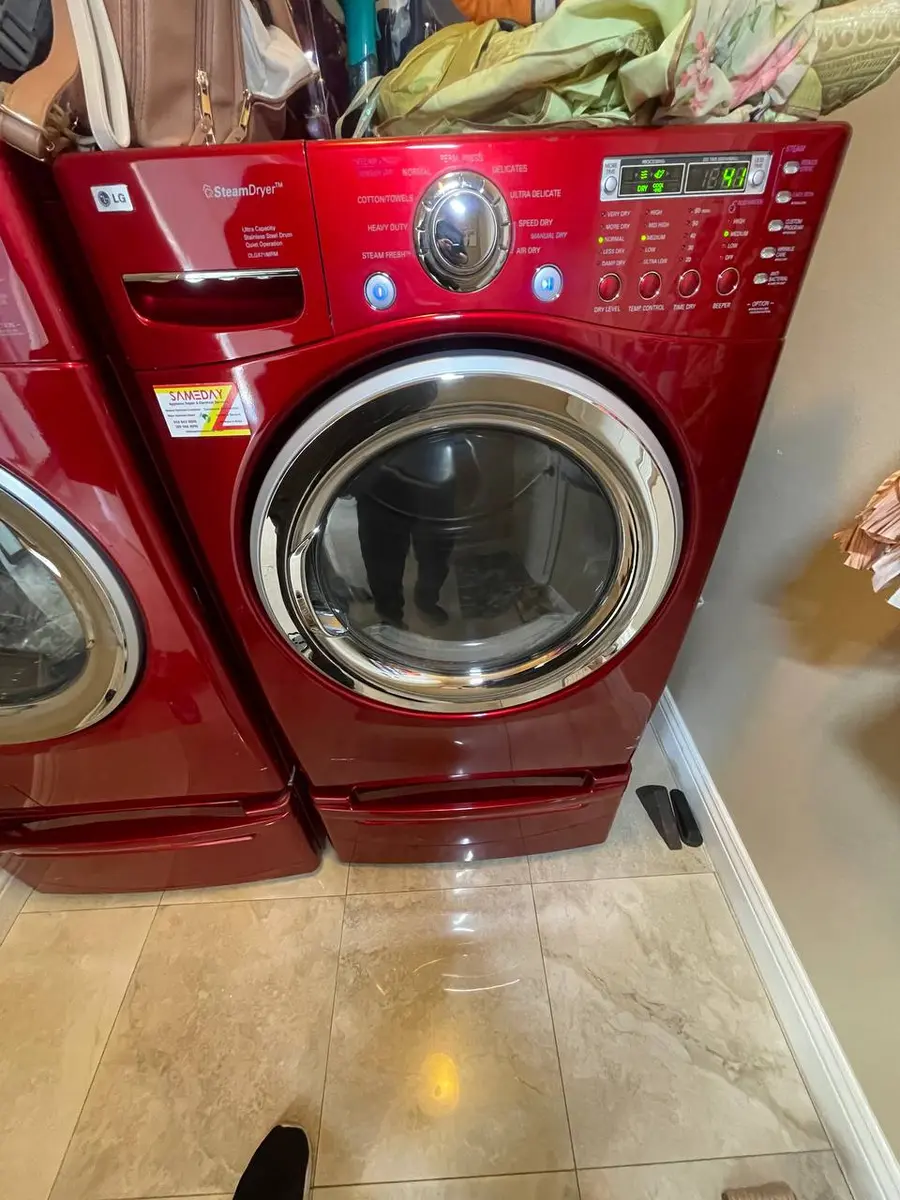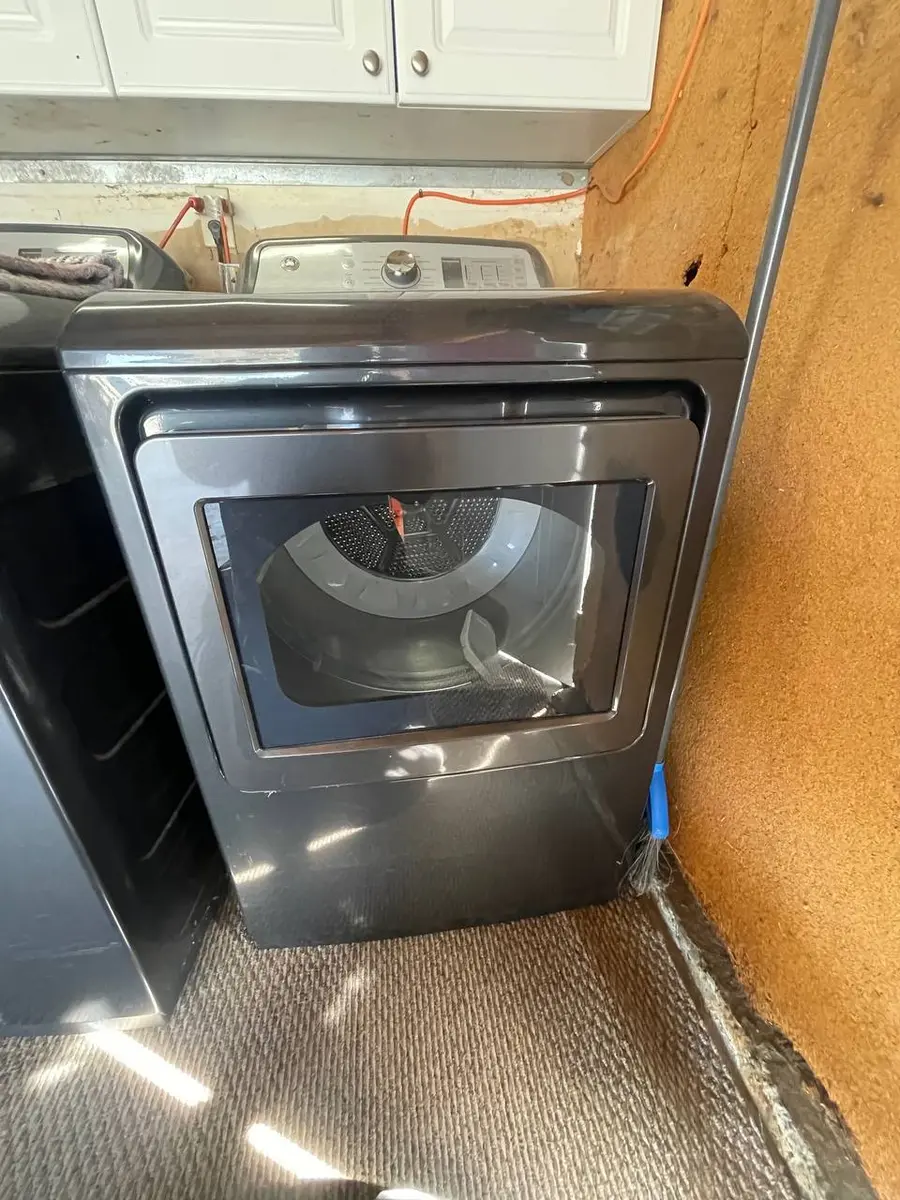
Of every major appliance in the house, the dryer is the one you should lean hardest toward fixing. Its mechanics are simple, its common faults are cheap, and it holds up for more than a decade — a combination that keeps almost every repair on the right side of the 50% rule. Unless the motor has gone or the machine is genuinely ancient, a broken dryer is usually a quick, worthwhile fix rather than a reason to shop.
Why the Dryer Almost Always Earns the Repair#
The parts that fail most often on a dryer are also the cheapest to put right. A blown thermal fuse, a snapped belt, worn drum rollers, or a dead heating element each run $100 to $300 — a fraction of any new machine. These are not compromises; they are complete fixes that return the dryer to full working order. Because the dryer has so few complex systems, there simply are not many expensive ways for it to break, which is the whole reason it earns a repair more readily than a washer or a refrigerator.
Do You Have the Right Tools?
Gas leak detector ($130), thermal fuse tester ($95), belt tension gauge, and vent inspection camera ($180). Our technician arrives with $3,000+ in professional tools — your diagnostic is free.
Licensed & Insured · 90-Day Warranty · Same-Day Service
The 50% Rule Rarely Bites on a Dryer#
The threshold is the same everywhere — replace once a repair tops half the price of a comparable new unit — but on a dryer it almost never triggers. A new dryer runs $500 to $1,200, so the 50% line sits around $250 to $600, and nearly every common repair falls below it. The table shows how much room there is.
| Dryer repair | Typical total (parts + labor) | Lean |
|---|---|---|
| Thermal fuse / thermostat | $100–250 | Repair |
| Belt / rollers | $120–250 | Repair |
| Heating element | $150–300 | Repair |
| Motor | $250–450 | Evaluate by age |
Three of the four repairs do not come close to the 50% line, which is why a dryer that will not heat or will not turn is usually worth a service call regardless of its age. Only the motor climbs high enough to make the decision interesting.
Where the Dryer's Age Puts You#
Dryers last 10 to 13 years, and because their failures are mostly cheap, they stay worth repairing later into life than most appliances — often right up to that 12-to-13-year mark. Match the age band to the repair's share of a new unit for the verdict.
| Dryer age | Repair under 25% of a new unit | 25–50% | Over 50% |
|---|---|---|---|
| Under ~6 years | Repair | Repair | Repair (check warranty) |
| ~6–10 years | Repair | Repair | Evaluate — motor? |
| Over ~10 years | Repair | Evaluate | Replace-leaning |
Want the call for your exact age? There is a short read for each point on the curve: is it worth repairing a 5-year-old, 7-year-old, 10-year-old, 12-year-old, or 15-year-old dryer.
Safety First — Know the Risks
Gas dryers carry carbon monoxide and explosion risk. Even electric dryers involve 240V circuits that can deliver a fatal shock. Our techs are licensed and insured — let them handle the risk.
Licensed & Insured · 90-Day Warranty · Same-Day Service
The Motor Is the Only Real Judgment Call#
At $250 to $450, the motor is the single dryer repair that reaches the evaluate zone, and it is the one fault worth pausing over. On a dryer under about ten years old, a motor is still usually worth replacing — the rest of the machine is simple and likely sound. Past twelve or thirteen years, a motor job is the point where most people are better off buying new, because you are investing motor-level money in a dryer that is already at the end of its expected run. Everything cheaper than the motor stays a clear repair; the motor is where age finally gets a say.
Gas vs Electric: A Repair Note#
The two dryer types differ less in whether to repair and more in who should do the work. Electric dryers are the simpler machines, with the heating element as their signature repair. Gas dryers add combustion parts — an igniter and a gas valve — which means a few more possible faults and, importantly, work that should only be handled by a qualified technician. Gas models also tend to cost a little less to run day to day, which is a mild point in favor of keeping a serviceable gas dryer rather than switching types. Switching from gas to electric or back means new utility connections and rarely pays off, so unless your laundry room forces the change, stay with what you have.
The Real Cost of DIY
Average DIY attempt: $150-400 in tools you may use once, plus the risk of further damage. Our diagnostic visit costs $0 — we find the problem and give you an honest quote.
Licensed & Insured · 90-Day Warranty · Same-Day Service
Safety, Efficiency, and the 2026 Context#
One dryer issue overrides the cost math entirely: airflow. A clogged vent or lint-choked duct is a genuine fire hazard, so clean the lint trap every load and have the vent cleared periodically. If a dryer runs alarmingly hot, throws a burning smell that survives a vent cleaning, or scorches clothes, treat it as a safety matter first and repair or retire it accordingly rather than nursing it along.
Efficiency will not settle the decision here — a new dryer uses roughly the same energy as an older one, so the modest savings rarely justify replacing a working machine. The 2026 cost backdrop does favor repair, though: appliance prices rose about 4.3 percent month over month after the 2025 tariffs and parts rose 5 to 20 percent, but whole units climbed faster than components. California's SB-244 right-to-repair law adds staying power, requiring parts, tools, and documentation to stay available for at least seven years after a machine's last build for anything over $100 — so a 2017-or-newer dryer is very likely to be fixable.
What We See in the Field#
The dryer is the appliance we most often fix in a single visit. A typical labor charge in our California service area runs $150 to $350, and a heating element, fuse, or belt is right in that band — an easy yes that buys years. The only time we regularly recommend replacement is a motor failure on a machine already past its early teens, or a dryer showing heat and airflow problems that make safety, not cost, the deciding factor. Short of those, keeping the dryer you have is almost always the cheaper, sounder move.
Don't Void Your Warranty
Opening your appliance yourself may void the manufacturer warranty. Our repair comes with a 90-day guarantee, and we document everything for warranty compliance.
Licensed & Insured · 90-Day Warranty · Same-Day Service
Simple Maintenance Keeps the Repair Bill Low#
The reason dryers stay so cheap to own is partly mechanical simplicity and partly how easy they are to look after — a little upkeep keeps even the affordable repairs rare. The lint trap is the heart of it: clearing it after every load protects airflow, and good airflow keeps the heating element and motor from overworking and wearing out early. A periodic vent cleaning does the same job further downstream, clearing the buildup that makes a dryer run hot, run long, and strain its parts.
A few habits stretch the rest of the machine. Do not overload it — a packed drum leans on the belt, rollers, and motor, the very parts you would otherwise be paying to replace. Lean on the moisture sensor instead of long timed cycles so the dryer stops when the clothes are dry rather than baking them and itself. And keep the area around the machine clear so it can breathe.
None of this changes the repair-or-replace math directly, but it shifts the odds. A dryer that is cleaned, vented, and not abused tends to reach the far end of its 10-to-13-year life needing only the cheap fixes — a fuse here, a belt there — and almost never the motor failure that is the one repair worth replacing over. Maintenance is how you keep the most repair-friendly appliance living up to the name.
Frequently Asked Questions#
Is it worth repairing a 10-year-old dryer? Almost always — a thermal fuse, belt, roller, or heating element runs $100 to $300, far under the cost of a new dryer. Even a motor at $250 to $450 can be worth it at this age since dryers commonly last 10 to 13 years.
What is the average lifespan of a dryer? Dryers last 10 to 13 years, and because most of their repairs are inexpensive, they stay worth fixing later in life than most appliances. It is the most repair-friendly appliance in the home.
How much does a dryer repair cost? Most repairs run $100 to $300 — thermal fuses and thermostats $100 to $250, belts and rollers $120 to $250, heating elements $150 to $300. The motor is the priciest common fault at $250 to $450.
When should I replace my dryer instead of fixing it? Replace when the motor fails on a dryer past about twelve years, when repairs clear half the $500 to $1,200 cost of a new unit, or when heat and airflow problems raise a safety concern. Cheaper faults almost always favor repair.
Does the 50% rule apply to dryers? Yes, but it rarely triggers. With new dryers at $500 to $1,200, the 50% line sits near $250 to $600 — and only the motor approaches it, which is why nearly every dryer repair stays worthwhile.
Are dryer parts more expensive after the tariffs? Parts rose about 5 to 20 percent after the 2025 tariffs, but whole dryers rose faster at roughly 4.3 percent month over month, keeping repair the better value. SB-244 also keeps parts available for at least seven years on 2017-and-newer models.
Lead Appliance Repair Technician · 12 years experience
Experienced technician with 12 years specializing in washing machine and dryer repairs across all major brands.