Is It Worth Replacing Fridge Water/Ice Dispenser
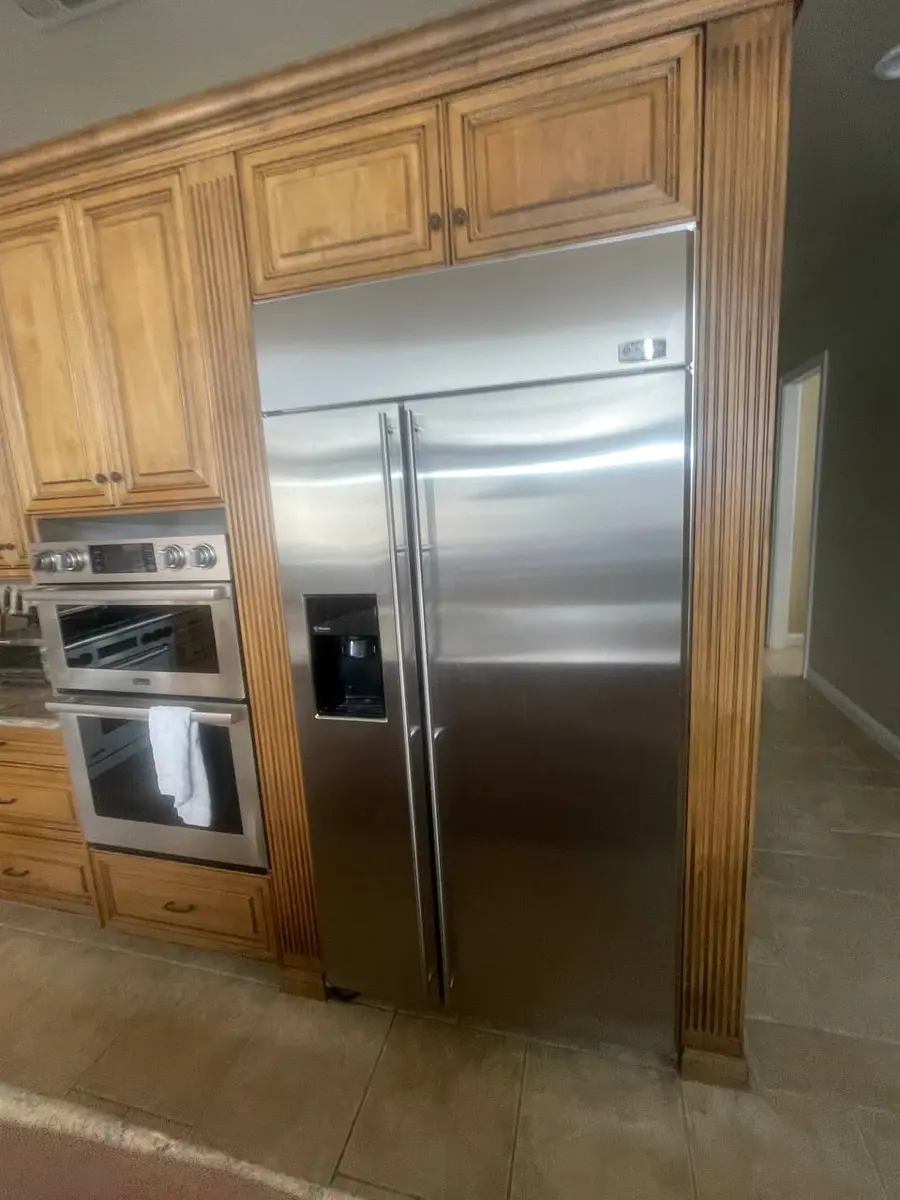
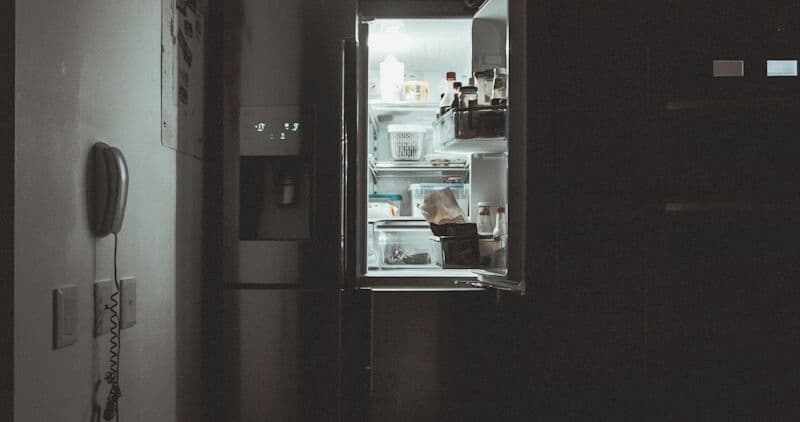
Repairing a refrigerator's water or ice dispenser is almost always worth it, because the fix is usually a cheap actuator or switch rather than the whole assembly — and it rarely comes near the 50% rule against a new fridge. The real task is pinning down which piece of the dispenser actually failed.
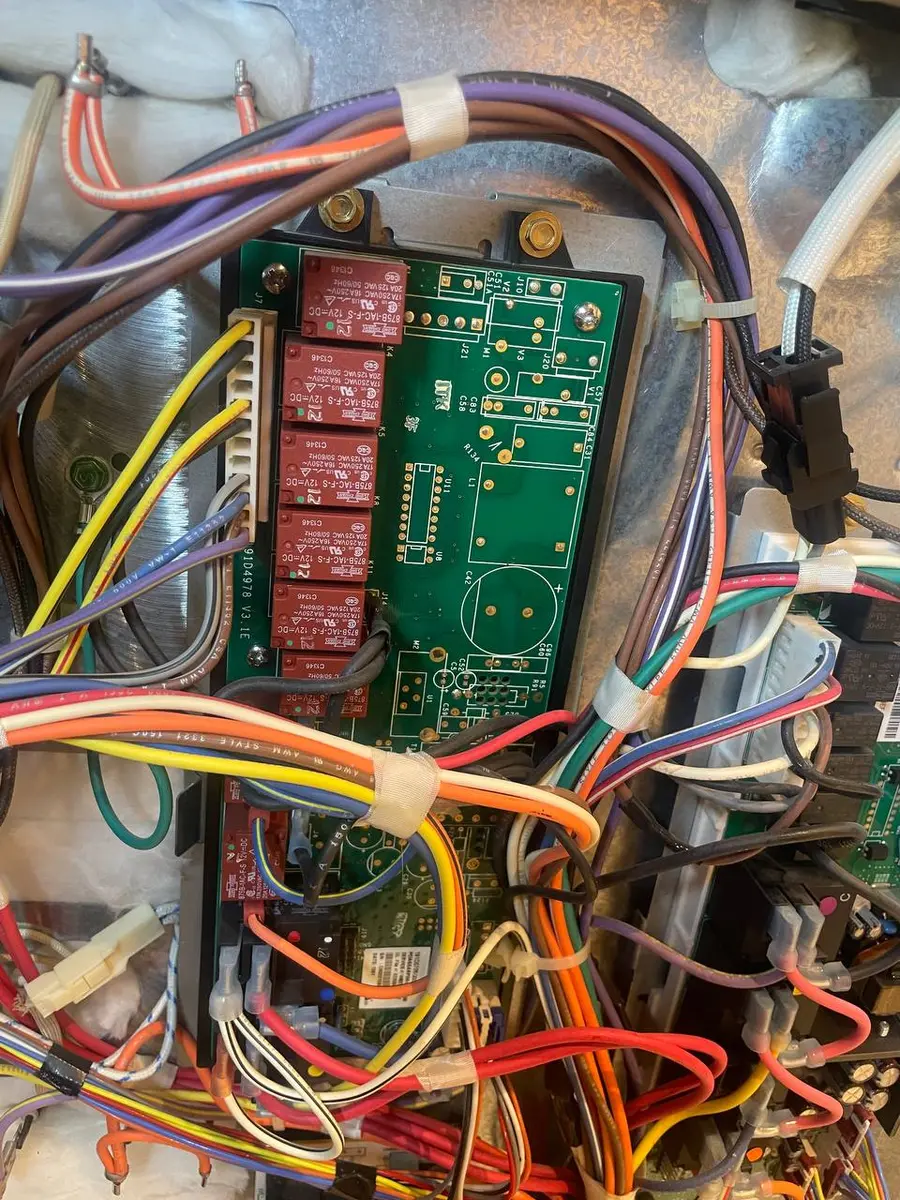
The dispenser is a small system, not a single part: a paddle or actuator, a micro-switch, a dispenser control board, a water valve, and on ice models an auger motor and a door flap. Because any one failure looks like a dead dispenser, a careful diagnosis usually turns an intimidating repair into an inexpensive one. Here is how to weigh it.
Dispenser: Age vs. Repair Size#
| Fridge age | Cheap part (switch/actuator) | Full assembly |
|---|---|---|
| Under 5 years | Repair | Repair |
| 5-10 years | Repair | Repair |
| 10-14 years | Repair | Evaluate |
| Over 14 years | Evaluate | Evaluate |
What We Recommend#
Because a dispenser fault never threatens the fridge's core cooling, the 50% rule almost always favors repair — buying a whole refrigerator to cure a dispenser is poor math. The one exception is a very old unit where the exact part has been discontinued and cannot be sourced. Identify the failed component first, then price only that piece rather than the full housing.
| Dispenser repair vs. a new fridge | Decision |
|---|---|
| Well under 50% (nearly always) | Repair — cooling is fine; fix the convenience part |
| Part discontinued on an old unit | Evaluate — sourcing, not cost, drives the call |
Narrowing the Fault Before the Visit#
A few quick checks tell you a lot before a technician arrives. If neither water nor ice dispenses, suspect the actuator or the dispenser switch that both paths share. If water flows but ice does not, the problem is on the ice side — a frozen chute, an auger motor, or the door flap. If water only trickles, look at the water valve or a partly frozen supply line rather than the dispenser itself. Noting exactly which function fails, and whether the control panel lights and beeps respond, points the repair at one inexpensive part instead of the whole housing. That short observation is often the difference between a small fix and an unnecessary assembly swap.
What Factors Beyond Cost Matter?#
Two things reframe the decision. First is the parts window: once a model retires, a full dispenser housing can grow scarce, so a needed repair is cheaper done sooner. Second is the whole-fridge picture — if the compressor is weak or the sealed system is leaking, the dispenser is the least of your concerns and the math shifts toward replacing the appliance outright.
When Should You Get a Professional Diagnosis First?#
DIY guesses often condemn the whole assembly when only a switch failed. A qualified tech can isolate the actuator, micro-switch, water valve, or control board; confirm whether a warranty still applies; and give a model-specific price. That single visit frequently converts a feared replacement into a small part swap.
Frequently Asked Questions#
Why does my refrigerator water dispenser drip?#
A slow drip usually means the water valve is not sealing fully or the supply line has a small ice blockage that thaws and weeps. A worn actuator that fails to fully close can cause it too, and both are inexpensive fixes.
My refrigerator dispenser works but ice does not come out — why?#
The water side and ice side run on different parts, so a frozen chute, a stuck auger motor, or a failed door flap is the usual cause. Clearing or replacing that single component almost always restores ice without touching the water dispenser.
How long does refrigerator dispenser replacement take?#
Most single-part fixes take under an hour once the correct component is on hand. A full housing swap runs longer, which is another reason to diagnose the exact failure first.
Lead Appliance Repair Technician · 12 years experience
Experienced technician with 12 years specializing in washing machine and dryer repairs across all major brands.