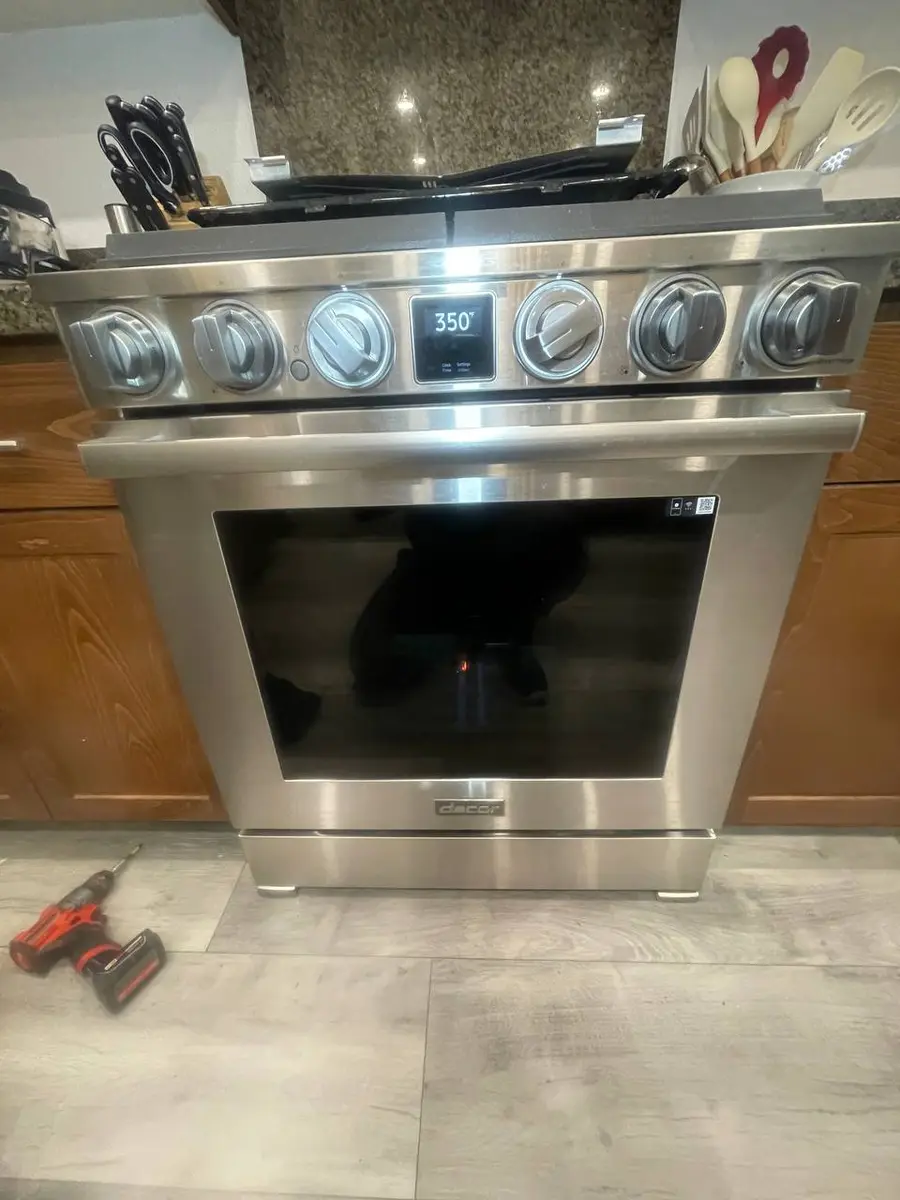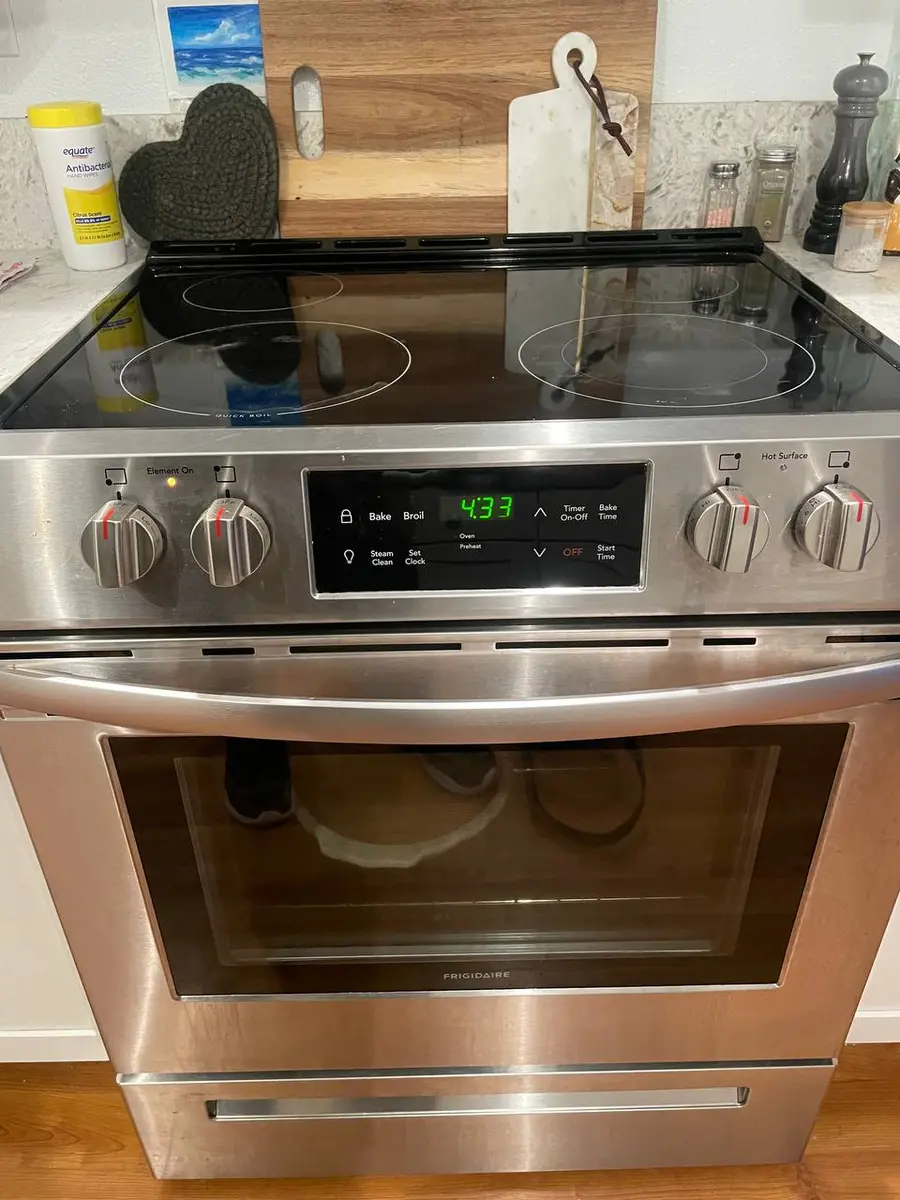
Short answer: an oven averages 13-20 years — one of the longest-lived kitchen appliances — and its failures move from the heating parts early to the electronics and structure late. The igniter or bake element goes first, the control board mid-life, and rust or a gas valve marks the end.
Premium models reach the top of that 13-20 range; budget units land lower. Limiting self-clean cycles to twice a year and inspecting the igniter annually move every stage 2-4 years later — the cheapest way to stretch an oven from 13 years toward 20.
Which oven brands age best?#
| Brand | How it shifts the timeline |
|---|---|
| Wolf | Failures 3-5 years later; commercial-grade igniters and gas valves last longest |
| Thermador | Standard timeline, but the 5-point Star Burner spreads heat stress more evenly |
| Viking | Igniters and control boards fail 1-2 years earlier than Wolf or Thermador |
Do You Have the Right Tools?
Combustion analyzer ($300), igniter tester ($120), temperature calibrator ($150), and gas pressure manometer. Our technician arrives with $3,000+ in professional tools — your diagnostic is free.
Licensed & Insured · 90-Day Warranty · Same-Day Service
The failure timeline, part by part#
| Age | Most likely failure | Frequency |
|---|---|---|
| 0-2 years | Manufacturing defects (warranty) | Rare |
| 2-5 years | Igniter (gas) / bake element (electric) | Very common |
| 3-6 years | Temperature sensor | Common |
| 4-7 years | Door hinges / springs | Common |
| 5-8 years | Broil element | Common |
| 6-10 years | Convection fan motor | Occasional |
| 8-12 years | Control board | Common |
| 10-15 years | Gas valve | Occasional |
| 15-20 years | Chassis / frame rust | Common |
Early years: the heating parts#
The igniter (gas) or bake element (electric) is the very common first failure at 2-5 years. Igniters glow to light the gas and weaken over time, taking longer to ignite or failing outright — a relatively simple repair. The temperature sensor (3-6 years) and door hinges or springs (4-7 years) follow as ordinary wear items, none of them signaling a machine in trouble.
Safety First — Know the Risks
Gas ovens involve live gas lines — a loose connection creates explosion and carbon monoxide risk. Electric ovens run on 240V circuits. Our techs are licensed and insured — let them handle the risk.
Licensed & Insured · 90-Day Warranty · Same-Day Service
Middle years: elements and electronics#
The broil element (5-8 years) and convection fan motor (6-10 years) run through the middle of the timeline, and the control board arrives at 8-12 years. The board is the priciest common repair and is surge-sensitive, so a surge protector is worthwhile. A single mid-life repair is expected and cost-effective; two or more together suggest the oven is aging faster than average.
Late years: gas valve and structure#
The gas valve (10-15 years) is an occasional late fault, and by 15-20 years chassis or frame rust marks true replacement territory. At that point a repair often just uncovers the next failure, and the repair-versus-replace math has firmly tilted toward a new oven with better efficiency.
The Real Cost of DIY
Average DIY attempt: $150-400 in tools you may use once, plus the risk of further damage. Our diagnostic visit costs $0 — we find the problem and give you an honest quote.
Licensed & Insured · 90-Day Warranty · Same-Day Service
What maintenance buys you#
Two habits move the whole timeline 2-4 years later: limiting self-clean cycles to twice a year, since the extreme heat is the fastest way to age elements and controls, and inspecting the igniter annually. Mid-life failures that would land at year 5 often hold off to year 7-8 with proper care, which lifts overall lifespan by roughly 20-30% and carries an oven from 13 years toward 20.
Reading the warning signs#
Ovens telegraph most failures before they leave you with a cold Sunday roast. A gas oven that clicks but is slow to light, or an electric one that heats unevenly, is the igniter or bake element in the early years. Temperatures that read wrong point to the sensor at 3-6 years. A door that will not seal or sits crooked is the hinge or gasket. And a burning-electronics smell or a display gone dark is the control board around 8-12. Catching these at the symptom stage keeps a cheap part from cascading into a bigger repair, and tells you which era of the timeline your oven is really in.
Don't Void Your Warranty
Opening your appliance yourself may void the manufacturer warranty. Our repair comes with a 90-day guarantee, and we document everything for warranty compliance.
Licensed & Insured · 90-Day Warranty · Same-Day Service
Repair or replace?#
- Under 7 years: repair — the oven has plenty of life left.
- 7-14 years: repair if the quote is under 50% of a new unit and it is your first or second major fix.
- 14-20 years: repair simple, in-budget faults only; major parts favor replacement.
- Over 20 years: replace — another failure is likely within a year or two.
Chassis rust is the clearest end-of-life signal; short of it, most oven faults through the early teens are worth fixing. Book a diagnostic to see where your oven sits on the curve.
Lead Appliance Repair Technician · 12 years experience
Experienced technician with 12 years specializing in washing machine and dryer repairs across all major brands.