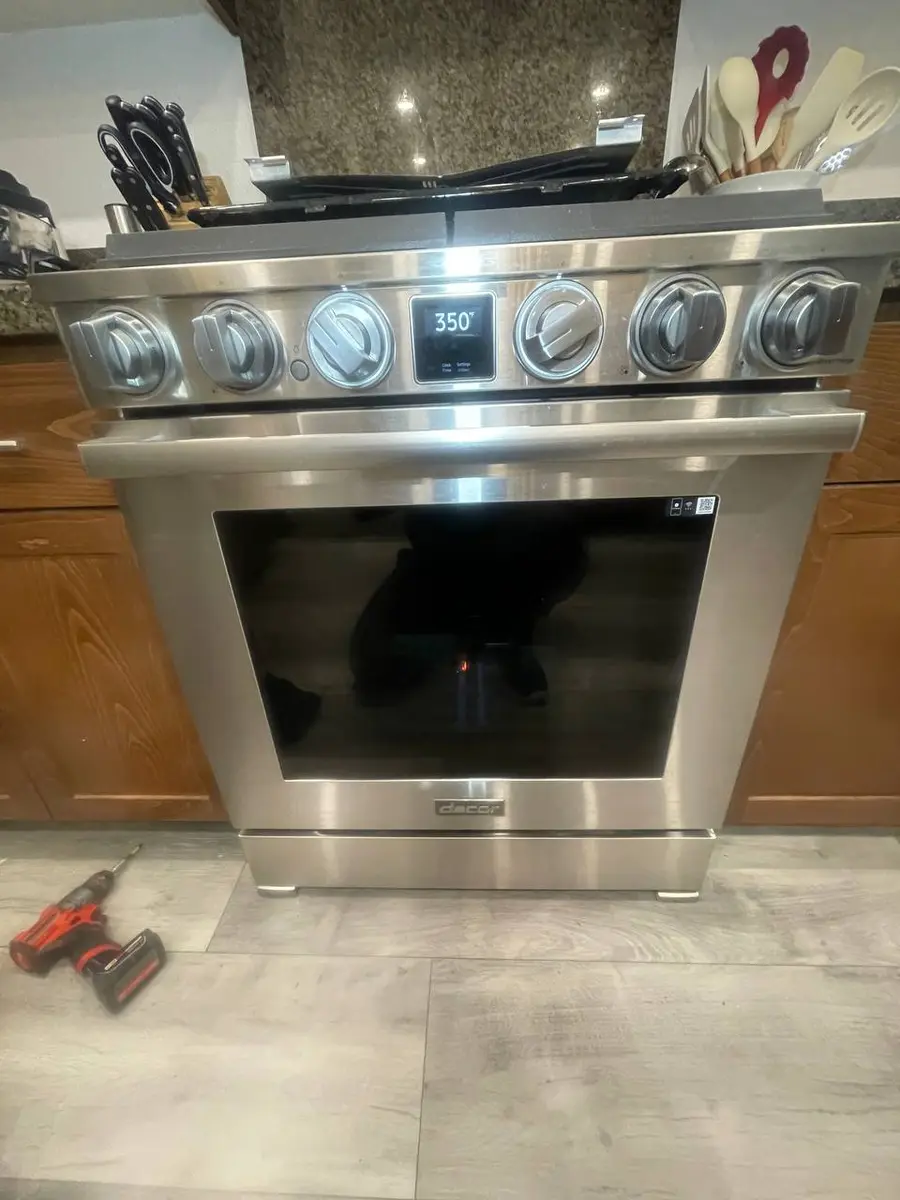
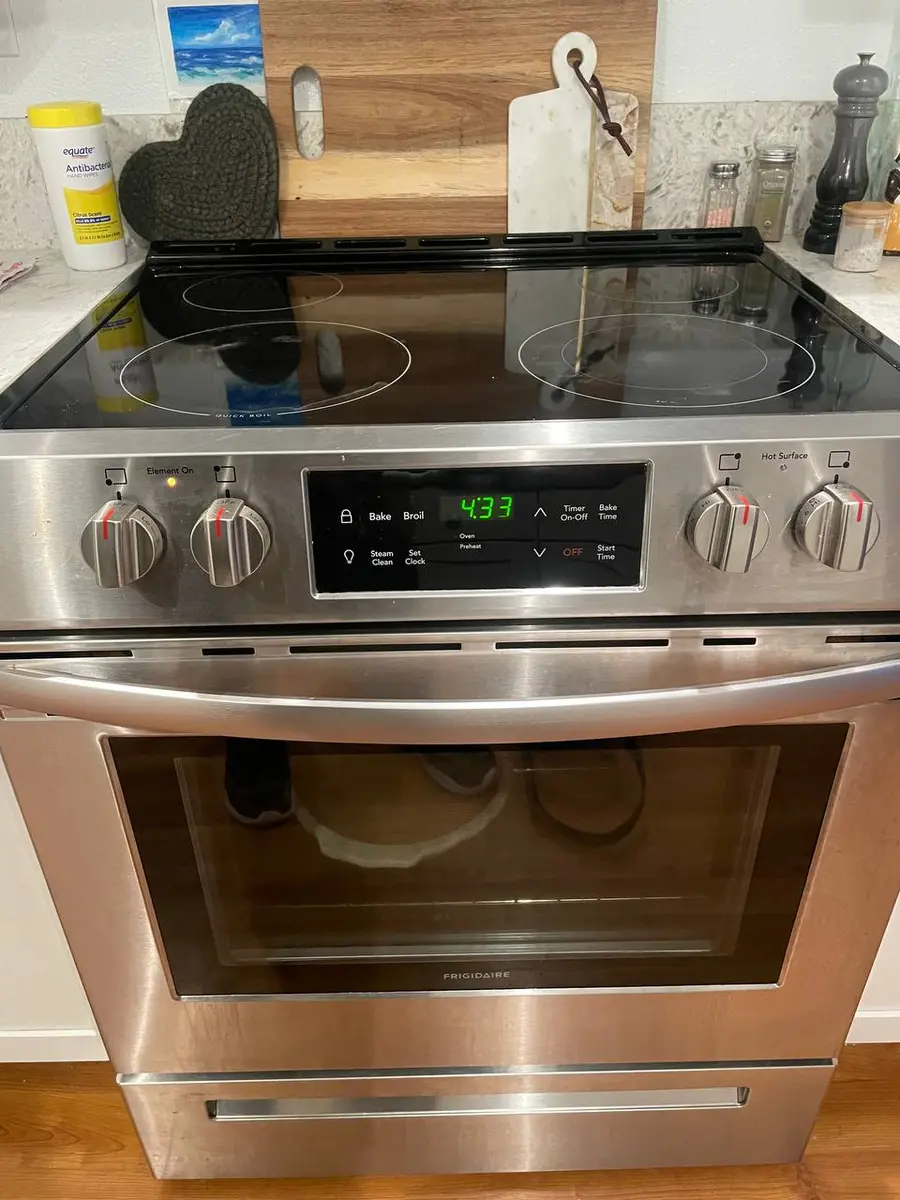
What this LG vs Whirlpool comparison is based on#
Two sets of federal incident reports are counted here: 719 CPSC SaferProducts filings naming a component on an LG oven between 2011 and 2026, and 635 doing the same for a Whirlpool oven across the same window. Each share belongs to its own column's total, and the two records are close enough in size that their rows can be compared as counts rather than only as proportions.
A narrow page, and the narrowness is the point#
Nothing on this page separates the two records by more than 3 points. The igniter is 3 points apart, 4% of the Whirlpool reports against 1% of the LG ones. The heating element is 2 points apart, 4% against 2%. The control board, the wiring or power cord and the thermostat or sensor are each a single point apart, and the motor shows no measured difference at all.
That is a page with no headline, and it is worth publishing as one. Two large oven records that differ by at most 3 points on every component is a real result about how similar these two complaint profiles are, and it is the opposite of what most brand-versus-brand material offers.
Whirlpool leans towards the heat path#
Four of the six compared rows lean Whirlpool, and three of the four are components in or around the heat path: the igniter at 4% against 1%, 23 filings against ten; the heating element at 4% against 2%, 26 filings against thirteen; and the wiring or power cord at 3% against 2%, seventeen against thirteen. The control board adds a point, 6% against 5%, 41 filings against 36.
Whirlpool's column as a whole descends evenly — 6%, 4%, 4%, 3%, 1% — which is the shape of a record whose complaints named a range of components rather than converging on one.
LG leans towards the sensor#
One row runs the other way: the thermostat or sensor at 2% for LG against 1% for Whirlpool, twelve filings against seven.
That is a single point and would not be worth a section on its own, except that it changes the shape of the LG column. LG's second, third and fourth places are the heating element, the wiring or power cord and the thermostat or sensor, at thirteen, thirteen and twelve filings — three components of essentially equal weight below a control board at 5%.
So LG's record has a leader and then a three-way tie in which a temperature sensor is a full member. Whirlpool's has a leader and then an ordered descent in which the sensor is last. That structural difference survives even though the individual gap producing it is one point.
The igniter, and why it sits apart#
The widest row here is also the one least likely to be about the brands. An igniter exists only in a gas oven, so the size of an igniter row depends on the proportion of gas models behind each record.
Neither of these records reports its fuel mix. That means the 3-point gap — 23 Whirlpool filings against ten LG ones — cannot be separated into a difference between the two brands and a difference between the two collections of reports. It is flagged here rather than counted as a finding.
The bottoms of both columns#
Both tails end in single filings. LG's motor row is three reports at 0%; Whirlpool's motor row is one, and it also carries a drive belt at 0% on a single filing. A drive belt is not a meaningful part of a modern oven — the row exists because component categories are assigned from the words in self-filed reports. Rows of one filing are the edge of the classification.
Reading the pair together#
For a technician these two columns are close to interchangeable: the control board first on either brand, then the heat path and the wiring, with the thermostat sitting a little higher on the LG side. Where a comparison this narrow helps is in ruling something out — neither record supports the idea that one of these brands concentrates its reported trouble somewhere the other does not. Neither is a failure rate, because neither counts ovens.
LG vs Whirlpool ovens: what the reports mention#
Both columns are shares of their own corpus, and the corpora differ in size. LG: CPSC SaferProducts incident reports for LG ovens, 2011-2026, n=719. Whirlpool: CPSC SaferProducts incident reports for Whirlpool ovens, 2011-2026, n=635. A difference no larger than one report on either side is marked "within one-report noise".
| Component mentioned | LG | Whirlpool | Difference |
|---|---|---|---|
| Igniter | 1% (10 of 719) | 4% (23 of 635) | 3 points more often for Whirlpool |
| Heating Element | 2% (13 of 719) | 4% (26 of 635) | 2 points more often for Whirlpool |
| Control Board | 5% (36 of 719) | 6% (41 of 635) | 1 point more often for Whirlpool |
| Thermostat or Sensor | 2% (12 of 719) | 1% (7 of 635) | 1 point more often for LG |
| Wiring or Power Cord | 2% (13 of 719) | 3% (17 of 635) | 1 point more often for Whirlpool |
| Motor | 0% (3 of 719) | 0% (1 of 635) | no measured difference (within one-report noise) |
About the corpus: these are CPSC SaferProducts reports — incidents someone chose to report, not units sold — so the shares on this page are shares of the reports and never a failure rate. The corpus is weighted toward safety events: 12,007 of its 20,581 records (58%) are fire, smoke, burn or melt reports, which over-represents the components that burn and under-represents the ones that merely stop working.
Do You Have the Right Tools?
Combustion analyzer ($300), igniter tester ($120), temperature calibrator ($150), and gas pressure manometer. Our technician arrives with $3,000+ in professional tools — your diagnostic is free.
Licensed & Insured · 90-Day Warranty · Same-Day Service
LG ovens: the reported component split#
LG ovens — every share in this table is a share of: CPSC SaferProducts incident reports for LG ovens, 2011-2026, n=719.
| Component mentioned | Share of reports | Reports |
|---|---|---|
| Control Board | 5% | 36 of 719 |
| Heating Element | 2% | 13 of 719 |
| Wiring or Power Cord | 2% | 13 of 719 |
| Thermostat or Sensor | 2% | 12 of 719 |
| Igniter | 1% | 10 of 719 |
| Motor | 0% | 3 of 719 |
Shares of reports, not failure rates — see the corpus note above.
Whirlpool ovens: the reported component split#
Whirlpool ovens — every share in this table is a share of: CPSC SaferProducts incident reports for Whirlpool ovens, 2011-2026, n=635.
| Component mentioned | Share of reports | Reports |
|---|---|---|
| Control Board | 6% | 41 of 635 |
| Heating Element | 4% | 26 of 635 |
| Igniter | 4% | 23 of 635 |
| Wiring or Power Cord | 3% | 17 of 635 |
| Thermostat or Sensor | 1% | 7 of 635 |
| Drive Belt | 0% | 1 of 635 |
| Motor | 0% | 1 of 635 |
Shares of reports, not failure rates — see the corpus note above.
Safety First — Know the Risks
Gas ovens involve live gas lines — a loose connection creates explosion and carbon monoxide risk. Electric ovens run on 240V circuits. Our techs are licensed and insured — let them handle the risk.
Licensed & Insured · 90-Day Warranty · Same-Day Service
How to use these numbers#
What this comparison can settle: which components the reported incidents of each brand actually concentrate on, for this appliance. What it cannot settle: which brand fails more often. That would need units sold, and no public source states it. Use the component split to plan for the repair each brand is most reported for, not to rank the two.
Appliance Repair Technician · 8 years experience
Experienced technician with 8 years specializing in dishwasher repairs and European appliance brands including Bosch and Thermador.