Quick Answer: Why Your Kenmore Isn't Drying Dishes#
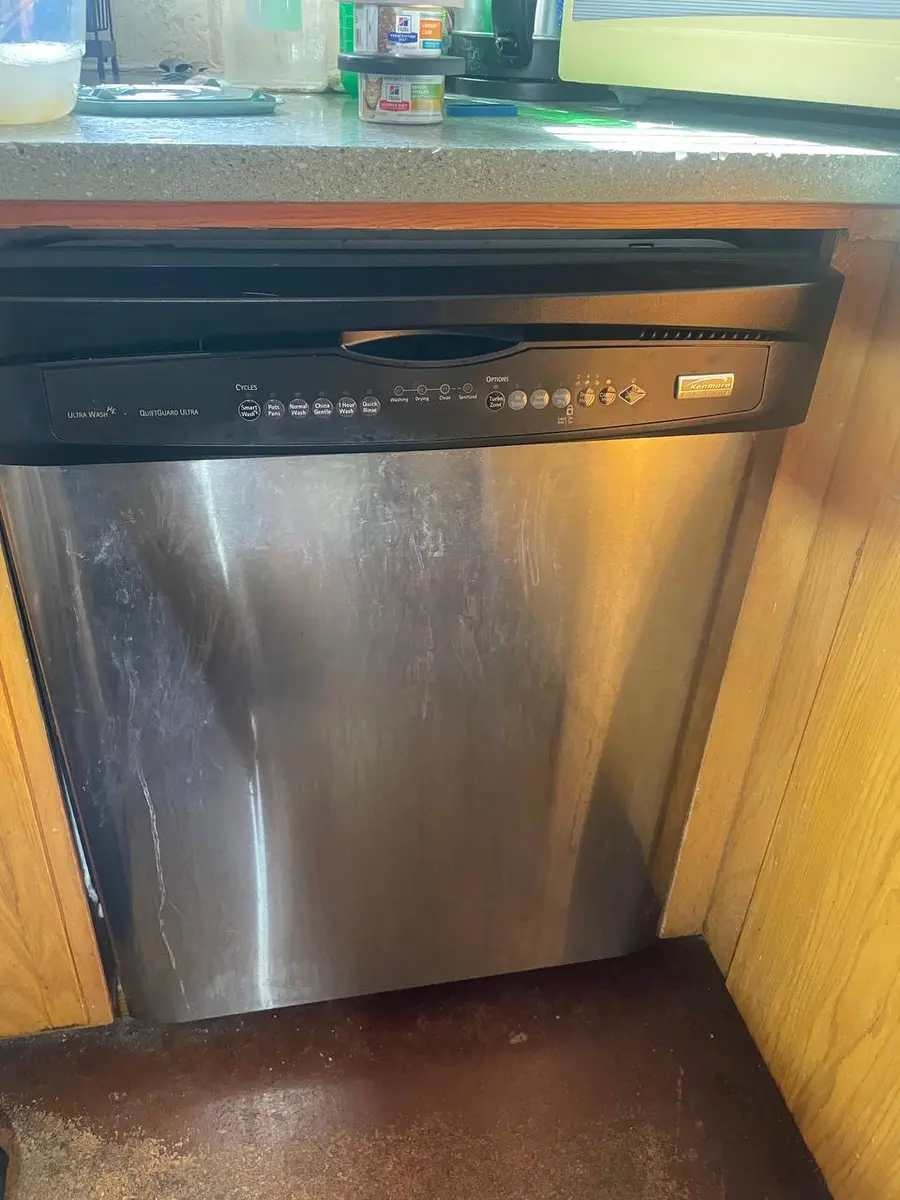
Most likely: the fix depends entirely on which Kenmore you have, because the brand is built on several different platforms that dry in completely different ways. A Whirlpool-built 665 model uses an exposed heating element for a heated-dry phase, and wet dishes there usually mean a burned-out element. An LG-built 630 model has no dry-phase element at all — it dries by condensation off a hot final rinse onto a cool stainless tub — so its failures are a rinse that never gets hot enough or an empty rinse-aid dispenser. Read your model prefix before you troubleshoot, because a tip that fixes one platform is useless on the other.
Likely Causes at a Glance#
| Cause | Platform | Likelihood |
|---|---|---|
| Heating element burned out | Whirlpool 665 (heated dry) | 45% |
| Rinse water not hot enough | LG 630 (condensation) | 50% |
| Dry-phase vent not opening | Whirlpool 665 | 15% |
| Empty or non-dispensing rinse aid | LG 630 (and all) | cuts drying 40-60% |
| Plastic tub or plastics loaded | any | inherent, not a fault |
Do You Have the Right Tools?
Water pressure gauge ($60), spray arm tester, float switch multimeter ($85), and drain inspection camera. Our technician arrives with $3,000+ in professional tools — your diagnostic is free.
Licensed & Insured · 90-Day Warranty · Same-Day Service
Walking Through the Diagnosis#
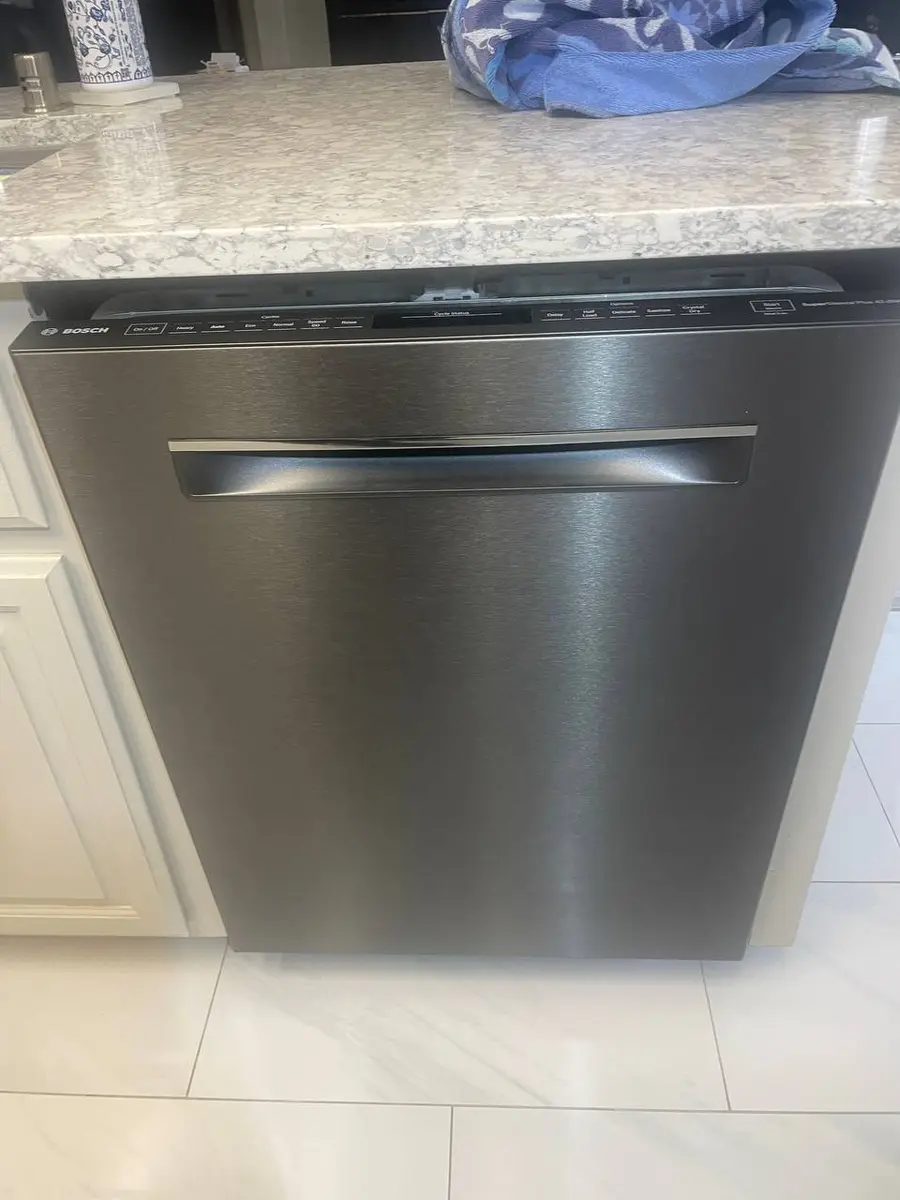
First name your platform from the model number: a 665 prefix is the Whirlpool heated-dry design, a 630 prefix is the LG condensation design, and select Kenmore Elite units run the Bosch zeolite-crystal system. That one fact tells you which half of this to read.
On a Whirlpool 665, the exposed calrod element at the tub floor both boosts wash temperature and drives the heated-dry phase, so if it burns out you get poor drying and cooler washes together. Disconnect power, reach the two element terminals through the kick panel, and meter it — a good element reads roughly 15 to 30 ohms, and an open (infinite) reading means it is done. Before condemning it, confirm the Heated Dry option is actually selected (its light must be on, since many models skip drying otherwise) and check that the door-top vent flap opens during the dry phase; a failed vent wax motor traps the moist air with nowhere to go.
On an LG 630, there is no dry-phase element to blame — condensation drying needs the dishes hotter than the tub. If the final rinse is not reaching roughly 160°F to 170°F, the dishes never store enough heat to evaporate, usually because a thermistor is misreading or scale is insulating the concealed heater beneath the sump. Rinse aid is not optional here: it sheets water off the dishes, and an empty dispenser can cut drying effectiveness by 40 to 60%, so check the level first. Remember two non-faults on any platform — plastics simply hold too little heat to dry well, and a plastic interior tub never cools enough for strong condensation, which is a technique problem (max-temperature rinse, crack the door after the cycle), not a repair.
Repair or Replace? The Short Version#
The most common real fixes — a heating element on a 665, a thermistor or a rinse-aid refill on a 630 — are inexpensive and clearly worth doing on a Kenmore that still washes. Many "not drying" calls are not failures at all: on a heated-dry model, try maximum rinse aid before replacing the element, since water beading instead of sheeting off is a rinse-aid shortage masquerading as a dead element. If a 630's rinse genuinely will not heat, or a 665's element reads open, have it confirmed rather than guessing across platforms — book a repair.
Safety First — Know the Risks
Live 120V wiring in a wet environment is one of the most dangerous DIY scenarios. Water + electricity = serious shock risk. Our techs are licensed and insured — let them handle the risk.
Licensed & Insured · 90-Day Warranty · Same-Day Service
Frequently Asked Questions#
How do I tell which drying system my Kenmore uses?#
Check the model prefix: 665 is the Whirlpool heated-dry design with an exposed element, 630 is the LG condensation design with no dry-phase element, and some Kenmore Elite units use the Bosch zeolite-crystal system. The prefix decides which repair path applies.
Why won't my LG-platform (630) Kenmore dry even though it washes fine?#
Condensation drying needs a hot final rinse and dry dishes sheeting water off. If the rinse is not hitting roughly 160°F to 170°F, or the rinse-aid dispenser is empty — which can cut drying 40 to 60% — dishes stay wet. Refill rinse aid first, then check the rinse temperature.
My 665 Kenmore leaves everything wet — is the element dead?#
Possibly, but confirm the basics first: make sure Heated Dry is actually selected and the door vent opens during drying. Then meter the element through the kick panel — around 15 to 30 ohms is good, and an open reading means it burned out.
Why are only my plastics still wet?#
That is usually inherent, not a fault. Plastic holds far less heat than glass or ceramic, so it does not evaporate its surface water during the dry phase. Load plastics on the top rack, use rinse aid, and expect them to need a quick towel regardless of platform.
Appliance Repair Technician · 11 years experience
Experienced technician with 11 years specializing in Frigidaire and Electrolux refrigerator and dryer repair with a focus on safety.