Kenmore Dishwasher Not Cleaning Properly: Causes
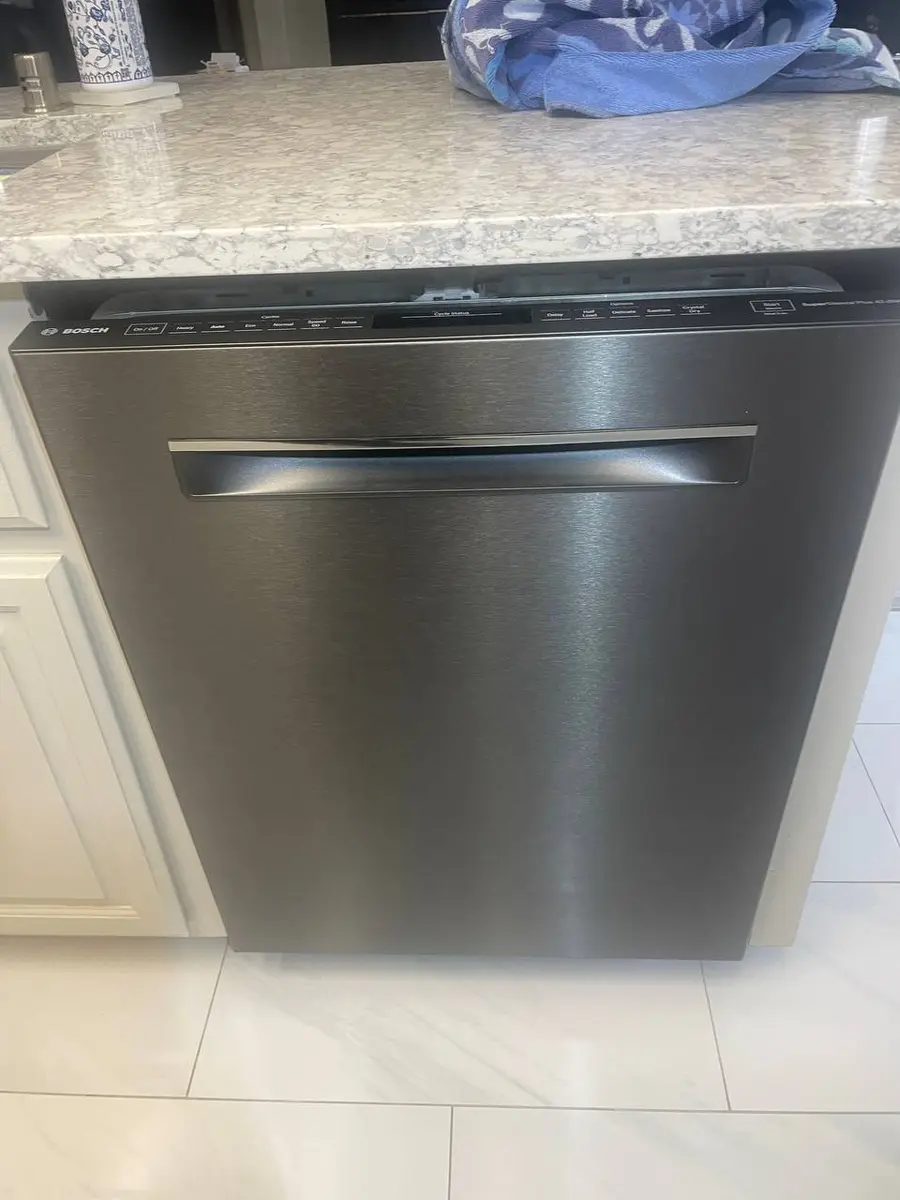
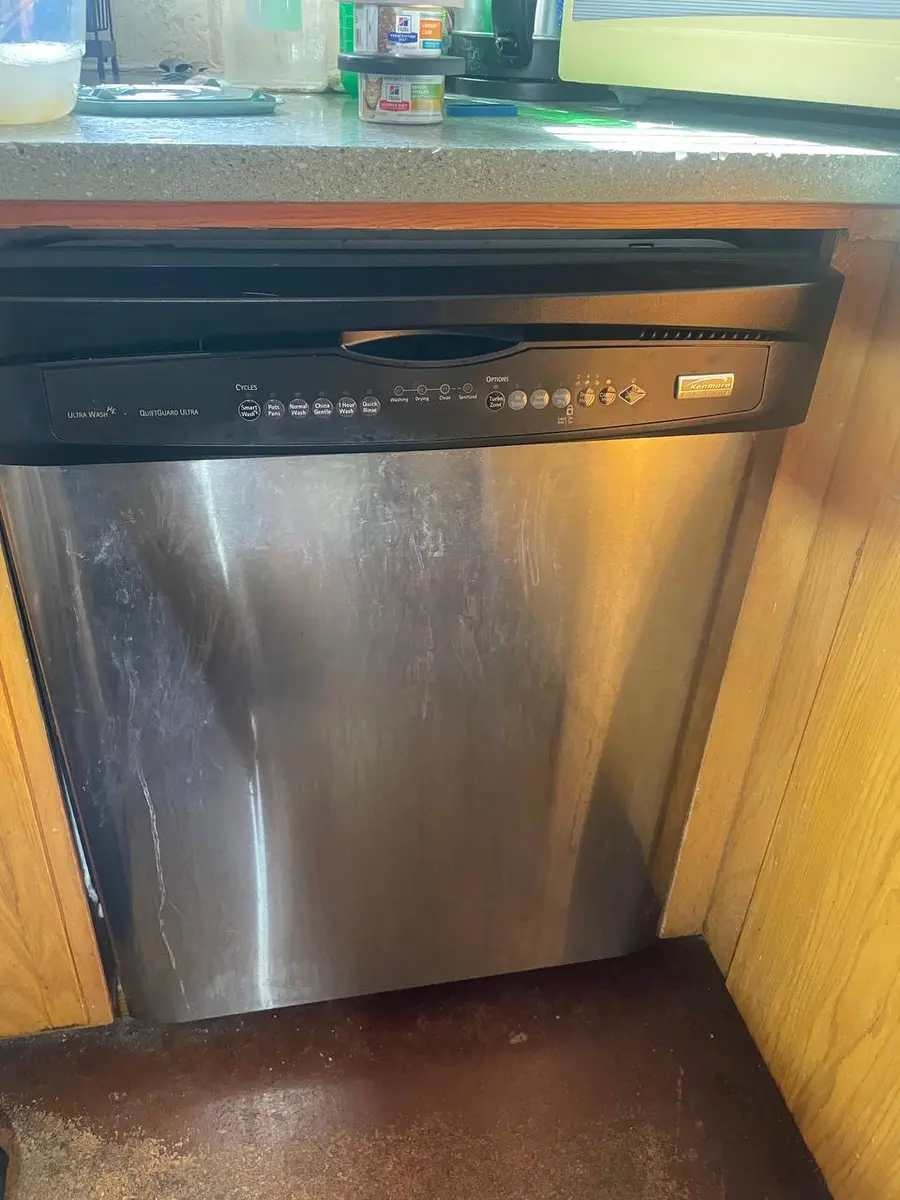
Because Kenmore rebrands three different machines, the poor-cleaning fix depends on which you own — a Whirlpool 665 with a food disposer, an LG 630 with a manual-clean filter, or a Bosch-built Elite with a self-cleaning filter. Across the platforms, a clogged filter is the top cause, then blocked spray arms and water…
Identify who built yours#
- Whirlpool 665: two spray arms and a food disposer that grinds particles — no user filter to clean, but the chopper blade dulls over years.
- LG 630: multi-directional spray plus a manual-clean cylindrical filter basket in the tub floor — that filter is the number-one cleaning culprit.
- Kenmore Elite (Bosch): three spray levels and a self-cleaning fine-mesh filter that needs attention less often.
Do You Have the Right Tools?
Water pressure gauge ($60), spray arm tester, float switch multimeter ($85), and drain inspection camera. Our technician arrives with $3,000+ in professional tools — your diagnostic is free.
Licensed & Insured · 90-Day Warranty · Same-Day Service
The most common causes, ranked#
| Cause | What's happening | How common |
|---|---|---|
| Clogged manual filter (LG 630, Bosch) | A packed filter chokes spray pressure and recirculates soil | 40% of cases |
| Spray-arm blockage or wear (all) | Scaled nozzles leave dead zones with no water contact | 25% of cases |
| Low incoming water temperature (all) | Below 120°F (49°C) detergent won't dissolve or activate | 20% of cases |
| Weak circulation pump (Whirlpool 665) | An aging pump sprays but without cleaning force | 15% of cases |
| Detergent dispenser not opening (all) | The tab is left in the cup, so the main wash runs bare | 10% of cases |
Filter (start here on 630/Elite): on the LG platform the filter is a cylindrical basket in the center of the tub floor that lifts out with a quarter-twist — rinse the coarse and fine screens under running water, brush the mesh, and check for tears that let food recirculate. Daily-load households do better cleaning it weekly than monthly. On the Whirlpool 665 there's no user filter because the disposer handles food, but its chopper blade dulls after several years and stops processing particles.
Spray arms and temperature: pull each arm — the 665 lower arm snaps off a ring, the 630 lower arm unscrews from a center post — hold it to the light, clear blocked nozzles with a toothpick, and soak off scale in vinegar. And detergent needs at least 120°F (49°C) to work, so if the machine sits far from the heater or your water heater runs cool, water can arrive near 90°F and leave grease behind; run the kitchen hot tap before starting so the fill is already hot.
Pump and dispenser: on a 665, an aging circulation pump still sprays but with too little force, and the tell is a lower rack that cleans while the upper rack doesn't. And on any platform, a tab left sitting in the dispenser cup after the cycle means the wax motor or bi-metal actuator that opens the door has failed.
Load it so it can clean#
- Don't let a big item on the bottom rack block the arm — a rhythmic knock means it's hitting something.
- Don't nest spoons and forks; water can't reach the inner faces.
- Don't overload the upper rack so it sags into the arm's path.
- Scrape but don't pre-rinse to spotless — modern detergent needs some soil to work against.
Safety First — Know the Risks
Live 120V wiring in a wet environment is one of the most dangerous DIY scenarios. Water + electricity = serious shock risk. Our techs are licensed and insured — let them handle the risk.
Licensed & Insured · 90-Day Warranty · Same-Day Service
Repair or replace?#
Filter cleaning, spray-arm clearing, and running the hot tap are free, so a Kenmore that won't clean is almost always worth keeping — especially under 8 to 10 years old. Only a weak circulation pump or a failed dispenser motor is a parts job; a diagnostic visit confirms which, and hard-water areas benefit from a monthly citric-acid cleaner to keep the nozzles open.
Frequently asked questions#
How do I know which company built my Kenmore dishwasher?#
Look at the model prefix: a 665 is Whirlpool-built with a food disposer and no manual filter, a 630 is LG-built with a cylindrical manual-clean filter, and a Kenmore Elite is Bosch-built with a self-cleaning fine-mesh filter. Knowing the platform tells you whether there's a filter to clean and how the spray arms come off.
My Kenmore dishwasher leaves grease on everything — why?#
Grease points to water that's too cool, since detergent needs at least 120°F to dissolve and activate. Run the kitchen hot tap until it's hot before starting so the machine fills with pre-heated water, and confirm your water heater is set high enough; a long pipe run can also let the water cool before it arrives.
Only my Kenmore's bottom rack gets clean — what's wrong?#
On a Whirlpool 665 platform that pattern usually means a weakening circulation pump: it still sprays the lower arm nearest the pump but can't push enough force to the upper arm. First rule out a blocked or scaled upper spray arm, and if the arm is clear and spins freely, the pump is the likely cause.
Appliance Repair Technician · 11 years experience
Experienced technician with 11 years specializing in Frigidaire and Electrolux refrigerator and dryer repair with a focus on safety.