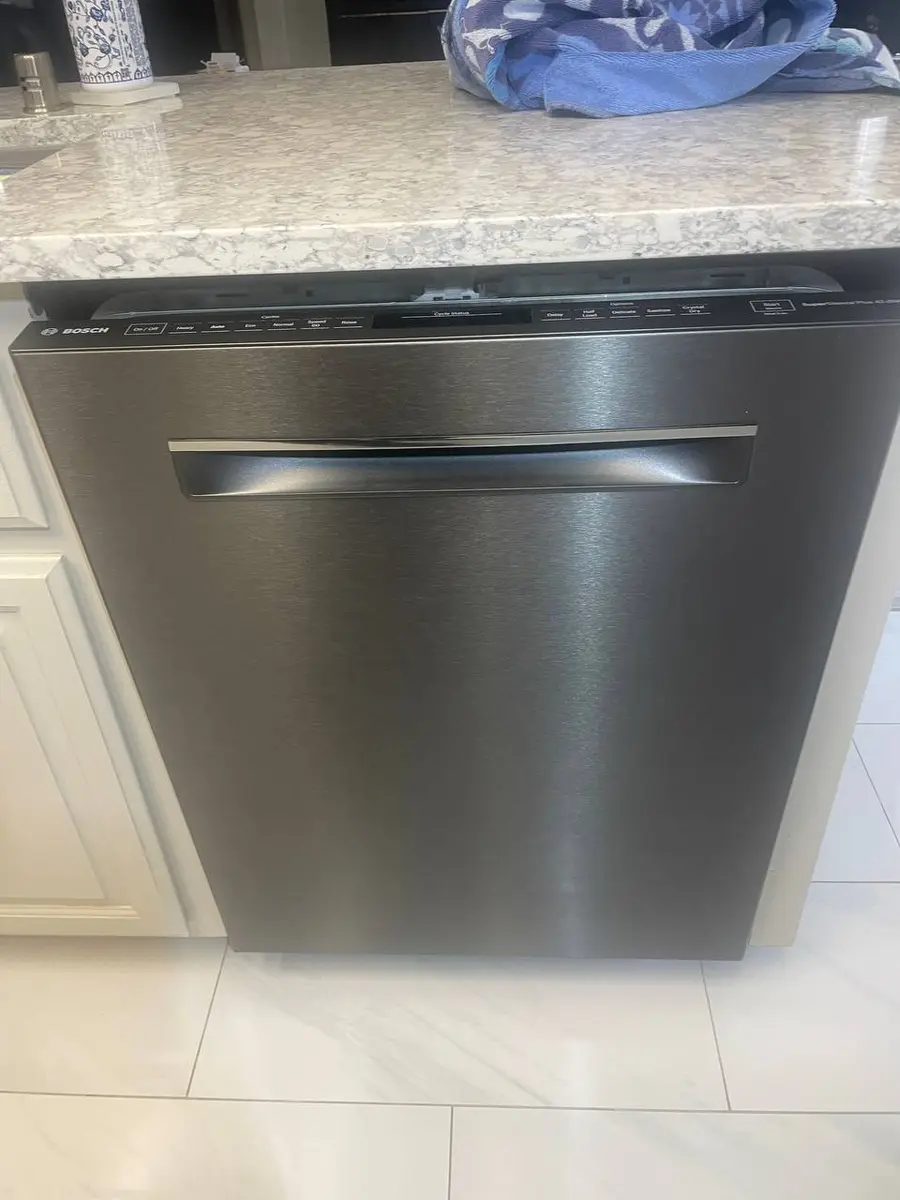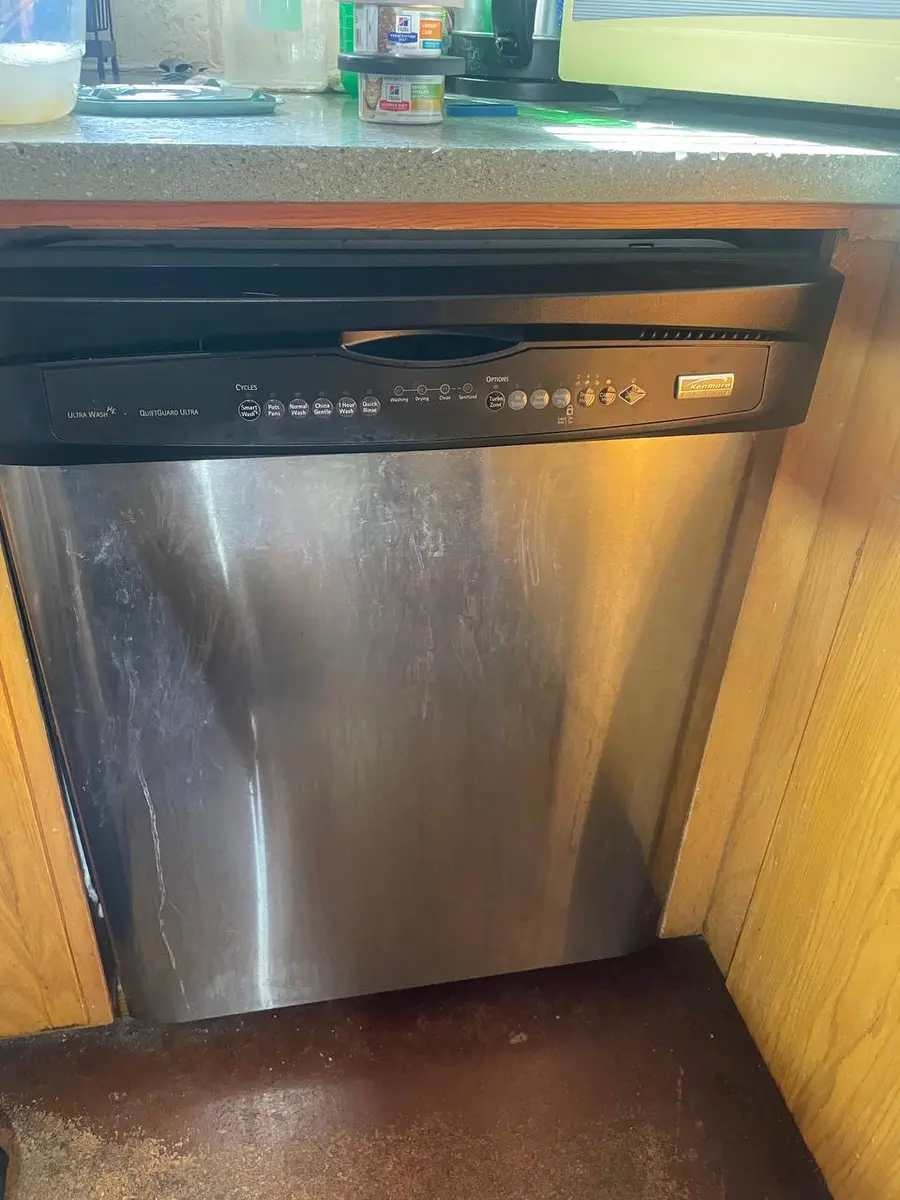
Short answer: A seven-year-old [dishwasher](/blog/repair-or-replace-dishwasher) sits right at the middle of its 9-13 year life, so weigh each repair on its own. Inexpensive faults are almost always worth fixing; for a costly one, compare the bill to 40% of a new machine before you decide.
Seven years puts a dishwasher in an in-between zone — well past the worry-free early stretch, but nowhere near the end. That is exactly why a blanket rule fails here and a fault-by-fault view works better.
Mid-life, with room to run#
A typical dishwasher delivers 9-13 years of service, and premium lines from Miele, Bosch, and Thermador stretch further. At seven, a well-maintained machine has a few good years left — enough that a sensible repair pays for itself, but not so many that any repair at any price makes sense. The balance point is what the numbers below capture.
Verdict by repair size#
| Repair | Verdict at 7 years |
|---|---|
| Cheap (seal, latch, valve) | Repair |
| Moderate (pump, spray-arm motor) | Repair |
| Major (control board, cascade) | Weigh it against 40% of new |
The cost line at seven years#
Start from the 50% rule — replace once a repair tops half a new machine — and tighten it to 40% for the big jobs, since you are past the midpoint and every dollar has fewer cycles to earn back. Cheap and moderate fixes never approach that line and are simply worth doing.
| Repair vs a new dishwasher | Call |
|---|---|
| Under 40% of new | Repair it |
| 40% or more of new | Lean toward replacement |
What tends to fail at seven#
By this age the usual failures are spray-arm motors, drain pumps, and door latches, with control boards an occasional casualty of a power surge. Bearings may begin to whine and seals or gaskets can need attention. Most of these are moderate, self-contained repairs rather than reasons to retire an otherwise healthy machine.
Efficiency versus the hidden costs#
A new dishwasher runs roughly 10-20% more efficiently, which counts for something on your water and power bills. Set against that, though, are the costs a sticker never shows: delivery, installation, disposal of the old unit, and possible cabinet or plumbing adjustments. On a machine with years of life left, those extras usually outweigh the modest efficiency gain.
Maintenance that stretches the years#
Simple upkeep keeps a mid-life dishwasher healthy. Clean the filter trap monthly, run a vinegar descale to clear mineral buildup, check the spray-arm nozzles for clogs, and wipe the door gasket so mold never sets in. Most early failures trace straight back to neglect of these basics.
What replacement really costs#
Trading a seven-year-old dishwasher for a new one looks tidy on paper but carries costs the sticker hides. There is delivery to schedule, the old machine to disconnect and haul away, the water and drain lines to reconnect, and sometimes a cabinet panel to trim so the new unit fits the opening. Add the hours involved and a new control layout to learn, and a mid-life dishwasher worth keeping starts to look like the easy choice. A targeted repair, by contrast, wraps up in a single visit and leaves your kitchen exactly as it was. Unless a major fault clears the 40% line or the machine has a history of breakdowns, that comparison favors the fix — a capable dishwasher with years left is rarely worth retiring early over a single repairable part.
When replacement makes sense at seven#
Point toward a new machine only when a major fault clears the 40% line, or when the dishwasher has already needed several repairs — a run of failures usually signals more coming rather than a single unlucky break. Short of that, a targeted fix keeps a capable dishwasher earning its place in the kitchen for years more.
Appliance Repair Technician · 11 years experience
Experienced technician with 11 years specializing in Frigidaire and Electrolux refrigerator and dryer repair with a focus on safety.