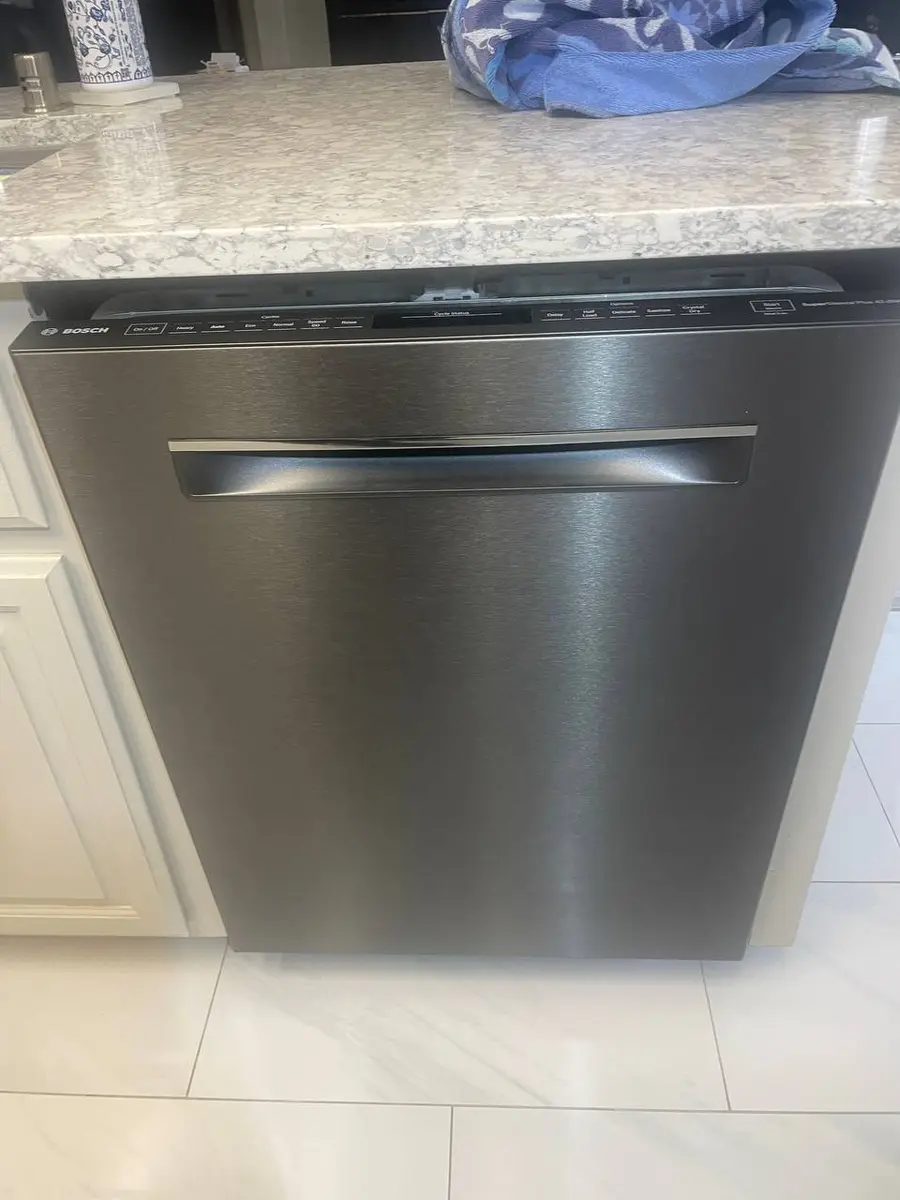
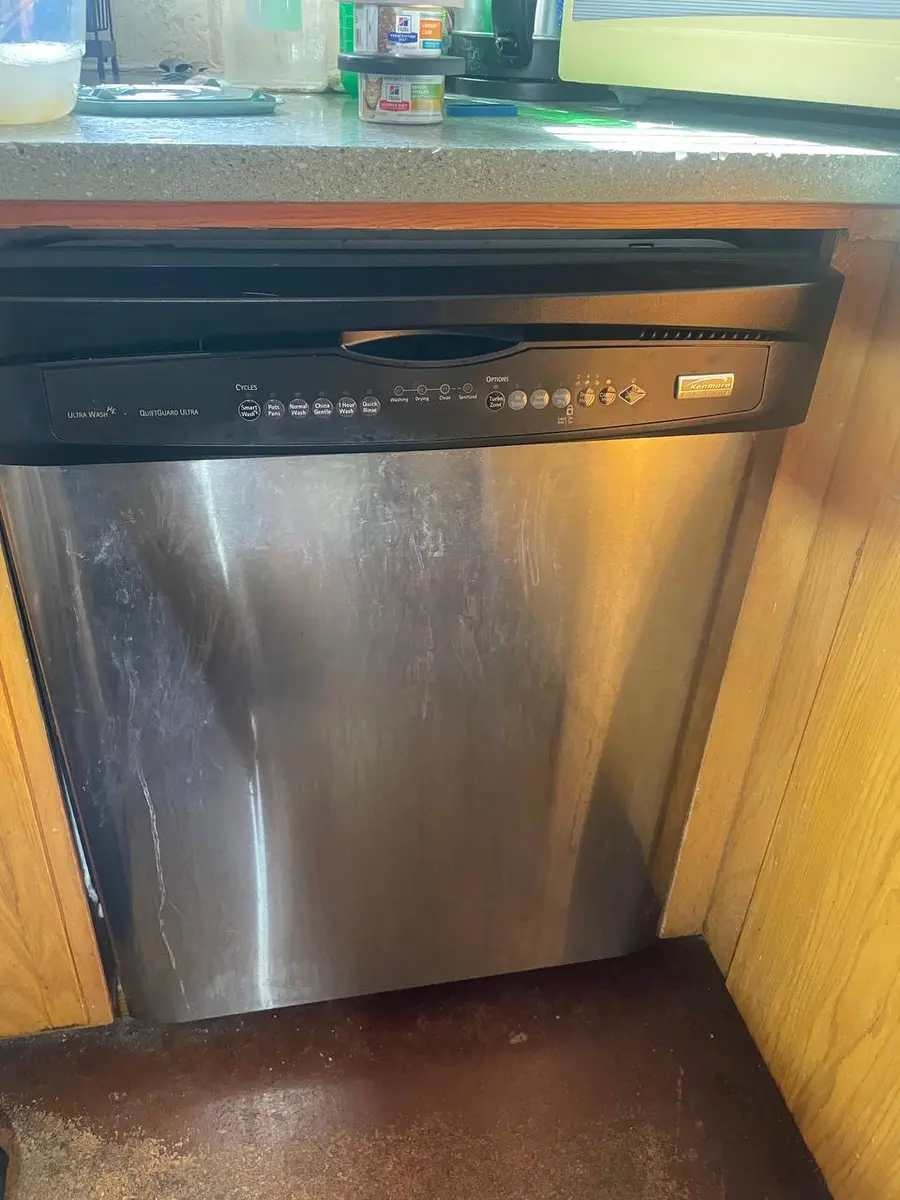
Whirlpool is the largest appliance manufacturer in North America, and their dishwashers are found in millions of homes. Models like the WDT750SAKZ, WDF520PADM, and the newer WDP540HAMZ are workhorses, but they develop predictable issues as they age. The good news is that most Whirlpool dishwasher problems follow clear patterns, and many can be resolved without a service call.
Here are the most common Whirlpool dishwasher problems, their root causes, and what you can do about each one.
Not Cleaning Dishes Properly#
The Problem: Dishes come out with food residue, film, or spots despite running a full cycle. This is the number one complaint from Whirlpool dishwasher owners.
Common Causes:
- Clogged spray arm nozzles reducing water pressure
- Dirty or blocked filter assembly (lower and fine filter)
- Water temperature too low (below 120 degrees F at the tap)
- Incorrect loading blocking spray arm rotation
- Worn wash impeller not generating adequate pressure
How to Fix It:
- Remove both spray arms and hold them under running water. Use a toothpick to clear each nozzle of mineral deposits or food particles
- Pull out the filter assembly from the tub floor. Rinse under warm water and scrub with a soft brush. Whirlpool recommends cleaning the filter monthly
- Run your kitchen hot water faucet for 2 minutes before starting the dishwasher so hot water reaches the unit immediately
- Load dishes so they do not block the center spray arm post or the upper arm rotation path
- Run a hot cycle with 2 cups of white vinegar in a bowl on the top rack to dissolve mineral buildup
Estimated Repair Cost: $0 for maintenance; $120-$200 if wash motor or impeller needs replacement.
Do You Have the Right Tools?
Water pressure gauge ($60), spray arm tester, float switch multimeter ($85), and drain inspection camera. Our technician arrives with $3,000+ in professional tools — your diagnostic is free.
Licensed & Insured · 90-Day Warranty · Same-Day Service
Not Draining Completely#
The Problem: Standing water remains in the bottom of the tub after the cycle ends. You may notice a stale odor developing between uses.
Common Causes:
- Food debris clogging the drain path or check valve
- Drain hose not properly elevated (needs a high loop or air gap)
- Failed drain pump
- Garbage disposal knockout plug still in place (new installations)
- Kinked drain hose behind the dishwasher
How to Fix It:
- Clean the filter and check valve assembly at the bottom of the tub
- Pull the dishwasher forward slightly and verify the drain hose reaches at least counter height before descending to the drain connection. This high loop prevents backflow
- Check the garbage disposal inlet for blockage
- Listen during the drain cycle. If you hear the pump humming but water is not moving, the pump impeller may be broken. If you hear nothing, the pump motor has likely failed
Estimated Repair Cost: $0 for drain hose adjustment; $150-$260 for drain pump replacement.
Leaking Water#
The Problem: Water appears on the floor in front of or beneath the dishwasher. Leaks can range from a small puddle to significant water damage.
Common Causes:
- Worn or compressed door gasket (most frequent leak source)
- Cracked or loose hose clamp on supply or drain connections
- Damaged door hinge allowing the door to drop below the seal line
- Overuse of liquid detergent creating excessive suds that push past the door seal
- Failed tub seal at the motor shaft
How to Fix It:
- Inspect the door gasket by running your finger along its entire length. Feel for tears, hardened sections, or areas that have pulled away from the channel
- Check under the unit by removing the kick plate. Look for drips at hose connections and the motor shaft seal
- Switch to dishwasher pods or powder detergent instead of liquid. Excess suds from the wrong detergent are a surprisingly common leak cause
- If water is leaking from the bottom of the door specifically, the door latch, springs, or hinges may need adjustment so the door meets the gasket evenly
Estimated Repair Cost: varies by model and region for gasket replacement; varies by model and region for pump seal or tub seal.
Safety First — Know the Risks
Live 120V wiring in a wet environment is one of the most dangerous DIY scenarios. Water + electricity = serious shock risk. Our techs are licensed and insured — let them handle the risk.
Licensed & Insured · 90-Day Warranty · Same-Day Service
Error Code F2-E2 — Stuck Button#
What It Means: The control detects a button on the keypad has been pressed continuously for too long.
How to Fix It: Clean the control panel surface with a damp cloth and press each button firmly to free any stuck contacts. If the error persists, unplug the unit for 5 minutes. Persistent F2-E2 usually means the touchpad membrane is deteriorating and needs replacement (varies by model and region).
Error Code F6-E4 — Water Flow Issue#
What It Means: Insufficient water is reaching the dishwasher during the fill cycle.
How to Fix It: Check the supply valve under the sink, inspect the inlet screen for mineral clogging, and verify household water pressure is above 20 PSI. If all check out, replace the inlet valve (varies by model and region).
The Real Cost of DIY
Average DIY attempt: $150-400 in tools you may use once, plus the risk of further damage. Our diagnostic visit costs $0 — we find the problem and give you an honest quote.
Licensed & Insured · 90-Day Warranty · Same-Day Service
Error Code F8-E4 — Supply Not Connected#
What It Means: The dishwasher detects no water entering during fill. Similar to F6-E4 but more severe, indicating a complete absence of water flow.
How to Fix It: Confirm the supply valve is open and the supply hose is not kinked. This code can also appear after a plumbing repair if the valve was accidentally left closed. If the valve is open and water flows freely when the hose is disconnected, the inlet valve assembly needs replacement.
Noisy Operation#
The Problem: Grinding, buzzing, or knocking sounds during cycles that were not present when the dishwasher was new.
Common Causes:
- Food debris caught in the chopper blade or wash impeller
- Worn wash motor bearings (grinding sound)
- Loose spray arm hitting dishes or racks (knocking)
- Drain pump working against a partial clog (buzzing)
How to Fix It:
- Clean the chopper area and sump assembly thoroughly
- Ensure spray arms spin freely and are not contacting loaded dishes
- A continuous grinding noise during the wash cycle typically indicates worn motor bearings, which requires motor replacement
- Intermittent buzzing during draining suggests a partial drain clog worth clearing
Estimated Repair Cost: $0 for cleaning; $200-$350 for wash motor replacement.
Don't Void Your Warranty
Opening your appliance yourself may void the manufacturer warranty. Our repair comes with a 90-day guarantee, and we document everything for warranty compliance.
Licensed & Insured · 90-Day Warranty · Same-Day Service
When to Call a Professional#
Most Whirlpool dishwasher problems related to cleaning, draining, and basic maintenance can be handled at home. However, you should call a technician for persistent error codes after a reset, any water leak you cannot locate, grinding noises from the motor, and any issue involving electrical components or the control board.
EasyBear technicians work on all Whirlpool dishwasher models and carry common replacement parts for same-visit repairs. Our diagnostic visit is free.
Frequently Asked Questions#
Q: Where is the filter on my Whirlpool dishwasher? A: The filter is located at the bottom center of the dishwasher tub. Turn the upper filter counterclockwise to unlock it, then pull the entire assembly straight up. The lower filter lifts out separately.
Q: How often should I clean my Whirlpool dishwasher filter? A: Whirlpool recommends monthly filter cleaning. If you pre-rinse dishes lightly, every 6-8 weeks may suffice. If you load dishes without rinsing, clean it every 2 weeks.
Q: Why does my Whirlpool dishwasher smell bad? A: Odor almost always comes from food trapped in the filter, the drain path, or the door gasket folds. Clean the filter, wipe the gasket with a vinegar solution, and run an empty hot cycle with a dishwasher cleaner.
Q: My Whirlpool dishwasher is only 3 years old. Should I repair or replace it? A: Almost always repair. Whirlpool dishwashers have a 10-12 year expected lifespan. A varies by model and region repair on a 3-year-old machine is far more cost-effective than a significant cost replacement.
Appliance Repair Technician · 8 years experience
Experienced technician with 8 years specializing in dishwasher repairs and European appliance brands including Bosch and Thermador.