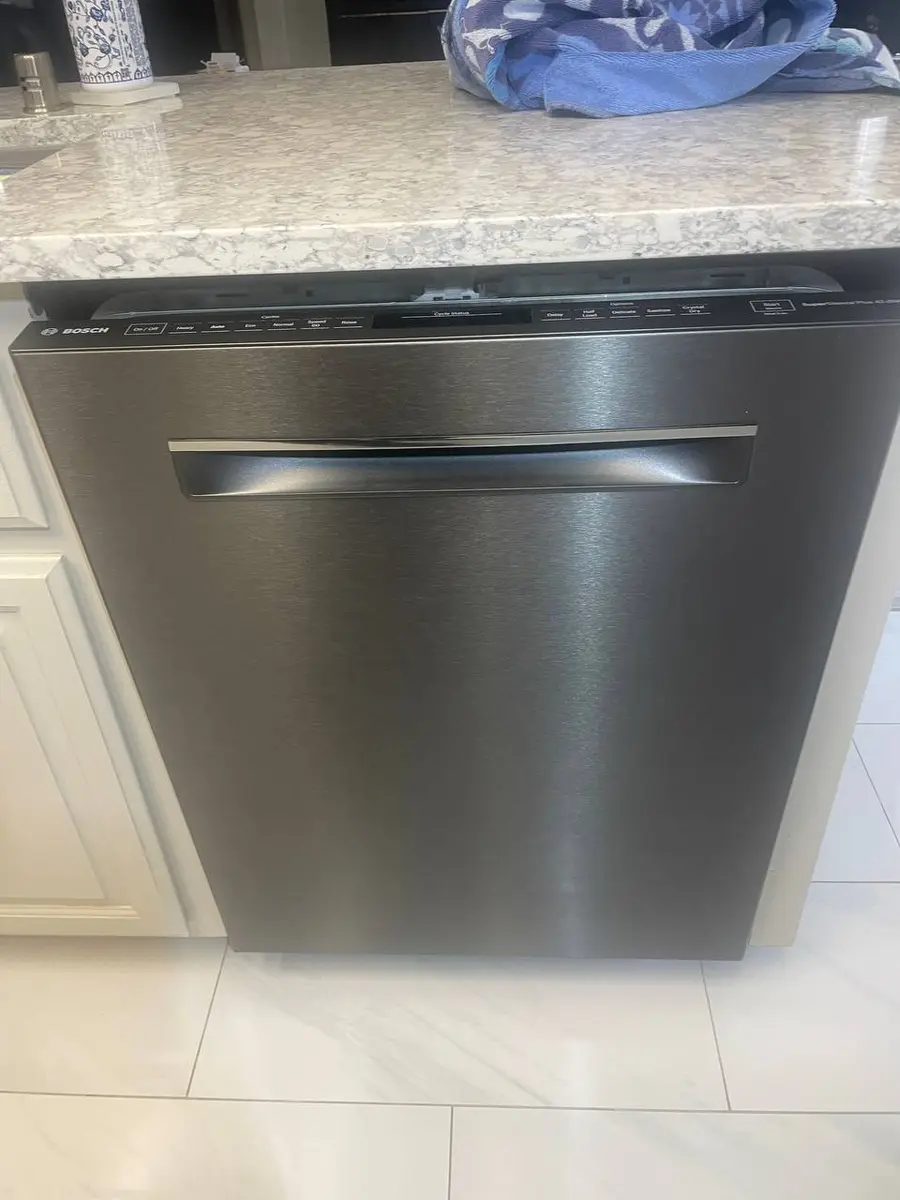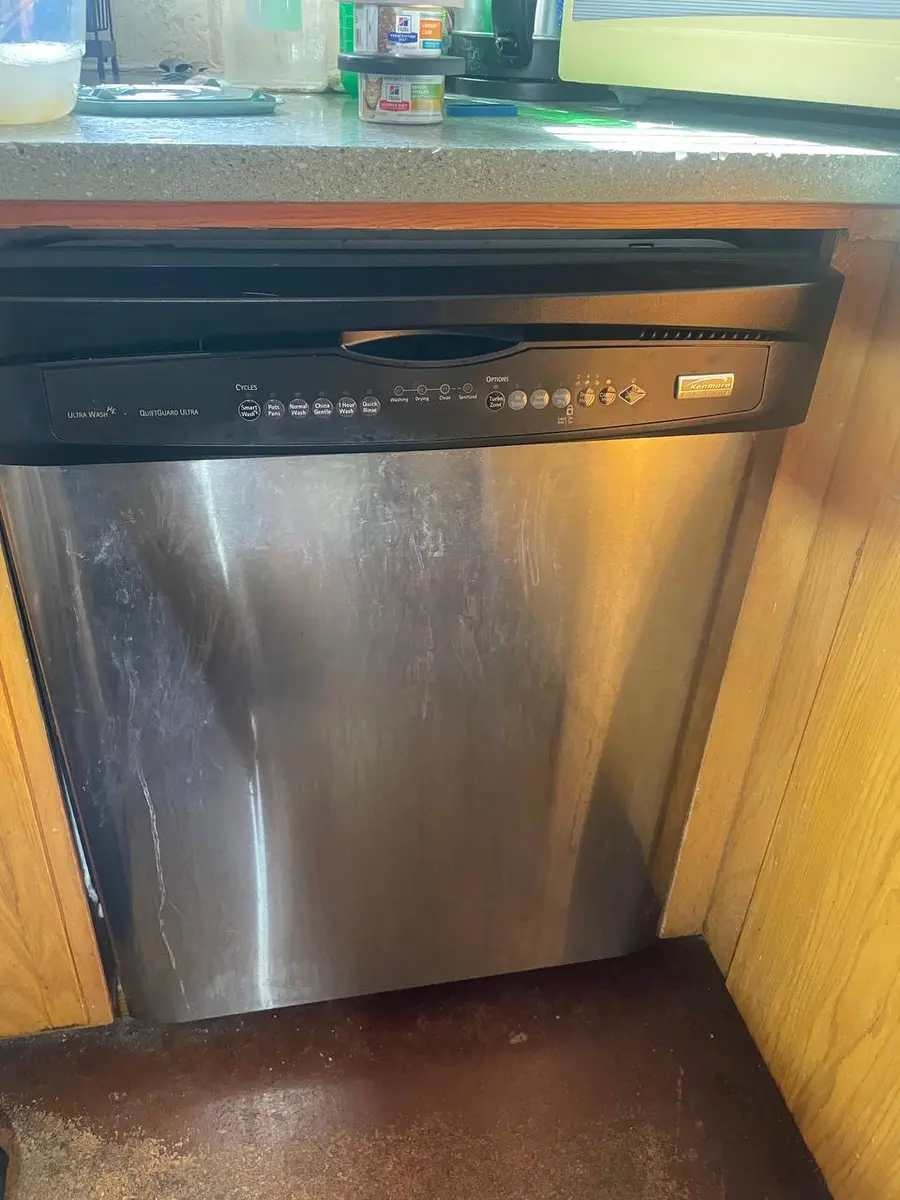
Verdict: A 5-year-old [dishwasher](/blog/repair-or-replace-dishwasher) sits in the first half of its 9-13 year service life, so nearly every repair is worth doing. Apply the standard 50% rule and fix anything that costs less than half the price of a new machine.
Five years feels old when a dishwasher suddenly leaves grit on the glasses or pools water in the tub, but by the numbers the unit is barely broken in. The right question is not whether to spend, but whether the fault in front of you is a cheap wear item or the rare early failure of something major.
Barely half-used at five years#
A typical dishwasher gives 9-13 years of service. Premium lines from Miele, Bosch, and Thermador often reach 15-20, while thin budget models can wear by 7-8. At five you still have four or more solid years ahead — usually enough to earn back the cost of a sensible repair several times over.
Verdict by age and repair size#
| Dishwasher age | Cheap fault | Costly fault |
|---|---|---|
| Under 5 years | Repair | Repair |
| 5 to 8 years | Repair | Repair |
| 8 to 12 years | Repair | Weigh it |
The 50% rule, unchanged at five#
The rule of thumb replaces a machine once a repair reaches 50% of a new one. Age normally pushes that trigger lower, but at five years there is so much life left that the threshold stays put at the full 50%. In practice, a young dishwasher almost never generates a bill that large from a single fault.
| Repair vs a new dishwasher | At 5 years |
|---|---|
| Under 50% of new | Repair it |
| 50% or more of new | Only if a second failure is not lurking |
What actually breaks this early#
The common culprits at five years are inexpensive: a spray arm or wash motor that has lost cleaning force, a leaking door latch or seal, a drain pump behind standing water, a heating element or thermostat that leaves dishes damp, or a water inlet valve with fill trouble. Control boards can fail from a power surge, but the heavy assemblies rarely give out this soon unless there was a defect or recall.
Keeping it out of the repair queue#
Light upkeep stretches those good years. Clean the filter trap monthly, run a vinegar descale to clear mineral scale, check the spray-arm nozzles for clogs, and wipe the door gasket so mold never takes hold. Most early failures trace back to neglect of exactly these basics.
The hidden cost of trading up early#
Swapping a five-year-old dishwasher for a new one looks clean on paper but carries costs the sticker never shows. There is delivery to schedule, the old unit to haul away, and often small plumbing or cabinet adjustments to make the new model fit the opening. Set against a modest repair on a machine with most of its life left, replacement at this age rarely adds up. The exception is a fault that, once the panels are off, reveals other tired components — at that point the total can climb past the 50% line and a fresh start becomes the honest call. Short of that, a targeted fix keeps a perfectly good dishwasher earning its place.
Warranty and a smarter safety net#
The standard one-year parts-and-labor coverage has lapsed, but many makers layer on extended sealed-system or motor warranties of 5-10 years that may still apply, so check your model terms and any card-purchase protection. Skip a fresh third-party plan at this age — instead, set aside a little each year into a repair fund. Most years you spend nothing, and the fund quietly covers whatever does come up.
Making the call at five years#
At five years the default answer is repair, and it takes an unusual, expensive fault to change that. Match the bill against half the price of a new machine, factor in the delivery and disposal a swap really costs, and keep up the monthly filter and gasket care that prevents the next breakdown. Barring a cascade of failures, a five-year-old dishwasher has years of good service left and deserves the fix.
Appliance Repair Technician · 11 years experience
Experienced technician with 11 years specializing in Frigidaire and Electrolux refrigerator and dryer repair with a focus on safety.