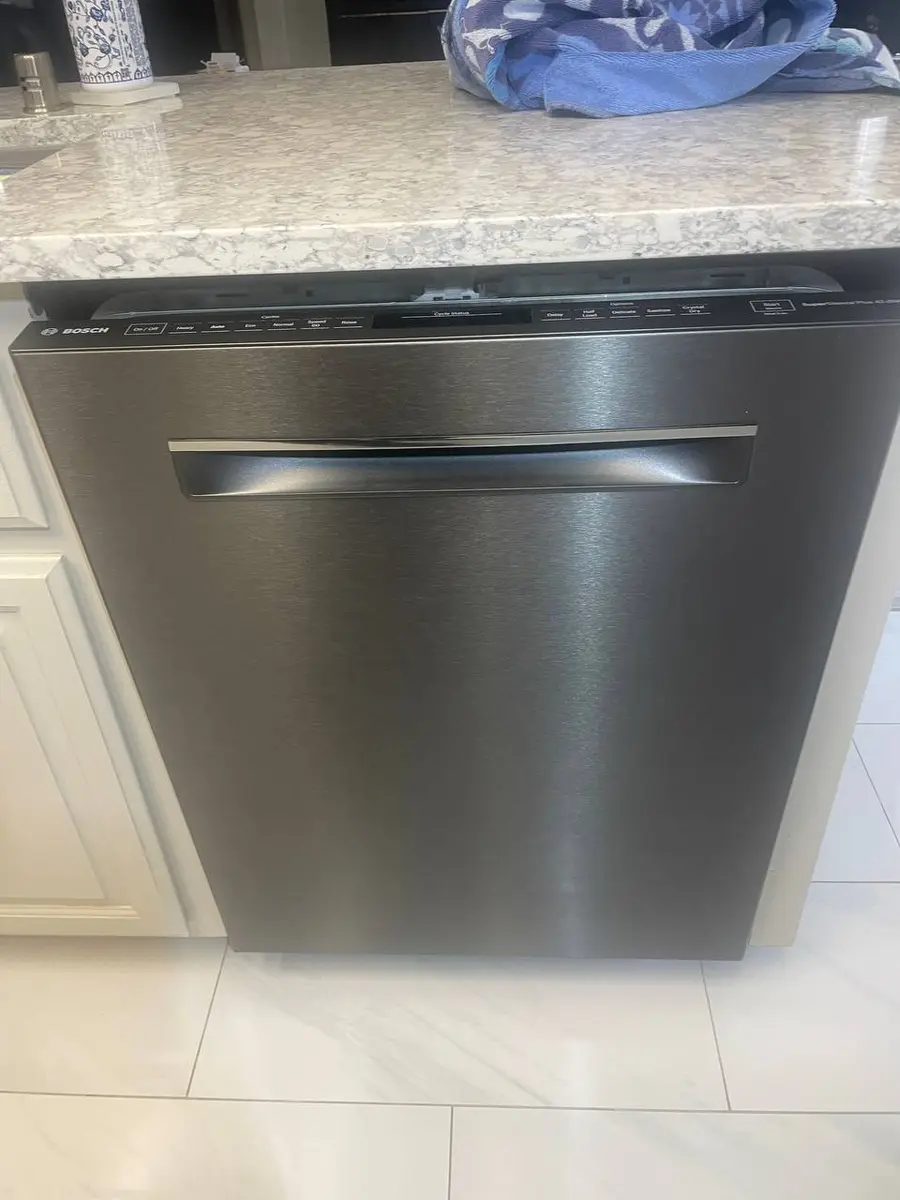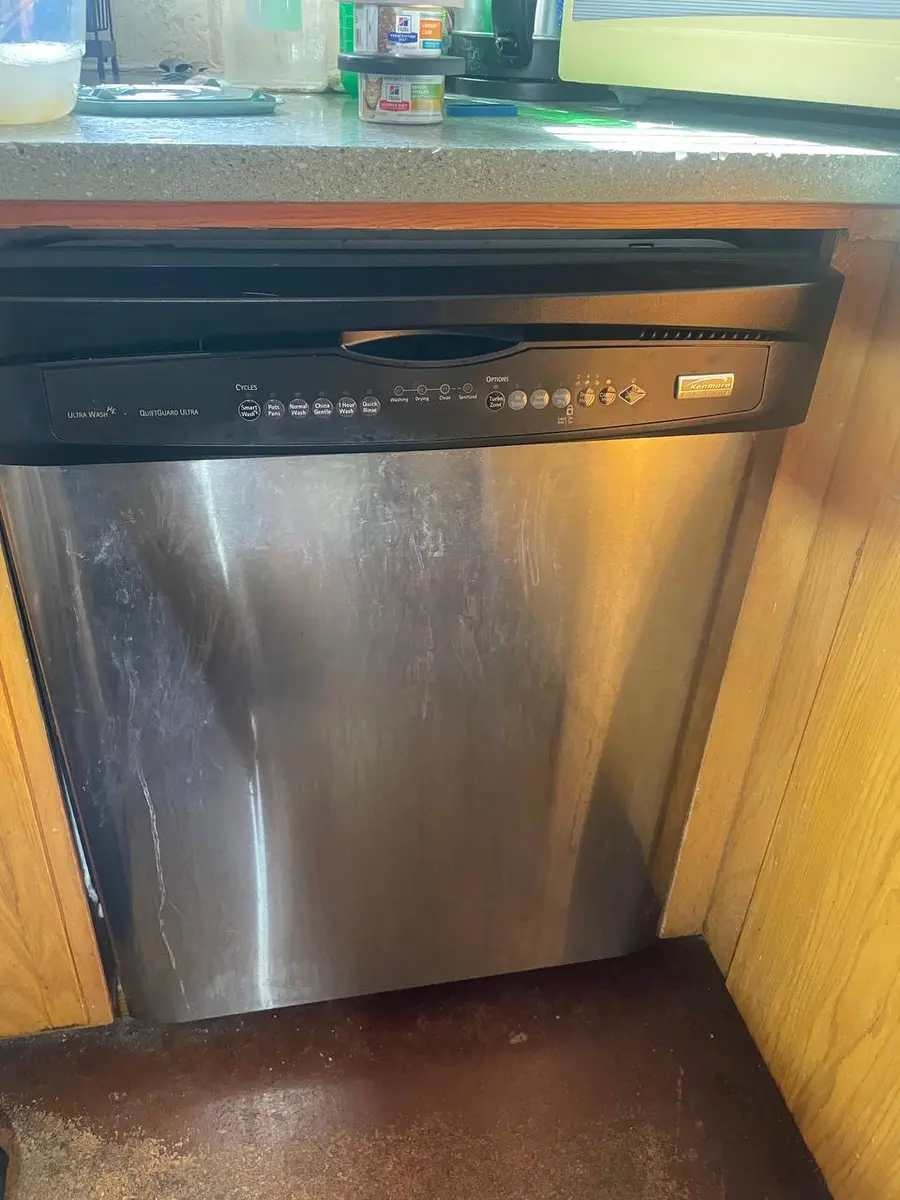
Short answer: At 15 years a [dishwasher](/blog/repair-or-replace-dishwasher) is well past its typical 9-13 year life, so replacement is the default recommendation. The only exception is a cheap fix — under about 20% of a new machine — that bridges you to a replacement you are already planning.
A fifteen-year-old dishwasher that still runs has outlasted the average by a wide margin, and that longevity cuts both ways. It has earned its keep, but it is now firmly in the zone where the next failure tends to arrive close on the heels of the last, and where a modern machine would save real water and power.
Well past its expected life#
Dishwashers generally last 9-13 years, with premium lines reaching further. At fifteen you are beyond even the generous end of that range, so sinking money into a major repair rarely returns its value before something else gives out. That is the core reason replacement is the starting point at this age.
Verdict by repair size#
| Repair | Verdict at 15 years |
|---|---|
| Cheap (seal, latch, valve) | Bridge fix only |
| Moderate (pump, spray-arm motor) | Replace |
| Major (control board, cascade) | Replace |
The 20% bridge threshold#
The baseline 50% rule replaces an appliance once a repair tops half a new one, but age drives that trigger down sharply. On a fifteen-year dishwasher, hold any repair to about 20% of a new machine, and only as a stopgap while you shop. Above that line, the money belongs toward the replacement you are heading for anyway.
| Repair vs a new dishwasher | At 15 years |
|---|---|
| Under 20% of new (bridge) | Repair briefly |
| 20% or more of new | Replace the machine |
The water and energy penalty#
Old dishwashers are quietly wasteful in two ways at once. A fifteen-year unit uses roughly 35-50% more energy than a new ENERGY STAR model, and it is far thirstier — modern machines run on about 3.5 gallons per cycle against 6 or more on older designs. Spread over the years you would keep a patched-up unit, that combined water-and-power gap is a running cost no repair can close.
What a new machine costs and buys#
Replacing a dishwasher does involve delivery, hauling away the old unit, reconnecting the water and drain lines, and possibly a small cabinet adjustment. Against a fifteen-year machine near the end of its life, though, that one-time effort buys a reset on efficiency, water use, and reliability all at once — where a big repair on the old unit would buy only a short reprieve before the next fault.
Retiring the old unit#
Disposal is straightforward here. Dishwashers do not contain refrigerants or other highly hazardous materials, though older units may have outdated wiring or corroded parts, so they should not simply be left at the curb. Most California utilities offer free pickup and recycling of old appliances, which is the clean way to send a fifteen-year machine off.
Better brands to replace with#
If you are shopping, reliability and fit both matter. For dependability, Bosch, Whirlpool, and KitchenAid rank well; for premium cleaning and build, Miele and Thermador lead; and for value, Frigidaire and GE deliver solid performance at lower prices. A new machine resets efficiency, water use, and quiet operation together — which is precisely why fifteen years is a replace-first age for all but the cheapest bridge repairs.
Making the call#
Fifteen years is a replace-first age for a dishwasher. Repair only the cheapest faults, and only as a short bridge held under about 20% of a new machine; let anything larger steer you to a modern, far more efficient unit. Between the water savings, the energy savings, and the reset on reliability, a new dishwasher usually earns its place quickly at this age.
Senior Gas Appliance Specialist · 18 years experience
AGA-certified gas appliance specialist with 18 years of experience in residential and commercial oven, range, and cooktop repairs.