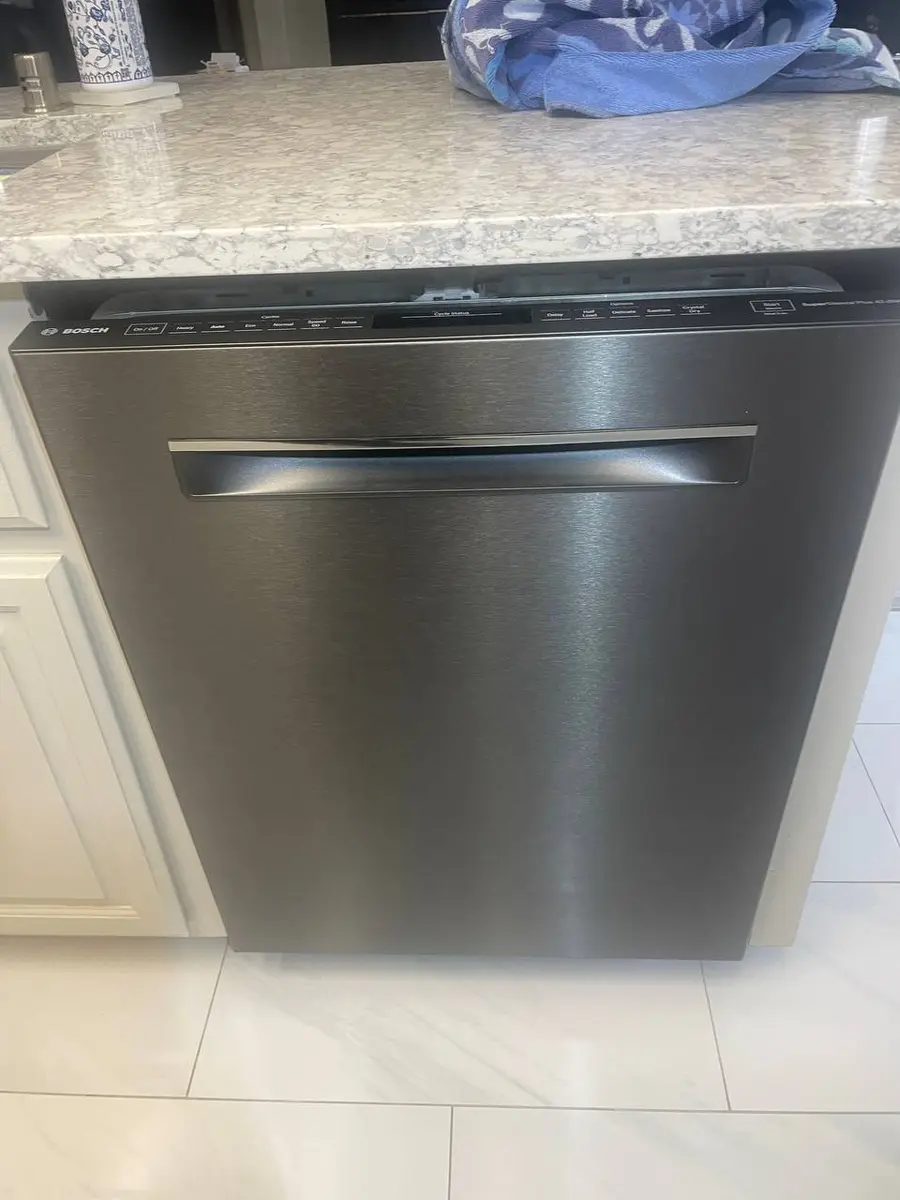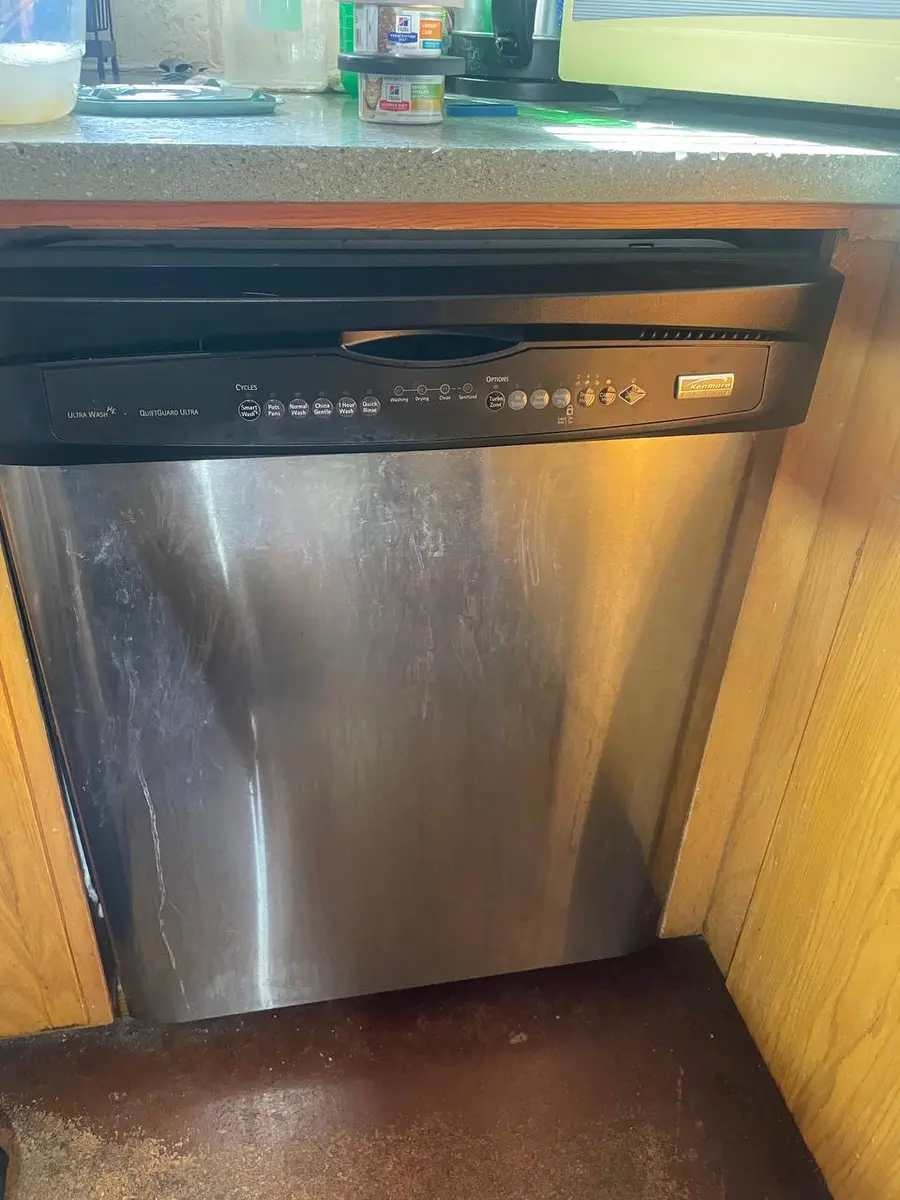
Is a 12-Year-Old Dishwasher Worth Repairing?
at twelve years, repair a dishwasher only when the fix is cheap and addresses a simple part — a seal, a valve, a pump. Anything bigger rarely earns its keep on a machine this close to the end of its life.
A twelve-year-old [dishwasher](/blog/repair-or-replace-dishwasher) has been a workhorse, but it has also reached the far edge of the typical nine-to-thirteen-year lifespan. That timing changes the math: with fewer years left to earn back a repair, the threshold for spending drops sharply. Here is how to read the decision.
Which failures are worth fixing at twelve years#
The part that broke matters more than anything else at this age. Cheap, isolated fixes are still worth doing; expensive ones on a machine near end-of-life usually are not.
| Failed part | Rough cost | Worth it at 12 years? |
|---|---|---|
| Door latch or gasket | Low | Yes — cheap, stops leaks |
| Water inlet valve | Low | Yes — small part, fixes fill faults |
| Drain pump | Low | Yes — affordable, clears standing water |
| Spray arm or wash motor | Low to mid | Usually — restores cleaning power |
| Heating element | Mid | Weigh it — check drying behaviour first |
| Control board or touchpad | Mid to high | Borderline — parts get scarce at this age |
The cost rule tightens with age. At twelve years, do not lean on the usual 50% rule — because the machine has so little life left, keep repairs under roughly 30% of a comparable new dishwasher and let anything above that push you toward a replacement.
Why lifespan is a range, not a cutoff#
Twelve years is an average, not an expiry date. Well-maintained premium machines from Miele, Bosch, or Thermador routinely pass fifteen to twenty years, while budget units can show wear by seven or eight. What tips a twelve-year-old toward replacement is not the number itself but the pattern: at this age, when one major component fails, others are often close behind, so a board today can be a pump in six months. That cascade risk is what makes an expensive repair a poor bet here.
What a new dishwasher saves you#
Replacement is not only about avoiding repeat repairs. A current ENERGY STAR dishwasher uses roughly three and a half gallons a cycle against six or more on an older machine, and it runs quieter and cleans better. Over the remaining years you would have kept the old unit, that water and energy difference offsets a real share of the purchase price — a factor the raw repair quote never shows.
If you replace: California incentives#
Buying new opens up rebates worth checking before you shop. California utilities including PG&E, SMUD, and SCE offer rebates on ENERGY STAR certified replacements, and many also run free pickup and recycling of the old unit. Federal or state credits may apply to qualifying efficient models as well. Look up current programs for your address at dsireusa.org before you buy.
How to tell a one-off from a cascade#
The whole decision at twelve years turns on whether the failure is isolated. A single cheap part on a machine that otherwise runs quietly, drains cleanly, and dries well is a fair repair. But if the dishwasher has been leaving dishes wet, stopping mid-cycle, or making new noises, the broken part is likely the first of several, and pouring money in only delays the inevitable. Ask the technician for a read on the pump, motor, and controls before you approve any fix, so you are paying to extend a healthy machine rather than to patch a failing one.
Not sure whether your fix is a cheap one or a cascade waiting to happen? A professional diagnosis gives you the exact repair figure and an honest read on the rest of the machine before you decide.
Appliance Repair Technician & Diagnostics Specialist · 10 years experience
Electronics and diagnostics specialist with 10 years of experience in modern smart appliance repair, specializing in LG and Samsung.