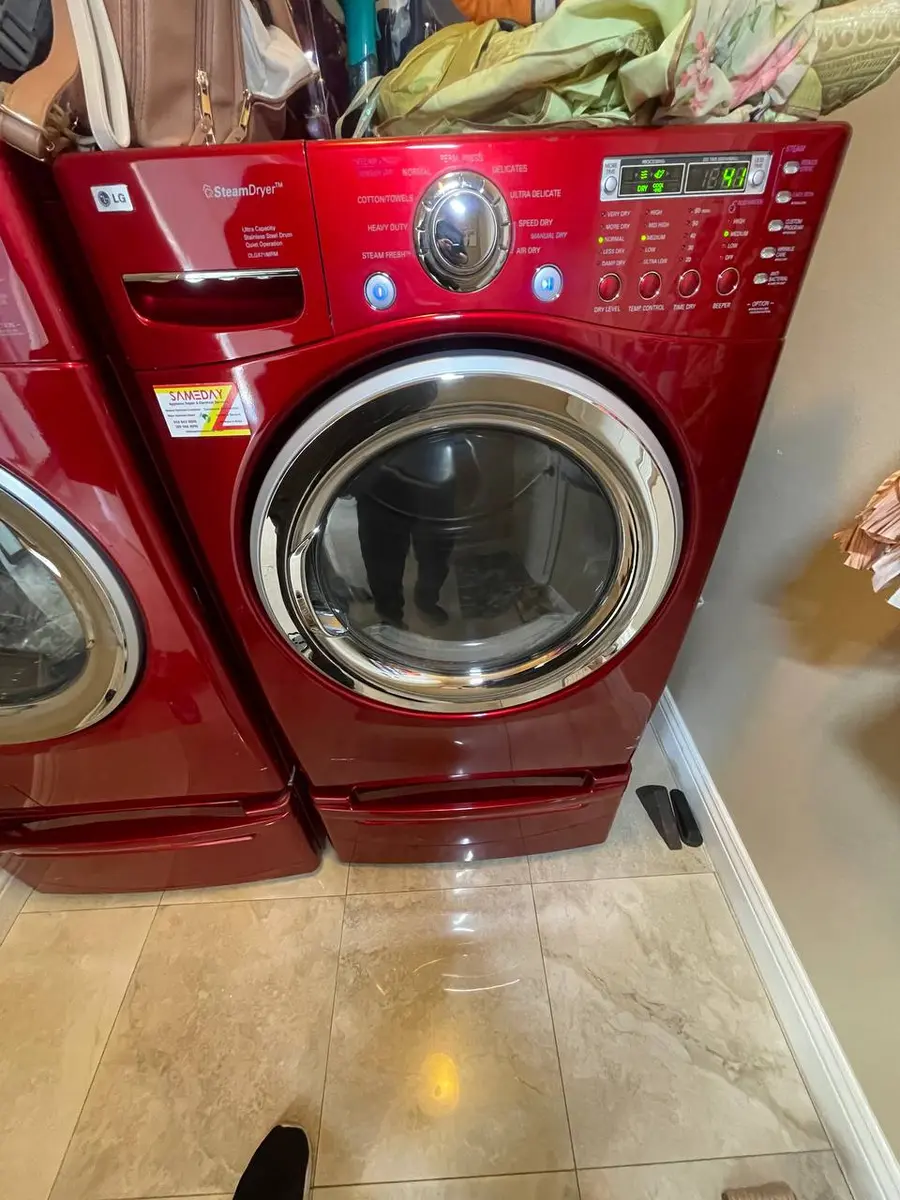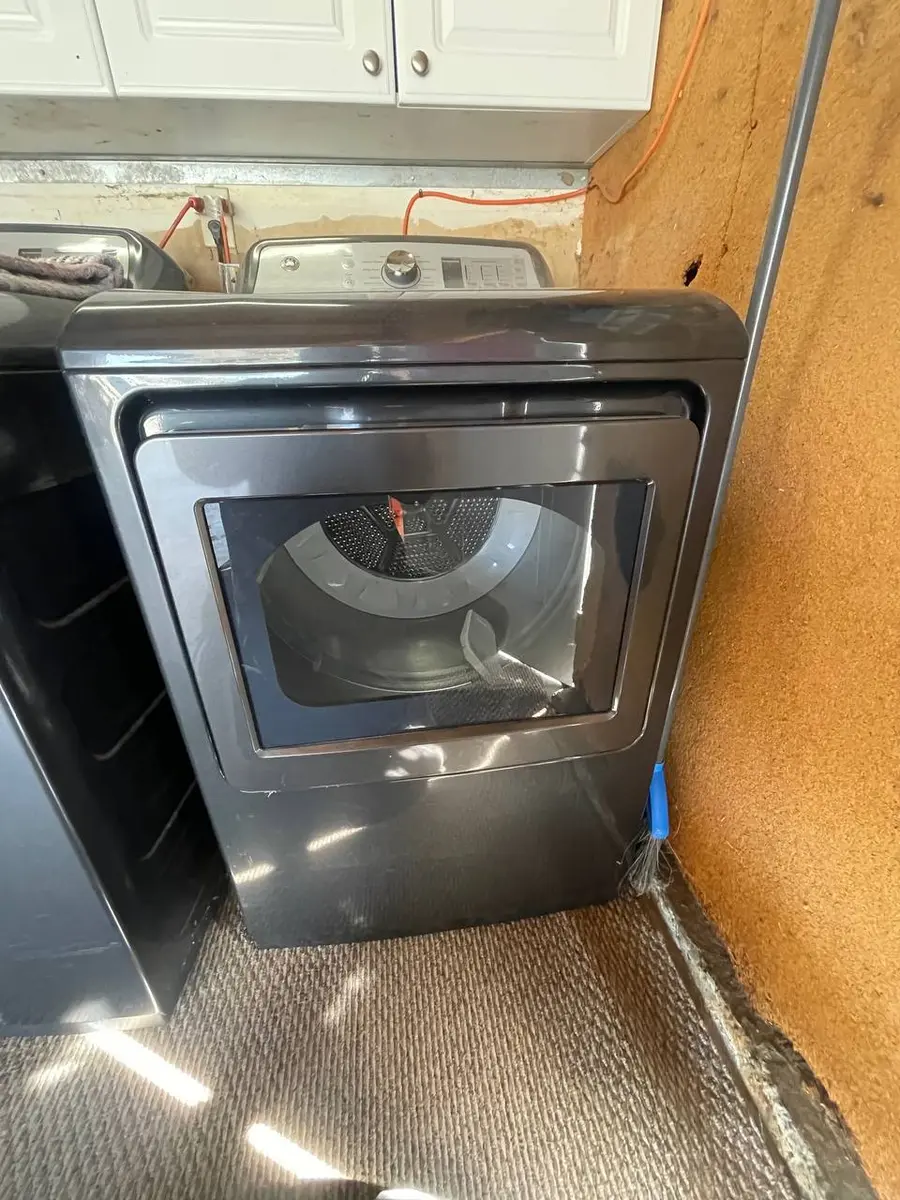
Short answer: a Kenmore dryer usually lasts 10 to 14 years, landing exactly on the 10 to 14 year category average.
A Badge, Not a Factory#
Kenmore has never built its own machines — it is a Sears house brand assembled by different manufacturers, and the maker is coded into your model's prefix. That means real-world durability varies more than a single-factory brand, but the average across the lineup is solidly middle-of-the-road, with repair frequency in line with most mainstream competitors. The practical upshot: match any parts and maintenance advice to the actual builder behind your model.
Do You Have the Right Tools?
Gas leak detector ($130), thermal fuse tester ($95), belt tension gauge, and vent inspection camera ($180). Our technician arrives with $3,000+ in professional tools — your diagnostic is free.
Licensed & Insured · 90-Day Warranty · Same-Day Service
Failure Timeline#
| Age | Component | Frequency |
|---|---|---|
| 3 to 5 years | Thermal fuse | Common |
| 5 to 8 years | Heating element | Common |
| 7 to 10 years | Drum rollers | Common |
| 10 to 13 years | Motor | Occasional |
The thermal fuse shows up first, around three to five years. As on any dryer it is an overheat cutout, and a blown fuse points back to airflow — clear the lint path or the replacement fuse will not last either. Drum rollers in the middle years announce themselves with a rumble long before they seize.
Keeping One Going#
Start by following the maintenance notes for whichever manufacturer built your model, then layer on the universal dryer habits. Clean the lint trap after every load — the highest-impact thing you can do for any dryer — have the exhaust vent professionally cleaned once a year, run rigid metal ducting instead of vinyl or foil, avoid overloading so the drum keeps its airflow, and wipe the moisture-sensor strips with rubbing alcohol quarterly to keep auto-dry honest.
Safety First — Know the Risks
Gas dryers carry carbon monoxide and explosion risk. Even electric dryers involve 240V circuits that can deliver a fatal shock. Our techs are licensed and insured — let them handle the risk.
Licensed & Insured · 90-Day Warranty · Same-Day Service
What Cuts the Life Short#
Lint buildup heads the list, forcing the element to overwork and posing a fire risk. Overloading strains rollers, belt, and motor; a crushed or overlong vent hose chokes airflow and overheats the machine; over-drying wears the element and thermostats; and waxy fabric-softener residue films the lint screen and sensor until efficiency and accuracy both slip. Handle those and a Kenmore comfortably reaches its full range.
Repair or Replace#
| Age | Call it | Reasoning |
|---|---|---|
| 0 to 3 years | Repair | Deep inside its life; check the warranty first. |
| 3 to 7 years | Usually repair | Worth it under half the price of a new dryer. |
| 7 to 11 years | Weigh it | Simple fixes yes; a major failure leans toward replacing. |
| 11 years and up | Usually replace | Past the typical life; a newer dryer trims the power bill. |
As always, the half-of-replacement line settles the borderline cases — and because the motor is the last common failure, a motor quote on an older Kenmore usually points to a new machine.
The Real Cost of DIY
Average DIY attempt: $150-400 in tools you may use once, plus the risk of further damage. Our diagnostic visit costs $0 — we find the problem and give you an honest quote.
Licensed & Insured · 90-Day Warranty · Same-Day Service
Find the Builder Before You Buy Parts#
The first three digits of a Kenmore model number identify the factory that built it. As a well-known example, a 110 prefix indicates a Whirlpool build, 796 points to LG, and 592 to the Frigidaire and Electrolux family. That single detail tells a technician which belt, roller kit, or heating element actually fits, and it explains why two Kenmore dryers of the same age and price can behave quite differently over time. Jot the full model and serial numbers down before ordering any part or booking a visit, and you sidestep the most common cause of a wasted trip.
The Signals to Watch#
The warning signs mirror the failure timeline closely. No heat at all usually traces to the thermal fuse or the heating element. A low rumble that grows louder over a few weeks is the drum rollers wearing flat. A dryer that hums but will not spin points at the belt or the motor. Because the earliest and most common failure — the thermal fuse — is tied directly to airflow, a clogged lint screen or vent is always worth ruling out first whenever the machine starts running cool.
Dryer rumbling or not heating? Book a diagnostic — we will identify the builder behind your model and fix it right.
Appliance Repair Technician · 11 years experience
Experienced technician with 11 years specializing in Frigidaire and Electrolux refrigerator and dryer repair with a focus on safety.