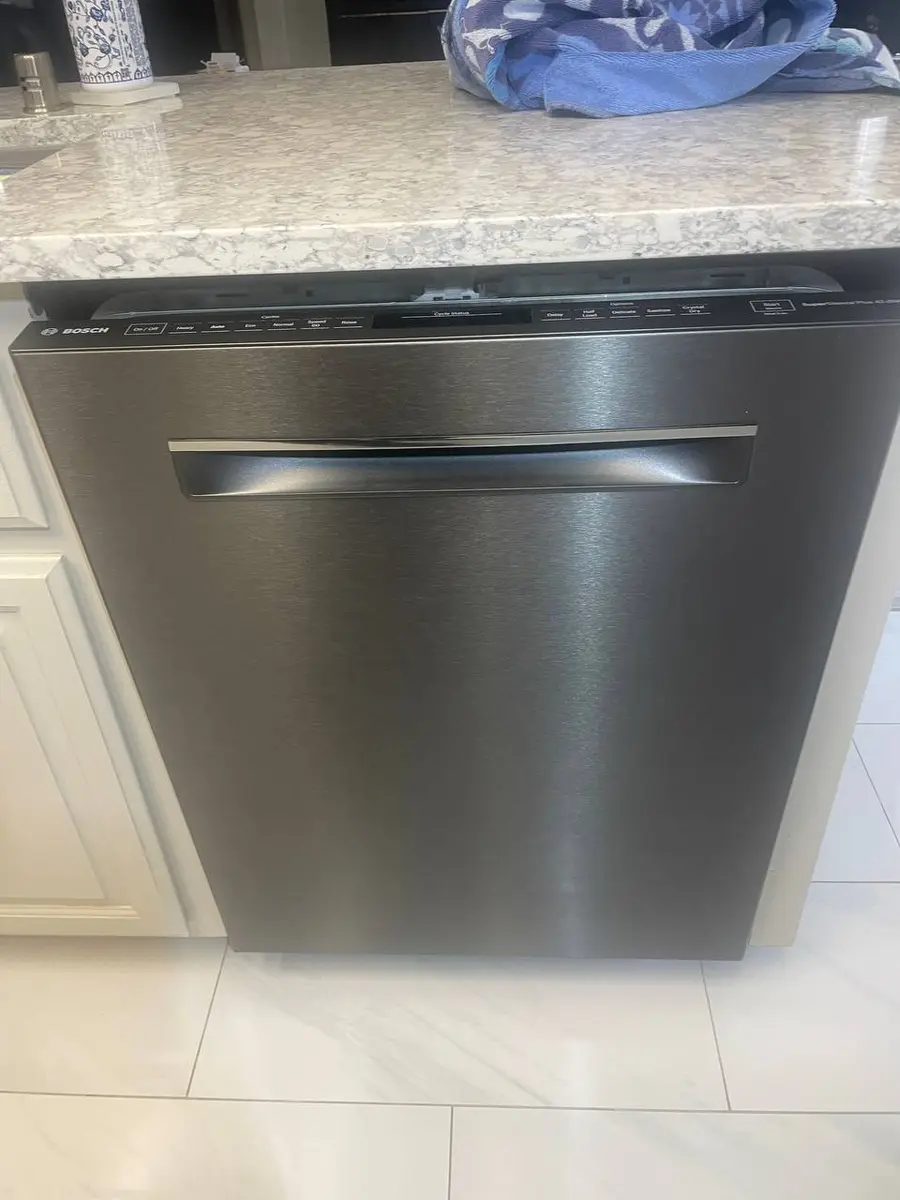
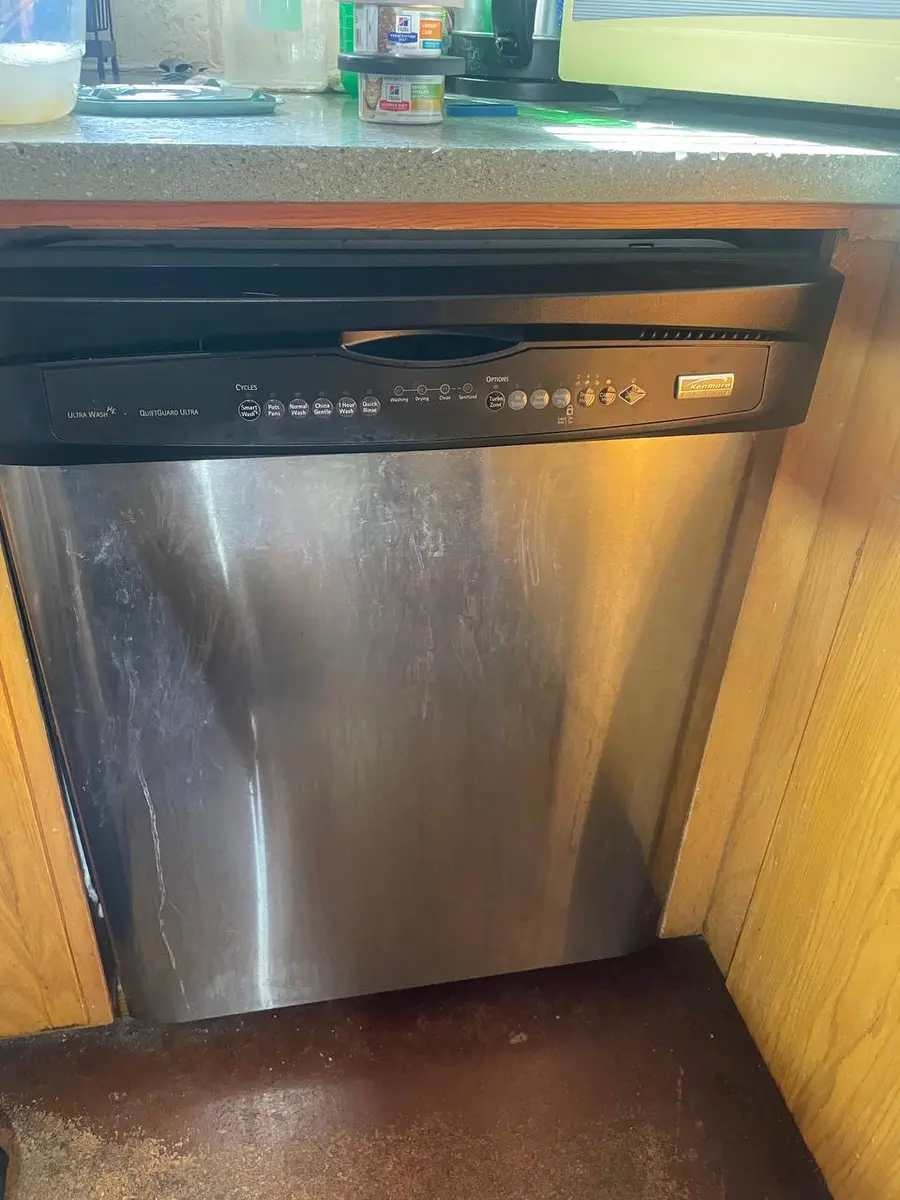
What this GE vs KitchenAid comparison is based on#
Both of these records are deep enough to argue with. GE dishwashers account for 433 CPSC SaferProducts filings between 2011 and 2026; KitchenAid dishwashers account for 360 over the same window. Same database, same years, same counting rule — which component each report names — and two columns that look nothing alike.
The disagreement runs in one direction on the control board and the other on the heating element, and a third row leans the same way as the first. Three rows, three gaps, and between them the whole page.
One component, two very different shares#
Start with the heating element, because it is the cleanest case. It is named in 33% of the GE reports, which is 141 filings. It is named in 4% of the KitchenAid reports, which is 16. Two records of comparable size, one component, and a share roughly eight times larger in one than the other.
That is not a rounding difference and it is not a small-sample effect: 141 filings and 16 filings are both counts that would survive a great many additional reports without changing their relationship. Whatever produced it, it is a genuine feature of what was reported.
The control board runs the other way, harder#
The board is wider still. KitchenAid's record names it in 62% of filings — 223 reports, the largest single share anywhere in this set — against 17% of GE's, which is 74. That is 45 points, the widest measured gap on any page here.
Wiring or the power cord adds a third disagreement in the same direction as the board: 15% of the KitchenAid filings against 5% of the GE ones, 10 points, with 55 reports and 23 behind them. So KitchenAid's record is electrical in its centre of gravity, with the board and the wiring together holding most of it, while GE's centre is thermal.
What three firm gaps do and do not license#
They license a description and refuse a ranking. The description: among reports filed, KitchenAid dishwashers are overwhelmingly reported for the control board, GE dishwashers most often for the heating element, and the two records barely overlap in emphasis.
The refusal comes from the denominator. Filings have no machine count behind them, and reports arrive for reasons this database does not record — a failure that alarms, a recall in the news, an older or larger installed base. Two well-populated columns can therefore differ this much and still say nothing about which [dishwasher](/blog/repair-or-replace-dishwasher) fails more often. The corpus is also weighted toward fire, smoke, burn and melt reports, which favours components that can overheat in both columns equally.
Below the third row both records go quiet: the motor at 2% for GE against 4% for KitchenAid, the thermostat or sensor rounding to almost nothing on the GE side against 1% on the other. Those rows are where the two agree, and they agree that there is little to report.
GE vs KitchenAid dishwashers: what the reports mention#
Both columns are shares of their own corpus, and the corpora differ in size. GE: CPSC SaferProducts incident reports for GE dishwashers, 2011-2026, n=433. KitchenAid: CPSC SaferProducts incident reports for KitchenAid dishwashers, 2011-2026, n=360. A difference no larger than one report on either side is marked "within one-report noise".
| Component mentioned | GE | KitchenAid | Difference |
|---|---|---|---|
| Control Board | 17% (74 of 433) | 62% (223 of 360) | 45 points more often for KitchenAid |
| Heating Element | 33% (141 of 433) | 4% (16 of 360) | 29 points more often for GE |
| Wiring or Power Cord | 5% (23 of 433) | 15% (55 of 360) | 10 points more often for KitchenAid |
| Motor | 2% (7 of 433) | 4% (13 of 360) | 2 points more often for KitchenAid |
| Thermostat or Sensor | 0% (1 of 433) | 1% (4 of 360) | 1 point more often for KitchenAid |
About the corpus: these are CPSC SaferProducts reports — incidents someone chose to report, not units sold — so the shares on this page are shares of the reports and never a failure rate. The corpus is weighted toward safety events: 12,007 of its 20,581 records (58%) are fire, smoke, burn or melt reports, which over-represents the components that burn and under-represents the ones that merely stop working.
Do You Have the Right Tools?
Water pressure gauge ($60), spray arm tester, float switch multimeter ($85), and drain inspection camera. Our technician arrives with $3,000+ in professional tools — your diagnostic is free.
Licensed & Insured · 90-Day Warranty · Same-Day Service
GE dishwashers: the reported component split#
GE dishwashers — every share in this table is a share of: CPSC SaferProducts incident reports for GE dishwashers, 2011-2026, n=433.
| Component mentioned | Share of reports | Reports |
|---|---|---|
| Heating Element | 33% | 141 of 433 |
| Control Board | 17% | 74 of 433 |
| Wiring or Power Cord | 5% | 23 of 433 |
| Motor | 2% | 7 of 433 |
| Thermostat or Sensor | 0% | 1 of 433 |
| Water Valve or Line | 0% | 1 of 433 |
Shares of reports, not failure rates — see the corpus note above.
KitchenAid dishwashers: the reported component split#
KitchenAid dishwashers — every share in this table is a share of: CPSC SaferProducts incident reports for KitchenAid dishwashers, 2011-2026, n=360.
| Component mentioned | Share of reports | Reports |
|---|---|---|
| Control Board | 62% | 223 of 360 |
| Wiring or Power Cord | 15% | 55 of 360 |
| Heating Element | 4% | 16 of 360 |
| Motor | 4% | 13 of 360 |
| Thermostat or Sensor | 1% | 4 of 360 |
| Drain Pump or Hose | 1% | 3 of 360 |
Shares of reports, not failure rates — see the corpus note above.
Safety First — Know the Risks
Live 120V wiring in a wet environment is one of the most dangerous DIY scenarios. Water + electricity = serious shock risk. Our techs are licensed and insured — let them handle the risk.
Licensed & Insured · 90-Day Warranty · Same-Day Service
How to use these numbers#
What this comparison can settle: which components the reported incidents of each brand actually concentrate on, for this appliance. What it cannot settle: which brand fails more often. That would need units sold, and no public source states it. Use the component split to plan for the repair each brand is most reported for, not to rank the two.
Lead Appliance Repair Technician · 12 years experience
Experienced technician with 12 years specializing in washing machine and dryer repairs across all major brands.