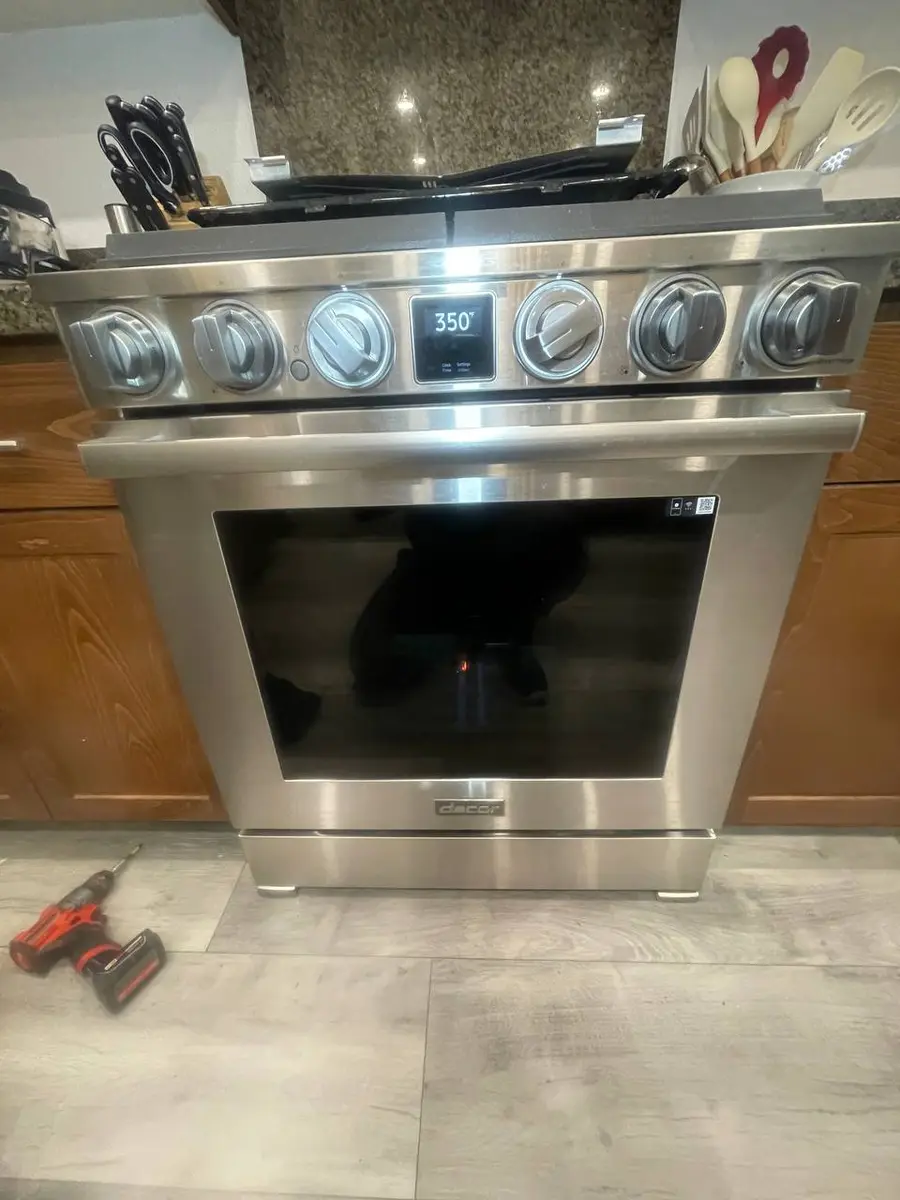
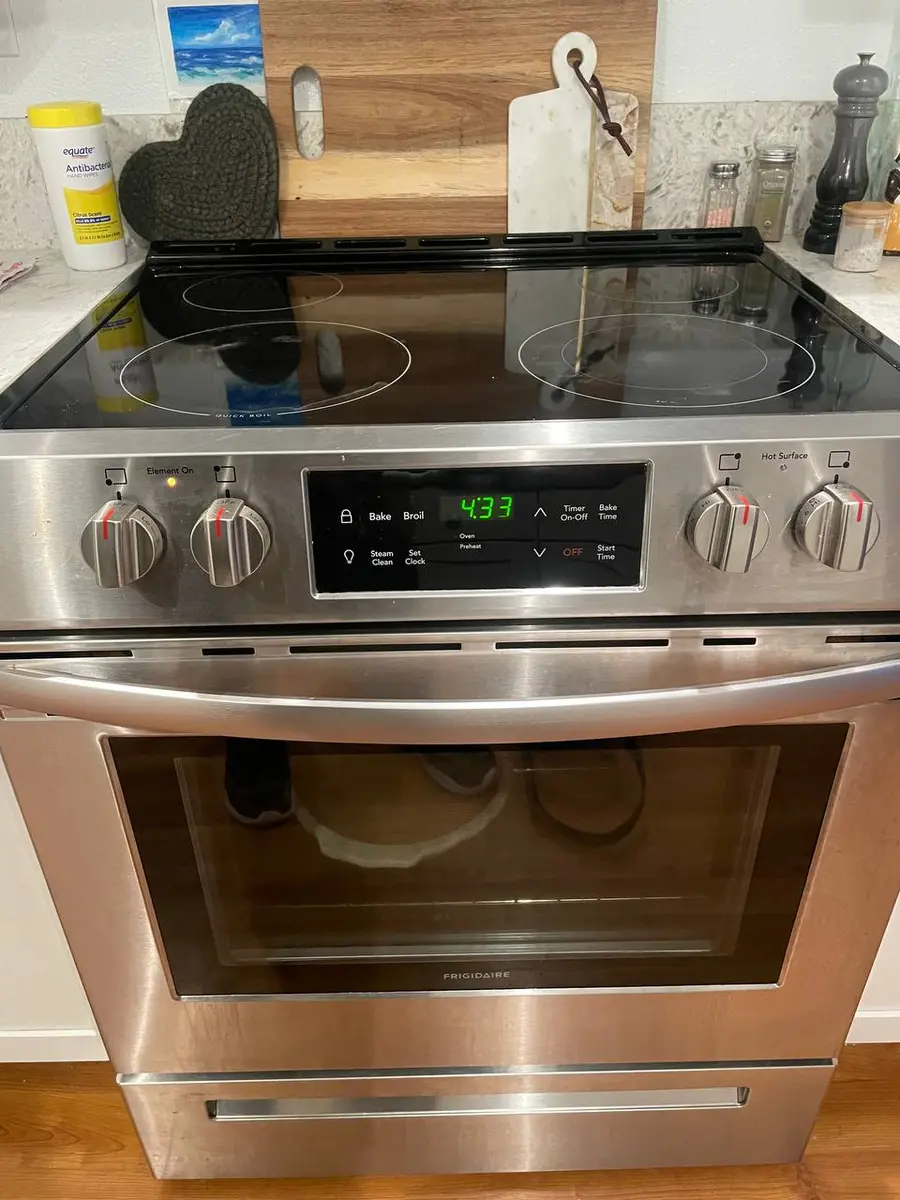
Before assuming the worst, it helps to know that on a GE oven this problem usually traces to a short list of brand-specific parts. Below is what actually fails on GE, how to check it safely, and what the repair tends to cost.
The short answer: GE Oven temperature wrong#
When a GE oven lands on my bench with this, oven temperature sensor resistance drift is the cause I reach for first — it is the ge signature here. If that comes back clean, the next thing I look at is calibration offset needing a control re-calibration. It is a design quirk, so the usual suspects are only worth chasing once this one is ruled out. Expect the fix to fall somewhere in the $100–$300 range in the table, driven by the part involved.
The failure modes below are specific to GE ovens — they are what set GE apart from the generic temperature wrong checklist.
| Likely GE-specific cause | How often we see it | Typical repair |
|---|---|---|
| Oven temperature sensor resistance drift on GE ranges skewing the reading so the cavity runs hot or cold | Most likely | $100 |
| Calibration offset needing a control re-calibration after the cavity reads consistently off | Common | $100–300 |
| Bake or broil element partial failure heating unevenly across the cavity | Common | $100–300 |
| Door-seal or hinge wear letting heat escape so the oven under-shoots setpoint | Possible | $100 |
| Control-board relay chatter causing temperature swings during a bake | Possible | $100–300 |
Do You Have the Right Tools?
Combustion analyzer ($300), igniter tester ($120), temperature calibrator ($150), and gas pressure manometer. Our technician arrives with $3,000+ in professional tools — your diagnostic is free.
Licensed & Insured · 90-Day Warranty · Same-Day Service
What you can safely check first#
Run these quick checks before spending on a call-out. Safety first — unplug the oven — then take each item in turn.
- Oven temperature sensor resistance drift. A quick visual tells you whether it is worn or just loose, and a loose fitting is often a five-minute fix.
- Calibration offset needing a control re-calibration. Two minutes here can rule a whole repair path in or out, which is worth it before you open anything up.
- Bake or broil element partial failure. It is the cheapest thing to check and surprisingly often the answer, so start here rather than at the control board.
- Door-seal or hinge wear. If this comes back clean you have narrowed the field a lot, and the remaining suspects get easier to isolate.
- Control-board relay chatter. Owners miss it because the generic guides never mention it, yet it is one of the more common ge culprits.
- Confirm the model on the door or frame before ordering parts — the JGB735SPSS, JB655YKFS, PGB935YPFS, JB645RKSS line each take slightly different components, so the number matters.
- Read the panel. A F3 or F7 code narrows things fast; note it before you clear it and hand it to your technician, as it points straight at the circuit.
Repair cost and when to call an EasyBear technician#
Why the $100–$300 gap? Because the fixes at each end are worlds apart. At the low end sits a straightforward fix such as door-seal or hinge wear; the high end is a deeper job that adds the part plus the labor to reach it. A confirmed diagnosis is worth more than it sounds, because it stops you paying twice for the same symptom. If the problem survives those checks, booking an EasyBear technician beats trial-and-error part swaps: they isolate the cause first, then quote.
Senior Gas Appliance Specialist · 18 years experience
AGA-certified gas appliance specialist with 18 years of experience in residential and commercial oven, range, and cooktop repairs.