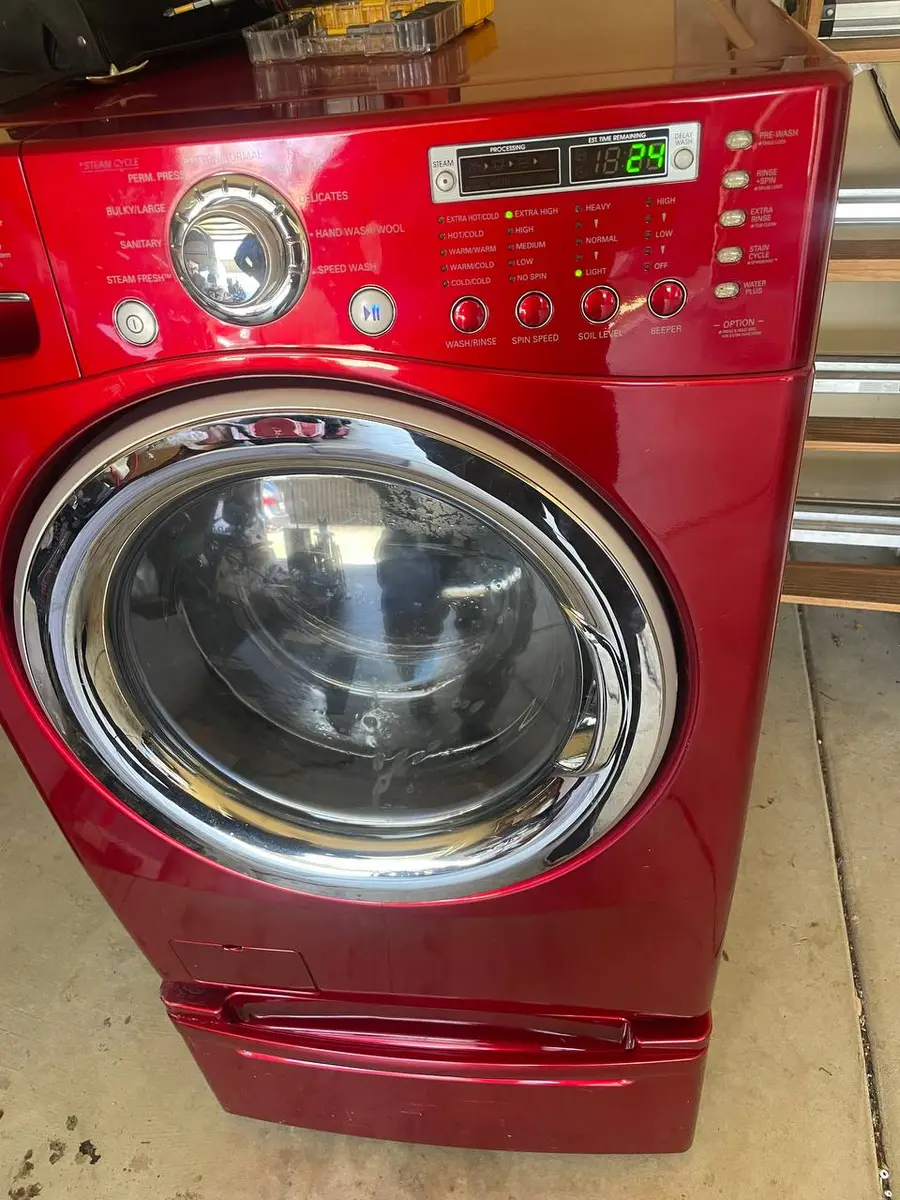
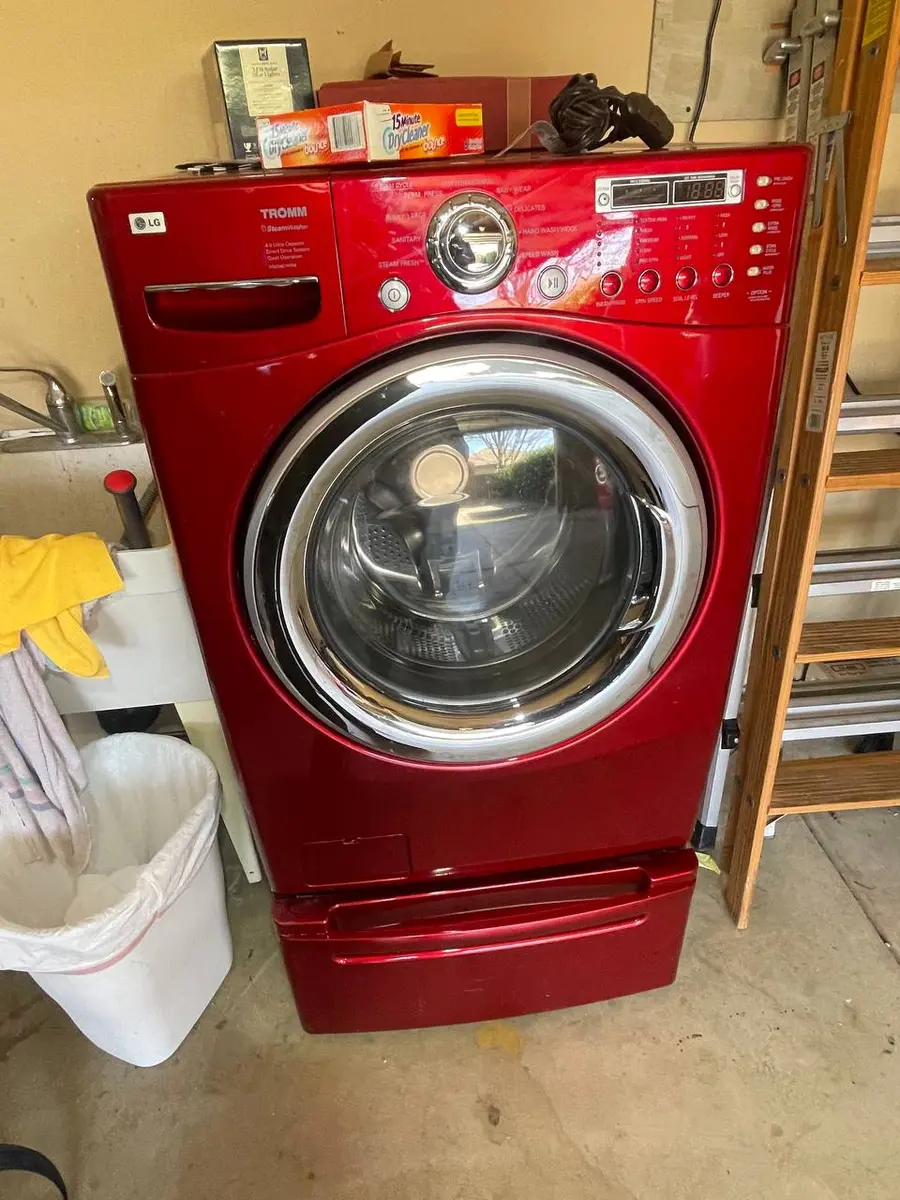
What this Electrolux vs GE comparison is based on#
Two unequal piles of paperwork are being compared here. The CPSC SaferProducts database holds 181 incident reports naming a GE washer, filed between 2011 and 2026, and 39 naming an [Electrolux washer](/blog/electrolux-washer-dryer-combo-error-codes), filed between 2014 and 2026. Every number on this page is a share of one of those two piles. None of them is a share of the washers that were built, sold or plugged in, because the database counts submissions and no public source counts the installed base.
The size difference is the first thing to hold onto. GE's control board row alone stands on 23 reports — a group larger than half the entire Electrolux corpus. When a column that deep is set beside a column of 39, the deep one is describing a pattern and the shallow one is describing a handful of documents, and the page reads better if you keep that in view.
The same part leads both lists#
Rank the two corpora by what gets named and the top entry is identical: the control board, at 21% of the Electrolux reports and 13% of the GE ones. That is worth stating plainly, because it is the part of the comparison least likely to be an artifact of corpus size. Whatever else separates these two brands, the component most often written up is the same one on both sides.
Below the leader the lists diverge in shape rather than in content. Electrolux's runs control board, wiring or power cord at 18%, lint trap or vent at 13%, and then falls off a cliff — the drive belt, the motor and the water valve or line are each named in 3%, one report each. GE's descends in steps: 13%, then the motor at 7%, the lint trap or vent at 6%, the wiring or power cord at 4%, the drive belt at 2%, and a tail that keeps going through the heating element, the igniter, the water valve or line, the condenser and the drain pump or hose.
A longer tail is a bigger corpus, not a different machine#
Ten distinct components appear in the GE list and six in the Electrolux one. That gap is almost certainly arithmetic before it is anything else: with 181 reports there is room for a component to be named once and still appear, while with 39 reports a single mention already claims 3% of the column. A corpus does not grow a longer tail by breaking in more ways — it grows one by being larger.
The same effect explains most of the point spreads in the side-by-side table. The wiring or power cord splits 18% against 4%, a 14-point gap that rests on 7 Electrolux reports and 8 GE ones — nearly the same number of documents on each side, pulled apart entirely by the denominators. The lint trap or vent does the same thing: 13% against 6% is 5 reports against 10, so the smaller share is the one built on more filings.
The one row that runs the other way#
The motor is the exception, and it is the only component on the page where GE leads by more than a rounding step: 7% of the GE reports against 3% of the Electrolux ones, 13 documents against 1. Here the raw counts and the shares agree, which is not true of any other row in this comparison. If a single finding on this page deserves to be carried away, that is the one — a motor mention is a recurring feature of the GE corpus and a one-off in the Electrolux corpus.
Using this in practice#
For a GE washer, the reported incidents give you a genuine shortlist with something behind it: the control board first, then the motor, then the lint trap or vent. For an Electrolux washer, the shortlist is the control board and the cord, and it rests on 15 reports in total. Treat the first as a pattern and the second as a hint, and do not treat either as a statement about which machine is more likely to need work.
Electrolux vs GE washers: what the reports mention#
Both columns are shares of their own corpus, and the corpora differ in size. Electrolux: CPSC SaferProducts incident reports for Electrolux washers, 2014-2026, n=39. GE: CPSC SaferProducts incident reports for GE washers, 2011-2026, n=181. A difference no larger than one report on either side is marked "within one-report noise".
| Component mentioned | Electrolux | GE | Difference |
|---|---|---|---|
| Wiring or Power Cord | 18% (7 of 39) | 4% (8 of 181) | 14 points more often for Electrolux |
| Control Board | 21% (8 of 39) | 13% (23 of 181) | 8 points more often for Electrolux |
| Lint Trap or Vent | 13% (5 of 39) | 6% (10 of 181) | 7 points more often for Electrolux |
| Motor | 3% (1 of 39) | 7% (13 of 181) | 4 points more often for GE |
| Water Valve or Line | 3% (1 of 39) | 1% (2 of 181) | 2 points more often for Electrolux (within one-report noise) |
| Drive Belt | 3% (1 of 39) | 2% (4 of 181) | 1 point more often for Electrolux (within one-report noise) |
About the corpus: these are CPSC SaferProducts reports — incidents someone chose to report, not units sold — so the shares on this page are shares of the reports and never a failure rate. The corpus is weighted toward safety events: 12,007 of its 20,581 records (58%) are fire, smoke, burn or melt reports, which over-represents the components that burn and under-represents the ones that merely stop working.
Do You Have the Right Tools?
Bearing puller set ($120), drum spider wrench ($85), multimeter ($85), and diagnostic software. Our technician arrives with $3,000+ in professional tools — your diagnostic is free.
Licensed & Insured · 90-Day Warranty · Same-Day Service
Electrolux washers: the reported component split#
Electrolux washers — every share in this table is a share of: CPSC SaferProducts incident reports for Electrolux washers, 2014-2026, n=39.
| Component mentioned | Share of reports | Reports |
|---|---|---|
| Control Board | 21% | 8 of 39 |
| Wiring or Power Cord | 18% | 7 of 39 |
| Lint Trap or Vent | 13% | 5 of 39 |
| Drive Belt | 3% | 1 of 39 |
| Motor | 3% | 1 of 39 |
| Water Valve or Line | 3% | 1 of 39 |
Shares of reports, not failure rates — see the corpus note above.
GE washers: the reported component split#
GE washers — every share in this table is a share of: CPSC SaferProducts incident reports for GE washers, 2011-2026, n=181.
| Component mentioned | Share of reports | Reports |
|---|---|---|
| Control Board | 13% | 23 of 181 |
| Motor | 7% | 13 of 181 |
| Lint Trap or Vent | 6% | 10 of 181 |
| Wiring or Power Cord | 4% | 8 of 181 |
| Drive Belt | 2% | 4 of 181 |
| Heating Element | 2% | 3 of 181 |
| Igniter | 1% | 2 of 181 |
| Water Valve or Line | 1% | 2 of 181 |
| Condenser | 1% | 1 of 181 |
| Drain Pump or Hose | 1% | 1 of 181 |
Shares of reports, not failure rates — see the corpus note above.
Safety First — Know the Risks
High-voltage components and pressurized water lines create flood and shock risk. A single loose fitting can cause thousands in water damage. Our techs are licensed and insured — let them handle the risk.
Licensed & Insured · 90-Day Warranty · Same-Day Service
How to use these numbers#
What this comparison can settle: which components the reported incidents of each brand actually concentrate on, for this appliance. What it cannot settle: which brand fails more often. That would need units sold, and no public source states it. Use the component split to plan for the repair each brand is most reported for, not to rank the two.
Lead Appliance Repair Technician · 12 years experience
Experienced technician with 12 years specializing in washing machine and dryer repairs across all major brands.