Bottom line: A [dishwasher](/blog/repair-or-replace-dishwasher) heating element is an inexpensive, high-value repair and is worth doing on almost any machine under about ten years old. Only if the job somehow reaches 50% of a new dishwasher does replacement become the better choice.
The heating element sits in the bottom of the tub and does two jobs: it warms the wash water and it dries the dishes at the end of the cycle. When it fails you usually notice damp dishes long before anything else, which is why a drying complaint is where this decision almost always begins.
Confirm it is really the element#
Wet dishes have more than one cause. A failed heating element is the most common, but a broken rinse-aid dispenser, a stuck vent flap on heated-dry models, or simply running an eco or air-dry setting will all leave a load damp. Check the element for visible cracks or blistering and rule out the cheap explanations before ordering the part.
Verdict by age and repair size#
| Dishwasher age | Element-only job | Element plus other repairs |
|---|---|---|
| Under 5 years | Repair | Repair |
| 5 to 10 years | Repair | Weigh it |
| Older than 10 years | Weigh it | Replace |
Where the 50% line falls#
Run the same test used for any appliance: once a repair reaches half the price of a new machine, replacement wins. An exposed heating element is one of the cheaper parts a dishwasher has, so the bill rarely approaches that line on a unit with life left. The exception is an old machine where the element failure comes bundled with other tired components.
| Repair vs a new dishwasher | Call |
|---|---|
| Under 50% of new | Repair the element |
| 50% or more of new | Replace the machine |
The Bosch exception#
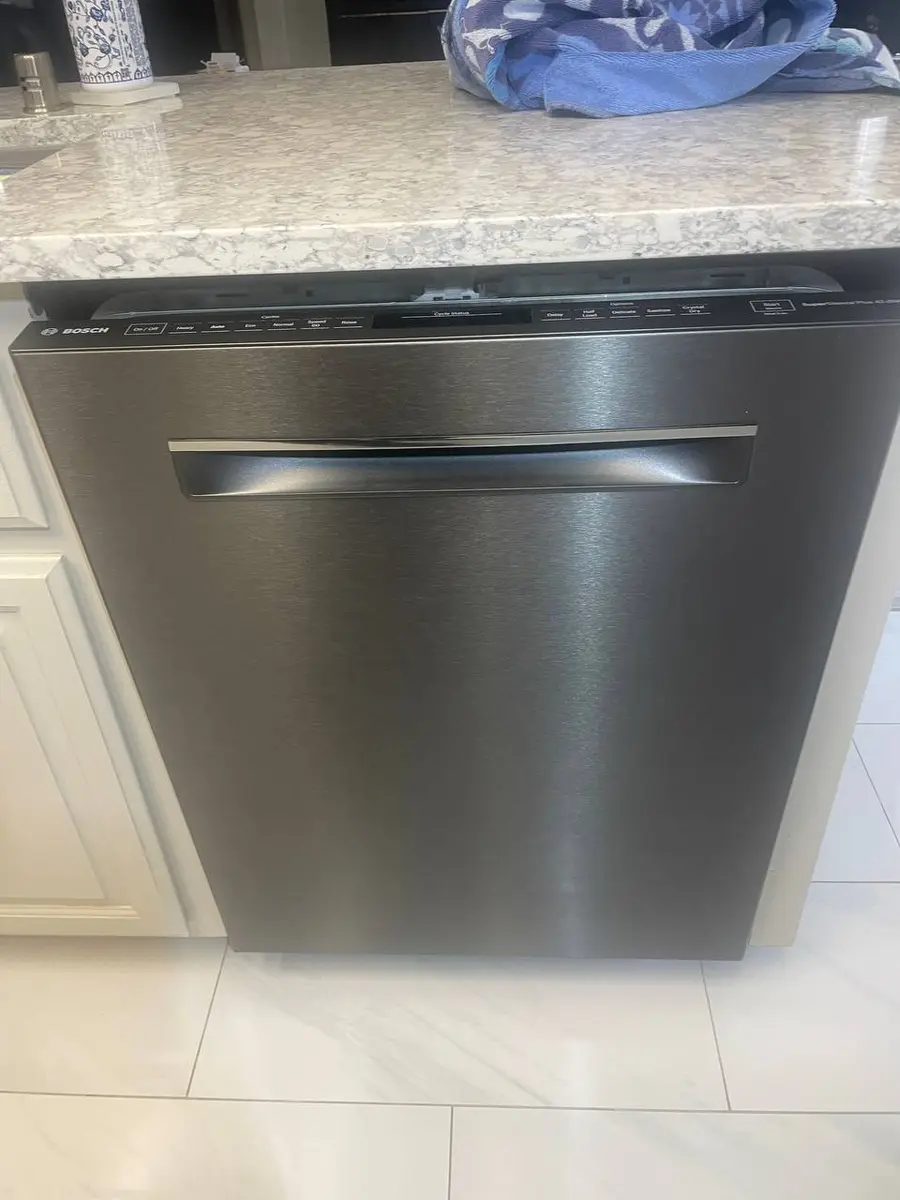
Not every dishwasher has a traditional exposed element. Bosch and some other European designs dry by condensation and use a flow-through heater built into the circulation pump instead. That heater is more involved to replace, so the job costs more than a simple element swap — but it is still worth repairing on a unit under about ten years old, given how long these premium machines last.
DIY or call a pro#
On dishwashers with an exposed element this is a moderate do-it-yourself repair: the element unclips from two terminals in the tub floor, and a multimeter confirms whether it has lost continuity. Most element replacements take 30 to 90 minutes for an experienced technician, including diagnosis and testing. If the drying fault is not clearly the element, a pro visit rules out the vent flap and dispenser in one go.
What replacement really costs#
Trading the whole dishwasher for a heating-element fault is almost always overkill. A new machine means arranging delivery, disconnecting and hauling away the old unit, reconnecting the water and drain lines, and sometimes adjusting the cabinet opening — plus the hours it takes and a new control layout to learn. An element repair, by contrast, is a single visit that leaves your kitchen exactly as it was. On any dishwasher with years of life ahead, the cheap part wins that comparison easily, and the calculus only flips when the machine is genuinely old or the element failure arrives alongside other tired components. Even a Bosch-style flow-through heater, pricier though it is, still beats replacing a premium unit years early.
Making the call#
For nearly every dishwasher under a decade old, replacing the heating element is the clear, economical fix. Confirm the element is truly the cause rather than a dispenser, flap, or setting, weigh the bill against half a new machine, and remember that a Bosch-style flow-through heater costs more but is still usually worth it. Handled that way, a drying problem is a cheap afternoon, not a reason to shop.
Senior Gas Appliance Specialist · 18 years experience
AGA-certified gas appliance specialist with 18 years of experience in residential and commercial oven, range, and cooktop repairs.