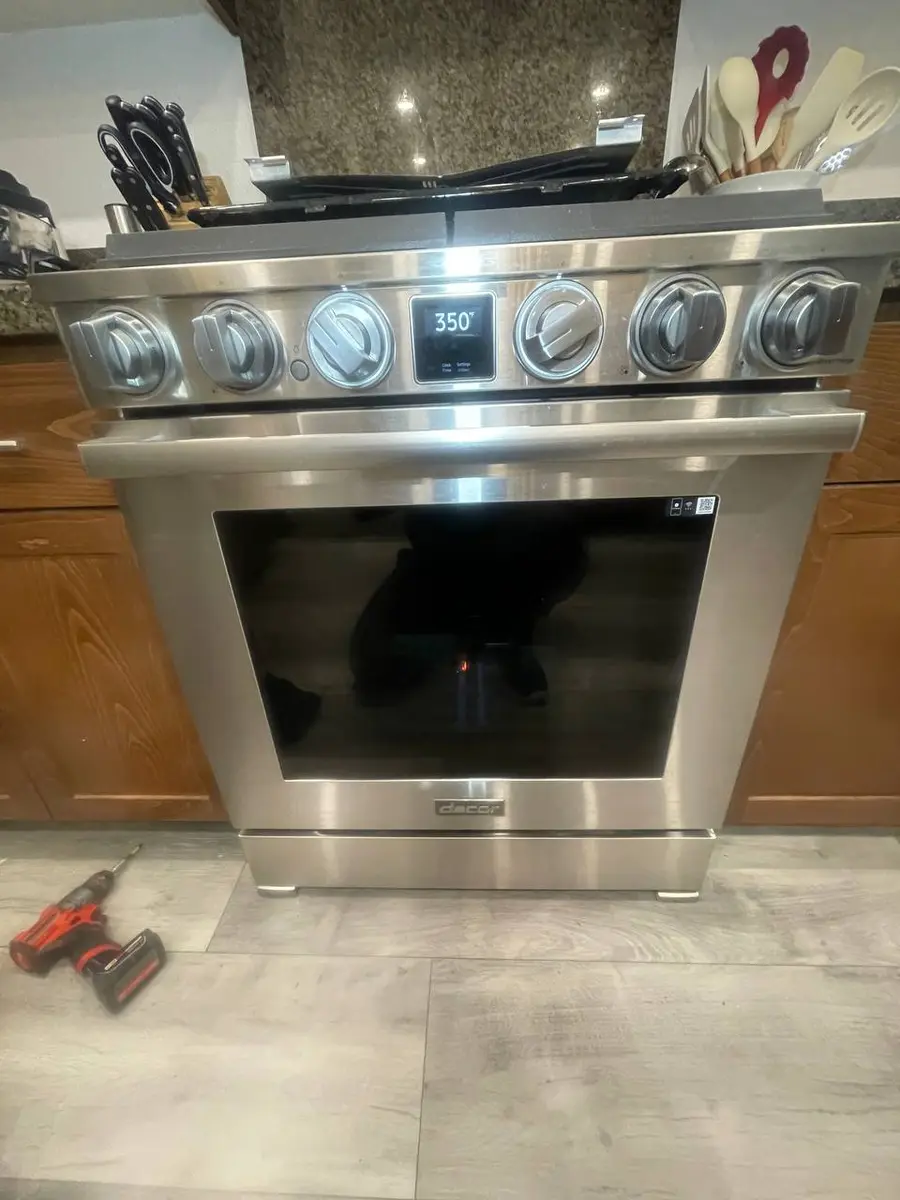
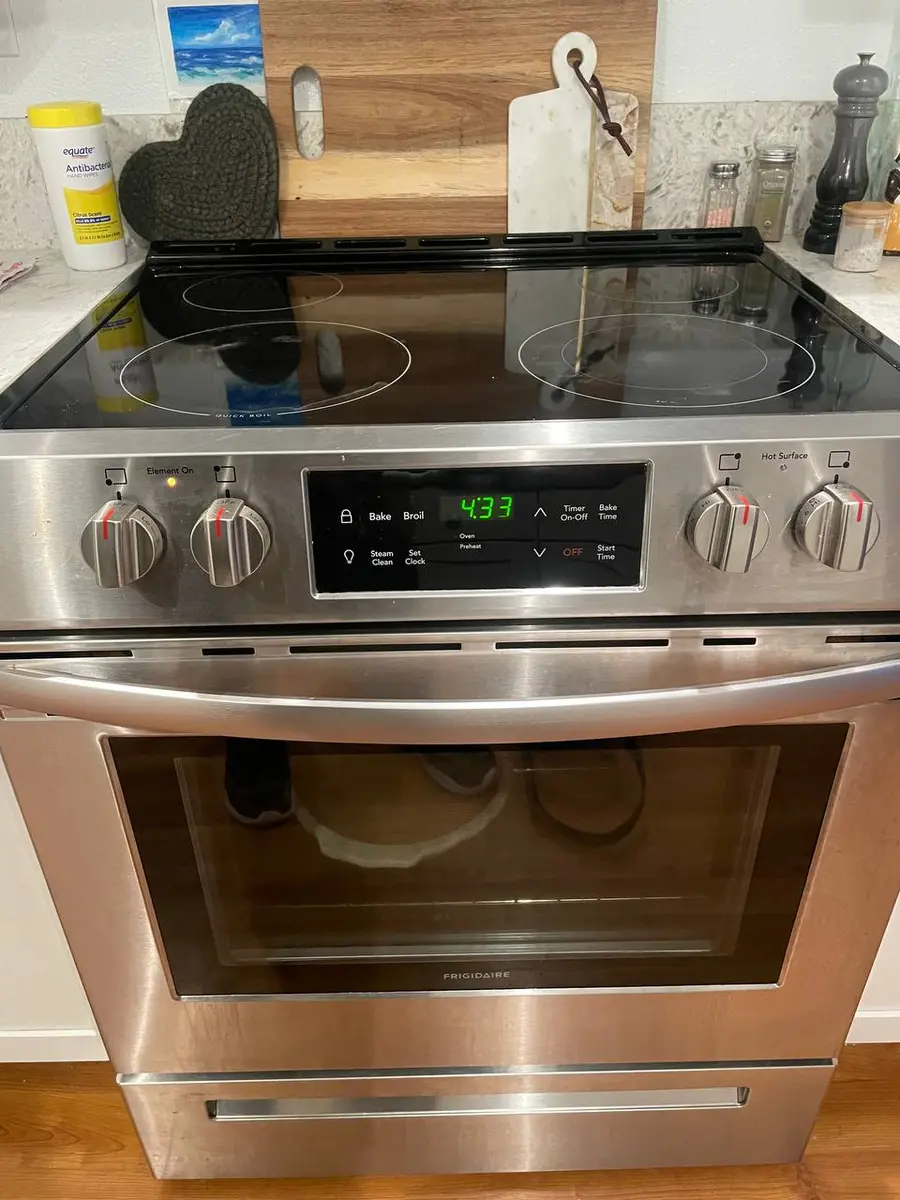
<p>When a Wolf oven develops won't turn off issues, the stakes are higher than with standard appliances. Wolf units represent a significant investment — often to or more — and require specialized diagnostic knowledge, proprietary parts, and factory-trained technicians. Generic repair guides miss the engineering specifics that make Wolf appliances unique. This guide provides Wolf-specific diagnosis, repair expectations, and cost estimates based on real service data.</p>
<h2>Quick Answer</h2>
<p>Wolf [oven won't turn off](/bay-area/services/oven-wont-turn-off) is most commonly caused by: Control board relay contacts welded closed — continuous power to element/igniter; Temperature sensor failed open — board believes oven is cold; Touchpad sending phantom signals. Expected repair cost: (luxury brands command a premium for proprietary parts and specialized labor).</p>
<h2>Why Wolf Repairs Are Different</h2>
<p>Wolf appliances are engineered with proprietary components, tighter tolerances, and advanced control systems that standard appliance repair training does not cover. Using aftermarket parts or generic repair approaches on a Wolf unit risks further damage, voiding remaining warranty coverage, and compromising the performance that justified the premium price. Always use a technician experienced with Wolf appliances specifically.</p>
<h2>Affected Wolf Models</h2>
<p>This symptom is reported across these [Wolf oven models](/blog/hub/models-wolf-oven):</p>
<ul>
<li><strong>DF486G</strong></li>
<li><strong>SO30PM</strong></li>
<li><strong>DO30PM</strong></li>
<li><strong>GR486G</strong></li>
</ul>
<h2>What Are the Common Causes?</h2>
<h3>1. Control board relay contacts welded closed — continuous power to element/igniter</h3>
<p>The electronic control board manages heating cycles, temperature regulation, and safety interlocks. Board failure typically manifests as no response to controls, erratic temperature swings, or persistent error codes after power cycling. Inspect the board for visible damage: bulging capacitors, darkened solder joints, or burnt relay contacts. Power-cycle the unit (breaker off for 10 minutes) before condemning the board. If the error returns immediately, the board has a hardware fault. OEM boards and require exact model matching.</p>
<p>Across hundreds of Wolf service calls, our technicians identify wear on the primary failure component as the primary culprit when diagnosing won't turn off — what to check.</p>
<h3>2. Temperature sensor failed open — board believes oven is cold</h3>
<p>The oven temperature sensor is an NTC (negative temperature coefficient) thermistor probe mounted inside the oven cavity. At room temperature (72F), it should read approximately 1080-1100 ohms. Resistance decreases as temperature rises. Measure at the sensor connector with the oven cold — an open circuit, shorted reading (near 0 ohms), or a value far outside the 1080 ohm range confirms failure. A drifted sensor causes the oven to overshoot or undershoot the set temperature by 25-75 degrees. Sensor replacement:.</p>
<h3>3. Touchpad sending phantom signals</h3>
<p>Touchpad membranes can develop phantom signal issues where the control board registers button presses that did not occur. This is typically caused by moisture infiltration behind the membrane, micro-cracks in the conductive traces, or a failing ribbon cable connection. The appliance may beep randomly, change settings, or lock up. Try disconnecting the ribbon cable — if errors stop, the touchpad membrane needs replacement. Clean the area behind the membrane of moisture. Touchpad membrane:.</p>
<h3>4. Door lock relay stuck in self-clean mode</h3>
<p>The door lock assembly uses a motorized latch and microswitches to secure the door during self-clean cycles and verify door position for bake operations. If the lock motor fails or a microswitch sticks, the oven may refuse to heat because the control board reads the door as open or locked in clean mode. Listen for the lock motor attempting to engage when you start a bake cycle. If the motor runs but the latch doesn't fully engage, the motor gear is stripped. If no motor sound, check for 120V at the motor connector. Lock assembly:.</p>
<h3>5. Wiring harness short behind control panel</h3>
<p>The control panel interface includes membrane switches (touchpad) and a display that communicate with the main control board. Moisture infiltration behind the membrane is the primary failure mode — buttons become unresponsive or activate erratically. Test by pressing each button firmly and checking for control board response. If some buttons work and others do not, the membrane has developed cracks in its conductive traces. A completely dead panel with a working control board indicates a failed ribbon cable connection. Panel replacement:.</p>
<h2>Step-by-Step Diagnosis</h2>
<p>Important: Wolf appliances often contain high-voltage components or gas connections. Do not attempt repairs beyond basic inspection unless you have professional training.</p>
<ol>
<li><strong>Record model and serial number:</strong> Located on the Wolf identification plate (typically inside the door frame or on the rear panel). This is essential for ordering correct proprietary parts.</li>
<li><strong>Note any error codes or indicator lights:</strong> Wolf control panels display diagnostic information that narrows the cause significantly. Record the exact code sequence.</li>
<li><strong>Check basic conditions:</strong> Verify power supply, water connections, and gas supply (if applicable) are functioning normally. Confirm the appliance is level and has proper ventilation clearance per Wolf installation specifications.</li>
<li><strong>Listen and observe:</strong> Run a short cycle and note any unusual sounds, vibrations, smells, or visual indicators. The pattern of the symptom (constant vs. intermittent, when in the cycle it occurs) provides key diagnostic information.</li>
<li><strong>Check warranty status:</strong> Wolf warranty coverage varies by model and component. Contact Wolf or check your purchase records before authorizing any out-of-pocket repair. Some components carry extended warranties beyond the base coverage period.</li>
</ol>
<h2>When Should You Call a Professional?</h2>
<p>For Wolf appliances, professional service is recommended for essentially all repairs beyond basic cleaning and filter replacement. The proprietary parts, specialized diagnostic software, and precise calibration requirements make DIY repair impractical and risky for the investment involved. Contact a Wolf-authorized service provider or an experienced luxury appliance repair company.</p>
<h2>How Much Does This Repair Cost?</h2>
<p>Typical repair cost range for Wolf oven won't turn off:.</p>
<p>Luxury appliance repairs carry a premium over standard brands due to: proprietary OEM parts (aftermarket alternatives are often unavailable or not recommended), specialized technician training requirements, and the precision calibration needed after major component replacement. However, given the + replacement cost of a new Wolf unit, repair is almost always the more economical choice.</p>
<h2>Frequently Asked Questions</h2>
<h3>Why does my Wolf oven keep heating after I turn it off?</h3>
<p>A Wolf oven that continues heating after being turned off almost always has a welded relay on the control board. During normal operation, the relay switches power to the igniter/element. If the relay contacts fuse together (often from a <a href="https://www.cpsc.gov/Safety-Education/Safety-Guides/General-Information/Electrical-Safety" rel="nofollow noopener" target="_blank">power surge</a> or aging), current flows continuously regardless of the control setting. Disconnect power at the breaker immediately and call for service. Control board replacement.</p>
<h3>Is a Wolf oven that wont turn off dangerous?</h3>
<p>Yes. An oven running continuously can overheat beyond safe temperatures, potentially causing fire or damage to surrounding cabinetry. If your Wolf oven continues heating after being turned off, shut off the circuit breaker immediately. On gas models, also turn off the gas supply valve behind the range. Do not attempt to use the oven until repaired.</p>
<h3>How much does it cost to fix a Wolf oven that wont turn off?</h3>
<p>Wolf oven continuous-heating repairs. Control board replacement (the most common fix) including the proprietary Wolf board and labor. Temperature sensor replacement. If only the relay is faulty, some technicians can replace the individual relay component for avoiding full board replacement.</p>
<p><em>Need expert Wolf repair? <a href="/book">Book an EasyBear technician</a> for professional Wolf oven service. Our technicians are experienced with luxury appliance brands and carry specialized diagnostic tools.</em></p>
4.85 (232 verified reviews)
Same-Day Appliance Repair
Fixed or It's Free
Free Service Call & Diagnosis — no hidden fees, offer ends Jun 10
AT
Angela Thompson
Appliance Repair Technician · 11 years experience
EPA 608 UniversalNASTeC Certified
Experienced technician with 11 years specializing in Frigidaire and Electrolux refrigerator and dryer repair with a focus on safety.