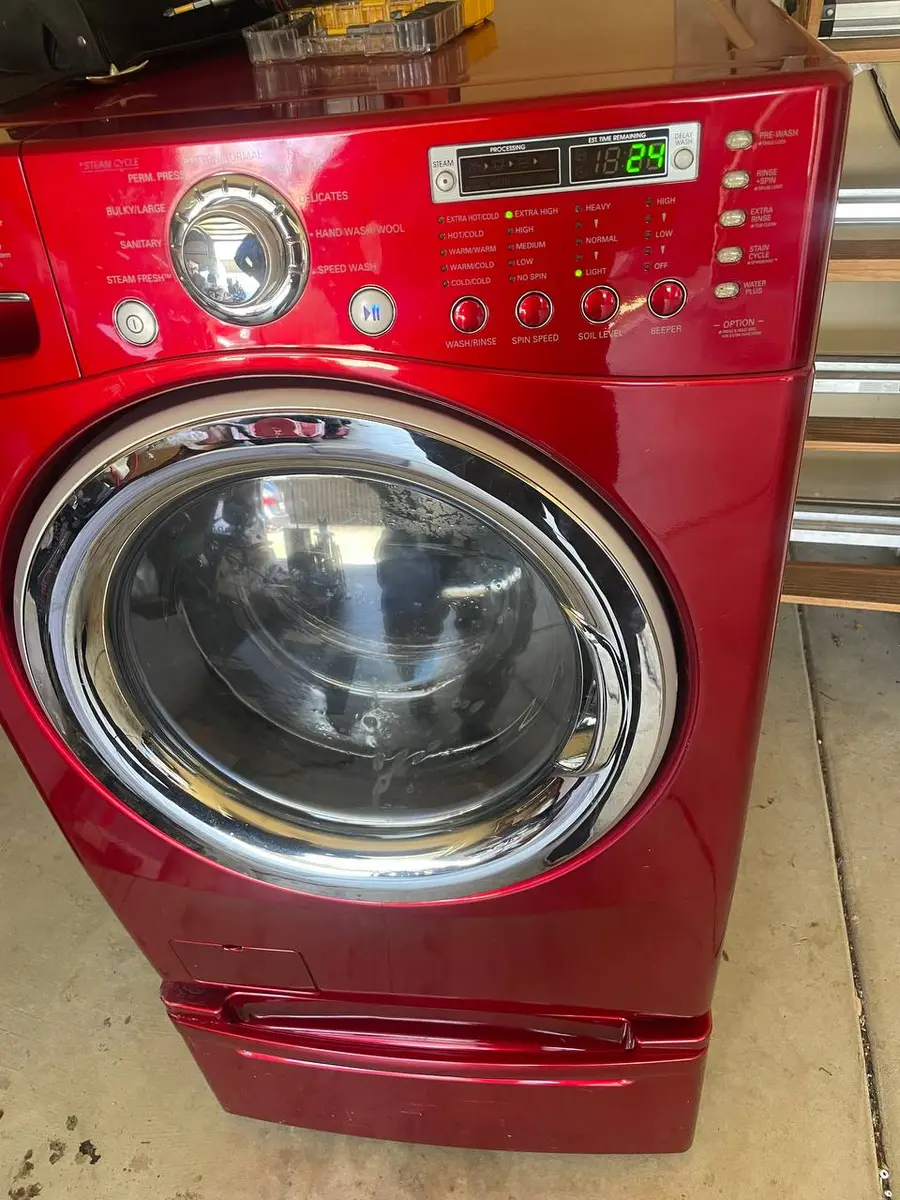
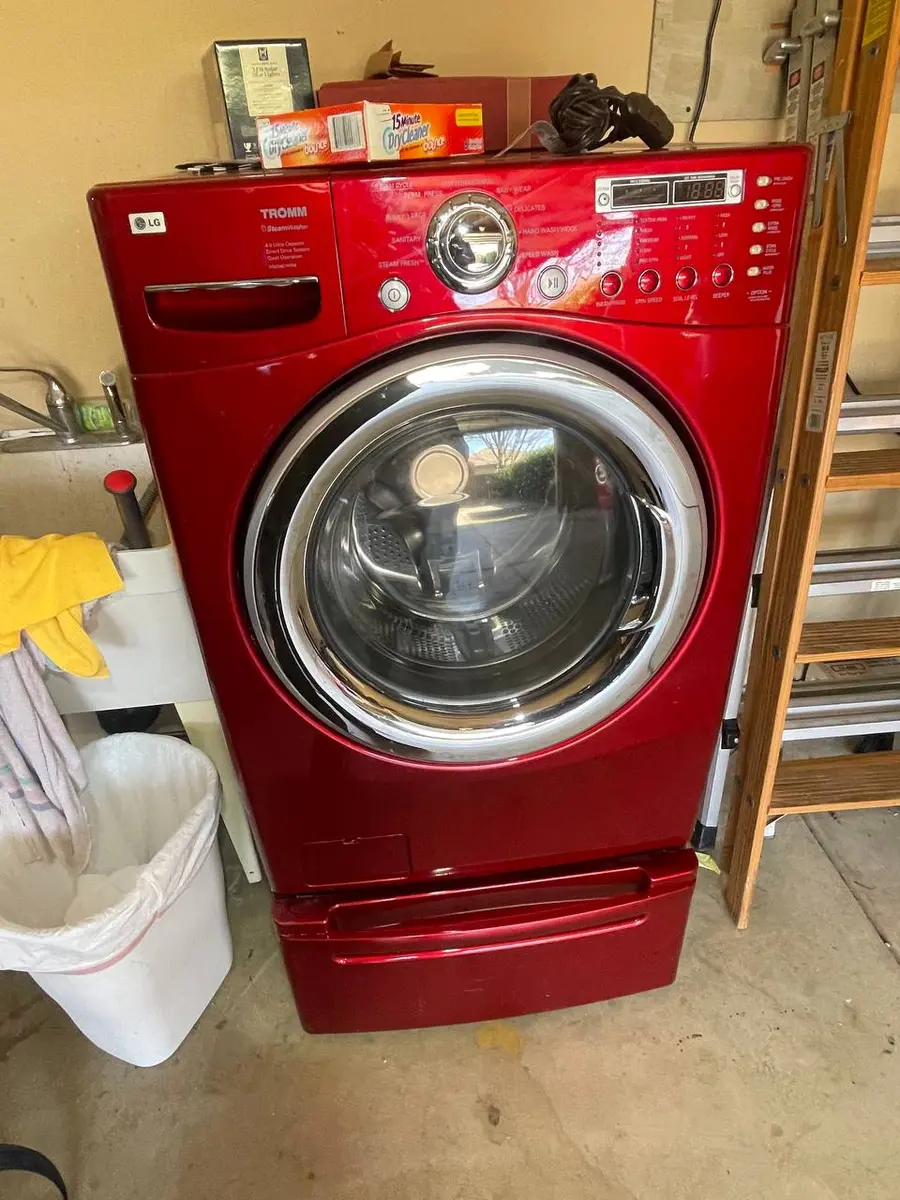
Washing Machine Wattage and Cost to Run
A washing machine itself draws about 400-1,400 watts during a cycle and uses only around 5-15 kWh a month of electricity — roughly $1-3 a month nationally at $0.17/kWh, or about $2-5 a month in California at $0.30/kWh. The catch: that figure counts the washer's own electricity. If you wash in hot water, the water…
Here is the thing most cost-to-run articles get wrong about washers: the machine sipping power to spin a drum and run a pump is cheap. The money is in heating water. A [washing machine](/blog/repair-or-replace-washer)'s own electricity is one of the smallest appliance loads in the house; the temperature dial is the switch that actually moves your utility bill, because a hot wash asks your water heater — gas or electric — to warm many gallons per load. Understanding that split is the whole game.
How many watts does a washing machine use?#
Draw swings during a cycle: low while filling and soaking, higher during the spin, and highest of all only if the machine has an internal heater running. The electric-only monthly energy stays small because a cycle is under an hour and you run a handful a week.
| What is running | Draw | Usage | Electric kWh/month |
|---|---|---|---|
| Washer motor, pump, controls (per cycle) | 400-1,400 W | About 4-6 cycles a week | 5-15 |
| Hot-water heating for the load | Handled by your water heater | Only on warm/hot cycles | Billed separately (the big variable) |
The higher end of that 400-1,400 watt band is mostly the spin cycle and, on some models, an onboard heater for sanitize cycles. The base wash-and-drain work is toward the low end.
Do You Have the Right Tools?
Bearing puller set ($120), drum spider wrench ($85), multimeter ($85), and diagnostic software. Our technician arrives with $3,000+ in professional tools — your diagnostic is free.
Licensed & Insured · 90-Day Warranty · Same-Day Service
How much electricity (kWh) does a washer use per month — and what does it cost?#
For the washer's own electricity the formula is the usual one, and the answer is small.
Monthly cost = kWh per month × your rate. At 10 kWh/month that is 10 × $0.17 = $1.70 nationally, or 10 × $0.30 = $3.00 in California. Even at the top of the range the machine's own draw is a rounding error on most bills.
| Washer electricity | kWh/month | At $0.17/kWh (national) | At $0.30/kWh (California) |
|---|---|---|---|
| Light use, cold/cool washes | 5-10 | about $1-2/mo | about $2-3/mo |
| Heavier use, more spins | 10-15 | about $2-3/mo | about $3-5/mo |
The single biggest thing you can do to cut washing costs is not on this table — it is switching from hot to cold or warm water, which shifts load off your water heater. The wash gets the clothes clean; the heat is what costs.
When a high running cost signals a fault#
Because the washer's own draw is so small, a fault rarely shows up as a big electricity jump — but a few problems waste water, time, and energy:
- Clothes come out soaked and need a second spin. A worn drain pump or an unbalanced drum means extra cycles, which also makes the dryer work harder downstream.
- A stuck hot-water valve. If the machine draws hot when you selected cold, your water heater is paying for washes you meant to run cheap.
- Long, stalled cycles. A control or sensor fault that stretches every load adds runtime you do not need.
None of these will bankrupt you on the electric meter, but a failing pump or bearing is a repair-worth-evaluating question in its own right — see our repair-or-replace washer guide and the washer lifespan guide for where the line falls.
Safety First — Know the Risks
High-voltage components and pressurized water lines create flood and shock risk. A single loose fitting can cause thousands in water damage. Our techs are licensed and insured — let them handle the risk.
Licensed & Insured · 90-Day Warranty · Same-Day Service
What does a washing machine cost to run in California?#
The washer's own electricity is only about $2-5 a month in California, so the machine is cheap here too. The real California lever is water heating: if your water heater is electric and you are on a time-of-use plan, running hot loads in the expensive late-afternoon peak is the costly pattern. Shifting laundry to off-peak evenings or overnight, and washing in cold when you can, is where the savings actually live — not in the washer's modest motor draw.
The bottom line#
A washing machine is one of the cheapest appliances to run on its own electricity — a few dollars a month. Treat the temperature dial, not the machine, as the cost control: cold and warm washes keep your water heater out of the picture, and on a California time-of-use plan, timing your loads off-peak does the rest.
When someone tells me their laundry is driving the bill, I ask two questions before anything else: hot or cold washes, and gas or electric water heater. Nine times out of ten the answer is there, not inside the washer.
The Real Cost of DIY
Average DIY attempt: $150-400 in tools you may use once, plus the risk of further damage. Our diagnostic visit costs $0 — we find the problem and give you an honest quote.
Licensed & Insured · 90-Day Warranty · Same-Day Service
Washing machine cost per day, per month, and per year#
These figures are the washer's own electricity only — water heating is billed separately through your water heater and is the larger variable on hot washes.
| Timeframe | At $0.17/kWh (national) | At $0.30/kWh (California) |
|---|---|---|
| Per week (a handful of loads) | a few cents to about 70 cents | about 12 cents to $1.20 |
| Per month | about $1-3 | about $2-5 |
| Per year | about $12-36 | about $24-60 |
How to lower your washing machine's running cost#
- Wash in cold or warm. This is the whole game — most of a hot wash's cost is heating water, and cold cleans everyday laundry perfectly well.
- Run full loads. The machine uses similar energy whether half or fully loaded, so fewer, fuller loads cost less overall.
- Use the high-speed spin. Wringing more water out in the washer means the dryer — a far bigger energy user — has less work to do.
- In California, run off-peak. If your water heater is electric, shifting hot loads out of the late-afternoon peak trims the water-heating cost too.
Don't Void Your Warranty
Opening your appliance yourself may void the manufacturer warranty. Our repair comes with a 90-day guarantee, and we document everything for warranty compliance.
Licensed & Insured · 90-Day Warranty · Same-Day Service
Where a washing machine ranks on your electric bill#
On the electric meter alone, the washer is one of the cheapest appliances you own — its 5-15 kWh a month sits far below the dryer it pairs with, which uses several times more. That contrast is worth remembering: the two machines stand side by side, but the dryer, not the washer, is where laundry actually costs money. If your laundry-room electricity feels high, the washer is almost never the reason. The one place a washer can quietly inflate a bill is indirectly — through hot water on the separate water-heater line, and through a weak spin that hands the dryer wetter clothes and a longer, costlier cycle.
Frequently Asked Questions#
How much electricity does a washing machine use?#
The machine itself draws about 400-1,400 watts during a cycle and uses only around 5-15 kWh of electricity per month. That excludes water heating, which is billed through your water heater and is the larger cost on hot or warm washes.
How much does it cost to run a washing machine per month?#
The washer's own electricity is about $1-3 a month nationally and $2-5 in California. Hot-water washes add a separate cost through your water heater that can dwarf the machine's draw.
Does washing in cold water save money?#
Yes, and it is the biggest saving available. Most of a hot wash's cost is heating the water, not running the machine. Switching to cold or warm keeps that load off your water heater and barely changes cleaning results for everyday laundry.
Is it cheaper to run the washer at night?#
On a California time-of-use plan, yes — running loads off-peak (evening or overnight) is cheaper than the late-afternoon peak, especially if your water heater is electric. On a flat rate the timing does not change the bill.
Does an old washing machine use more electricity?#
Only marginally on the electric side, since the machine's own draw is small either way. The bigger efficiency gap in older washers is water use, which raises the hot-water heating cost — not the motor's electricity.
Senior Appliance Repair Technician · 15 years experience
EPA-certified technician with 15 years of experience specializing in refrigerator and cooling system repairs.