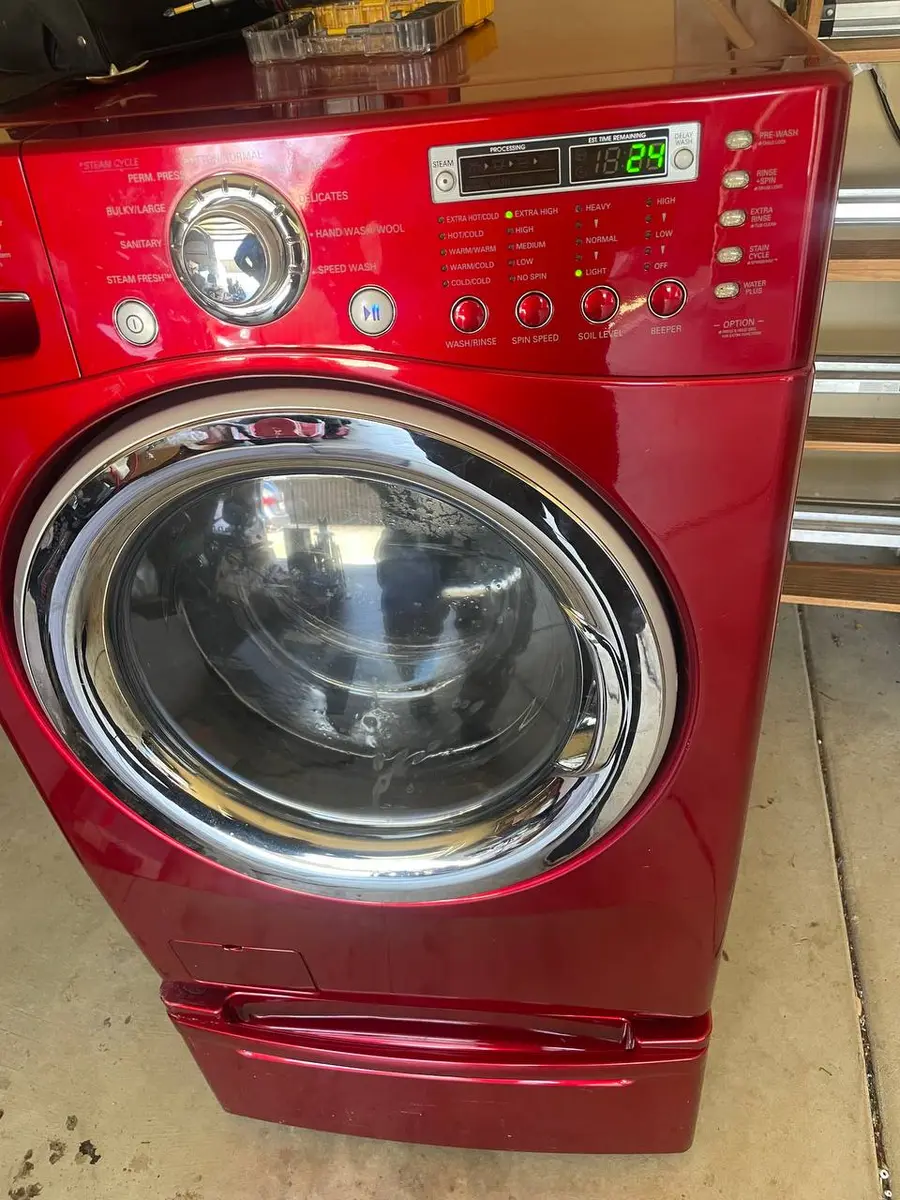
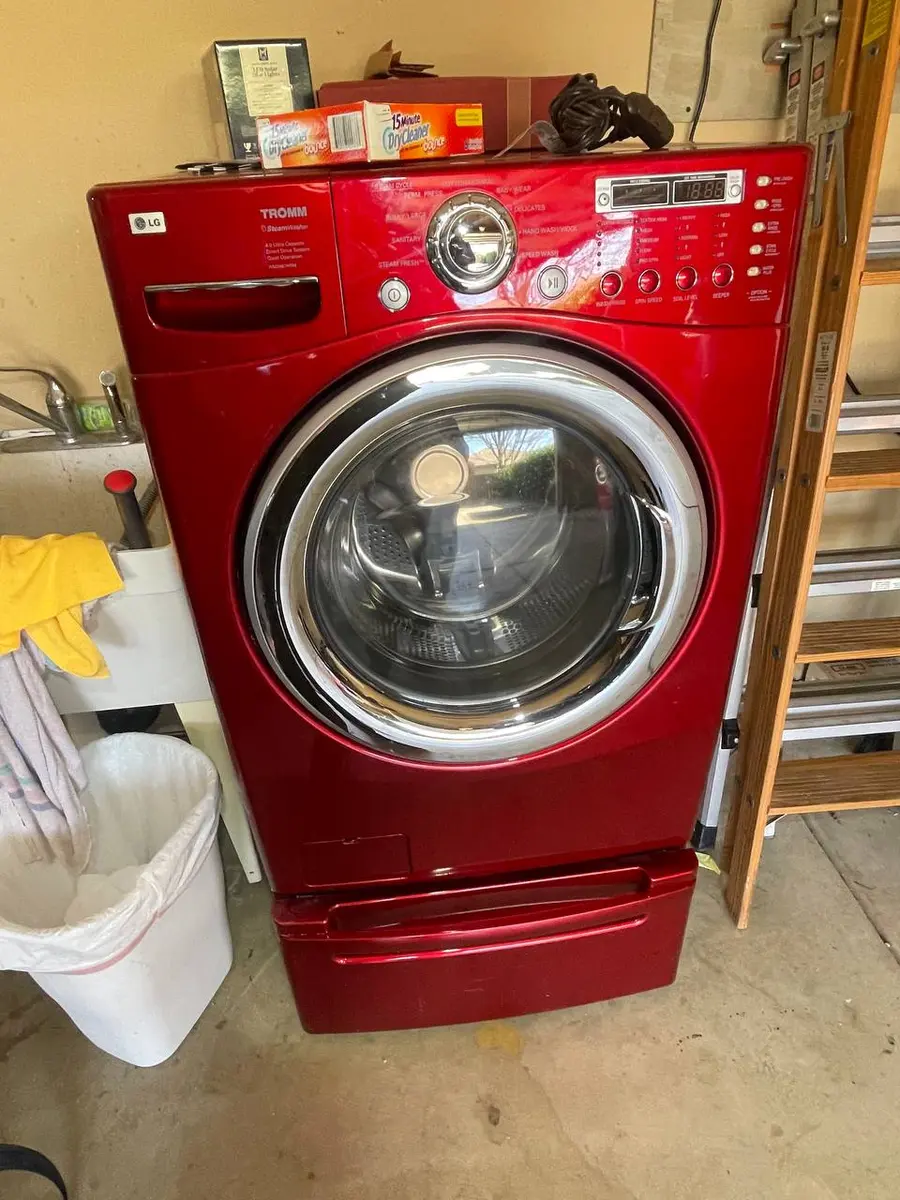
The washing machine handles one of the most relentless chores in the house, and a household's laundry volume — not the calendar — is what really sets its clock. Understanding which type you own tells you most of what you need to know about how long it will serve you.
How Long Does a Washing Machine Last?
Washing machines last 10–14 years, averaging around 11. The design you own moves you within that band, and one component in particular decides where front-loaders land.
| Type | Typical lifespan | What drives it |
|---|---|---|
| Top-load agitator | toward the top of 10–14 yr | simple, proven mechanics with few electronics |
| High-efficiency top-load | 10–14 yr | more sensors and electronics than an agitator |
| Front-load | 10–14 yr (avg ~11) | drum bearings are the age-killer |
Front-loaders are gentler on clothes and far more water-efficient, but they carry the one failure mode that ends washers before their time.
What Actually Ends a Washer's Life
For front-loaders, the life-ending component is the drum bearing. The drum spins at high speed on a set of bearings sealed behind the tub, and when they wear out you get a loud rumbling or grinding on the spin cycle.
Most other repairs are far more forgiving and worth doing at nearly any age:
- Drain pump: the fix for "won't drain" or standing water.
- Water inlet valve or drive belt: inexpensive, common, worth it.
- Control board: evaluate by age; borderline on older machines.
The takeaway: a washer that will not drain or fill is usually a cheap, worthwhile repair. A washer that sounds like a jet engine on spin is telling you the bearings are going — and that is the repair that decides its fate.
How to Get More Years From Your Washer
- Do not overload. Cramming the drum stresses the bearings, suspension, and motor more than any other habit.
- Leave the door open between washes on a front-loader so the gasket dries and does not grow mildew.
- Clean the gasket and run a monthly tub-clean cycle to clear detergent residue and odor.
- Use the right amount of HE detergent. Excess suds make the machine work harder and rinse longer.
- Level the machine. A washer that rocks during spin wears its bearings and suspension unevenly.
What to Do at 5, 10, and 15 Years
| Age | Where it stands | What to do |
|---|---|---|
| ~5 years | early life | repair anything, including bearings — see is it worth repairing a 5-year-old washer? |
| ~10 years | near the average | fix cheap pump/valve issues; think twice on bearings — see the 10-year guide |
| ~15 years | past expected life | replace-leaning on any major repair — see the 15-year guide |
Rather have a pro handle it?
A vetted local technician can come out and diagnose your washer at home.
Repair or Replace: Running the Numbers
Use the 50% rule: if a repair exceeds half the price of a comparable new machine, replace.
For the complete framework, see our washer repair-or-replace guide.
From Our Technicians
The single best predictor we see is the spin-cycle sound: quiet machines with a drain or fill fault are easy, worthwhile repairs, while a bearing rumble on an older front-loader is usually the moment to start shopping.
Signs Your Washer Is Near the End
The spin cycle tells you most of what you need to know about a washer's health:
- A loud rumbling or grinding during spin — the classic sign of worn drum bearings on a front-loader.
- The drum rocks, walks, or bangs even on a level floor, hinting at failed shocks or suspension.
- Water left in the tub, or clothes still soaking after the cycle, pointing to a pump or drain fault.
- Repeated error codes or a control board that resets mid-cycle.
- Visible rust or a cracked outer tub, which is effectively terminal on an older machine.
Does Brand or Type Affect How Long a Washer Lasts?
Type matters more than brand. Simple top-load agitators have the fewest electronics and the most forgiving mechanics, so they tend toward the top of the 10–14-year range. High-efficiency top-loaders and front-loaders add sensors, computer controls, and — on front-loaders — the drum bearings that are the category's age-killer. Front-loaders reward the owner who does not overload and who keeps the door and gasket dry between washes. Across every type, the units that last longest are the ones that are loaded sensibly, kept level, and given the right dose of HE detergent. Chase habits, not a badge.
Frequently Asked Questions
How long does a washing machine last?
Washing machines last 10–14 years, averaging about 11. Simple top-load agitators tend toward the top of the range, while feature-rich and front-load machines land in the middle depending on load habits and maintenance.
Do front-load or top-load washers last longer?
Both fall in the 10–14-year band, but front-loaders carry the drum-bearing failure mode that can end them earlier. Simple top-load agitators have fewer parts to fail and often reach the top of the range.
What usually kills a washing machine?
On front-loaders, worn drum bearings.
What shortens a washing machine lifespan?
Overloading, above all — it stresses the bearings, suspension, and motor. An unlevel machine, too much detergent, and a mildewed gasket left wet between washes also take a toll over time.
Is a 10-year-old washer worth fixing?
Our 10-year washer guide walks through the numbers.
Does the 50% rule apply to washers?
Yes.
How much does a washing machine repair cost?
The expensive one is a front-load drum bearing, which is labor-heavy enough to lean toward replacement once the machine is past about 8 years.
When should I replace a washer instead of repairing it?
Replace when a repair exceeds 50% of a comparable new machine, which a bearing or control-board job on an older front-loader can reach. Cheaper pump, valve, and belt repairs stay well on the repair side of that line.
Is a front-load washer bearing repair worth it?
It depends on age.