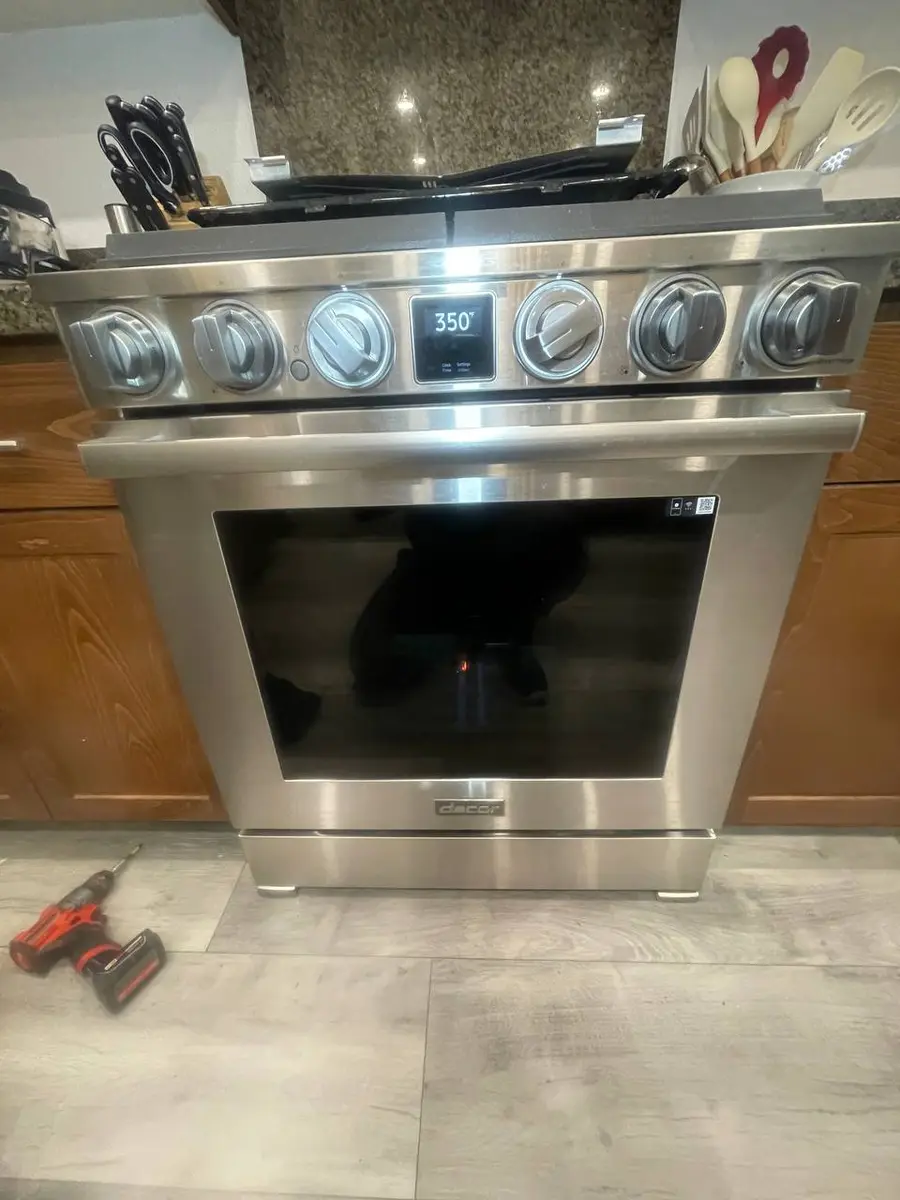
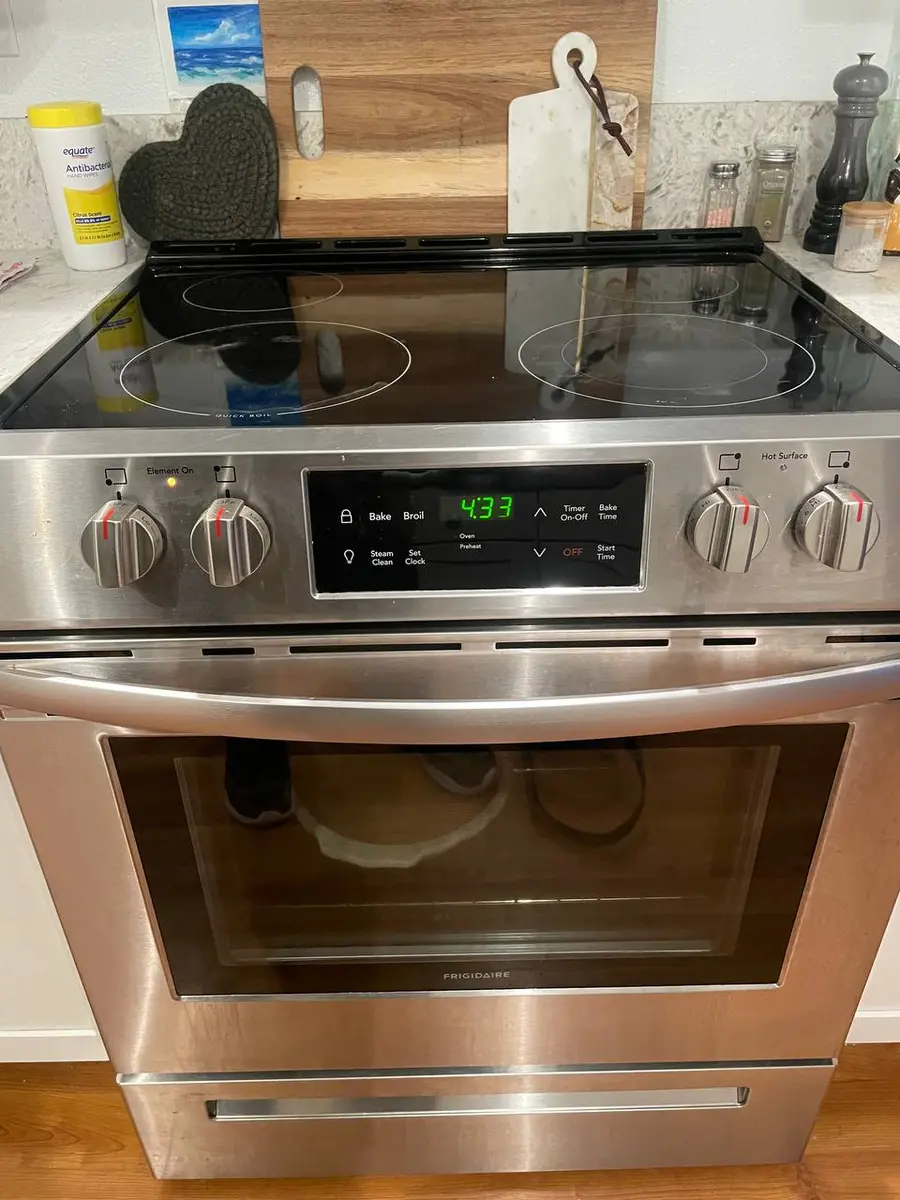
Updated 2026-07. Search "most reliable range" and you will find dozens of ranked lists, each crowning a different winner. We do not publish a failure-rate ranking, because we do not hold a dataset broad enough to responsibly call one brand more reliable than another. What we can do is show you how to reason about range reliability from the public record: the engineering of the cooking surface, the warranties manufacturers are willing to put in writing, and the recalls already on file. That reasoning outlasts any single year's ranking.
Why We Do Not Publish a Failure-Rate Ranking#
A trustworthy failure-rate number needs a large, representative sample and a controlled definition of "failure." Marketing lists rarely have either. So instead of inventing a score, this guide leans on facts you can verify yourself: how a range is built, what its warranty covers and for how long, and whether it has an active recall. None of that requires a proprietary database — and all of it is more durable than a leaderboard that changes every spring.
Do You Have the Right Tools?
Combustion analyzer ($300), igniter tester ($120), temperature calibrator ($150), and gas pressure manometer. Our technician arrives with $3,000+ in professional tools — your diagnostic is free.
Licensed & Insured · 90-Day Warranty · Same-Day Service
The Range Architecture Decides the Failure Surface#
A "range" combines a cooktop and an oven in one freestanding or slide-in unit, so it inherits the failure points of both. The cooking technology you choose changes which parts can fail:
| Architecture | How it heats | Reliability reasoning (design, not measurement) |
|---|---|---|
| Gas (sealed burners) | Open flame, spark igniter | Mechanically simple; the surface igniter is the most common wear part and a classic inexpensive repair. Sealed burners resist spills better than open burners. |
| Electric coil / radiant | Resistive elements | Bake and surface elements are cheap, standardized, and easy to swap; radiant glass tops add a control board but few moving parts. |
| Induction | Electromagnetic coils | No burner igniters or gas valves to fail, but the electronics and cooktop glass carry more of the risk; a failed control board is the expensive fault. |
| Dual-fuel | Gas cooktop + electric oven | Combines both failure surfaces and adds complexity; favored for cooking performance, not for simplicity. |
The pattern to take away: fewer electronics and fewer sealed subsystems mean fewer failure points. A mechanical-knob gas range has less to break than a touchscreen dual-fuel model — all else equal. That is an engineering truth, not a brand verdict.
The Parts That Actually Fail — and What They Cost to Fix#
Reliability is only half the question; repairability is the other half. On ranges, the common faults are reassuringly affordable, which is why ovens and ranges are among the longest-lived kitchen appliances. Editor-reference repair totals (parts plus labor):
| Fault | Typical total | Verdict lean |
|---|---|---|
| Gas igniter | $150-300 | Repair — a classic cheap fix |
| Bake / broil element | $150-280 | Repair |
| Control board | $300-600 | Evaluate by age; ranges justify repair longer than most appliances |
Because a control board is the one costly fault, the reliability question for a modern range is really a question about its electronics. A model with a simple relay board and physical knobs concentrates far less risk than one built around a large capacitive touch display.
Safety First — Know the Risks
Gas ovens involve live gas lines — a loose connection creates explosion and carbon monoxide risk. Electric ovens run on 240V circuits. Our techs are licensed and insured — let them handle the risk.
Licensed & Insured · 90-Day Warranty · Same-Day Service
Warranty Length Is a Signal You Can Read Before Buying#
Manufacturers publish their warranty terms, and those terms are a public statement of confidence. Use the structure — not marketing copy — as your signal:
| Coverage | Typical published term | What it signals |
|---|---|---|
| Full unit (parts + labor) | 1 year (industry standard) | Baseline; every major brand offers it |
| Specific components (elements, some electronics) | Varies by model — read the card | Longer component coverage signals confidence in that part |
| Statutory parts availability (California SB-244) | 7 years after last manufacture (units over $100, 2017+) | Parts and documentation must stay available — a repairability guarantee independent of the brand |
SB-244 is the quiet hero here: for any range built from 2017 onward, California law requires the maker to keep parts, tools, and documentation available for at least seven years after the model stops being made. That single fact does more for real-world reliability than most brand rankings, because a repairable range is a reliable range.
Every Major Brand Has Range Recalls on File#
Recalls are public record, and every major manufacturer has issued them — for oven fires, gas leaks, and the widely-reported knob designs that let ranges turn on when bumped. A recall is not a reason to avoid a brand outright; it is a reason to check your specific model. Before you buy or if you already own a unit, confirm it is clear: see check if your range or oven is recalled and the 2026 appliance recall guide. Existence of a past recall tells you the maker and the CPSC are actively watching that product line — which is genuinely useful information.
The Real Cost of DIY
Average DIY attempt: $150-400 in tools you may use once, plus the risk of further damage. Our diagnostic visit costs $0 — we find the problem and give you an honest quote.
Licensed & Insured · 90-Day Warranty · Same-Day Service
Buy for Repairability, Not for a Leaderboard#
Because ranges are long-lived (see below), the smartest reliability move is to buy one you can keep fixing:
- Prefer mechanical controls if longevity is your priority — knobs and relay boards outlast large touch displays.
- Check parts availability for the model line; SB-244 covers 2017+ units, and established brands ship common parts (igniters, elements) within days.
- Freestanding over slide-in for easier, cheaper replacement and service access, if the built-in look is not essential.
- Favor an established model line — a range that has been on the market two-plus years has had its early production issues resolved.
Lifespan and the Repair-or-Replace Math#
An oven or range is the longest-lived kitchen appliance: typically 13-15 years, with gas nearer 15 and electric nearer 13. Mid-range replacement runs $700-2,200, so the decision framework is the 50% rule — if a repair costs more than half the price of a comparable new range, replacement starts to make sense, weighed against age. A $200 igniter on a 6-year-old range is an easy repair; a $550 control board on a 14-year-old unit is a closer call. Work the numbers with how long ranges last and the range running-cost guide, then compare with wall-oven reliability and cooktop reliability if you are considering separates. The most expensive ranges to repair breakdown helps you avoid the models that fight the 50% rule.
Don't Void Your Warranty
Opening your appliance yourself may void the manufacturer warranty. Our repair comes with a 90-day guarantee, and we document everything for warranty compliance.
Licensed & Insured · 90-Day Warranty · Same-Day Service
What We Recommend#
We do not crown a single most-reliable range brand — the honest answer is that no brand wins every category. Instead, match the architecture to your priority. Want maximum simplicity and the cheapest repairs? A sealed-burner gas range with mechanical controls. Want a clean glass surface with no igniters to fail? Induction, accepting that the control board is the part to insure with good warranty coverage. Cooking performance above all? Dual-fuel, understanding you are buying more complexity. Then confirm the specific model is recall-clear and parts-supported, and you will own a range that stays reliable because it stays repairable.
Maintenance That Keeps a Range Reliable#
A range earns its long lifespan partly through upkeep, and the maintenance is simple. On gas models, keep the burner ports and the surface igniter clean and dry — a spill-fouled igniter is the most common reason a burner will click but not light, and cleaning it is often all a "broken" burner needs. On any range, check the oven door gasket once a year; a crushed or torn seal lets heat escape, makes the oven work harder, and slowly stresses the element and control. Wipe spills before they bake onto the cooktop glass or around the knobs, and avoid letting liquids seep into the control panel, which is the one costly part to replace. None of this requires a technician, and all of it pushes a range toward the top of its 13-15-year range.
Is It Worth Your Time?
Oven temperature issues require systematic testing of the igniter, gas valve, thermostat, and calibration. Average DIY: 4-6 hours. Our technician diagnoses the issue in about 30 minutes — same-day appointments available.
Licensed & Insured · 90-Day Warranty · Same-Day Service
Matching the Range to Your Kitchen#
The most reliable range for you is the one that fits your fuel supply and cooking without forcing complexity you do not need. If your home is already plumbed for gas, a sealed-burner gas range is the simplest, cheapest-to-repair path. If you are all-electric or want the easiest surface to clean with no igniters to fail, induction is the natural fit — just budget for good warranty coverage on the electronics. Only reach for dual-fuel if the gas-cooktop-plus-electric-oven combination genuinely matters to your cooking, because it is the most complex of the four architectures. Deciding on this axis first does more for real-world reliability than chasing a brand name.
In our California service area, the ranges we are called out to are usually asking for a gas igniter or a bake element — classic, well-understood fixes. A typical labor charge here runs $150-350, and most range repairs land well under the price of replacing the unit. That is the quiet advantage of a long-lived appliance: the math almost always favors keeping it.
Range acting up? Our certified technicians service every major brand. Book a diagnostic visit.
Senior Gas Appliance Specialist · 18 years experience
AGA-certified gas appliance specialist with 18 years of experience in residential and commercial oven, range, and cooktop repairs.