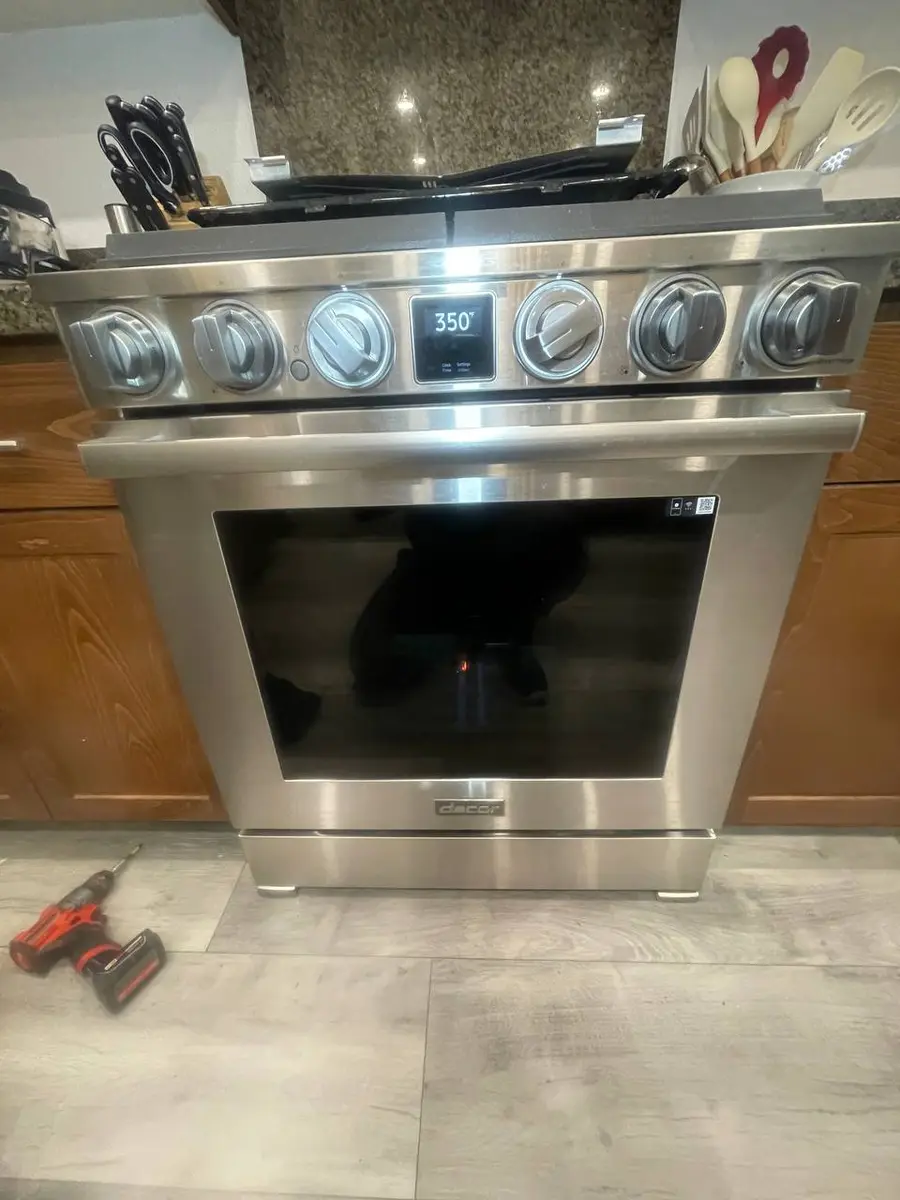
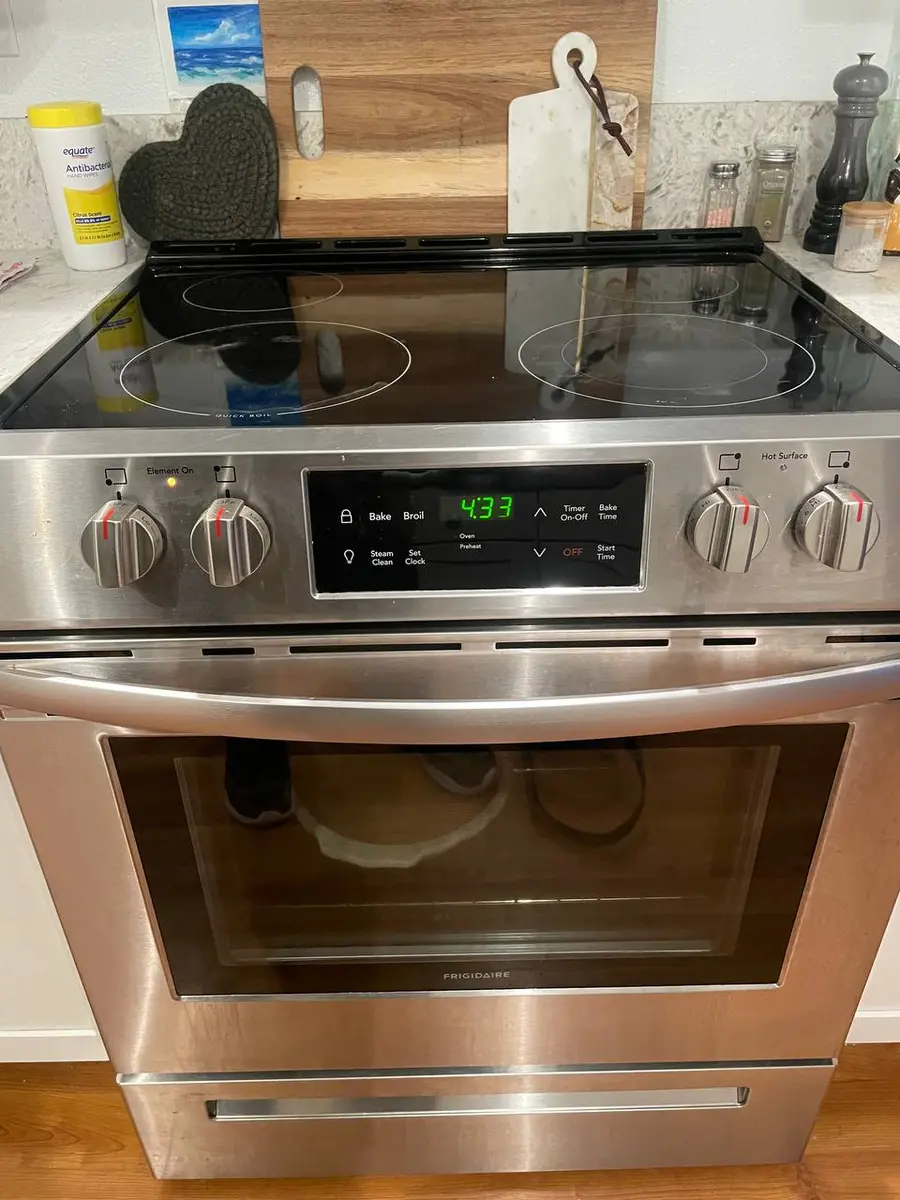
A range is an oven and a cooktop welded into one appliance, so it inherits the oven's greatest strength: exceptional longevity. If anything, the cooking surface on top is even simpler than the oven below it, which is why a range is one of the most durable purchases in the kitchen.
How Long Does a Range Last?#
A range lasts 13–15 years, and the fuel type is the biggest lever. Gas ranges lean toward 15; electric ranges average around 13. Both are anchored by the same undemanding job — apply heat — that makes the whole oven-and-range family so long-lived.
| Type | Typical lifespan | What drives it |
|---|---|---|
| Gas range | toward 15 yr | simple burners and cheap, replaceable igniters |
| Electric coil range | ~13 yr | coils are individually replaceable; simple controls |
| Induction / smooth-top range | ~13 yr | glass surface and more electronics to age |
Gas ranges are the durability champions of the category: burners and igniters are among the cheapest parts in the kitchen, and there is very little else to fail.
Do You Have the Right Tools?
Combustion analyzer ($300), igniter tester ($120), temperature calibrator ($150), and gas pressure manometer. Our technician arrives with $3,000+ in professional tools — your diagnostic is free.
Licensed & Insured · 90-Day Warranty · Same-Day Service
What Actually Ends a Range's Life#
A range has two halves that fail differently, and neither ends the appliance easily.
On the cooktop side, the common failures are cheap and specific — a gas igniter at $150–300, or an electric element in the $150–280 range. A single dead burner almost never justifies replacing the whole range.
On the oven side, the one repair that can end a range is the control board at $300–600. As with any oven, though, the long lifespan means a repaired board still has years to earn its keep, so even this is a judgment call rather than a foregone replacement.
The practical upshot: burner and igniter problems are trivial repairs, and only a control-board failure on a range near the end of its life warrants a real repair-or-replace conversation.
How to Get More Years From Your Range#
- Keep gas burner ports clear. Clogged ports cause weak or uneven flames and make the igniter click and strain.
- Clean spills promptly so they do not bake onto elements or seep into the burner assemblies.
- On smooth-tops, use flat-bottomed cookware and avoid dragging heavy pots to protect the glass.
- Do not lean on the door or use it as a shelf — hinge and seal wear throws off oven temperature.
- Skip the hottest self-clean setting when practical, since its heat is the biggest stressor on the oven's electronics.
Safety First — Know the Risks
Gas ovens involve live gas lines — a loose connection creates explosion and carbon monoxide risk. Electric ovens run on 240V circuits. Our techs are licensed and insured — let them handle the risk.
Licensed & Insured · 90-Day Warranty · Same-Day Service
What to Do at 5, 10, and 15 Years#
Ranges share the oven's forgiving age math — repairs stay worthwhile far later than on most appliances.
| Age | Where it stands | What to do |
|---|---|---|
| ~5 years | early life | repair anything, cooktop or oven side — see is it worth repairing a 5-year-old oven or range? |
| ~10 years | still mid-life | fix freely; a control board still has runway — see the 10-year guide |
| ~15 years | end of expected life | cheap burner/igniter fixes yes; weigh a board against new — see the 15-year guide |
Repair or Replace: Running the Numbers#
The 50% rule rarely fires on a range. A mid-range unit runs $700–2,200, and the everyday repairs — a $150–300 igniter, a $150–280 element — are a tiny fraction of that. Even a $300–600 control board stays well under half the price of most new ranges, which is why this appliance is worth repairing deep into its life.
The 2026 context adds to the repair case: tariffs raised prices about 4.3% and parts 5–20%, while California's SB-244 keeps parts and documentation available for 7 years after last manufacture on 2017-or-newer units. For the full framework, see our range and oven repair-or-replace guide.
The Real Cost of DIY
Average DIY attempt: $150-400 in tools you may use once, plus the risk of further damage. Our diagnostic visit costs $0 — we find the problem and give you an honest quote.
Licensed & Insured · 90-Day Warranty · Same-Day Service
From Our Technicians#
In our California service area a range diagnostic and labor charge typically runs $150–350, and most repairs we complete land between $200 and $600 all-in. What we see day to day: gas ranges in particular almost never justify replacement over a burner or igniter issue, and even an oven-side board failure is usually worth fixing given how long these units keep going.
Signs Your Range Is Near the End#
A range gives you two sets of warning signs — one from the cooktop, one from the oven:
- Burners that click without lighting, light unevenly, or (on electric) heat weakly despite a good element.
- The oven cavity drifts off temperature or will not hold a setting, pointing to the control board or sensor.
- A gas smell at the range, which requires immediate professional attention.
- Repeated control-panel glitches or error codes on the oven side.
- Cosmetic and structural wear — failed door seals, broken hinges — on a unit well past a decade.
Don't Void Your Warranty
Opening your appliance yourself may void the manufacturer warranty. Our repair comes with a 90-day guarantee, and we document everything for warranty compliance.
Licensed & Insured · 90-Day Warranty · Same-Day Service
Does Fuel Type Affect How Long a Range Lasts?#
More than brand does. Gas ranges are the durability leaders of the category, leaning toward 15 years because their burners and igniters are among the cheapest, simplest parts in the kitchen. Electric coil and induction ranges average nearer 13, adding elements, glass surfaces, and control electronics that can age. Across fuels, the oven-side control board is the one part that ever forces a real repair-or-replace decision, and even it justifies repair late into life. If longevity is the priority and gas is available, a gas range is the safe bet; whatever the fuel, cheap burner and igniter repairs keep a range going for years.
Frequently Asked Questions#
How long does a range last?#
A range lasts 13–15 years. Gas ranges lean toward 15 thanks to simple burners and cheap igniters, while electric and induction ranges average around 13 because of their heating elements and added electronics.
Do gas ranges last longer than electric ranges?#
Yes. Gas ranges tend toward the top of the 13–15-year band because their burners and igniters are among the simplest, cheapest parts in the kitchen. Electric and induction ranges average nearer 13 with more electronics to age.
What usually ends a range’s life?#
On the oven side, a control-board failure at $300–600. Cooktop failures — a $150–300 gas igniter or a $150–280 element — are cheap and specific, and a single dead burner almost never justifies replacing the whole range.
What shortens a range lifespan?#
Clogged gas burner ports, baked-on spills, and the most extreme self-clean setting are the main stressors. On smooth-top ranges, dragging heavy cookware risks cracking the glass surface, which is an expensive repair.
Is a 10-year-old range worth fixing?#
Almost always. At ten years a range is still mid-life, so burner, igniter, element, or even control-board repairs are worth doing. Our 10-year oven and range guide covers the numbers.
Does the 50% rule apply to ranges?#
It applies but rarely triggers. With a new range at $700–2,200 and typical repairs a small fraction of that, even a $300–600 control board stays under the 50% line — making ranges worth repairing late into life.
How much does a range repair cost?#
Cooktop-side repairs are cheap — $150–300 for a gas igniter, $150–280 for an electric element. The oven-side control board runs $300–600 and is the priciest common repair, though its cost still stays under half the price of most new ranges.
When should I replace a range instead of repairing it?#
Only when a major failure lands on a unit near the end of its 13–15-year life, since a new range runs $700–2,200 and typical repairs are a small fraction of that. A single dead burner or igniter never justifies replacing the whole appliance.
Are range parts more expensive after the tariffs?#
Modestly — parts rose about 5–20% and finished units about 4.3% after the 2025 tariffs. Because range repairs like igniters and elements start so low, even the higher parts prices keep them far under the 50% replacement threshold.
Senior Appliance Repair Technician · 15 years experience
EPA-certified technician with 15 years of experience specializing in refrigerator and cooling system repairs.