LG vs Whirlpool Dryer: Which Should You Buy?
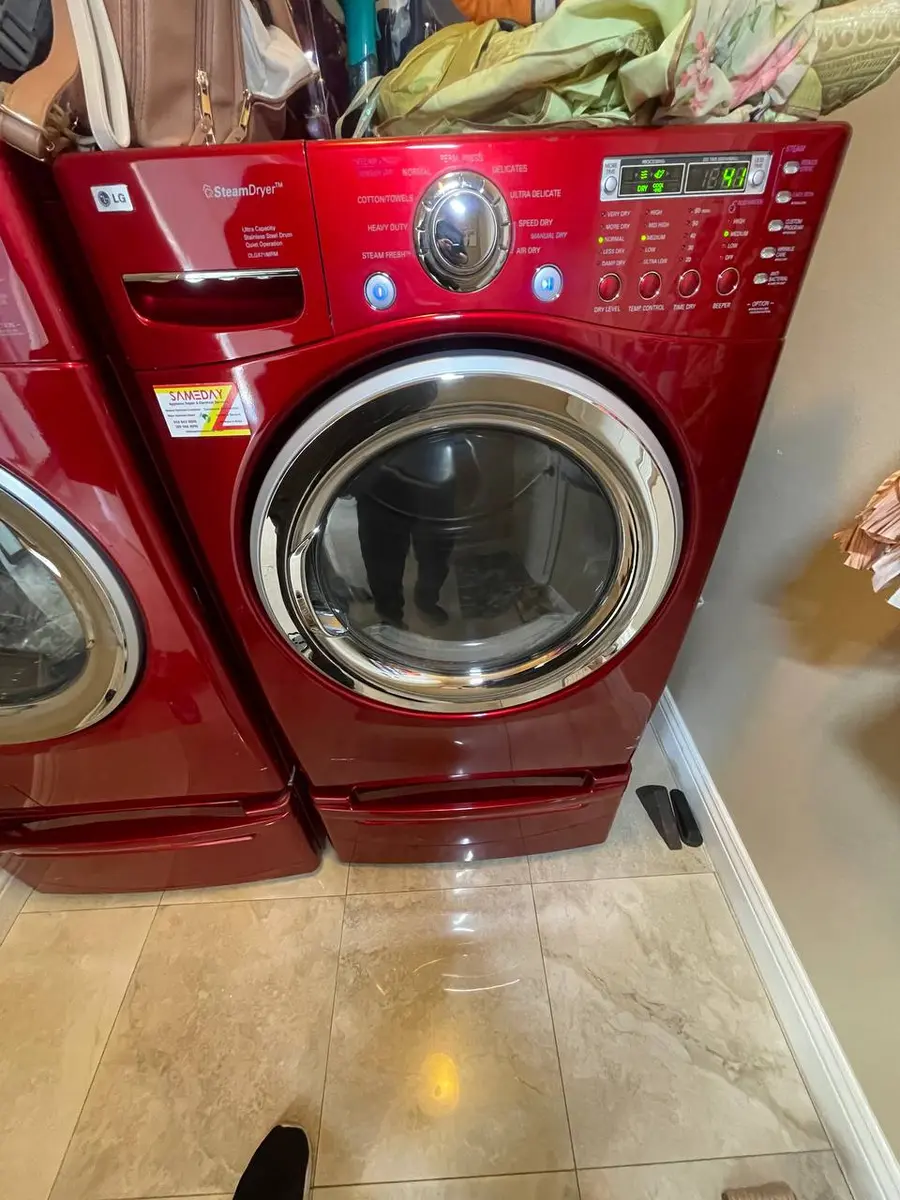
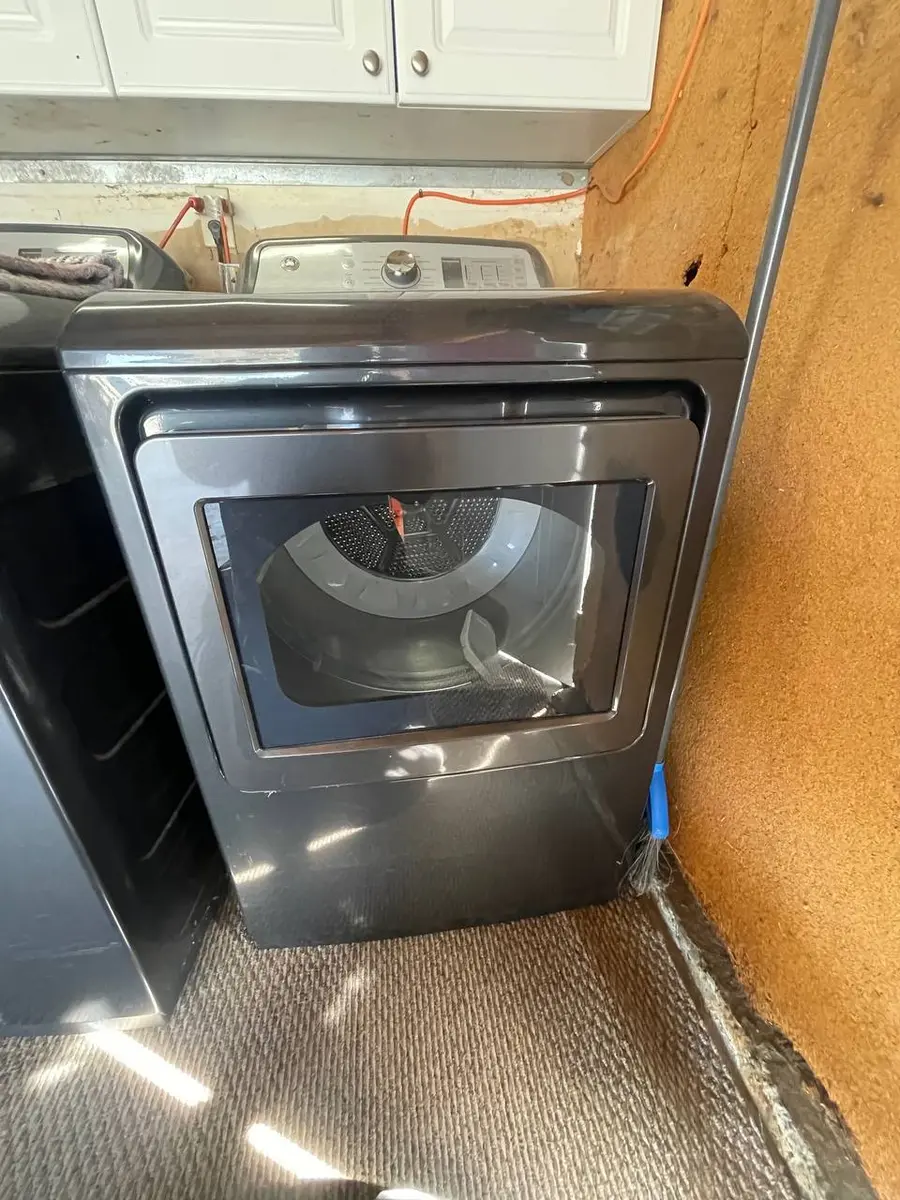
Choose LG if you run the dryer often and want the best long-term economics — its heat-pump models use 50% less energy and run cooler, which reduces stress on every component and can extend the machine's life. Choose Whirlpool if up-front price and cheap repairs matter most — it has the most affordable entry points and…
LG vs Whirlpool Dryer: Efficiency Investment vs Value Workhorse#
The table frames the trade; the detail below is what shows up on service calls.
| Factor | LG | Whirlpool |
|---|---|---|
| Key Strengths | Heat pump models save 50% energy; FlowSense duct blockage alert | AccuDry sensor prevents over-drying; Wrinkle Shield post-cycle tumble |
| Key Weaknesses | Heat pump cycles take longer; Door switch failures (dE error) | Heating element failures at 5-7 years; Drum roller squeaking |
| Common Problems | d80/d90/d95 vent alerts, dE door switch failures, Drum roller wear | Heating element burnout, Drum roller squeaking, Gas valve coil failures |
Reliability: Cooler Running vs Cheaper Fixing#
LG dryers average 10-13 years and Whirlpool 10-14, but the two get there differently. LG's heat-pump models run at lower temperatures, and less heat means less stress on the drum, belt, and electronics — a reliability strategy built on gentleness. Whirlpool's strategy is economic: its most common failure, the heating element, is also one of the cheapest and most widely stocked dryer parts, so when it breaks the fix is trivial. Either brand gains 20-30% of life from good vent maintenance; the difference is whether you are paying less to run it or less to fix it.
Do You Have the Right Tools?
Gas leak detector ($130), thermal fuse tester ($95), belt tension gauge, and vent inspection camera ($180). Our technician arrives with $3,000+ in professional tools — your diagnostic is free.
Licensed & Insured · 90-Day Warranty · Same-Day Service
What Each Brand Does Best#
LG leans on efficiency and monitoring: heat-pump models that halve energy use, FlowSense duct-blockage alerts, multi-level Sensor Dry, and ThinQ diagnostics. Whirlpool leans on value and simplicity: the AccuDry sensor that prevents over-drying, Wrinkle Shield tumbling to keep clothes fresh after a cycle, the most affordable entry points on the market, and the widest parts availability anywhere. The trade is clear — LG costs more up front and runs longer cycles for its efficiency, while Whirlpool is cheaper to buy but uses conventional, hotter, faster drying.
How Each Brand Tends to Fail#
LG — common service calls#
The d80, d90, and d95 codes are FlowSense vent alerts measuring airflow restriction, cleared by cleaning the full vent run; flexible foil ducts make them worse. The dE code means the door is not registering as closed, from a worn catch, failed micro-switch, or wiring break — stackable models wear the catch faster. Drum rollers flat-spot on DLEX models and are replaced as a set, thermal fuses blow on restricted airflow (clear the vent before replacing), and control boards fail from surges or moisture, especially on steam models.
Whirlpool — common service calls#
Heating-element burnout is the headline failure and, conveniently, the cheapest and most available dryer part. Drum rollers develop flat spots and squeal, replaced as a set from the rear. Gas valve coils fail and let the igniter cycle without sustaining a flame. Lint-trap housings crack at the screen slot, which is both an efficiency and a fire concern, and older mechanical-timer models need an exact-match timer because cam profiles differ between configurations.
Safety First — Know the Risks
Gas dryers carry carbon monoxide and explosion risk. Even electric dryers involve 240V circuits that can deliver a fatal shock. Our techs are licensed and insured — let them handle the risk.
Licensed & Insured · 90-Day Warranty · Same-Day Service
Repair Costs and Total Ownership#
| Brand | Average Repair Cost | Typical Range |
|---|---|---|
| LG | Varies | Varies |
| Whirlpool | Varies | Varies |
Whirlpool is typically cheaper per repair — its parts are everywhere and its common failures are its cheapest ones. But per-repair cost is only half the equation: LG's heat-pump efficiency can flip the total-cost math for a heavy user, since halving the energy bill over a decade offsets a higher purchase price and pricier repairs. When a big repair looms on either, use the 50% rule: if it clears 50% of a comparable new dryer, replace instead, especially once the machine is past 70% of its expected life.
The Bottom Line#
This one comes down to how much you dry. A high-volume household — 6 or more loads a week — should buy the LG heat pump, where the 50% energy saving recovers the premium in a few years and the cooler operation is easier on the machine. A budget-focused or lighter user should buy Whirlpool, the cheapest to purchase and the cheapest to repair, with the widest parts support in the business. Either way, keep the vent clear and treat any FlowSense alert as a real instruction, and both will run well past a decade.
The Real Cost of DIY
Average DIY attempt: $150-400 in tools you may use once, plus the risk of further damage. Our diagnostic visit costs $0 — we find the problem and give you an honest quote.
Licensed & Insured · 90-Day Warranty · Same-Day Service
Match the Dryer to Your Home#
The decision follows your laundry volume and your space. A high-volume household should buy the LG heat pump: at 6-plus loads a week the 50% energy saving recovers the premium in a few years, and if your laundry area cannot vent outside, LG's ventless heat-pump design solves a problem Whirlpool cannot. A budget buyer, a renter, or anyone doing lighter loads should buy Whirlpool — the lowest purchase price, the cheapest repairs, and parts on every shelf. Households that forget vent maintenance benefit from LG's FlowSense alerts, while those who want a simple, fast, conventional dryer are better served by Whirlpool's straightforward design.
Maintenance Both Dryers Need#
For either brand, airflow is the master variable. Clean the lint screen every load, clear the full vent run to the exterior cap twice a year, and switch flexible foil ducting for rigid metal, which resists both lint and crushing. Never dismiss a dryer that suddenly needs two cycles to dry a load — that is restricted airflow cooking the heating element and thermal fuse. On LG, treat any d80, d90, or d95 alert as a real instruction to clean the duct; on Whirlpool, address the early rhythmic thump of a roller before it becomes a squeal. Simple vent discipline adds 20-30% to either dryer's life and carries both well past a decade.
We repair both LG and Whirlpool dryers — our certified technicians arrive with brand-specific diagnostic tools and parts for same-day service. Book your repair appointment today.
Lead Appliance Repair Technician · 12 years experience
Experienced technician with 12 years specializing in washing machine and dryer repairs across all major brands.