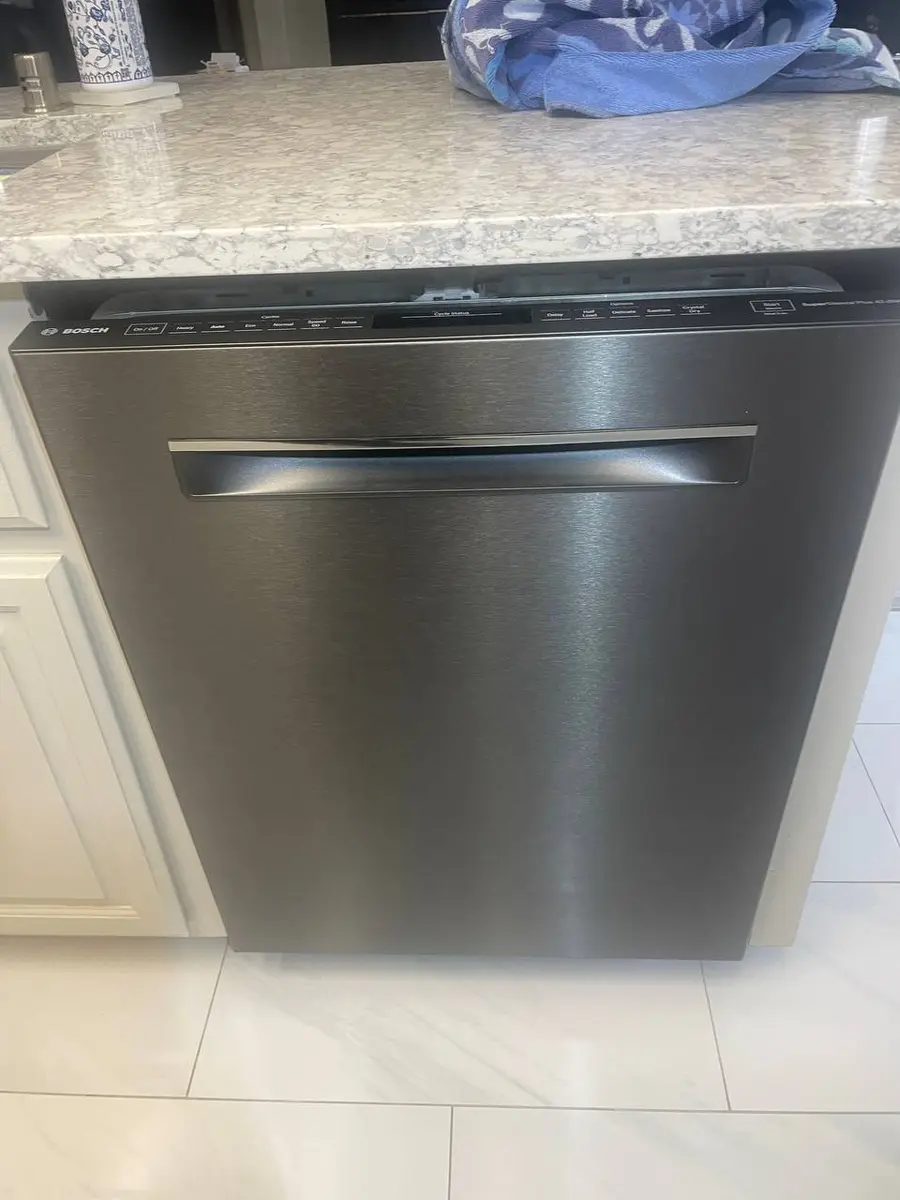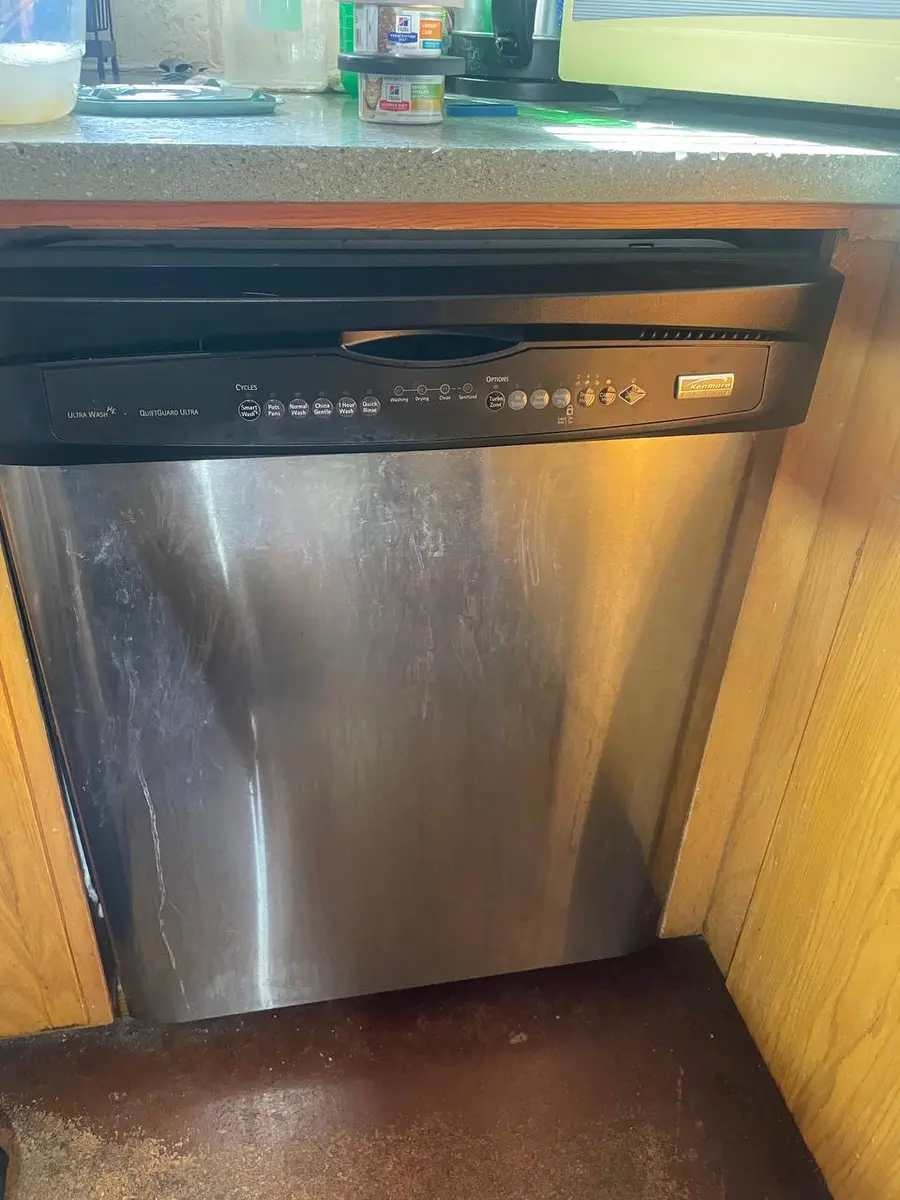
Quick Answer: Why Your LG Dishwasher Is Noisy#
Most likely: the noise correlates with one cycle phase, and that phase names the part. LG builds these for a low LoDecibel baseline (as quiet as 42 dBA on the Inverter Direct Drive platform), so when a fill-only flutter, a wash-phase grind, or a drain-phase whine appears, the contrast makes even moderate noise feel dramatic. Match the sound to when it happens — fill, wash, drain, or dry — and you have isolated the component before opening anything. Loose racks and shifted insulation account for the rest.
Likely Causes at a Glance#
| Cause | Likelihood | What to check |
|---|---|---|
| Drain pump wear (drain phase) | Most likely | a whine or grind only during drain; bearing failure or debris in the pump (LG 4681EA2001T) |
| Inlet valve flutter (fill phase) | Common | buzzing only during fill; supply pressure over 80 PSI or a worn diaphragm (LG 5220FR2006H) |
| Motor or spray-arm noise (wash) | Common | grinding that tracks motor speed, or rhythmic knocking from a QuadWash arm hitting a dish |
| Insulation degradation | Occasional | louder across all phases after 7+ years as LoDecibel panels lose their adhesive and shift |
| Door-crack actuator (dry phase) | Occasional | a mechanical noise at cycle end on LDT auto-dry models as the door pops open |
Do You Have the Right Tools?
Water pressure gauge ($60), spray arm tester, float switch multimeter ($85), and drain inspection camera. Our technician arrives with $3,000+ in professional tools — your diagnostic is free.
Licensed & Insured · 90-Day Warranty · Same-Day Service
Walking Through the Diagnosis#
The most effective LG diagnostic is correlating noise with cycle phase, because different parts run at different times. Start a Normal cycle and listen through the fill: a buzz or flutter here is the water inlet valve (LG 5220FR2006H), driven either by supply pressure above 80 PSI, a deteriorated diaphragm fluttering in the stream, or a loose mounting bracket transmitting vibration to the panel. Once washing begins, note whether the noise tracks motor speed changes — that points at the Inverter Direct Drive motor bearing — or is rhythmic, which usually means a QuadWash spray arm striking a tall item or the circulation-pump impeller. Open the door mid-wash to pause the cycle: if the noise stops the instant the motor shuts down, the motor or pump is the source.
During the drain phase, a new whine or grind that was not present in wash is the drain pump (LG 4681EA2001T) — a failing motor bearing, debris caught in its impeller, or a cracked blade throwing it out of balance. Noise that is not tied to any single phase but has grown louder overall, especially after seven or more years, is usually insulation: LG's LoDecibel panels are adhered to the tub and door, and when the adhesive releases they shift, rattle, and stop damping. LG's ThinQ Smart Diagnosis adds a check here — its motor-current analysis can flag bearing degradation before the noise turns severe, and running it monthly trends motor health. Finally, compare the sound with the upper rack removed versus installed, since a loose rack rattling against the tub is one of the most common and least expensive culprits.
Repair or Replace? The Short Version#
A drain pump, an inlet valve, or a re-secured rack is an inexpensive fix on an LG dishwasher built to run quietly, and only a motor replacement approaches a larger repair — still well under a new machine. Because rising noise often signals a bearing on its way out, catching it early avoids a mid-cycle failure. If pulling the pump or metering the motor is not for you, our technicians isolate the noise source and carry LG parts — book a repair.
Safety First — Know the Risks
Live 120V wiring in a wet environment is one of the most dangerous DIY scenarios. Water + electricity = serious shock risk. Our techs are licensed and insured — let them handle the risk.
Licensed & Insured · 90-Day Warranty · Same-Day Service
Frequently Asked Questions#
How do I tell which part is making my LG dishwasher loud?#
Listen by cycle phase. A buzz during fill is the inlet valve, a grind that tracks motor speed during wash is the motor bearing, a rhythmic knock is a spray arm, and a new whine during drain is the drain pump. Pausing the cycle by opening the door tells you instantly whether the motor or pump is involved.
My LG dishwasher got louder overall — is a part failing?#
Not necessarily a single part. After about seven years the LoDecibel insulation panels can lose adhesion and shift, which raises noise across every phase rather than in one. Check for loose racks first, then inspect the tub and door insulation before condemning the motor.
What is a normal noise level for an LG dishwasher?#
LG rates many models as low as 42 dBA on the Inverter Direct Drive platform, so they run very quiet by design. That low baseline is why a developing fault feels loud — the change from near-silence is dramatic even when the absolute level is moderate.
Can the ThinQ app help find the noise?#
Yes. ThinQ Smart Diagnosis includes motor-current analysis that detects bearing-related fluctuations and can distinguish mechanical from electrical noise. Running it monthly trends motor health so you can catch a failing bearing before the noise becomes severe.
Senior Appliance Repair Technician · 15 years experience
EPA-certified technician with 15 years of experience specializing in refrigerator and cooling system repairs.