Is a 7-Year-Old Microwave Worth Repairing?
at seven years, take each microwave repair on its merits. A cheap fix is worth it, but because a microwave's life is short, hold pricier repairs to a tighter test than you would for a bigger appliance.
Seven years sits at the midpoint of a microwave's typical seven-to-ten-year lifespan — which sounds healthy until you notice how short that lifespan is. Unlike an oven with decades ahead, a seven-year-old microwave is closer to the back half of its life, so the repair decision leans harder on how much the fix costs. Here is the read.
Which failures are worth fixing at seven years#
The part that failed drives the answer more than the age does.
| Failed part | Rough cost | Worth it at 7 years? |
|---|---|---|
| Door switch (interlock) | Low | Yes — cheap and safety-critical |
| Turntable motor | Low | Yes — restores a rotating plate |
| Diode | Low | Yes — but needs a capacitor discharge, not DIY |
| Control panel or touchpad | Mid | Weigh it — availability varies by model |
| High-voltage capacitor | Mid | Weigh it — hazardous to service untrained |
| Magnetron | High | Probably not — cost approaches a new unit |
On cost, the 50% rule still applies at seven years, but keep mid-cost repairs under about 40% of a new microwave to leave a margin. Cheap fixes are automatic; anything approaching half the price of a replacement is hard to justify on a machine with only a few years likely left.
When the magnetron goes, so does the microwave#
One failure ends the discussion at any age. The magnetron is the component that actually generates the heat, and replacing it usually costs almost as much as a new microwave. Even at seven years, a dead magnetron effectively means buying a replacement — there is no version of the cost math that rescues it.
The built-in exception#
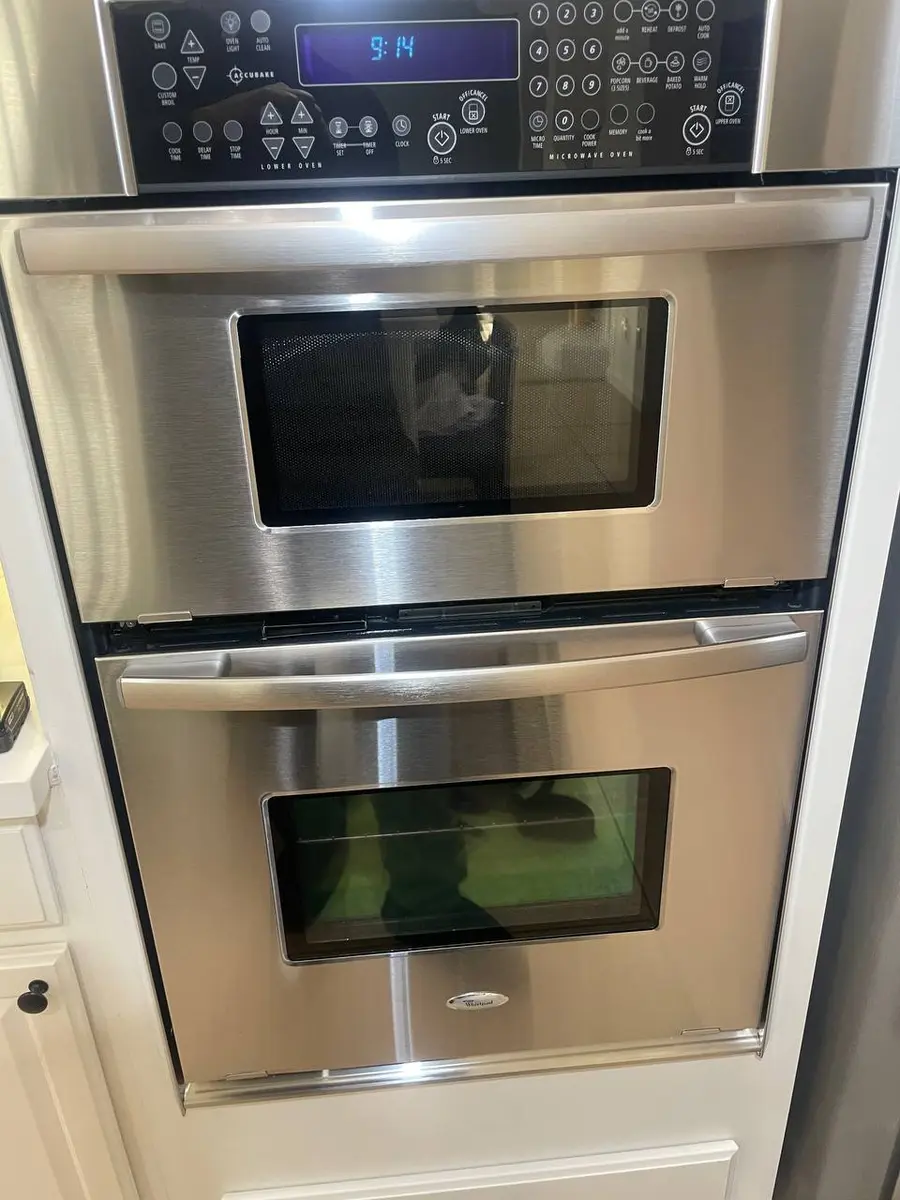
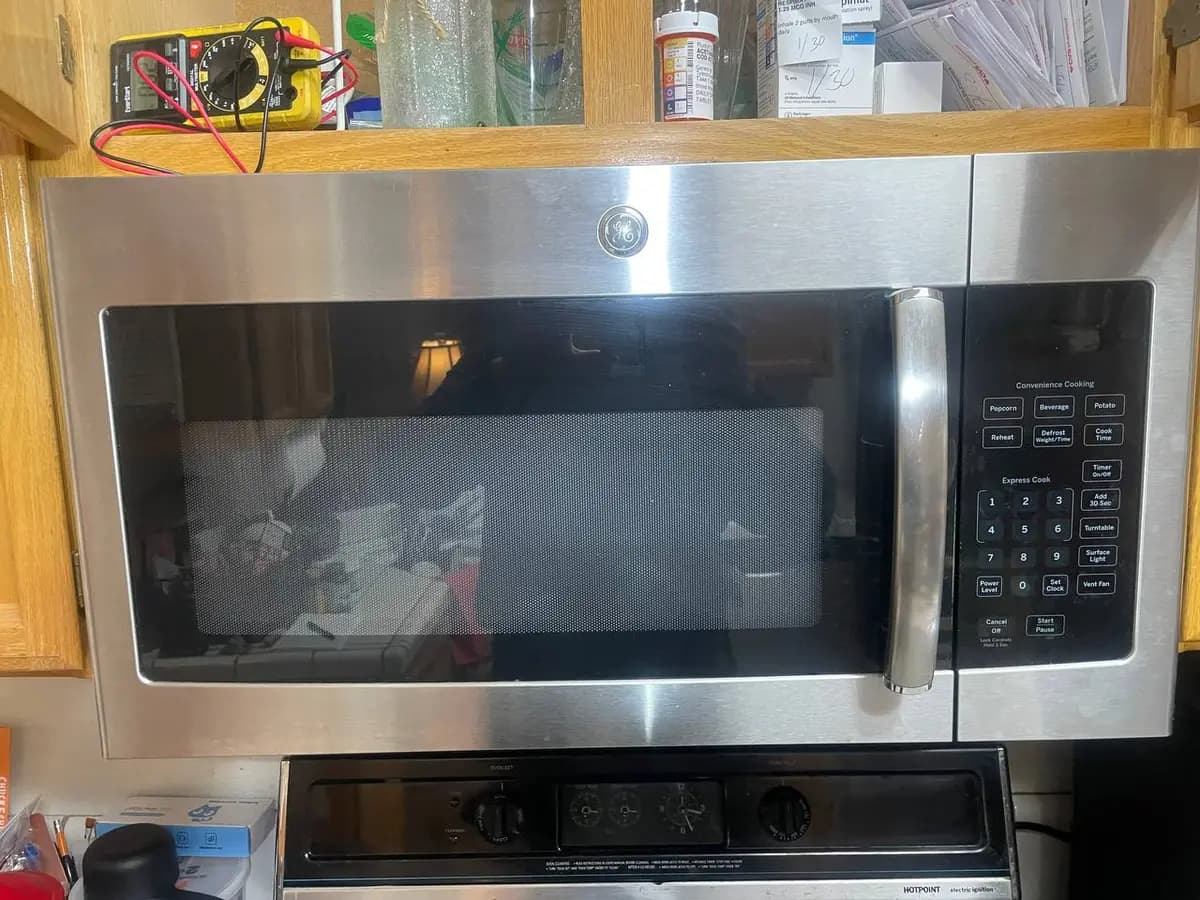
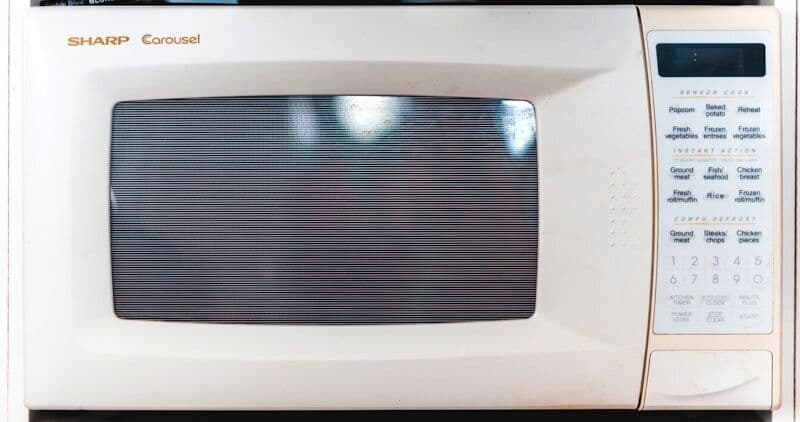
How the microwave is installed can change the answer. A countertop unit is cheap to replace, so a mid-cost repair rarely beats simply buying a new one. An over-the-range or built-in microwave is different: swapping it can mean cabinet or venting work, which raises the true cost of replacement and makes a moderate repair — a control panel, say — more defensible. Sort out which you own before you weigh the quote.
A safety note on the high-voltage side#
Some of these repairs are not DIY territory. A microwave stores a dangerous charge in its high-voltage capacitor even when unplugged, so any work touching the diode, magnetron, or capacitor has to begin with a proper discharge and is genuinely hazardous without training. Leave those to a technician, and count the professional labor when you decide whether the repair is worth doing.
What replacement quietly costs#
A new microwave is more efficient — newer models run about 10 to 20% better — but that saving is modest, and against it sits the friction of switching: disposal of the old unit and, on a built-in, mounting or electrical work. On a seven-year-old countertop unit with a cheap fault, repair usually still wins; on an aging one facing a magnetron or capacitor bill, replacement is the cleaner call.
Getting the most from the years left#
At the midpoint of a short life, small habits decide how many good years remain. Wipe the interior so splatter does not arc and pit the walls, never run the unit empty, and keep the door and its latch clean so the safety interlocks seat properly. A microwave treated that way often reaches the top of its range, which is what tips a borderline repair at seven years from a gamble into a reasonable bet.
Not sure whether your microwave is worth saving? A professional diagnosis identifies the failed part, weighs it against a replacement, and flags the safety risks first.
Lead Appliance Repair Technician · 12 years experience
Experienced technician with 12 years specializing in washing machine and dryer repairs across all major brands.