High-Efficiency vs Traditional Washer
"High-efficiency" (HE) is a water-and-energy designation, not a machine type — all front-loaders are HE, and so are impeller top-loaders. Traditional agitator top-loaders use far more water but are simpler and cheaper to repair, while HE machines clean better and save water but cost more when bearings or electronics…
The HE-versus-traditional question confuses a lot of buyers because the terms mix categories. Understanding what actually separates them — and how each one tends to fail — is the key to predicting your repair costs, because the differences on a service invoice are real and consistent.
The three washer categories#
| Type | Water use | Repair cost profile |
|---|---|---|
| Traditional agitator top-load | High (about 30-40 gallons) | Lowest — simple, cheap parts |
| HE impeller top-load | Moderate | Moderate — more electronics |
| HE front-load | Lowest (roughly 15-20 gallons) | Highest — bearings, seals, boards |
Verdict: traditional agitator machines are cheapest to repair; HE front-loaders clean best but cost the most to fix.
Do You Have the Right Tools?
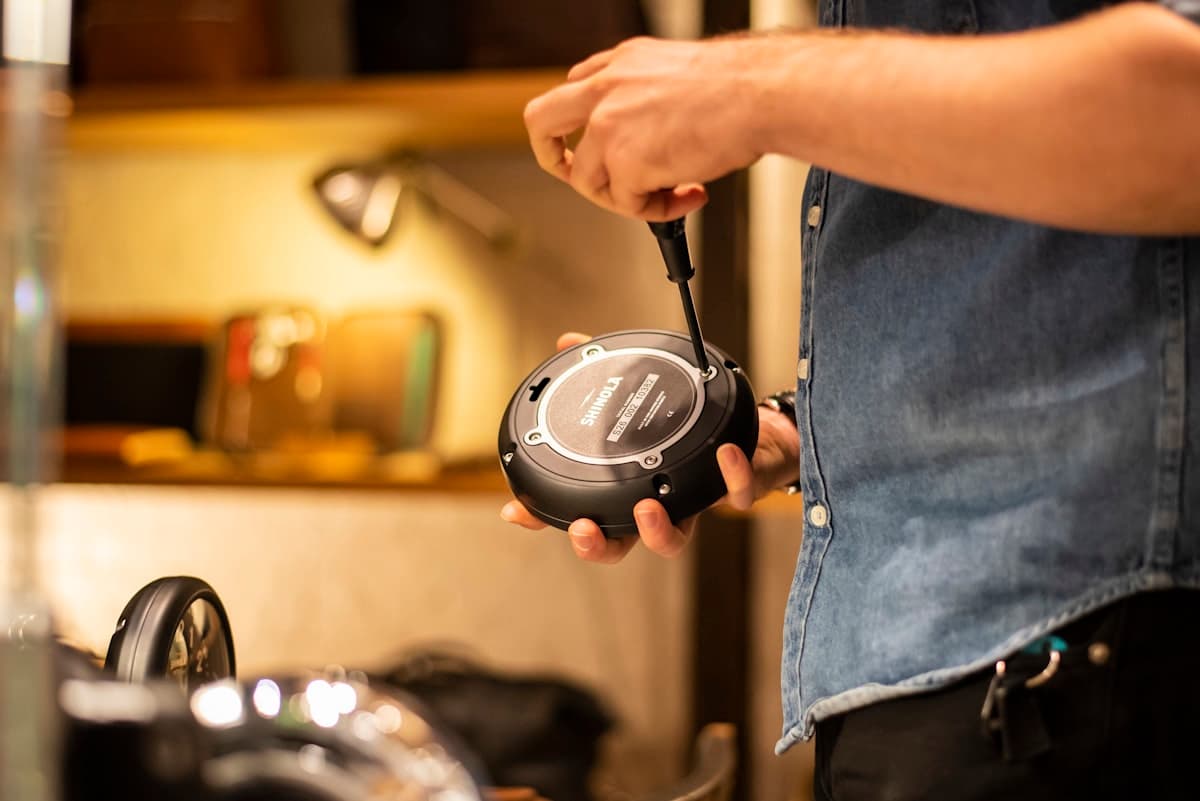
Bearing puller set ($120), drum spider wrench ($85), multimeter ($85), and diagnostic software. Our technician arrives with $3,000+ in professional tools — your diagnostic is free.
Licensed & Insured · 90-Day Warranty · Same-Day Service
What "high-efficiency" actually means#
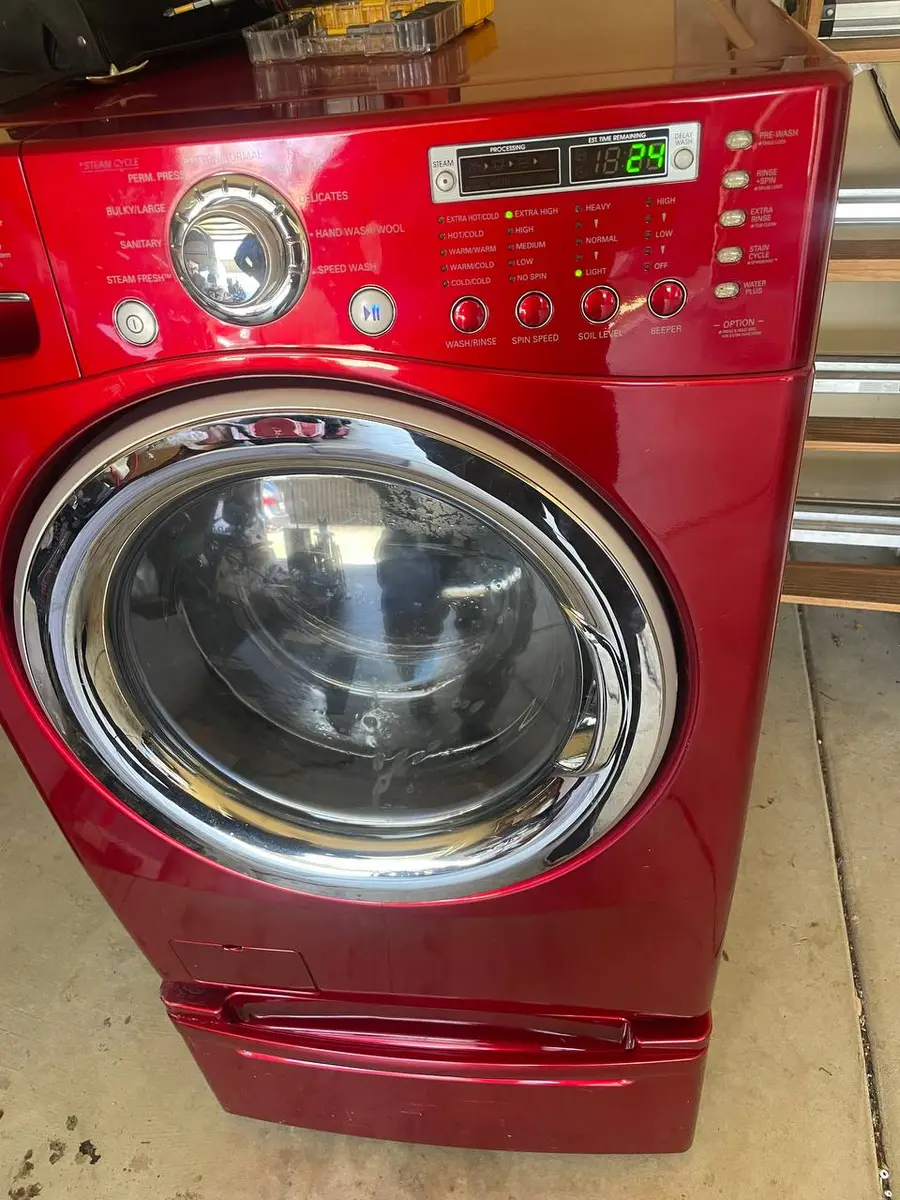
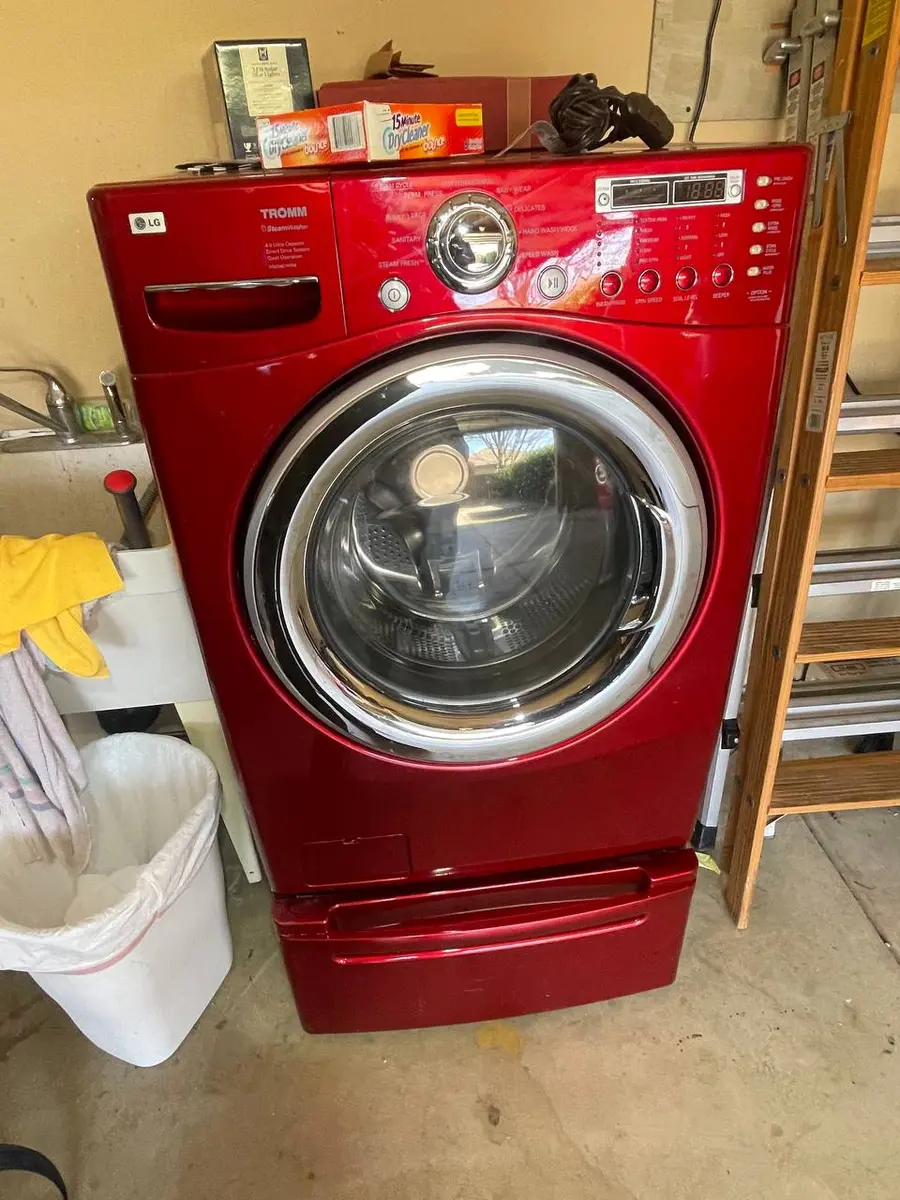
HE is not a specific mechanism — it is a rating for how little water and energy a washer uses. Every front-loader qualifies, because tumbling clothes through a shallow pool uses far less water than filling a tub. Some top-loaders are HE too: the impeller models that use a low-profile disc instead of a tall center agitator. A traditional washer, by contrast, is the classic top-load agitator that fills with about 30-40 gallons and twists clothes around a central post. So the real comparison is agitator simplicity against HE water savings and cleaning performance.
Why HE repairs cost more#
HE machines, especially front-loaders, carry the parts most likely to generate an expensive repair. The horizontal drum rides on bearings and a main seal that wear over years of high-speed spinning, and replacing them is a labor-heavy job that reaches deep into the machine. HE washers also lean on more electronics — sensors, variable-speed motor controls, and boards — to hit their efficiency targets, and those add failure points. Front-loaders add a door boot seal that tears and grows mold. None of this makes HE machines unreliable, but their failures are pricier than a traditional washer's.
Safety First — Know the Risks
High-voltage components and pressurized water lines create flood and shock risk. A single loose fitting can cause thousands in water damage. Our techs are licensed and insured — let them handle the risk.
Licensed & Insured · 90-Day Warranty · Same-Day Service
Why traditional washers are cheaper to fix#
The traditional agitator top-loader is mechanically straightforward, and that simplicity keeps repairs cheap. Its common failures — a drain pump, a lid switch, a drive belt, or the agitator dogs — are inexpensive, widely-stocked parts, and the diagnosis is usually quick. There is no door boot to tear, and the vertical tub puts less concentrated stress on bearings. If low repair cost is your single priority, the traditional agitator machine is the one that delivers it, which is exactly why it remains popular for rentals and utility laundry.
The water and cleaning trade-off#
Repair cost is only half the story. HE machines use dramatically less water — a front-loader can run on roughly 15-20 gallons against a traditional washer's 30-40 — and they are gentler and often clean better, using mechanical action instead of sheer water volume. Over years, the water and energy savings are real money that offsets some of the higher repair exposure. A traditional washer wastes more water but buys you cheaper, simpler repairs. Which trade wins depends on your utility costs and how long you keep the machine.
The Real Cost of DIY
Average DIY attempt: $150-400 in tools you may use once, plus the risk of further damage. Our diagnostic visit costs $0 — we find the problem and give you an honest quote.
Licensed & Insured · 90-Day Warranty · Same-Day Service
Maintenance that prevents the pricey repairs#
Because HE front-loaders carry the expensive failures, maintenance matters more on them than on a traditional washer. The single biggest habit is to leave the door and detergent drawer ajar between loads so the drum dries out — trapped moisture is what breeds the mold and odor that ruin door boots and get misdiagnosed as failures. Use only HE detergent and the right amount, since excess suds foul pumps and sensors. Do not overload, because extra weight is the fastest way to kill the bearings that are so costly to replace. And run a monthly tub-clean cycle. A traditional agitator washer is more forgiving of neglect, but the same habits extend any washer's life and keep repairs rare.
Spin speed, dry time, and hidden savings#
One HE advantage rarely makes the repair conversation but belongs in it: spin speed. HE machines, especially front-loaders, spin much faster and wring far more water out of each load, so clothes spend less time in the dryer. Over a decade, that trimmed dryer runtime is a real energy saving that partly offsets HE's higher repair exposure. Traditional agitator washers spin more gently and leave loads wetter, adding dryer time and cost. So the full economic picture is not just water at the washer and parts at repair time — it is also the energy the dryer burns finishing what the washer started, where HE quietly pulls back ahead.
Don't Void Your Warranty
Opening your appliance yourself may void the manufacturer warranty. Our repair comes with a 90-day guarantee, and we document everything for warranty compliance.
Licensed & Insured · 90-Day Warranty · Same-Day Service
Repair or replace#
The usual rule applies: if a repair approaches or exceeds about half the price of a comparable new washer and the machine is well past the midpoint of its life, replacement is the wiser spend. That threshold bites soonest on an aging HE front-loader facing a bearing-and-seal job, which is expensive, and is far more forgiving on a traditional agitator machine whose parts are cheap enough that repairs almost always make sense.
Which should you buy?#
Choose a traditional agitator washer for the lowest repair costs and dead-simple service — a strong pick for rentals, garages, or anyone who values cheap fixes over water savings. Choose an HE front-loader for the best cleaning and the biggest water and energy savings, accepting that a bearing or electronics repair down the road will cost more. HE impeller top-loaders split the difference. Match the machine to whether you are optimizing for the utility bill or the repair bill.
Lead Appliance Repair Technician · 12 years experience
Experienced technician with 12 years specializing in washing machine and dryer repairs across all major brands.