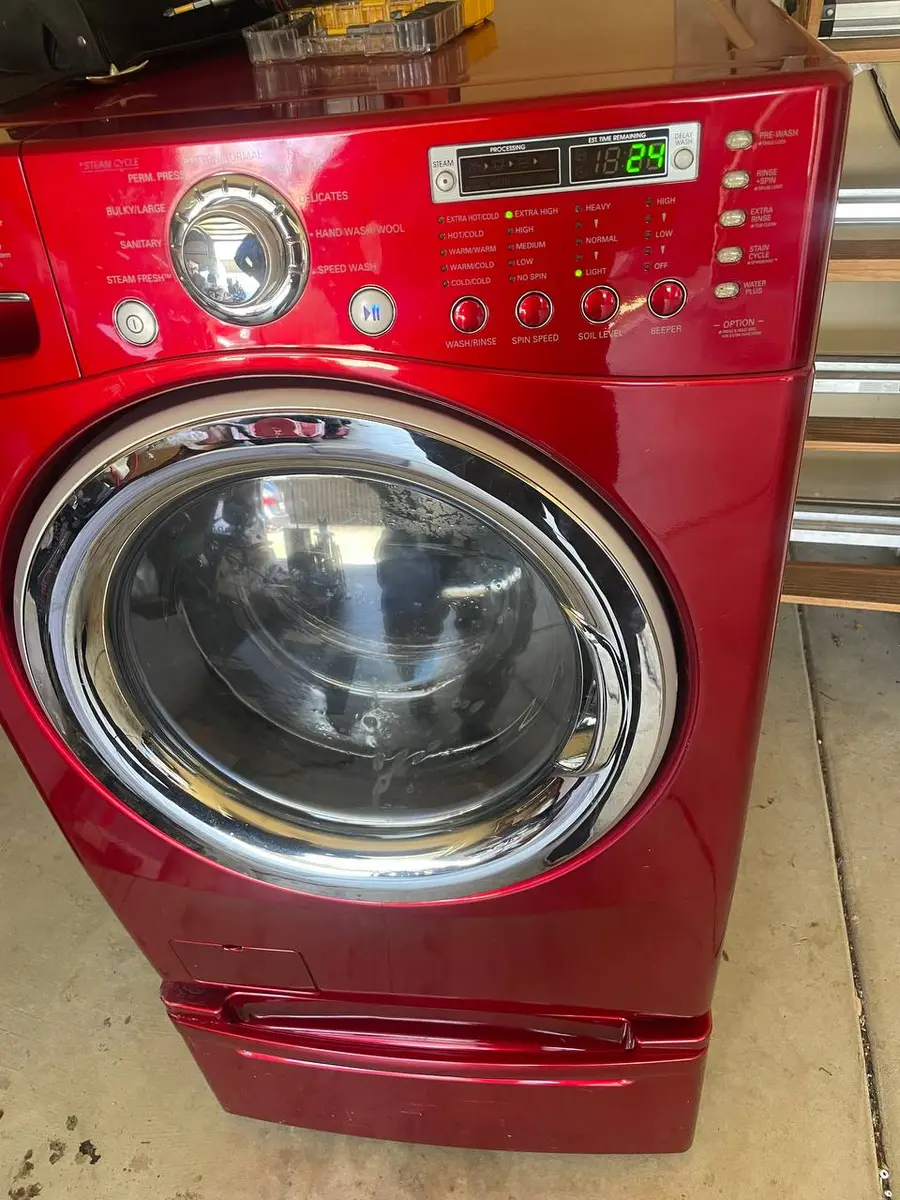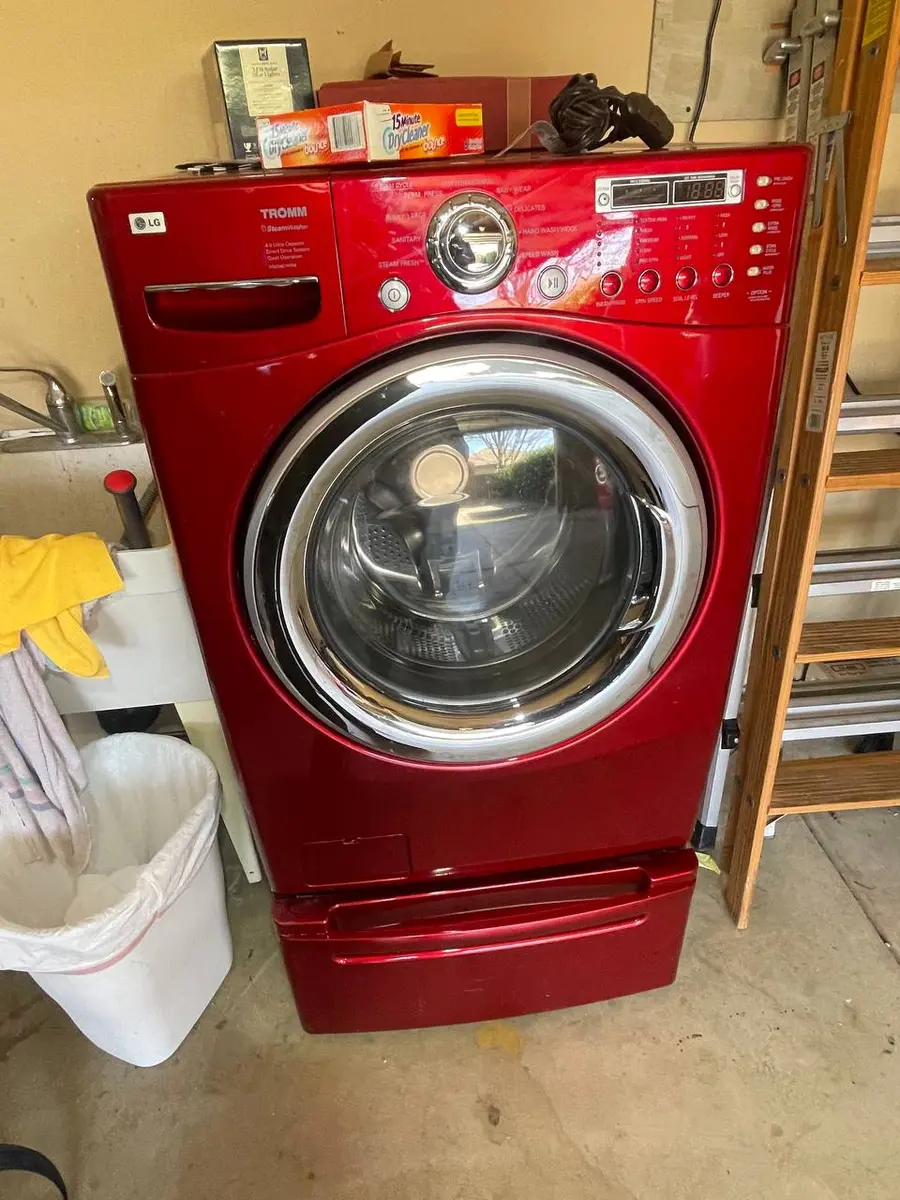
A GE washer that trips the breaker is telling you a component is drawing too much current or shorting to ground, and the moment in the cycle when it trips points at the circuit responsible. A trip during drain implicates the drain pump; a trip during spin implicates the drive motor; a trip the instant you plug in or start implicates the wiring or main board. GE's GFW front-loaders and GTW top-loaders differ mechanically, but the electrical-short logic is the same, and safety comes first because a repeated trip means a live fault.
Safety first#
Unplug the washer before inspecting any internal component, and close the water supply valves if the fault involves water control. Do not simply keep resetting the breaker — it is tripping to protect you from a short, so each reset re-energizes a live fault. Work with the machine unplugged and treat any scorched or melted wiring as confirmation of the problem.
Do You Have the Right Tools?
Bearing puller set ($120), drum spider wrench ($85), multimeter ($85), and diagnostic software. Our technician arrives with $3,000+ in professional tools — your diagnostic is free.
Licensed & Insured · 90-Day Warranty · Same-Day Service
Quick Answer#
Quick answer: Most likely a motor or pump winding has shorted to ground and is tripping the breaker when it energizes, so note whether the trip happens during drain (drain pump) or spin (drive motor). A chafed wiring harness grounding against the frame is the other common cause; the control board is the least likely.
Most Likely Causes, Ranked#
| Cause | When it trips | How likely |
|---|---|---|
| Drive motor shorted to ground | During spin/agitate | Most common |
| Drain pump shorted (WH23X24178) | During the drain phase | Common |
| Chafed wiring harness grounding | At plug-in or randomly | Common |
| Door lock or heater short | At start or heat step | Less common |
| Control board fault | Immediately on power-up | Least common |
Safety First — Know the Risks
High-voltage components and pressurized water lines create flood and shock risk. A single loose fitting can cause thousands in water damage. Our techs are licensed and insured — let them handle the risk.
Licensed & Insured · 90-Day Warranty · Same-Day Service
Motor and drain pump shorts#
The most common source is a winding that has broken down and is shorting to the motor frame: when the control energizes the drive motor for a spin or agitate, the fault path draws enough current to trip the breaker instantly. A shorted drain pump (GE part WH23X24178) does the same thing, but the tell is timing — it trips specifically when the machine tries to drain. Note the exact phase at the trip and you have already isolated which motor to test with a meter for continuity to ground.
Wiring harness and other shorts#
Vibration over years can chafe a wiring harness where it passes an edge of the frame, and once the insulation wears through, the wire grounds against the cabinet and trips the breaker — sometimes at plug-in, sometimes randomly during a cycle. On models with a heater or a door lock (part WH44X27819), a shorted heating element or lock circuit can trip at the heat step or at start. Inspect harnesses for melted or bare spots and look for scorching at connectors, which points straight at the shorted branch.
The Real Cost of DIY
Average DIY attempt: $150-400 in tools you may use once, plus the risk of further damage. Our diagnostic visit costs $0 — we find the problem and give you an honest quote.
Licensed & Insured · 90-Day Warranty · Same-Day Service
The control board#
Least likely, but possible: a failed component on the main control board can create a short that trips the breaker the moment the washer is powered on, before any cycle begins. This is the diagnosis of exclusion, reached only after the motor, pump, and wiring test clean — and because it involves the board's high-voltage side, it is best confirmed by a technician.
How to check it yourself#
- Unplug the washer and stop resetting the breaker on a live fault.
- Note the phase at the trip — drain, spin, start, or plug-in.
- Meter the drain pump and drive motor for continuity to ground.
- Inspect the wiring harness for chafed or melted insulation.
- Look for scorching at connectors and the control board.
Don't Void Your Warranty
Opening your appliance yourself may void the manufacturer warranty. Our repair comes with a 90-day guarantee, and we document everything for warranty compliance.
Licensed & Insured · 90-Day Warranty · Same-Day Service
Reading the trip timing like a map#
The single most useful diagnostic on a breaker-tripping washer is free: note exactly when in the cycle the breaker lets go, because each moment maps to a different circuit. A trip the instant you plug in or power on, before any cycle starts, points at the main harness or the control board — something is shorted the moment the machine is energized. A trip only when the washer begins to drain isolates the drain pump. A trip during agitation or spin, when the drive motor is under load, points at the motor windings. A trip at a heat step, on models with a heater, points there. Writing down that timing before you open anything tells you which component to meter for a short to ground first, and it often saves you from testing three good parts to find one bad one. Pair the timing with a look for scorched connectors or melted insulation, and the shorted branch usually reveals itself.
DIY or call a pro?#
Identifying the trip phase and inspecting harnesses for obvious chafe are reasonable owner steps. Meter-testing a motor or pump for a ground fault, and any control-board diagnosis, involves the washer's high-voltage wiring and is best left to a technician — a repeated breaker trip is a live electrical fault, not a nuisance to reset around. If the breaker keeps tripping, book a diagnostic and we will find the shorted component before any further use.
Senior Gas Appliance Specialist · 18 years experience
AGA-certified gas appliance specialist with 18 years of experience in residential and commercial oven, range, and cooktop repairs.