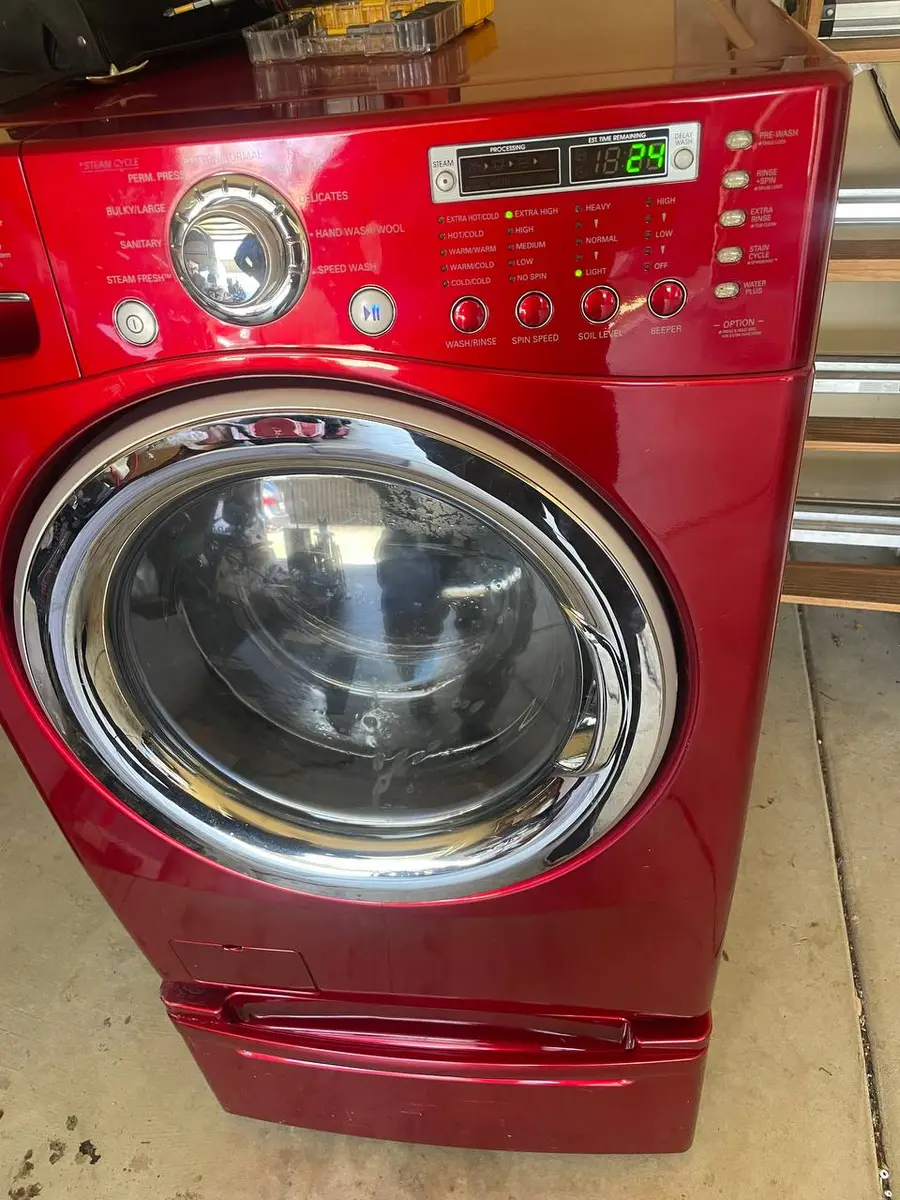
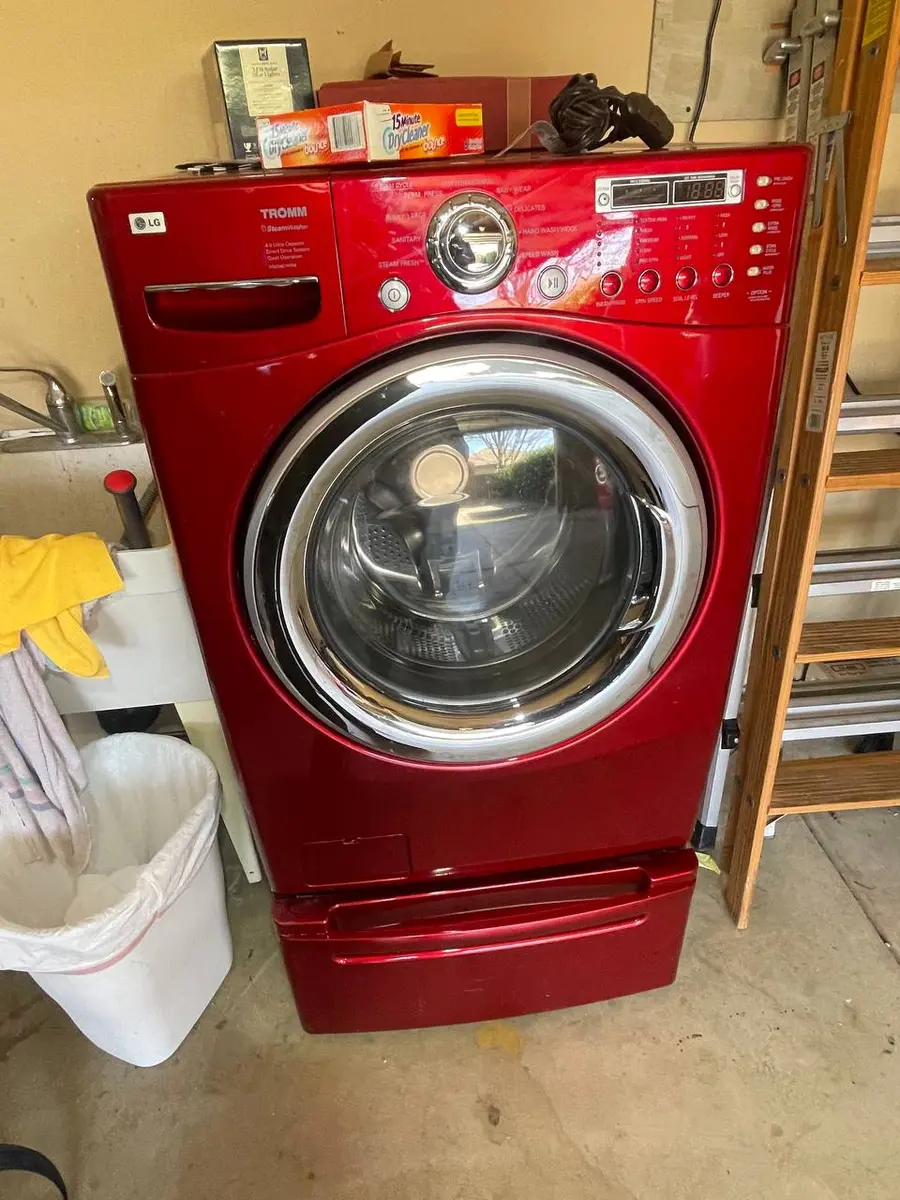
What this Frigidaire vs Kenmore comparison is based on#
Two rows in the table below print the same share in both columns. The control board is named in 9% of the Frigidaire reports and 9% of the Kenmore ones; the motor in 4% and 4%. Underneath those matching percentages the document counts are nothing alike — 4 Frigidaire filings against 18 Kenmore ones for the board, 2 against 8 for the motor — because the two corpora are 46 and 208 reports deep.
The sources are CPSC SaferProducts incident reports: Frigidaire washers from 2011 to 2023, Kenmore washers from 2011 to 2026. Both are collections of complaints that somebody chose to submit. Neither is divided by machines sold, because no public source states that figure, so every number here stays a share of its own pile.
Identical shares, unrelated evidence#
A matching pair of percentages is the most seductive thing a comparison table can produce, and it is worth being explicit about what it means. It means the reports about each brand allocate the same fraction of their attention to that component. It does not mean the two findings are equally well supported: one of them rests on 4 documents and the other on 18.
If a single additional Frigidaire report named the control board, that column would move by about two points and the match would vanish. The same report on the Kenmore side would move that column by half a point and the match would survive. Equality between two shares of very different depth is a coincidence with a shelf life, not a measurement.
The rest of the table is narrower still#
Only one row on this page differs by more than 2 percentage points: the lint trap or vent, at 7% for Kenmore against 4% for Frigidaire, a 3-point gap standing on 14 filings against 2. Everything else is inside the table's one-report noise marking — the heating element at 4% against 2%, the wiring or power cord at 2% against 4%, and the thermostat or sensor and the water valve or line each separated by a single point.
Seven components are shared between the two lists and none of them separates the brands cleanly. As comparisons go, this is close to a null result, and a null result is a real finding: whatever distinguishes these two washers, it is not which parts their reported incidents name.
Where the lists differ in length rather than in level#
The Kenmore corpus names nine components, the Frigidaire corpus seven. The two Kenmore extras are a drive belt at 1% and a drain pump or hose that rounds to 0% on one report. Both are artifacts of depth — 208 documents can carry a single mention without distorting the column, whereas in a corpus of 46 a lone filing already claims about two points.
That is also why the Frigidaire column looks blockier. Four of its seven entries are single reports, printing as 2%, and its top entry is 4 reports. There is no fine structure available in a set that size.
What to do with a level comparison#
Read the two lists as one shortlist rather than as a contest. For a washer of either brand appearing in this database, the control board is the most-named component at 9%, and the lint trap or vent is the strongest secondary signal — clearly so for Kenmore at 7% on 14 filings, weakly so for Frigidaire at 4% on 2.
The one time-related caveat is the Frigidaire window, which ends in 2023 while the Kenmore window runs to 2026. Three years of the comparison exist on one side only, and no share on this page can tell you what happened in them.
Frigidaire vs Kenmore washers: what the reports mention#
Both columns are shares of their own corpus, and the corpora differ in size. Frigidaire: CPSC SaferProducts incident reports for Frigidaire washers, 2011-2023, n=46. Kenmore: CPSC SaferProducts incident reports for Kenmore washers, 2011-2026, n=208. A difference no larger than one report on either side is marked "within one-report noise".
| Component mentioned | Frigidaire | Kenmore | Difference |
|---|---|---|---|
| Lint Trap or Vent | 4% (2 of 46) | 7% (14 of 208) | 3 points more often for Kenmore |
| Heating Element | 4% (2 of 46) | 2% (5 of 208) | 2 points more often for Frigidaire (within one-report noise) |
| Wiring or Power Cord | 2% (1 of 46) | 4% (9 of 208) | 2 points more often for Kenmore (within one-report noise) |
| Thermostat or Sensor | 2% (1 of 46) | 1% (3 of 208) | 1 point more often for Frigidaire (within one-report noise) |
| Water Valve or Line | 2% (1 of 46) | 1% (2 of 208) | 1 point more often for Frigidaire (within one-report noise) |
| Control Board | 9% (4 of 46) | 9% (18 of 208) | no measured difference (within one-report noise) |
| Motor | 4% (2 of 46) | 4% (8 of 208) | no measured difference (within one-report noise) |
About the corpus: these are CPSC SaferProducts reports — incidents someone chose to report, not units sold — so the shares on this page are shares of the reports and never a failure rate. The corpus is weighted toward safety events: 12,007 of its 20,581 records (58%) are fire, smoke, burn or melt reports, which over-represents the components that burn and under-represents the ones that merely stop working.
Do You Have the Right Tools?
Bearing puller set ($120), drum spider wrench ($85), multimeter ($85), and diagnostic software. Our technician arrives with $3,000+ in professional tools — your diagnostic is free.
Licensed & Insured · 90-Day Warranty · Same-Day Service
Frigidaire washers: the reported component split#
Frigidaire washers — every share in this table is a share of: CPSC SaferProducts incident reports for Frigidaire washers, 2011-2023, n=46.
| Component mentioned | Share of reports | Reports |
|---|---|---|
| Control Board | 9% | 4 of 46 |
| Heating Element | 4% | 2 of 46 |
| Lint Trap or Vent | 4% | 2 of 46 |
| Motor | 4% | 2 of 46 |
| Thermostat or Sensor | 2% | 1 of 46 |
| Water Valve or Line | 2% | 1 of 46 |
| Wiring or Power Cord | 2% | 1 of 46 |
Shares of reports, not failure rates — see the corpus note above.
Kenmore washers: the reported component split#
Kenmore washers — every share in this table is a share of: CPSC SaferProducts incident reports for Kenmore washers, 2011-2026, n=208.
| Component mentioned | Share of reports | Reports |
|---|---|---|
| Control Board | 9% | 18 of 208 |
| Lint Trap or Vent | 7% | 14 of 208 |
| Wiring or Power Cord | 4% | 9 of 208 |
| Motor | 4% | 8 of 208 |
| Heating Element | 2% | 5 of 208 |
| Thermostat or Sensor | 1% | 3 of 208 |
| Drive Belt | 1% | 2 of 208 |
| Water Valve or Line | 1% | 2 of 208 |
| Drain Pump or Hose | 0% | 1 of 208 |
Shares of reports, not failure rates — see the corpus note above.
Safety First — Know the Risks
High-voltage components and pressurized water lines create flood and shock risk. A single loose fitting can cause thousands in water damage. Our techs are licensed and insured — let them handle the risk.
Licensed & Insured · 90-Day Warranty · Same-Day Service
How to use these numbers#
What this comparison can settle: which components the reported incidents of each brand actually concentrate on, for this appliance. What it cannot settle: which brand fails more often. That would need units sold, and no public source states it. Use the component split to plan for the repair each brand is most reported for, not to rank the two.
Appliance Repair Technician · 8 years experience
Experienced technician with 8 years specializing in dishwasher repairs and European appliance brands including Bosch and Thermador.