Quick Answer: Shut Off the Gas First, Then Diagnose#
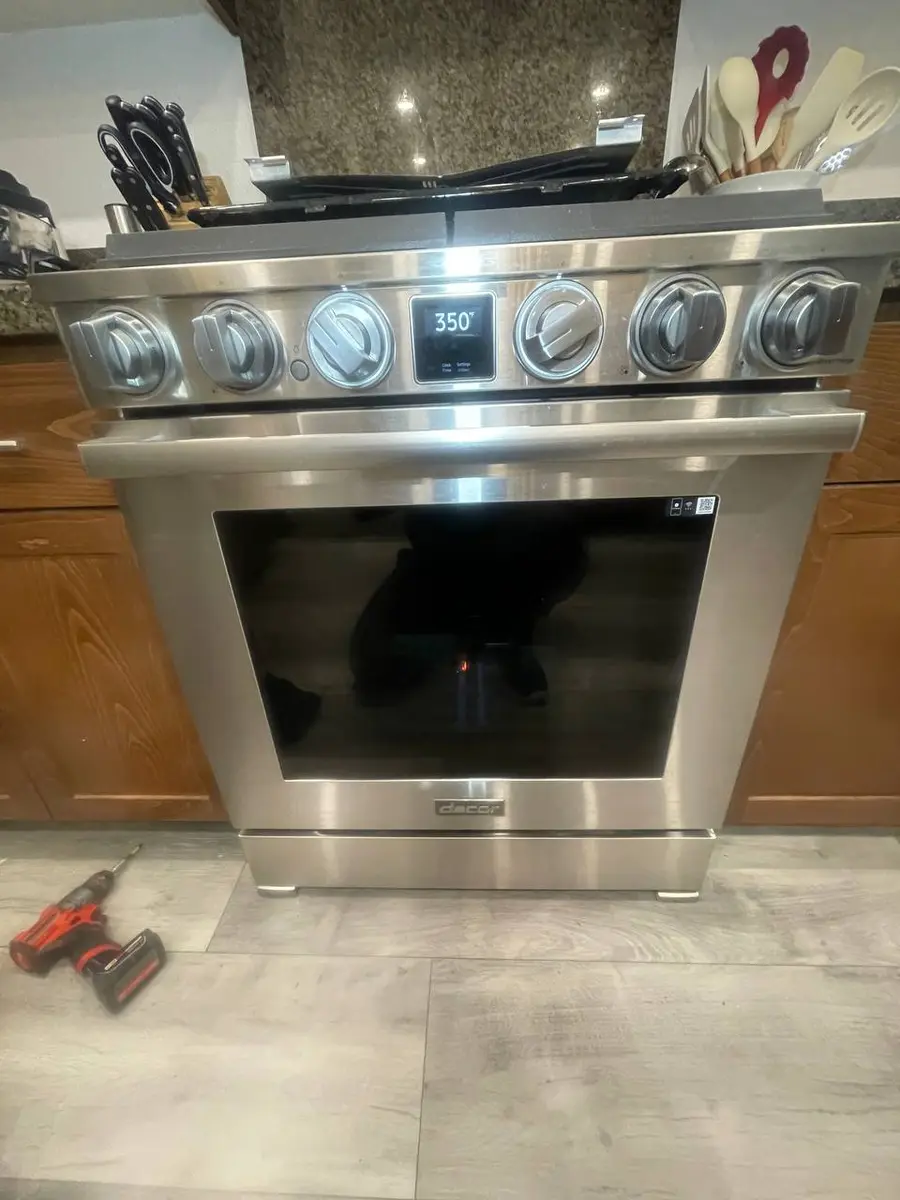
Most likely: the gas valve stem is stuck and no longer seats fully when you turn the knob to off, so gas keeps flowing and the burner keeps burning — a genuine safety hazard, not a nuisance. The immediate step is to shut off the gas supply at the wall valve behind the stove, and do not force the knob, because forcing it can snap the valve stem and cause a leak. The failure is almost always mechanical — a stuck valve, a stripped knob or shaft, or a broken valve spring — not electronic, and a stuck or worn gas valve must be replaced rather than cleaned.
Immediate Safety Steps#
If a burner will not turn off, shut off the gas at the wall shutoff valve behind the stove (turn the handle perpendicular to the pipe). If you cannot reach that valve, turn off the gas at the main meter. Do not attempt to force the control knob — this can break the valve stem and create a gas leak. Open windows to ventilate, and do not use the stove until the valve is repaired.
Do You Have the Right Tools?
Multimeter ($85), vacuum pump ($250), diagnostic software, and specialized hand tools. Our technician arrives with $3,000+ in professional tools — your diagnostic is free.
Licensed & Insured · 90-Day Warranty · Same-Day Service
Likely Causes at a Glance#
| Cause | What you observe | What it needs |
|---|---|---|
| Stuck gas valve (most common) | Knob turns to off but the flame stays lit | Valve replacement — grease and heat-cycling have worn the seat; cleaning is not reliable |
| Stripped control knob or shaft | Knob spins freely without closing the valve | New knob first; if the shaft is rounded, the valve assembly |
| Broken valve spring | Valve drifts open under gas pressure | Valve replacement — the spring is not separately serviceable |
Walking Through the Diagnosis#
With the gas already shut off at the wall valve, you can safely narrow the cause without any flame present. Turn the affected knob and feel it: normal resistance with the valve still failing to close points at the valve internals, while a knob that spins freely means the knob fitting or the valve shaft is stripped. Pull the knob off the valve shaft and look inside — check the D-shaped or splined hole in the knob and the shaft itself for rounded or stripped teeth. If the shaft looks intact, fit a new knob and see whether it now rotates the shaft and opens and closes the valve properly; if it does, the old knob was the problem. If the shaft turns the valve but gas still flows to the burner, the internal valve mechanism has failed and the gas valve assembly needs professional replacement.
Understand why cleaning is not the fix: the valve has a stem that opens and closes as you turn the knob, and over time grease and debris work into it while heat cycling wears the seat, so it sticks in the open position. A broken internal spring — the part that helps pull the valve closed at "off" — lets the valve drift open under line pressure, and the spring is not sold separately. In every one of these cases the correct repair is a new valve assembly, and that work — disconnecting the gas line, removing the control panel, fitting the valve, and leak-testing — must be done by a licensed technician. Until it is repaired, keep the gas supply shut off at the wall and do not run any burner on the stove.
Safety First — Know the Risks
Appliances involve high voltage (120-240V), pressurized water, gas lines, and chemical refrigerants. Over 400 DIY repair injuries are reported yearly. Our techs are licensed and insured — let them handle the risk.
Licensed & Insured · 90-Day Warranty · Same-Day Service
Repair or Replace? The Short Version#
This is a repair, not a reason to replace the range: a control knob is a trivial part, and even a full gas valve assembly is far cheaper than a new stove. What makes it non-negotiable is safety — a valve that will not seat lets gas flow when you believe the burner is off — so the valve replacement, gas-line disconnection, and leak test belong to a licensed appliance technician with leak-detection equipment, never a DIY force-it fix. Keep the gas off at the wall and get it handled promptly — book an EasyBear technician.
Frequently Asked Questions#
Can I still use the other burners if one won't turn off?#
No. Keep the gas supply shut off at the wall valve until the faulty valve is replaced. A valve that does not seat properly is a safety hazard, and a gas leak can occur even while the flame is burning, so the whole cooktop should stay off — not just the affected burner — until it is repaired.
Is a stuck gas valve dangerous?#
Yes. A valve that will not close fully lets gas flow when you think the burner is off, which is a potential gas leak and fire hazard. Shut off the gas at the wall valve, do not force the knob, ventilate the room, and schedule professional repair. Do not use the stove in the meantime.
How long does gas valve replacement take?#
For a standard freestanding gas range, a gas valve replacement usually takes about 45 to 90 minutes, including disconnecting the gas line, fitting the valve, and leak-testing. Slide-in and built-in models can take longer because of tighter access. It should always be done by a licensed technician, not attempted as a DIY repair.
Appliance Repair Technician & Diagnostics Specialist · 10 years experience
Electronics and diagnostics specialist with 10 years of experience in modern smart appliance repair, specializing in LG and Samsung.