Dual Fuel vs All-Gas Range: Repair Costs and Reliability#
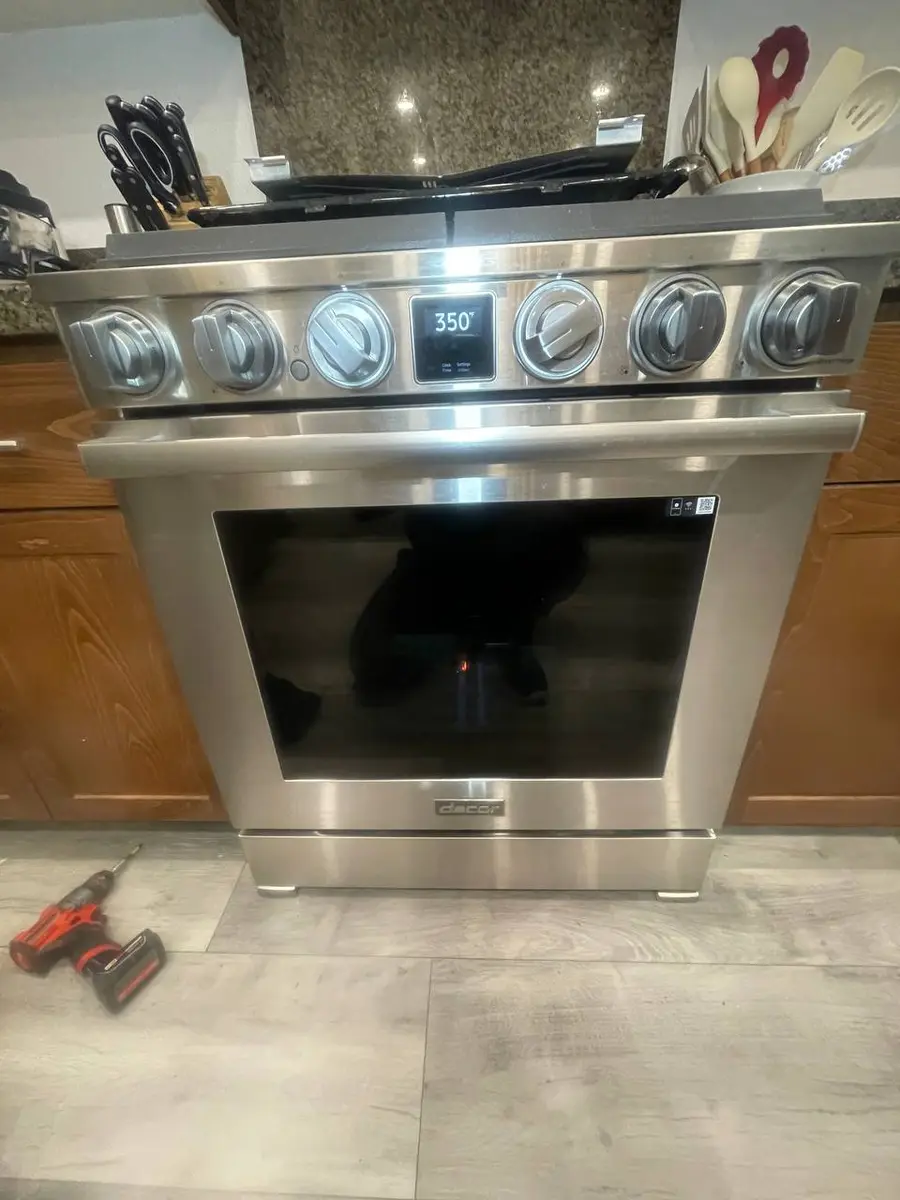
Short answer: An all-gas range is simpler and cheaper to repair; a dual-fuel range — gas cooktop, electric oven — costs more to service because it carries two energy systems that can each fail. Dual-fuel earns its keep for serious baking, where the electric oven's dry, even heat wins.
Dual Fuel vs All-Gas Repair Compared#
| Aspect | All-gas range | Dual-fuel range |
|---|---|---|
| Energy systems | One (gas) | Two (gas cooktop plus electric oven) |
| Oven heat source | Gas burner and igniter | Electric bake and broil elements |
| Most common repair | Oven igniter | Bake element or board relay |
| Control board | Simpler | Manages gas and electric |
| Relative repair cost | Lower | Higher |
Verdict: Choose all-gas for the simplest, cheapest maintenance and the widest pool of qualified technicians; choose dual-fuel if precise electric-oven baking is worth a higher repair bill.
Do You Have the Right Tools?
Combustion analyzer ($300), igniter tester ($120), temperature calibrator ($150), and gas pressure manometer. Our technician arrives with $3,000+ in professional tools — your diagnostic is free.
Licensed & Insured · 90-Day Warranty · Same-Day Service
Why Dual-Fuel Costs More to Fix#
An all-gas range has a single energy input — the gas line feeds the cooktop burners and the oven burner alike. A dual-fuel range adds a second: a 240-volt circuit for the electric oven. That means it carries both gas components (valves, igniters, regulators) and high-voltage electrical ones (bake and broil elements, relays, a wiring harness), and its control board has to orchestrate both. The oven-element relays are a common failure point because they switch high current and eventually wear at the contacts. A repair may also require a technician to work the gas side and then test the electrical side on the same visit — two skill sets in one call, and not every tech is equally strong at both.
The All-Gas Simplicity Advantage#
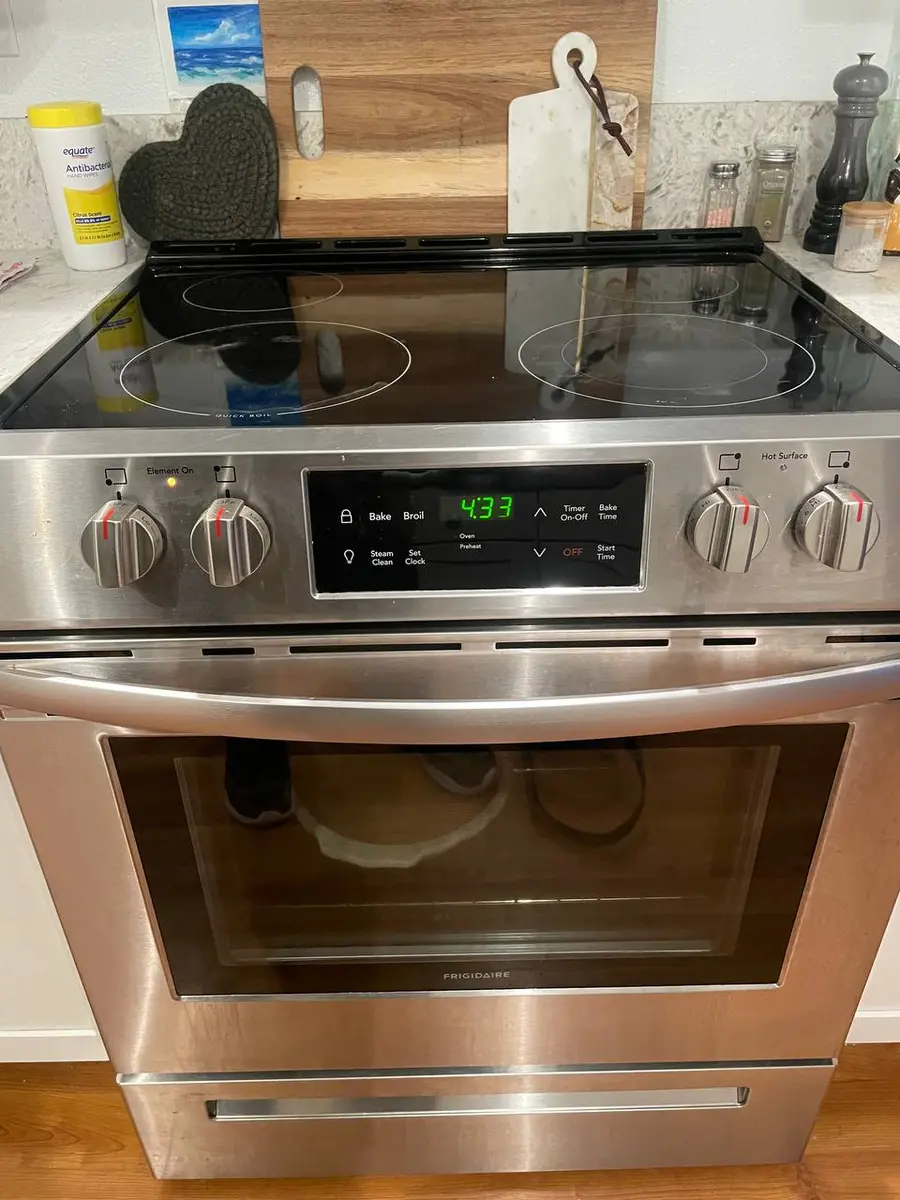
All-gas ranges lean on a design proven over decades: a gas manifold, individual burner valves, and a hot-surface igniter in the oven. When the igniter fails — the most common gas-[oven repair](/bay-area/services/oven-repair) by far — replacement is a single, well-understood part swap done in well under an hour. Gas ovens do add slightly more moisture during combustion, which some bakers dislike, but the reliability trade favors the simpler system. The everyday all-gas calls are predictable: a glowing-but-weak oven igniter, a clogged cooktop spark igniter, temperature drift from a sensor or valve, and the occasional gas safety valve that will not open.
Safety First — Know the Risks
Gas ovens involve live gas lines — a loose connection creates explosion and carbon monoxide risk. Electric ovens run on 240V circuits. Our techs are licensed and insured — let them handle the risk.
Licensed & Insured · 90-Day Warranty · Same-Day Service
What Fails on a Dual-Fuel Range#
- Electric bake element burnout: a visible break or sparking, and the oven stops heating — a straightforward element swap.
- Control-board relay failure: the relay for the oven element burns out and the oven will not heat even though the display shows a set temperature.
- Cooktop ignition issues: the same spark-igniter clogging seen on all-gas ranges.
- Convection fan motor wear: most dual-fuel ovens include convection, and a worn fan bearing brings noise and uneven cooking.
The Installation Detail That Shapes Repairs#
Before a dual-fuel range ever reaches a repair, its wiring shapes the experience. Because the oven runs on a dedicated 240-volt circuit alongside the gas hookup, the appliance has to be disconnected from both supplies for service, and the outlet and breaker must be verified dead before any electrical work. Kitchens plumbed only for gas cannot take a dual-fuel range without new electrical, which is a cost and a consideration on its own. An all-gas range sidesteps all of this: one utility in, one utility to shut off, and a far larger pool of technicians comfortable working on it. That simplicity is a real part of why all-gas ranges are cheaper and faster to service.
The Real Cost of DIY
Average DIY attempt: $150-400 in tools you may use once, plus the risk of further damage. Our diagnostic visit costs $0 — we find the problem and give you an honest quote.
Licensed & Insured · 90-Day Warranty · Same-Day Service
How Often Each Breaks, and Our Take#
Across a full lifespan, dual-fuel ranges log roughly 15-20% more service calls than comparable all-gas models — the extra electric elements, relays, and 240-volt wiring account for the difference, while the shared gas-cooktop parts fail at the same rate on both. If you value low maintenance, the widest choice of service technicians, and the lowest repair bills, all-gas is the safe pick. If you bake often and want the dry, steady heat of an electric oven, dual-fuel is worth its higher cost — provided your kitchen already has both a gas line and a 240-volt outlet.
Senior Gas Appliance Specialist · 18 years experience
AGA-certified gas appliance specialist with 18 years of experience in residential and commercial oven, range, and cooktop repairs.