Most Likely Cause#
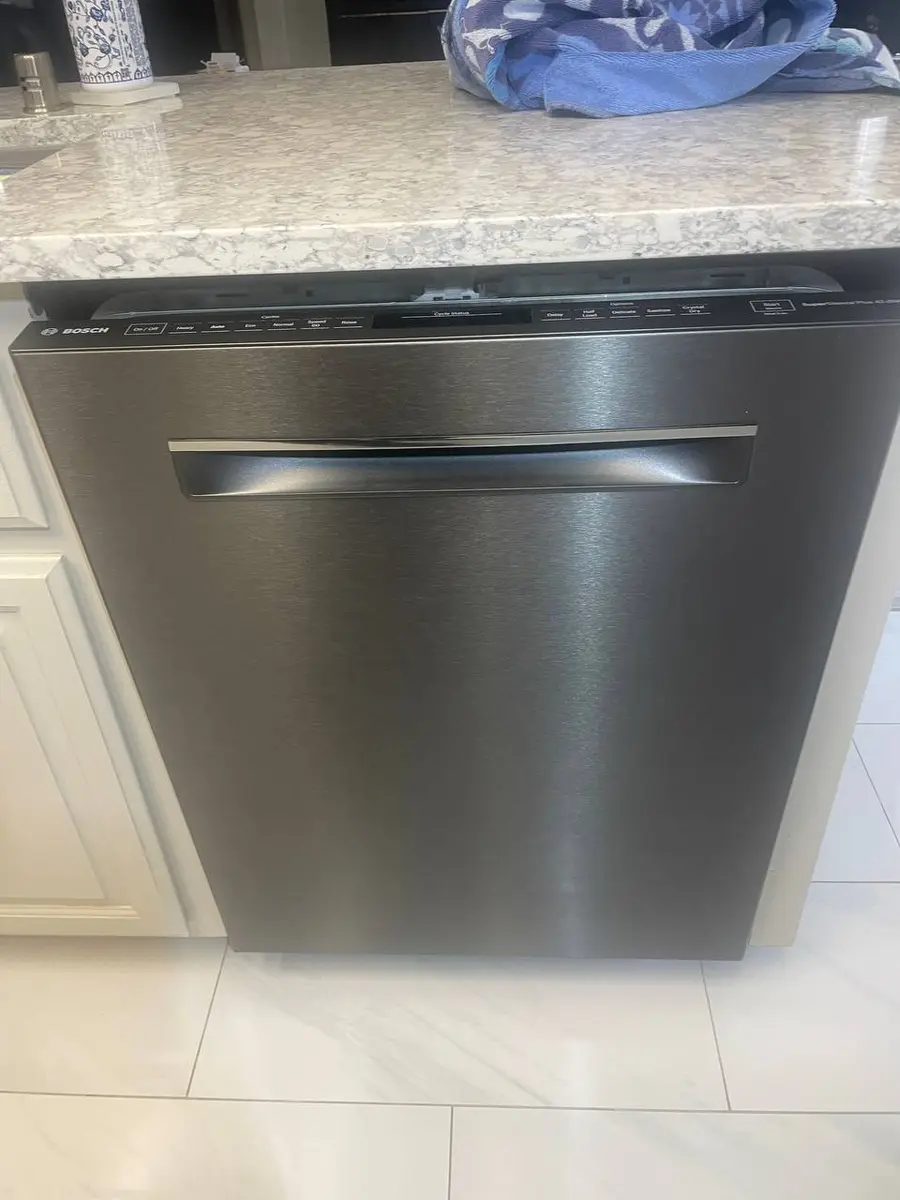
A Beko dishwasher that leaks is almost always losing water at a seal or connection, and where the water shows up points at the cause. Water at the front, below the door, most often means a worn or dirty door gasket. Water underneath the machine points at the inlet valve or a loose hose connection. Foamy water escaping the door usually means oversudsing from the wrong detergent, and a leak that persists after those are ruled out can be a cracked tub or a failed spray-arm seal. The most common single cause is the door gasket.
Before opening anything, run a short cycle and watch where the water appears and when. Front-of-door leaks, under-machine leaks, and foamy overflows each send you to a different part, so pinning down the location does most of the diagnostic work.
Trace the Leak by Location#
- Front, under the door: a worn, hardened, or food-fouled door gasket.
- Underneath during fill or wash: the water inlet valve or a loose hose clamp.
- Foam pushing out of the door: oversudsing from too much or the wrong detergent.
- Under the tub, persistent: a cracked tub or a failed spray-arm/pump seal.
Do You Have the Right Tools?
Water pressure gauge ($60), spray arm tester, float switch multimeter ($85), and drain inspection camera. Our technician arrives with $3,000+ in professional tools — your diagnostic is free.
Licensed & Insured · 90-Day Warranty · Same-Day Service
What Usually Causes It#
The table ranks the causes from most to least common on Beko dishwashers.
| Cause | Why it leaks | How common | First fix |
|---|---|---|---|
| Worn door gasket | A hardened or dirty seal lets water past the door | Most common | Clean the gasket; replace if cracked or flattened |
| Faulty water inlet valve | A failing valve seeps at its body or fittings | Common | Check the valve and its connections during fill |
| Loose or damaged hoses | A cracked hose or loose clamp drips underneath | Occasional | Tighten clamps or replace the hose |
| Cracked tub or wash-arm seal | A split tub or seal leaks under the machine | Occasional | Inspect the tub and spray-arm seals |
| Oversudsing | Wrong or excess detergent foams out the door | Occasional | Use dishwasher detergent at the right dose |
Door Gasket#
Because it is the leading cause, inspect the door seal first. The gasket runs around the door opening, and over time it hardens, flattens, or collects food debris that breaks the seal, letting water dribble out the front during the wash. Wipe the whole gasket clean and run a finger around it feeling for cracks or flat spots; a merely dirty gasket often reseals after cleaning, while a hardened or split one is an inexpensive part to replace.
Inlet Valve, Hoses, and Detergent#
A leak that shows up underneath usually traces to the fill side — the water inlet valve seeping at its body or a loose hose clamp on the supply or drain line. Check the clamps first, since a loose clamp is a free fix, before condemning a hose or the valve. And rule out the simplest cause of all: using regular dish soap or too much detergent creates suds that force water out past the door seal, so a foamy "leak" is often solved just by switching to the correct dishwasher detergent at the right dose.
Quick Diagnostic Sequence#
- Run a short cycle and note where and when the water appears.
- Clean and inspect the door gasket for cracks and flat spots.
- Check the inlet valve and hose clamps underneath during the fill.
- Confirm you are using dishwasher detergent at the correct dose.
- If the leak persists, inspect the tub and spray-arm seals for cracks.
Safety: switch the dishwasher off at the breaker and shut the water supply before pulling it out to inspect the valve or hoses. Standing water near a powered machine is a shock risk, so dry the floor first.
Safety First — Know the Risks
Live 120V wiring in a wet environment is one of the most dangerous DIY scenarios. Water + electricity = serious shock risk. Our techs are licensed and insured — let them handle the risk.
Licensed & Insured · 90-Day Warranty · Same-Day Service
Repair or Replace#
Most Beko dishwasher leaks are inexpensive — a cleaned or replaced gasket, a re-tightened clamp, or the right detergent. A water inlet valve is a moderate part. A cracked tub is the serious exception, and because it means major disassembly, on an older dishwasher that is the point where replacement usually wins. When you cannot place the leak, you can book a diagnostic visit to have the gasket, valve, and tub checked.
Senior Gas Appliance Specialist · 18 years experience
AGA-certified gas appliance specialist with 18 years of experience in residential and commercial oven, range, and cooktop repairs.