Bottom line: A washer transmission replacement is worth it only when the washer is fairly young and the repair stays under 50% of a new machine. Because the transmission is one of the priciest parts a washer has, the decision leans heavily on age — and on which kind of washer you own.
Not every washer even has a transmission, which surprises many owners partway into this decision. And of the machines that do, most that arrive here needing one turn out to need something else: a drive coupling, a belt, a clutch or a set of agitator dogs will each imitate a failing gearbox closely enough to be mistaken for it, at a fraction of the price. Only one symptom on the list settles it outright. Sort yours first, then read the repair-or-replace math below with an answer you can trust.
Which of the five is it? Sort the symptom first#
Run a short cycle with the lid closed and listen, then open it and try the agitator by hand. The rows run from the definitive tell down to the faults most often mistaken for it, and only the first two put you in transmission territory.
| What your washer is doing | What that points at | Is it the transmission? |
|---|---|---|
| Oil leaking from the bottom of the machine | A transmission seal that has given way — nothing else in a washer leaks oil | Yes, definitively. This is the surest sign the gearbox itself has failed. |
| Grinding or clunking during agitation, from inside the machine | Gear damage in the transmission | Yes, very likely. Have it confirmed, then weigh it against the age table below. |
| The agitator moves in one direction only | The gearbox no longer reversing — or, much more cheaply, worn agitator dogs | Maybe. Agitator dogs are plastic splines inside the agitator itself, and they are the cheapest part in this list. Have those checked first. |
| Agitates normally but will not spin | The clutch, the lid switch, or a drain that has not finished | Usually not. A washer refuses to spin on a full tub and on an unlatched lid, both by design. |
| Spins but will not agitate | Agitator dogs, or the drive coupling on a direct-drive machine | Usually not, and both alternatives are far cheaper. |
| The motor runs and nothing moves at all | A snapped belt on a belt-drive machine, or a failed motor coupling on a direct-drive one | No. These are among the least expensive repairs a washer has. |
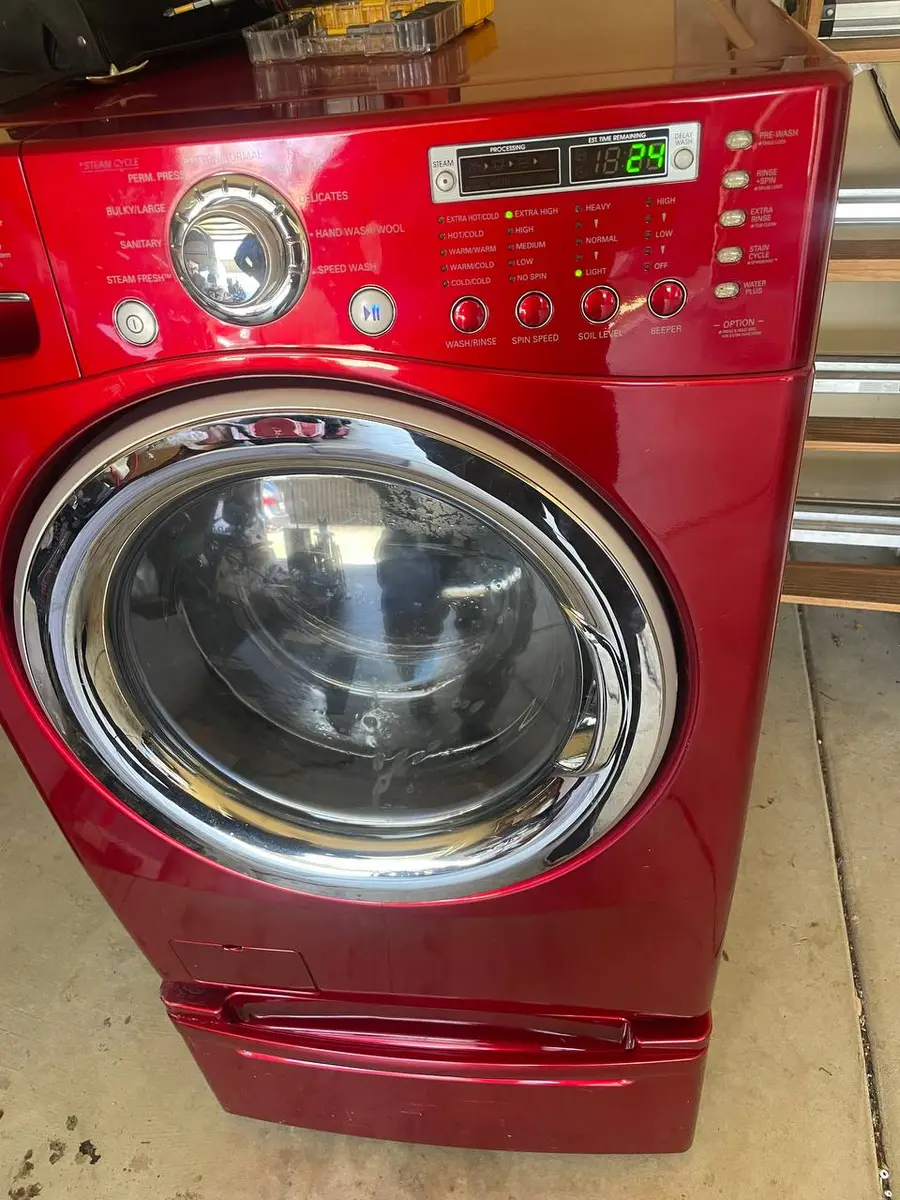
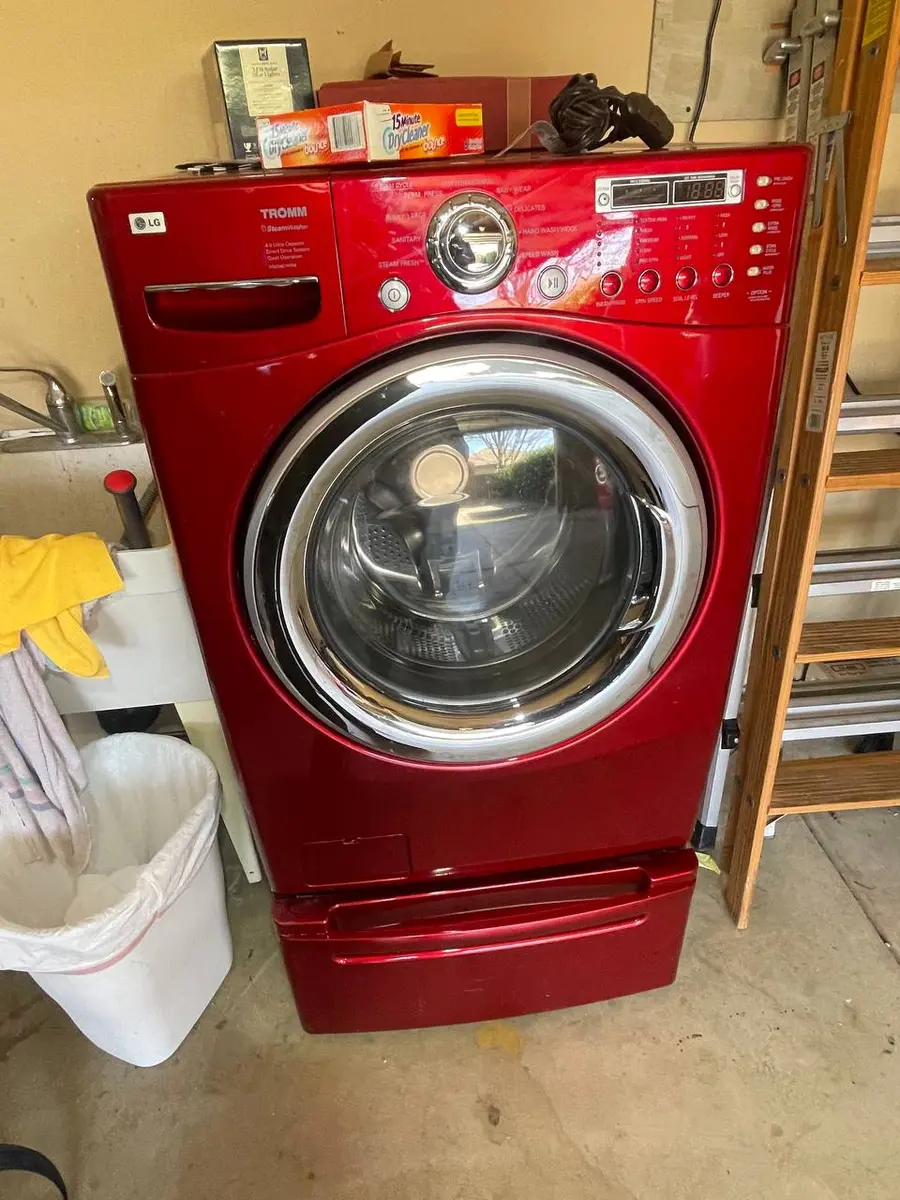
| A front-loader, or a top-loader with a flat impeller plate instead of a tall agitator | A direct-drive machine — there is no transmission in it at all | No. Nothing on this page applies to your washer. |
| Confirmed transmission, top-load agitator machine past a decade, other parts tired | Late-life failure of the most expensive part in the machine | Yes, and this is the case where the answer is still to replace the washer. |
Denominator: the alternatives above are the ones this guide itself names as look-alikes for a transmission fault — a worn drive belt, a failed coupling and a bad clutch — plus the agitator dogs that produce the same one-direction complaint. Four cheaper parts against one expensive one, on top-load agitator washers only; front-loaders and impeller top-loaders have no transmission, so for those machines the whole comparison is moot and the fault is somewhere else by definition.
Which washers have a transmission#
Only top-load agitator washers use a transmission — the gearbox that drives the agitator back and forth. Front-load machines and top-load impeller washers use direct-drive motors instead and have no transmission at all. So if you own a modern front-loader, this repair does not apply to you; if you own an older agitator top-loader, it very much does.
Reading the symptoms#
A failing transmission gives clear signs. Listen for grinding or clunking during agitation, watch for an agitator that moves in only one direction, and note whether the machine agitates but will not spin, or spins but will not agitate. The most definitive tell is oil leaking from the bottom of the washer, which points to a transmission seal that has given way. Any of these confirms the gearbox rather than a cheaper part.
Verdict by age and repair size#
| Washer age | Minor gearbox fix | Full transmission |
|---|---|---|
| Under 3 years | Repair | Repair |
| 3 to 8 years | Repair | Weigh it |
| 8 to 12 years | Weigh it | Replace |
| Over 12 years | Replace | Replace |
Where the 50% line falls#
Measure the transmission job against a comparable new washer: cross half its price and replacement is the wiser move. A full transmission is expensive enough to reach that line on an older agitator machine, which is why age weighs so heavily in this particular repair.
| Repair vs a new washer | Call |
|---|---|
| Under 50% of new | Repair it |
| 50% or more of new | Replace it |
Why old top-loaders often tip to replace#
Transmissions tend to fail late in a washer's life, and by then other components — the tub bearing, the seals, the timer — are frequently tired too. Pouring a major repair into an aging agitator machine often buys only a short stretch before the next failure, and modern front-loaders clean with more efficiency besides. That combination is why a transmission fault on an old top-loader so often ends in replacement.
What replacement really costs#
A new washer does carry its own bill: delivery, disposal of the old unit, and reconnecting water and drain lines. But against a labor-heavy transmission job on a machine already past its prime, replacement frequently wins. Confirm the transmission is truly the fault — the oil-leak symptom is the clearest sign — weigh the quote against half a new washer, and let the age of the machine settle a close call.
Confirm before you commit#
Because a transmission is a major expense, a confirmed diagnosis is worth its small cost. The symptoms overlap with cheaper faults — a worn drive belt, a failed coupling, or a bad clutch can all mimic transmission trouble — so a proper look prevents an expensive misdiagnosis. The oil-leak symptom is the surest sign the gearbox itself has failed. If a technician confirms the transmission on a top-loader already past a decade, replacement is usually the smarter spend; on a younger machine with the fault verified, the repair still makes sense under the 50% line. Either way, matching the fix to the washer's age keeps you from pouring gearbox money into a machine near the end of its life.
Senior Appliance Repair Technician · 15 years experience
EPA-certified technician with 15 years of experience specializing in refrigerator and cooling system repairs.