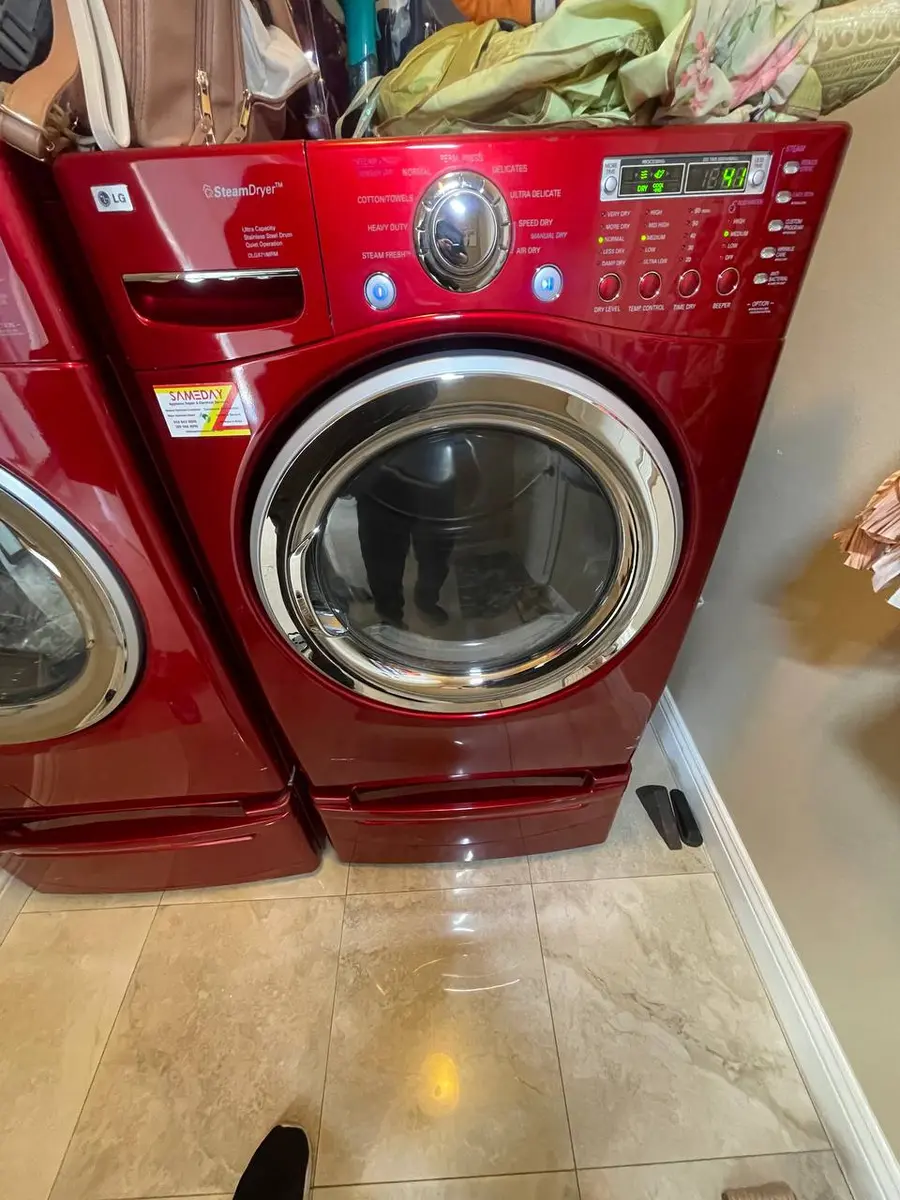
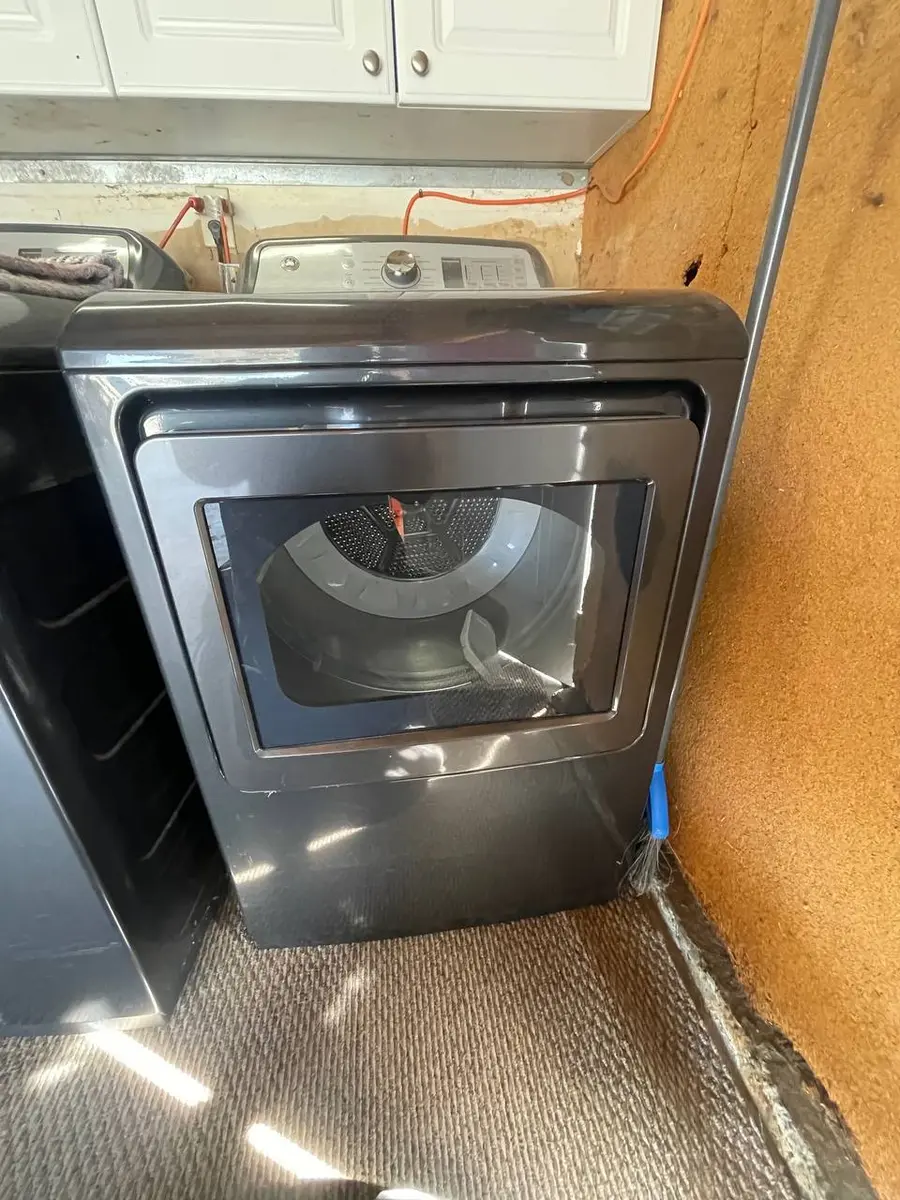
Vented vs Ventless (Heat Pump) Dryer
A vented dryer is simpler and cheaper to fix — a heat source and a blower, both easy swaps — while a ventless heat-pump dryer uses 50% less energy and needs no external duct but carries a sealed refrigeration circuit that pushes lifetime maintenance and repair costs 40-80% higher. The energy savings and the extra…
Vented vs ventless heat-pump dryer: simplicity against efficiency#
| Factor | Vented dryer | Ventless heat pump |
|---|---|---|
| Energy use | Baseline | About 50% less per load |
| Venting | Needs an exterior vent | None; any room with a 120V or 240V outlet |
| Dry time | 40-55 minutes | 60-90 minutes at lower temperatures |
| Repair complexity | Simple, universal parts | Sealed system; EPA-certified work |
Verdict: Vented is the cheaper, simpler machine; ventless buys installation freedom and efficiency at a higher repair cost.
How they differ mechanically#
A vented dryer pulls in room air, heats it with a gas burner or electric element, tumbles it through the drum and exhausts the moist air outside — one-pass, simple airflow. A ventless heat-pump dryer instead runs a sealed refrigeration circuit: moist drum air passes a cold evaporator coil that condenses the water out, then a warm condenser coil reheats the now-dry air and returns it to the drum, with the condensed water draining to a reservoir. That closed loop is, in principle, an air conditioner bolted to a dryer — a compressor, evaporator, condenser, expansion valve and refrigerant — and sealed-system repairs require EPA-certified technicians and specialized equipment.
Do You Have the Right Tools?
Gas leak detector ($130), thermal fuse tester ($95), belt tension gauge, and vent inspection camera ($180). Our technician arrives with $3,000+ in professional tools — your diagnostic is free.
Licensed & Insured · 90-Day Warranty · Same-Day Service
Ventless-specific failures#
Compressor. The compressor is the heart of the heat pump; when it fails, the dryer tumbles but clothes stay cold and wet, or it quits after a few minutes with an error code. It is a sealed unit, so replacement needs a refrigerant-certified technician, and it typically lasts 8-12 years — tellingly, LG and Miele offer 10-year compressor warranties, a sign they expect failures in that window.
Condensate pump. A small pump moves the extracted, mineral-laden water after every cycle. Its impeller clogs with mineral deposits and the motor burns out, or the tank float switch sticks and lets water overflow inside the machine.
Heat-exchanger lint. This is the biggest maintenance difference. Because air recirculates, lint that passes the filter settles on the condenser coil instead of leaving through a vent. Clean the secondary condenser filter every 3-5 loads and the heat exchanger itself every 3-6 months. Skip it and lint insulates the coil, the compressor labors and runs hot, dry times climb from 60-90 minutes to 120 or more, and compressor lifespan can shorten by 30-50% before thermal protection finally stops the machine mid-cycle.
Refrigerant leak. The sealed circuit holds a set charge of R-134a or R-290. Vibration fatigue or corrosion opens a leak, dry times creep up, frost forms on the evaporator, and the compressor runs without reaching temperature. The fix — pressure-test, repair, evacuate and recharge — requires EPA Section 608 certification and recovery equipment, so some shops subcontract it to HVAC technicians.
The vented simplicity advantage#
Vented dryer repairs are among the easiest in the trade. A heating element is a two-wire, one-screw swap in about 20 minutes; a thermal fuse takes 10; a belt around 30; gas valve coils about 15. Every job uses basic hand tools, most parts are universal across brands, and any appliance technician can handle them with confidence — a stark contrast to the certified, specialized work a sealed system demands.
Safety First — Know the Risks
Gas dryers carry carbon monoxide and explosion risk. Even electric dryers involve 240V circuits that can deliver a fatal shock. Our techs are licensed and insured — let them handle the risk.
Licensed & Insured · 90-Day Warranty · Same-Day Service
Energy savings versus repair costs#
The efficiency case is genuine — a ventless heat-pump dryer uses 50% less electricity per load. But over a typical life of 5 loads a week for 12 years, those savings land in roughly the same range as the extra repair spend, which includes a likely compressor-related repair and periodic professional heat-exchanger cleaning. The two effectively cancel, so the ventless dryer's true advantage is installation flexibility — no vent required — rather than money saved. When a sealed-system repair like a compressor approaches half the price of a new machine, replacement usually wins.
What we recommend#
Choose vented if you have or can add an exterior vent, want the simplest and cheapest machine to maintain, prefer 40-55 minute dry times, or are comfortable with a gas model for extra savings. Choose ventless heat pump if no exterior vent is possible, you will commit to cleaning the condenser filter every few loads, you accept 60-90 minute dry times, and you want lower energy use regardless of repair-cost parity.
The Real Cost of DIY
Average DIY attempt: $150-400 in tools you may use once, plus the risk of further damage. Our diagnostic visit costs $0 — we find the problem and give you an honest quote.
Licensed & Insured · 90-Day Warranty · Same-Day Service
Frequently asked questions#
Are ventless dryers more expensive to repair than vented?#
Yes. A ventless dryer's costliest repair is a sealed compressor, versus a motor on a vented machine, and heat pumps also need heat-exchanger cleaning every 3-6 months. Overall, expect to spend 40-80% more on ventless maintenance and repairs across the machine's life.
Not sure which type you have, or need help with a [dryer repair](/bay-area/services/dryer-repair)? Our certified technicians service every dryer configuration with upfront pricing. Book your diagnostic appointment today.
Appliance Repair Technician · 11 years experience
Experienced technician with 11 years specializing in Frigidaire and Electrolux refrigerator and dryer repair with a focus on safety.