Top-Load vs Front-Load Dryer
Top-Load vs Front-Load Dryer: each has distinct strengths in reliability, repair cost, and longevity. See the detailed comparison below for repair data and our technician recommendation.
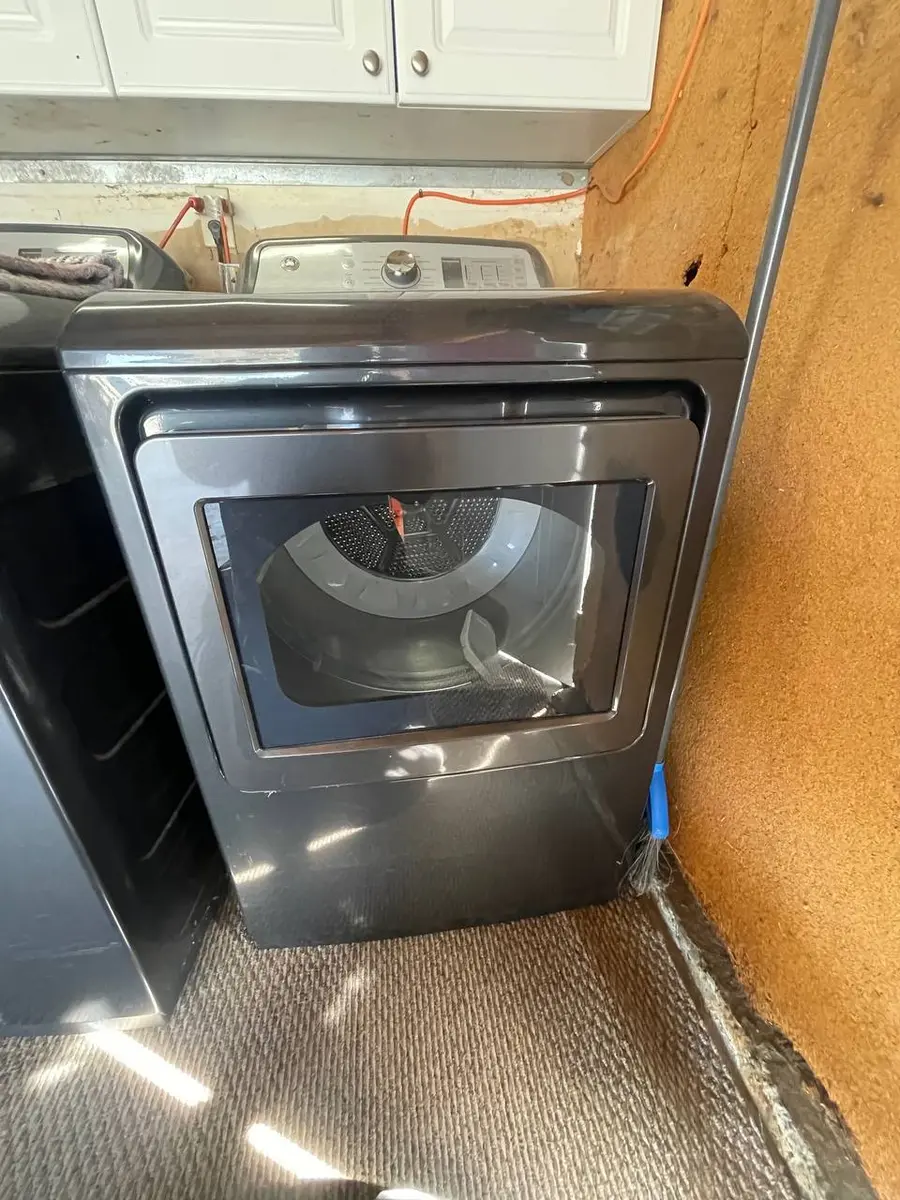
Unlike washers, where top-load and front-load configurations create fundamentally different mechanical designs, most residential dryers are front-loading by nature — clothes tumble in a horizontally-oriented drum regardless of where the door is positioned. The term "top-load dryer" typically refers to units where the door opens from the top (less common, primarily compact European-style models) or to top-loading washer-dryer combo units. The more meaningful comparison for dryers is between standard front-door dryers and compact/ventless dryers that may load from the top. This guide covers the real-world repair differences between these configurations.
How Do Repair Costs Compare?#
| Repair | Standard Front-Door | Compact/Top-Access |
|---|---|---|
| Heating element | Varies | Varies |
| Drum roller/bearing | Varies | Varies |
| Drive belt | Varies | Varies |
| Control board | Varies | Varies |
| Thermal fuse | Varies | Varies |
| Motor | Varies | Varies |
| Moisture sensor | Varies | Varies |
| Heat pump (if equipped) | N/A most models | Varies |
Average repair cost: Standard front-door varies by model. Compact/top-access varies by model.
Do You Have the Right Tools?
Gas leak detector ($130), thermal fuse tester ($95), belt tension gauge, and vent inspection camera ($180). Our technician arrives with $3,000+ in professional tools — your diagnostic is free.
Licensed & Insured · 90-Day Warranty · Same-Day Service
Standard Front-Door Dryers: The Reliability Baseline#
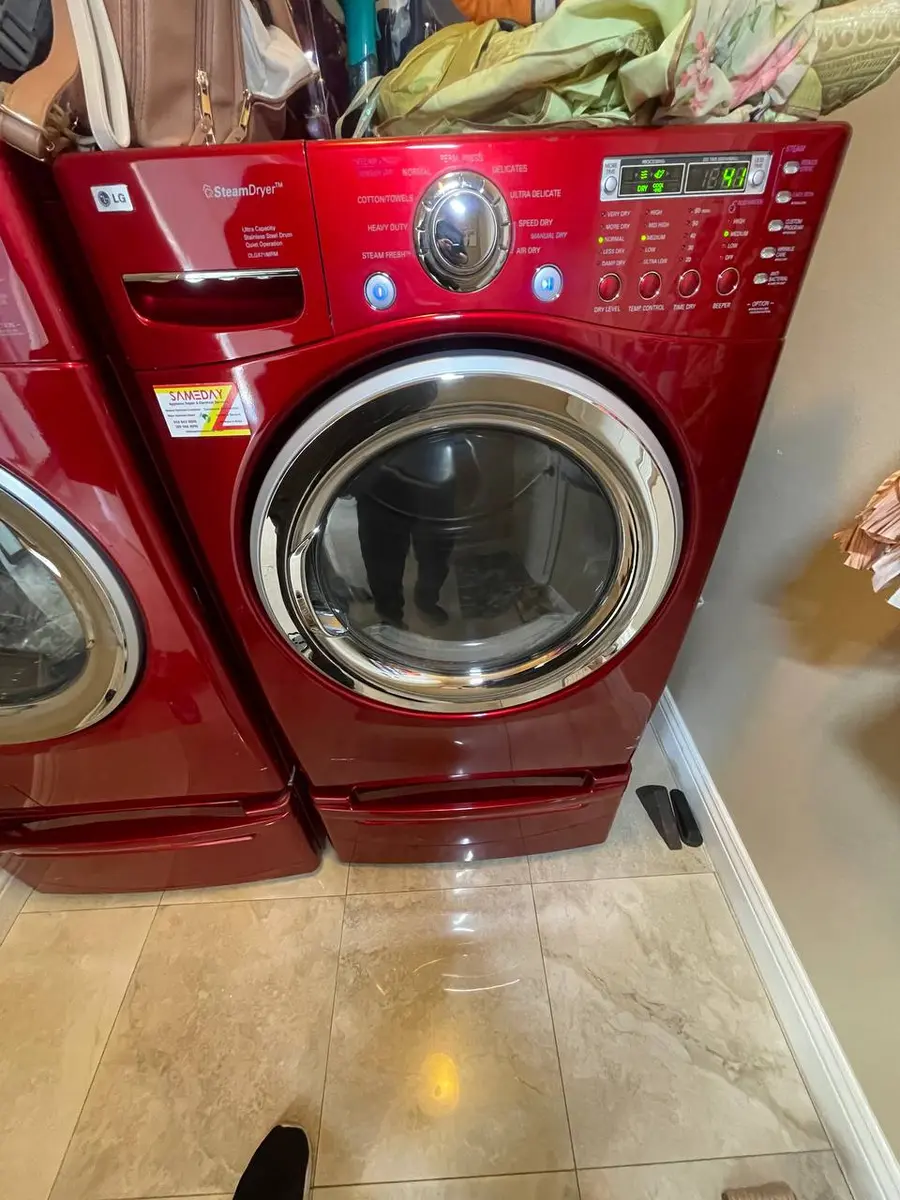
Standard residential dryers with a front-mounted door represent 90%+ of the US dryer market. They use a well-established design: a large drum supported by rollers at the rear and a front bearing seal, driven by a belt connected to a single-speed motor. Heat comes from either an electric coil element or a gas burner with an igniter. This design has been refined over decades, and parts are universally available.
The most common repair — drum roller replacement — varies by model and condition and is a straightforward 30-45 minute job. The belt is the second most common failure: an affordable part with 30 minutes of labor. These dryers are among the most affordable appliances to repair.
Compact and Top-Access Dryers: The Space-Saving Trade-off#
Compact dryers (24-inch width versus standard 27-inch) are common in apartments, condos, and European-brand lineups. Many use ventless technology — either condenser or heat pump — because they are designed for spaces where exterior venting is impossible. Some compact models load from the top.
The repair cost premium for compact dryers comes from three factors: smaller production volume means less parts competition, European-brand components (Bosch, Miele, Electrolux compact) ship from overseas, and the ventless/heat pump technology adds components that standard vented dryers lack.
Heat Pump Dryer Repairs#
Heat pump dryers use a refrigeration-style compressor to recycle heat instead of venting it outside. This makes them 28-40% more energy efficient but adds a compressor, evaporator, condenser, and refrigerant circuit — the same components found in a dehumidifier or air conditioner. When the heat pump system fails, repair costs are varies by model — comparable to an HVAC repair, not a typical [dryer repair](/bay-area/services/dryer-repair).
Most heat pump dryers carry a 10-year compressor warranty, which mitigates the cost risk. But other heat pump components (fan, sensors, condenser cleaning mechanism) are not covered and add to the maintenance profile.
Safety First — Know the Risks
Gas dryers carry carbon monoxide and explosion risk. Even electric dryers involve 240V circuits that can deliver a fatal shock. Our techs are licensed and insured — let them handle the risk.
Licensed & Insured · 90-Day Warranty · Same-Day Service
Ventless vs Vented: The Bigger Repair Distinction#
For dryer repair costs, the vented-versus-ventless distinction matters more than door position. Vented dryers (standard in the US) exhaust moist air through a duct to the outside. Ventless dryers (condenser or heat pump) recirculate air internally and collect moisture in a reservoir or drain it through plumbing.
Vented dryers have one significant maintenance requirement: the exhaust vent must be kept clear. A clogged vent causes the thermal fuse to blow (varies by model repair), and chronic lint buildup can cause fire. Ventless dryers eliminate the vent fire risk but add the condenser cleaning requirement and the heat pump maintenance noted above.
What Do We Recommend for Each Situation?#
Choose standard front-door vented dryer if: You have exterior venting available. You want the cheapest purchase price and repair costs. You want maximum parts availability and fast service. Space is not constrained.
Choose compact/ventless dryer if: No exterior vent duct is available. Space requires a 24-inch unit. You value energy efficiency (heat pump models can save significantly/year). You accept higher repair costs for the space and efficiency benefits.
The Real Cost of DIY
Average DIY attempt: $150-400 in tools you may use once, plus the risk of further damage. Our diagnostic visit costs $0 — we find the problem and give you an honest quote.
Licensed & Insured · 90-Day Warranty · Same-Day Service
Frequently Asked Questions#
Are compact dryers more expensive to repair than standard dryers?#
Yes, by varies by model per repair on average. The premium comes from smaller parts production volume, European-brand component sourcing, and the added complexity of ventless/heat pump technology. Mechanical failures (belt, rollers, motor) cost 10-20% more than the same repairs on standard dryers.
How long do heat pump dryers last?#
Heat pump dryers average 13-15 year lifespans, comparable to standard vented dryers. The heat pump compressor is typically warranted for 10 years. Other components (drum, motor, controls) wear at similar rates to vented dryers. Energy savings over 10 years (varies by model) partially offset the higher purchase price and repair costs.
Do ventless dryers take longer to dry clothes?#
Yes, typically 15-30 minutes longer per load than vented dryers. Heat pump dryers use lower temperatures (120-150 degrees F versus 135-175 degrees F for vented), which is gentler on fabrics but slower. This is a performance trade-off, not a defect. Condenser dryers without heat pumps are faster than heat pump models but still slower than vented.
We repair all dryer configurations — standard, compact, vented, and ventless. Our technicians carry parts for every major brand and provide same-day service on most models. Book your repair appointment today.
This matches what our service teams see in practice: the maintenance profile..
Appliance Repair Technician · 11 years experience
Experienced technician with 11 years specializing in Frigidaire and Electrolux refrigerator and dryer repair with a focus on safety.