Smart Dishwasher Auto Cycle Selection Not Working
Smart dishwashers with AutoSense (GE), Auto Wash (Bosch), Smart Wash (Samsung), or Auto (LG) use a turbidity sensor to read how dirty the water is and set wash temperature, time, and water use accordingly. When auto-selection misbehaves, it is almost always a dirty turbidity sensor, not a software bug — clean the…
Smart or mechanical?#
Quick check: does the [dishwasher](/blog/repair-or-replace-dishwasher) clean fine on a manual cycle (Normal, Heavy)? If yes, this is an auto-selection issue — stay here. If no, it is an ordinary cleaning problem (spray arm, pump) and the sensor is a red herring.
How AutoSense works#
All the brands use the same idea: a turbidity sensor measures water clarity in the first minutes of the cycle. Clear water means a light load and a shorter cycle; cloudy water means heavy soil, so the dishwasher runs longer and hotter. Smart versions add app reporting (which intensity was chosen and why), some learning over time, and per-cycle energy and water estimates.
Do You Have the Right Tools?
Water pressure gauge ($60), spray arm tester, float switch multimeter ($85), and drain inspection camera. Our technician arrives with $3,000+ in professional tools — your diagnostic is free.
Licensed & Insured · 90-Day Warranty · Same-Day Service
Cleaning the turbidity sensor#
The sensor is a small lens in the sump at the bottom of the tub. To reach it: remove the lower spray arm (twist counterclockwise), then the cylindrical filter (twist and lift out); the sensor is a small glass or plastic dome in the sump. Clean it with warm water and a soft cloth or cotton swab — no abrasives — then reassemble. Food film, grease, and hard-water scale on the lens make the sensor read "cleaner" than reality, so the dishwasher under-washes. This is the single most common cause of bad auto-selection.
Why the sensor reads "too clean"#
It is worth understanding why a dirty sensor causes under-washing specifically, rather than random behavior. The turbidity sensor judges soil by how much light passes through the water — cloudy water blocks light, clear water passes it. When film and scale coat the lens, they dim the light path permanently, so even genuinely dirty water looks clearer to the sensor than it is. The dishwasher concludes the load is lighter than reality and picks a shorter, cooler cycle, and your dishes come out under-cleaned. That one-directional bias — always toward "cleaner," never "dirtier" — is the fingerprint of a fouled sensor, and it is why cleaning the lens, not adjusting settings, is the real fix.
Safety First — Know the Risks
Live 120V wiring in a wet environment is one of the most dangerous DIY scenarios. Water + electricity = serious shock risk. Our techs are licensed and insured — let them handle the risk.
Licensed & Insured · 90-Day Warranty · Same-Day Service
By brand#
- Samsung Smart Wash: SmartThings shows the detected soil level and chosen intensity. If it keeps picking too-short cycles, raise SmartThings > Dishwasher > Settings > Smart Wash Sensitivity to "More Sensitive," which lowers the turbidity threshold for longer cycles.
- LG Auto: ThinQ shows a time estimate up front and adjusts continuously — if soil releases mid-wash, it extends the cycle and updates the estimate. There is no app calibration.
- GE AutoSense: SmartHQ shows the estimated time and intensity. GE's auto cycles run longer than rivals (often a few hours) by design — GE prioritizes cleaning over speed in auto mode, so long is not broken.
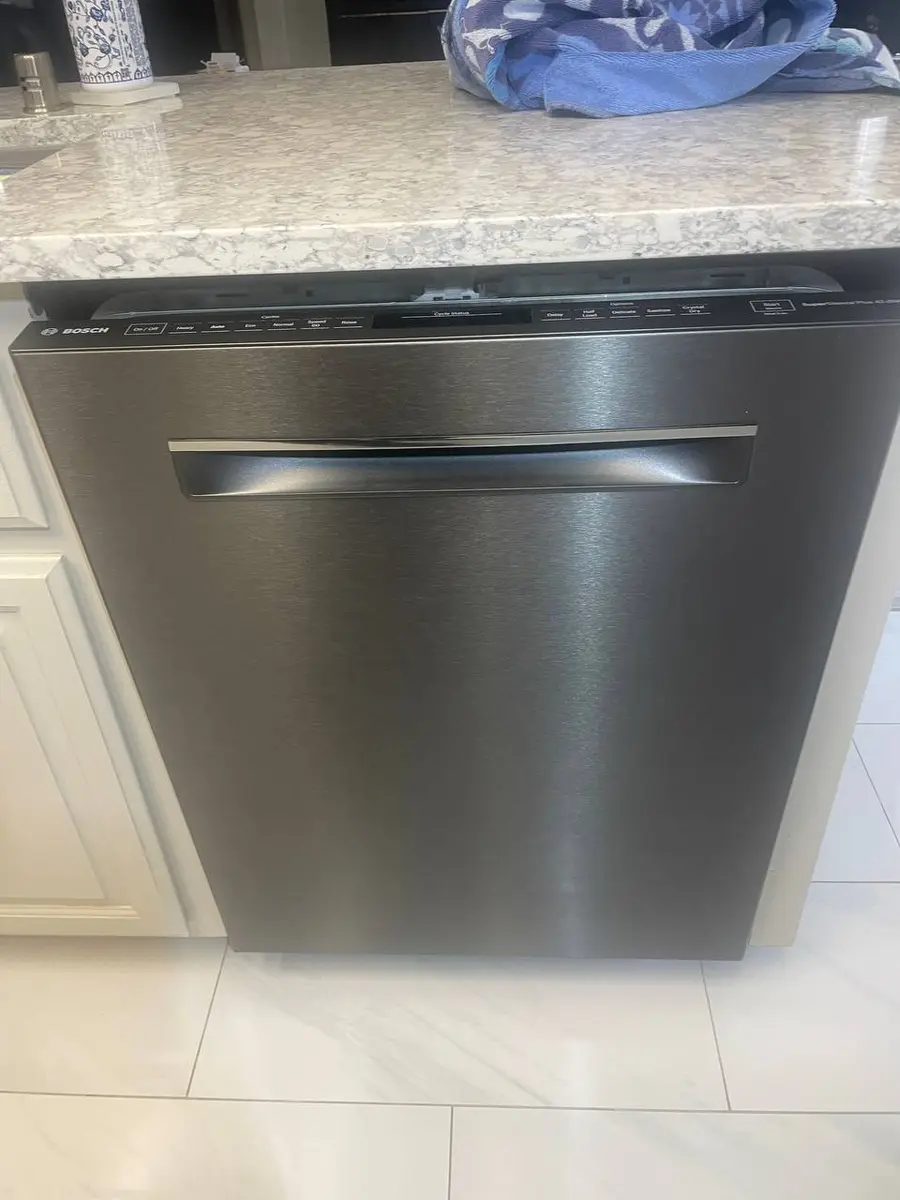
- Bosch Auto Wash: Home Connect shows the chosen temperature and duration. Bosch 500/800 models use both turbidity and a conductivity sensor (which catches dissolved food the turbidity sensor misses) — clean both during maintenance.
When auto-selection fails completely#
If the dishwasher ignores detection and defaults to a fixed cycle: check the display for a sensor-related error code, run the brand app's diagnostic (SmartHQ Diagnostics or ThinQ Smart Diagnosis), and if it reports sensor failure, the turbidity sensor needs replacement. It lives in the sump, so reaching it means removing the spray arm and filter. On some models the sensor is built into the sump assembly and cannot be swapped alone — the whole sump assembly goes.
The Real Cost of DIY
Average DIY attempt: $150-400 in tools you may use once, plus the risk of further damage. Our diagnostic visit costs $0 — we find the problem and give you an honest quote.
Licensed & Insured · 90-Day Warranty · Same-Day Service
A maintenance habit that prevents it#
Most auto-selection complaints never happen on dishwashers that get basic filter care. Pull and rinse the cylindrical filter every week or two, and wipe the sump area — including the sensor lens — during that same cleaning. Scraping plates before loading and running the disposal first keeps heavy debris out of the sump, and using rinse aid helps water sheet off rather than leaving film on the sensor. A few minutes of routine filter maintenance keeps the turbidity reading accurate and the auto cycle choosing correctly, which is far easier than chasing a sensor that has slowly gone blind.
Smart dishwasher picking the wrong cycle? Book a free diagnostic — our technicians handle both the connected side and the traditional repair.
Appliance Repair Technician · 8 years experience
Experienced technician with 8 years specializing in dishwasher repairs and European appliance brands including Bosch and Thermador.