Updated 2026-07. Ice makers range from a $120 countertop box to a plumbed undercounter machine, and their reliability is decided less by brand than by design class and water quality. We do not publish a failure-rate ranking, because we do not hold a dataset broad enough to responsibly crown one brand. But you seldom need one: read the machine class, the drainage method, and — above all — the water it will run on, and you can reason about its longevity from the public record before you buy.
Why We Reason From Design and Water, Not a Leaderboard#
A trustworthy reliability figure needs a large, controlled sample; buying-guide rankings rarely have one. The variables that actually decide an ice maker's life are stable and knowable in advance: which of three machine classes you are buying, how it drains, and how hard your water is. Those facts predict longevity better than any ranked list, and they apply across every brand.
Do You Have the Right Tools?
Multimeter ($85), vacuum pump ($250), diagnostic software, and specialized hand tools. Our technician arrives with $3,000+ in professional tools — your diagnostic is free.
Licensed & Insured · 90-Day Warranty · Same-Day Service
The Three Ice-Maker Classes Have Different Failure Surfaces#
| Class | What it is | Reliability reasoning (design, not measurement) |
|---|---|---|
| Portable countertop | Self-contained, fill-by-hand, no plumbing | Cheapest and simplest, but built to a price — a small compressor and pump in a light housing. When it fails, its low replacement cost makes it a replace-not-repair item, much like a countertop microwave. |
| Undercounter / freestanding | Plumbed, with its own sealed system and drain | Built for continuous duty with a proper compressor, water pump, and drainage — the most serviceable and longest-lived class, and the one where repair usually makes sense. |
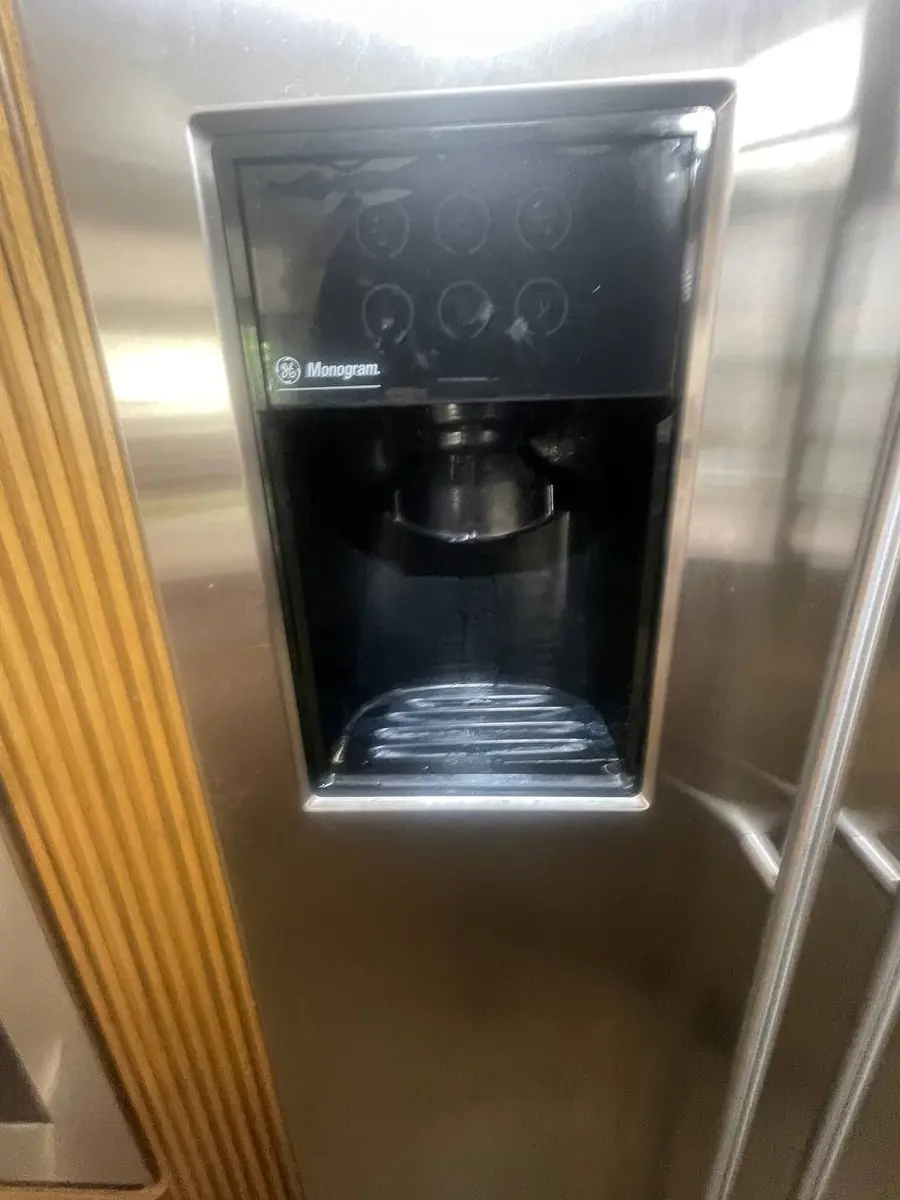
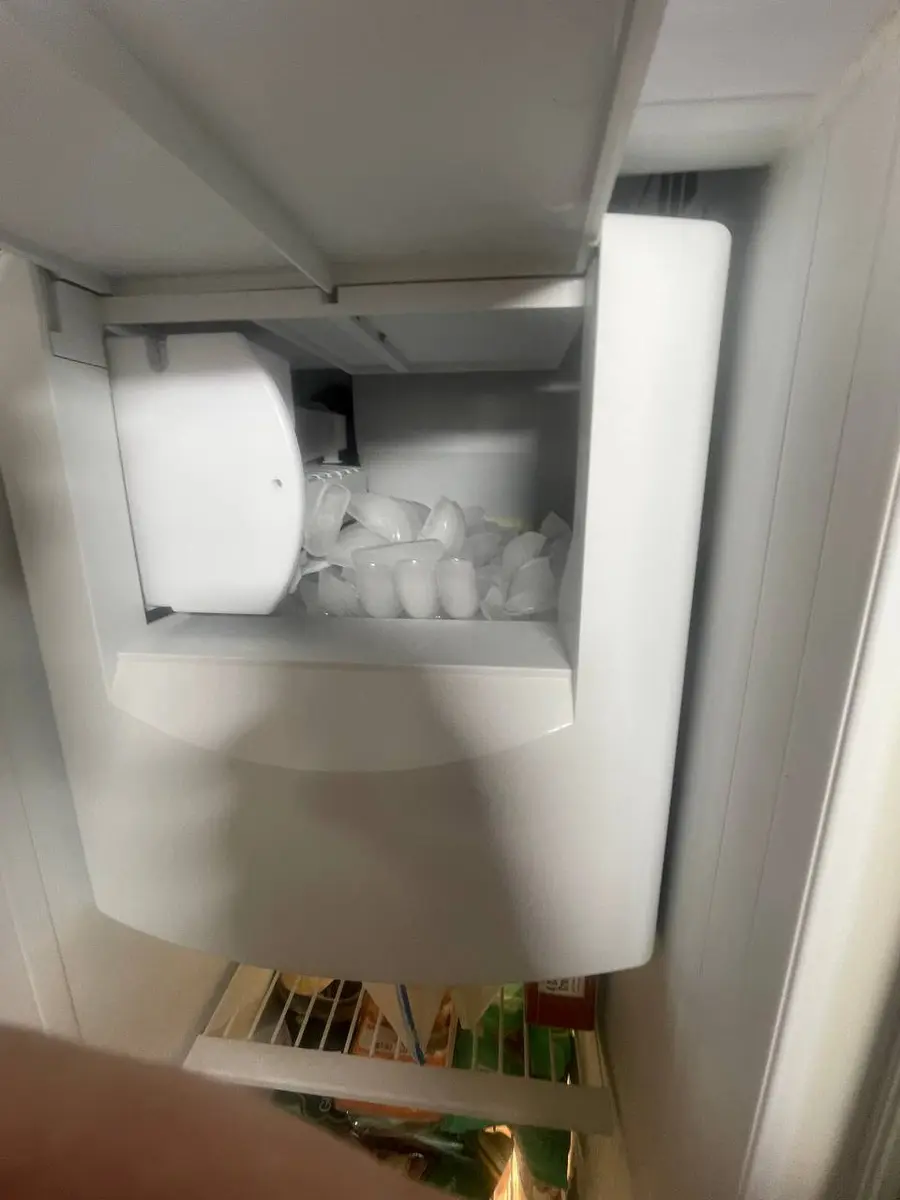
| Modular (in-refrigerator) | The ice unit inside a fridge's freezer or door | Shares the refrigerator's sealed system; failures are usually the ice-maker module, water inlet valve, or a frozen fill line rather than the whole machine — often an affordable repair. |
The takeaway: a portable countertop unit is disposable by design, an undercounter machine is built to be kept and serviced, and a fridge module is a component repair. Knowing which class you own tells you immediately whether a fault is worth fixing.
Water Quality Is the Number-One Lifespan Factor#
No design trait matters more than the water you run through the machine. Hard water leaves scale that clogs the pump, coats the evaporator, and slows or stops ice production — and scale is the most common reason an otherwise-healthy ice maker "dies." This is the single biggest lever you control:
- Descale on schedule with the manufacturer's cleaner; skipping it is what ends most machines early.
- Filter the supply on plumbed units — a simple inline filter dramatically slows scale buildup.
- Expect harder water to shorten life regardless of brand; soft or filtered water lets a machine reach the top of its range.
A brand cannot out-engineer neglected water. Maintenance, not the badge, is what keeps an ice maker running.
Safety First — Know the Risks
Appliances involve high voltage (120-240V), pressurized water, gas lines, and chemical refrigerants. Over 400 DIY repair injuries are reported yearly. Our techs are licensed and insured — let them handle the risk.
Licensed & Insured · 90-Day Warranty · Same-Day Service
Drainage and Ice Type#
- Gravity drain vs pump drain: gravity-drain units need a drain below the machine and have one less part to fail; a drain pump adds flexibility in placement but is another component that can clog or wear. For a set-and-forget install, gravity drainage is the simpler, lower-risk choice.
- Nugget vs cube vs flake: nugget ("chewable") machines are beloved but mechanically busier, with an auger system that asks for more upkeep; classic cube makers are the simplest and most standardized. Choose the ice you want with eyes open about the maintenance that comes with the fancier styles.
Warranty Length Is a Readable Signal#
Manufacturers publish warranty terms, and the structure is an honest confidence statement — especially the sealed-system coverage on plumbed machines:
| Coverage | Typical published term | What it signals |
|---|---|---|
| Full unit (parts + labor) | 1 year (industry standard) | Baseline across brands and classes |
| Sealed system (undercounter / freestanding) | Often 5 years (some longer) | Confidence in the compressor and refrigeration loop — read it before buying a plumbed unit |
| Statutory parts availability (California SB-244) | 7 years after last manufacture (units over $100, 2017+) | Parts and documentation stay available by law |
On an undercounter machine, the sealed-system warranty is the number to read. On a portable countertop unit, the short full-unit warranty tells you what you already know — it is a replace-not-repair appliance.
The Real Cost of DIY
Average DIY attempt: $150-400 in tools you may use once, plus the risk of further damage. Our diagnostic visit costs $0 — we find the problem and give you an honest quote.
Licensed & Insured · 90-Day Warranty · Same-Day Service
Recalls Are Public Record#
Ice-maker-related recalls do occur — sometimes on standalone machines, and notably as part of refrigerator recalls where an in-door ice maker was implicated in leaks or fire risk. Recalls are public: confirm your model is clear via the 2026 appliance recall guide. If your ice maker lives inside a refrigerator, check the fridge's recall status too.
Repair-or-Replace: Match the Fix to the Class#
The right call depends entirely on the class. On a modular fridge unit, replacing the ice-maker assembly or a water inlet valve is an affordable repair — editor-reference totals put a refrigerator ice maker around $150-350. On an undercounter machine, a pump or thermostat is worth fixing; a failed sealed system is a closer call weighed against the unit's value. On a portable countertop box, almost any real fault points to replacement, because a new unit costs about what the repair would. See how long ice makers last, the ice maker running-cost guide, and if you have a fridge module, how to replace an ice maker. Compare cooling logic with refrigerator reliability and freezer reliability.
Don't Void Your Warranty
Opening your appliance yourself may void the manufacturer warranty. Our repair comes with a 90-day guarantee, and we document everything for warranty compliance.
Licensed & Insured · 90-Day Warranty · Same-Day Service
What We Recommend#
We do not crown a single most-reliable ice maker brand — the class and the water decide longevity far more than the badge. For serious, continuous ice, buy an undercounter machine with a good sealed-system warranty, plumb it through a filter, and descale on schedule. For occasional ice, a portable countertop unit is fine as long as you accept it is disposable. Whatever you choose, treat the water as the real reliability variable, favor gravity drainage and simpler ice styles for lower upkeep, and confirm the model is recall-clear. Do that and the machine outlives the average.
A Simple Care Routine That Extends Any Ice Maker#
Because water is the number-one lifespan factor, a short routine protects almost any machine. Descale on the manufacturer's schedule with their approved cleaner — skipping this is what ends most ice makers early, as scale slowly chokes the pump and coats the evaporator. On plumbed units, fit and change an inline water filter to slow scale at the source. Empty and dry a unit you will not use for a while so mineral film and mold do not set in, and on undercounter machines keep the condenser coils and the drain clear. This routine costs minutes and moves a machine toward the top of its class-dependent lifespan far more than the brand ever could.
Is It Worth Your Time?
The average DIY appliance repair takes 4-6 hours of research, troubleshooting, and parts ordering — with no guarantee of a correct diagnosis. Our technician diagnoses the issue in about 30 minutes — same-day appointments available.
Licensed & Insured · 90-Day Warranty · Same-Day Service
Matching the Machine to the Job#
The most reliable ice maker is the one matched to how much ice you actually need. For heavy, continuous demand, buy an undercounter machine built for duty, plumb it through a filter, and read its sealed-system warranty. For occasional entertaining, a portable countertop unit is perfectly sensible as long as you accept that it is disposable by design and not worth repairing. If your ice comes from a refrigerator module, treat it as a component of the fridge — its inlet valve and ice assembly are replaceable parts, not reasons to replace the appliance. Choosing the right class up front is the reliability decision that matters most.
In our California service area, the ice makers we are called to are usually telling a water story — scale that has choked the pump or the evaporator on a machine that was never descaled or filtered. On refrigerator modules, a water inlet valve or the ice-maker assembly is a common, affordable fix. A typical labor charge here runs $150-350, and we will tell you honestly when a countertop unit is cheaper to replace than to repair.
Ice maker slowing down or not making ice? Book a diagnostic visit.
Lead Appliance Repair Technician · 12 years experience
Experienced technician with 12 years specializing in washing machine and dryer repairs across all major brands.