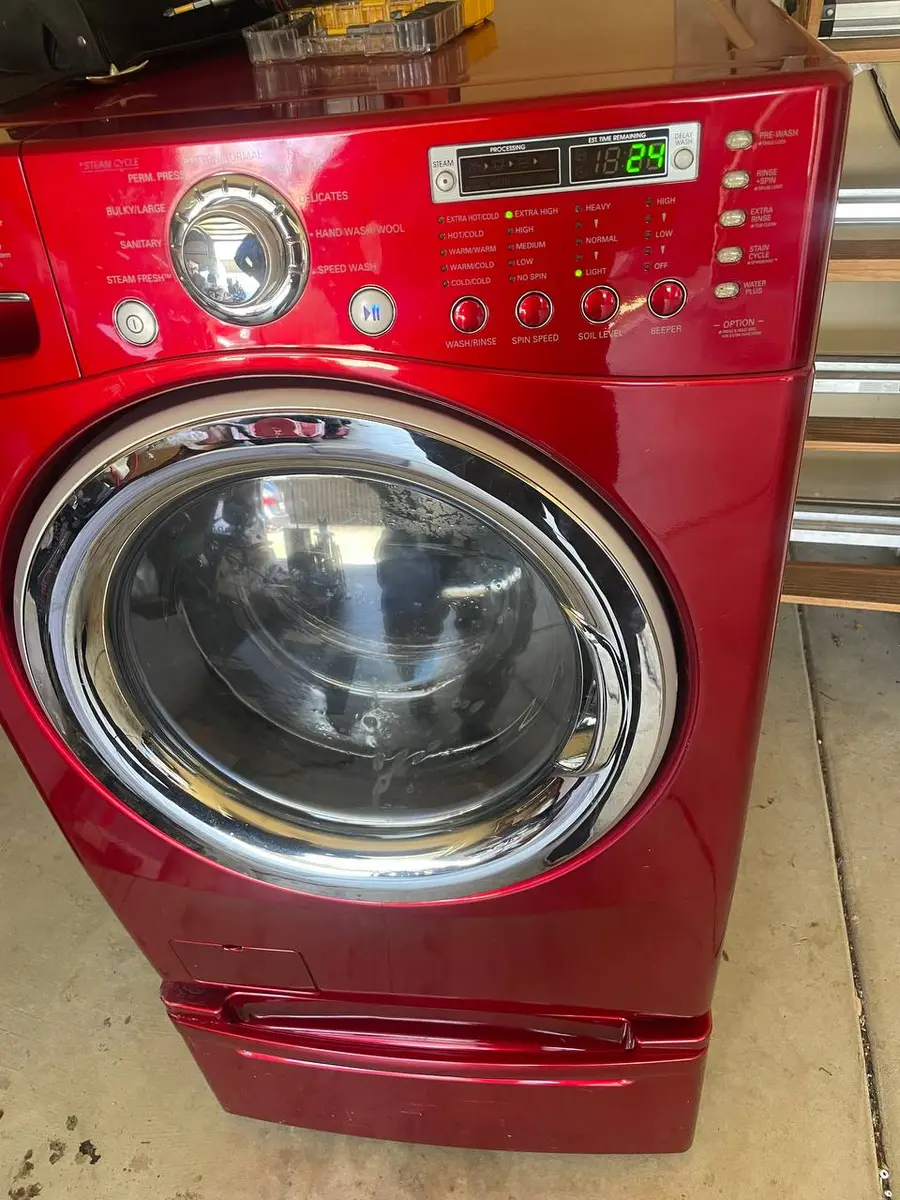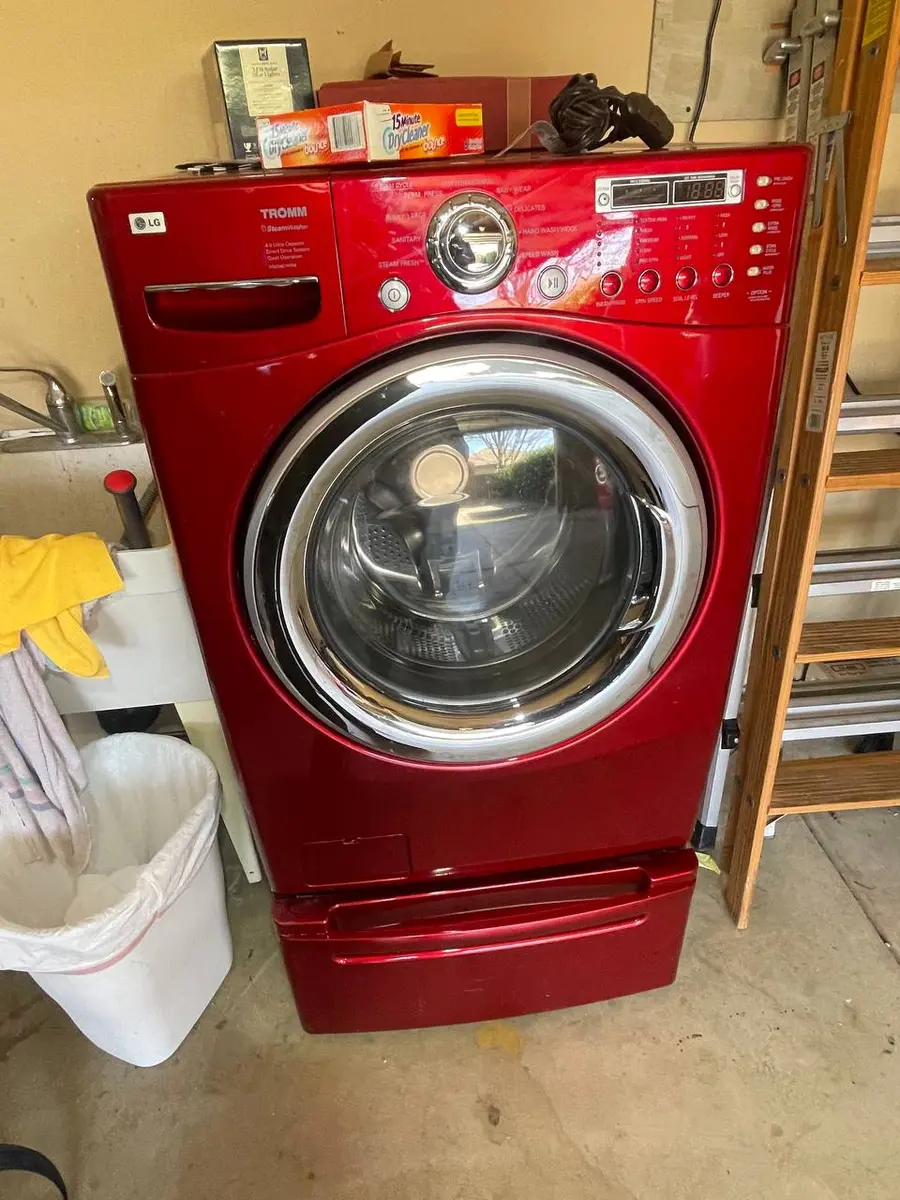
Is a 15-Year-Old Washer Worth Repairing?
at fifteen years, replacement is usually the right call for a washer. The one exception is a cheap bridge repair to carry you a few months if you already plan to replace within the next half-year to a year.
A fifteen-year-old washer has outlived the typical ten-to-fourteen-year lifespan, so the question is less about the broken part and more about how much longer it is worth feeding an aging, water- and energy-hungry machine. Here is the honest read.
Which failures are worth fixing at fifteen years#
At this age most repairs are stopgaps — worth doing only if they are cheap and buy real time.
| Failed part | Rough cost | Worth it at 15 years? |
|---|---|---|
| Door boot seal or lid switch | Low | Bridge only — cheap, stops leaks or starts a cycle |
| Drain pump | Low | Bridge only — fixes not-draining faults |
| Water inlet valve | Low | Bridge only — fixes fill problems |
| Drive belt or coupler | Low | Bridge only — restores spin or agitation |
| Shock absorbers or springs | Mid | Weigh it — fixes heavy vibration |
| Bearings or transmission | High | Replace the unit — labor-intensive, tub teardown |
The cost rule tightens hard with age. Rather than the usual 50% rule, hold repairs on a fifteen-year-old washer to roughly 20 to 30% of a new machine — and treat even that as a bridge, not a fix that resets the clock.
The efficiency case for a new washer#
The numbers favor replacing. A fifteen-year-old washer typically uses 35 to 50% more energy than a new ENERGY STAR model, and a modern high-efficiency washer cuts energy by about 25% and water by roughly 33% against an older machine. Over the remaining years you would keep the old unit, that combined water and power saving offsets a real share of a replacement — a return no repair on the old washer can deliver.
Front-load or top-load changes the worst case#
The single most expensive failure depends on the design. On a front-loader it is usually the tub bearing, which requires pulling the drum apart; on a top-loader it is the transmission. Both are labor-heavy jobs that rarely make sense on a fifteen-year-old machine, so if the diagnosis lands there, replacement is almost always the answer. The cheaper faults above are the only ones worth a bridge repair.
Removing an old washer safely#
Retiring a washer is a two-person job for a reason. These machines are heavy and hold a concrete counterweight that makes them awkward and easy to injure yourself on, so drain all the water before moving one. Most California utilities offer free appliance pickup, which is the simplest route. And because some older washers have dated electrical components, have them professionally disconnected rather than improvised.
If you replace: California incentives#
Buying new can come with help. California utilities including PG&E, SMUD, and SCE offer rebates on ENERGY STAR certified replacements, often paired with free old-unit pickup and recycling. Federal or state credits may apply to qualifying efficient models too. Check current programs for your area at dsireusa.org before you buy.
Reading the warning signs#
Whether a fifteen-year-old washer is worth even a bridge repair often shows in how it has been behaving. Growing vibration, a musty smell that will not clear, longer cycles, or water left standing in the drum point to wear spreading beyond the one failed part. A machine that has otherwise run clean is a candidate for a cheap stopgap; one already stacking up complaints is telling you its replacement is overdue, and a large repair only delays it.
Not certain whether a quick fix buys enough time to be worth it? A professional diagnosis gives you the repair figure and an honest read on how much washer you have left.
Appliance Repair Technician · 11 years experience
Experienced technician with 11 years specializing in Frigidaire and Electrolux refrigerator and dryer repair with a focus on safety.