Is a 12-Year-Old Microwave Worth Repairing?
at twelve years, repair a microwave only if the fix is cheap and simple — a door switch or a turntable motor. On a countertop unit, where a replacement is inexpensive, most repairs beyond that are not worth it.
A twelve-year-old microwave has outlived the typical seven-to-ten-year lifespan, so the repair bar sits high. The right answer also depends heavily on the type of microwave: a countertop model is cheap to replace, while a built-in or over-the-range unit carries installation costs that can justify a bigger fix. Here is how to weigh it.
Which failures are worth fixing at twelve years#
The part that failed decides almost everything at this age.
| Failed part | Rough cost | Worth it at 12 years? |
|---|---|---|
| Door switch (interlock) | Low | Yes — cheap and safety-critical |
| Turntable motor | Low | Yes — restores a rotating plate |
| Diode | Low | Weigh it — needs capacitor discharge, not a DIY job |
| Control panel or touchpad | Mid | Weigh it — availability varies by model |
| High-voltage capacitor | Mid | Weigh it — dangerous to service without training |
| Magnetron | High | Probably not — cost approaches a new unit |
On cost, drop the usual 50% rule down toward 25 to 30% at twelve years. And on a countertop microwave, where a new one is so cheap, almost nothing beyond a door switch clears even that lowered bar.
Countertop versus built-in changes the answer#
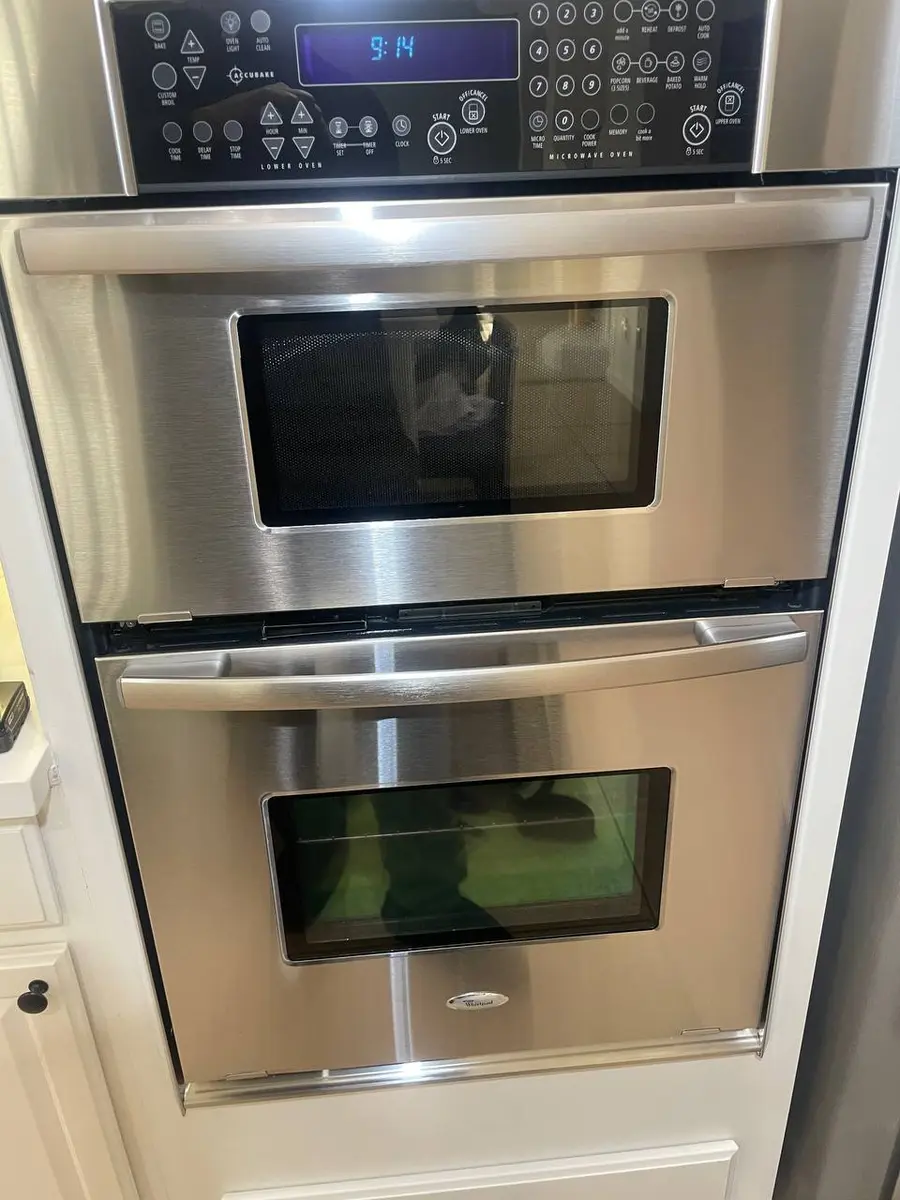
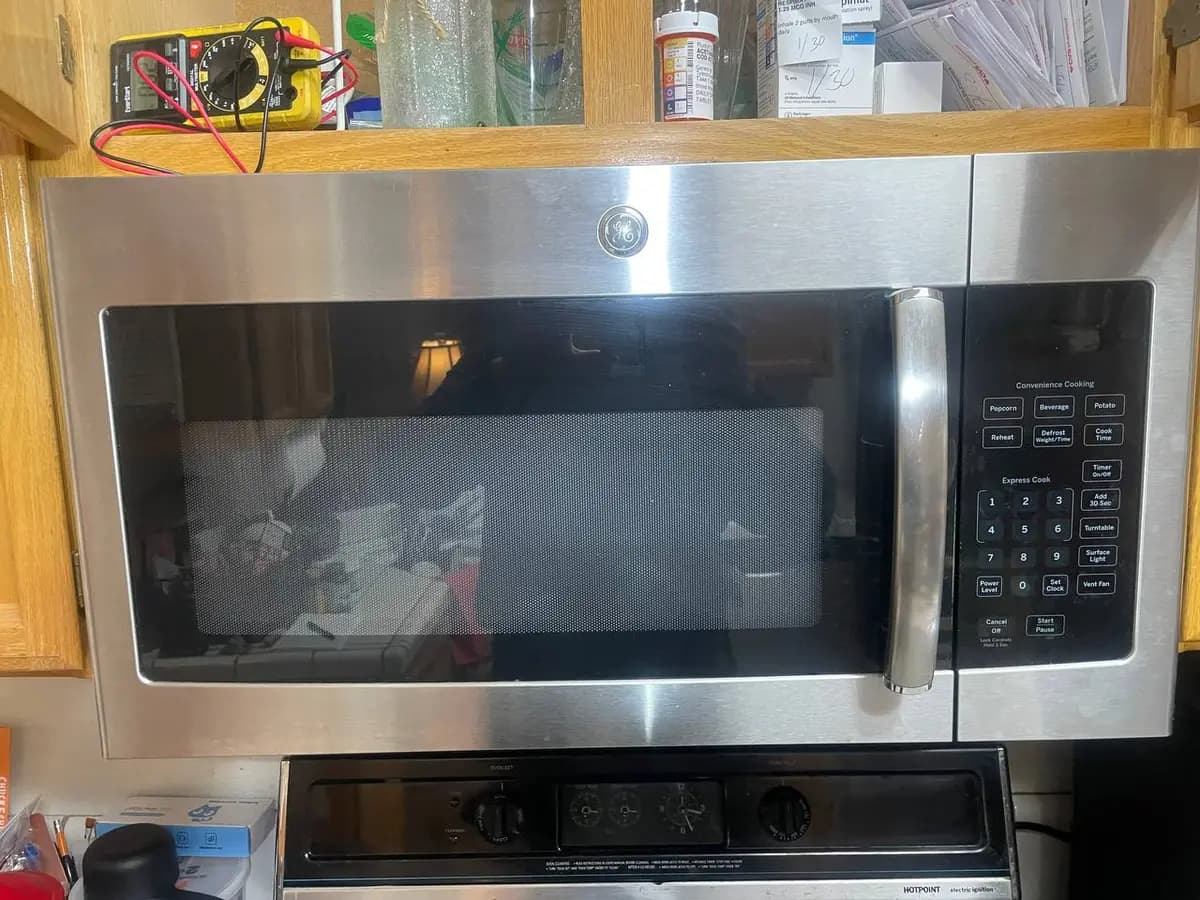
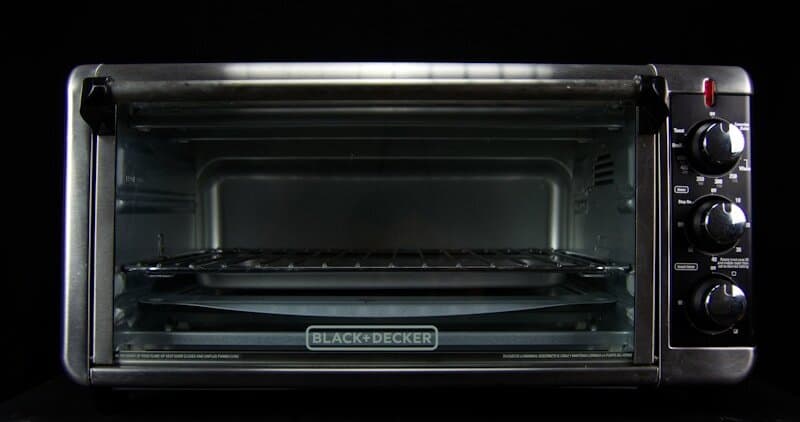
Type matters more than age here. A countertop microwave is among the cheapest appliances to replace, so a mid-cost repair rarely competes with simply buying a new one. A built-in or over-the-range unit is different: replacement can mean cabinet or venting work, which raises the effective replacement cost and makes a moderate repair — a control panel, say — more defensible. Sort out which you own before you price the fix.
When the magnetron goes, so does the microwave#
One failure ends the conversation. The magnetron is the core component that actually produces the heat, and when it fails, replacing it usually costs almost as much as a new microwave — so at twelve years, a dead magnetron effectively means a new unit regardless of the model type. There is no reading of the 50% rule that rescues that repair.
A safety note on the high-voltage side#
Some of these parts are not DIY territory. A microwave stores a dangerous charge in its high-voltage capacitor even when unplugged, so any repair touching the diode, magnetron, or capacitor requires that capacitor to be safely discharged first and is genuinely hazardous without training. Leave those jobs to a technician, and factor the professional labor into whether the repair is worth doing at all.
When a built-in changes the math#
The single biggest variable at twelve years is how the microwave is installed. A countertop model is cheap enough that repairing anything beyond a door switch rarely competes with replacing it outright. An over-the-range or built-in unit is a different calculation: pulling it out and fitting a new one can involve cabinet trimming, a new mounting plate, or venting work, and those installation costs raise the bar a repair has to clear. On one of those, a control-panel or door-switch fix can be worth doing where the same repair on a countertop unit would not be. That installed-cost gap is exactly why the same failed part can be worth fixing in one kitchen and not another, so price the full installed cost of a replacement, not just the box on the shelf, before you decide.
Not sure whether your microwave is worth saving? A professional diagnosis identifies the failed part, prices it against a replacement, and flags the safety risks before anyone opens the cabinet.
Appliance Repair Technician · 11 years experience
Experienced technician with 11 years specializing in Frigidaire and Electrolux refrigerator and dryer repair with a focus on safety.