How to Clean a GE Stove Glass Cooktop Without
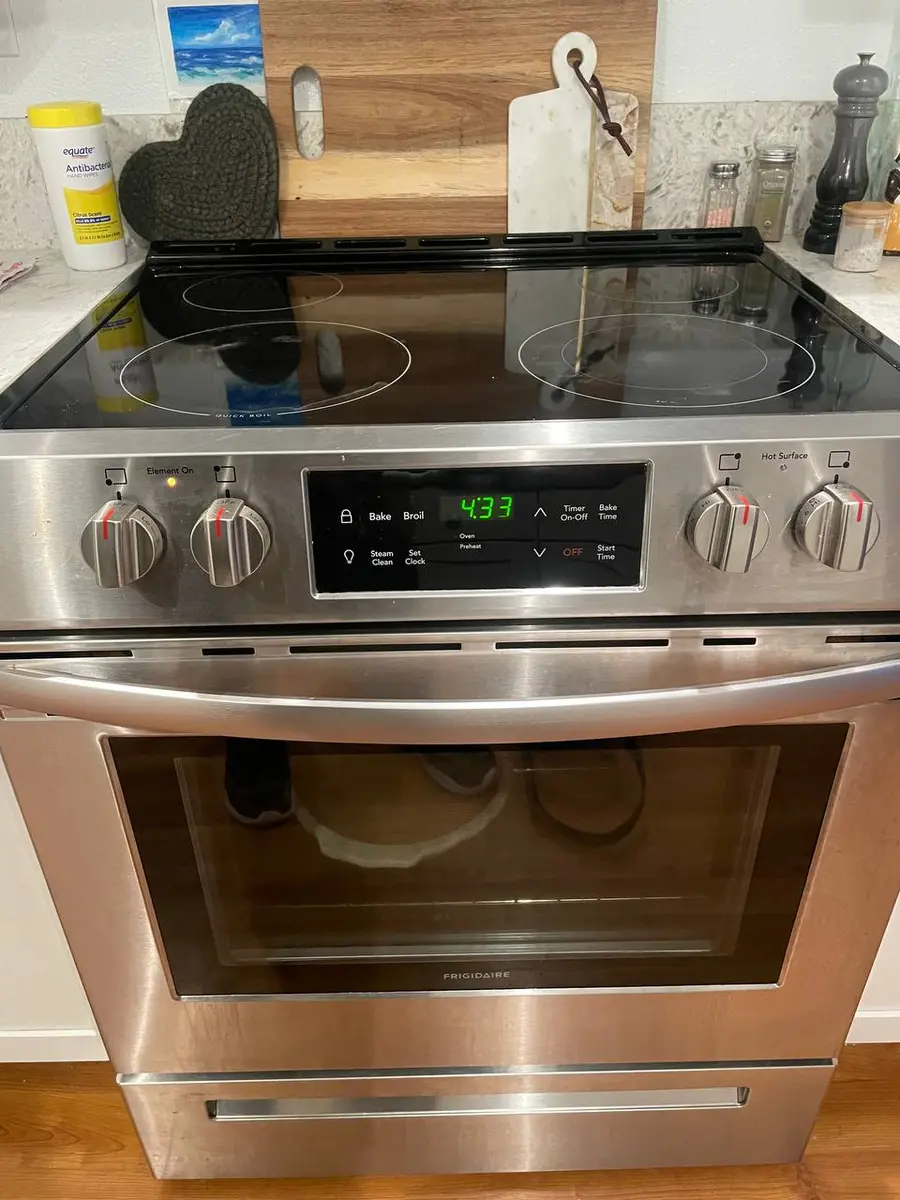
Cleaning a GE glass cooktop means letting it cool fully, lifting loose debris, applying Cerama Bryte or a baking-soda paste, working burnt-on spots with a non-abrasive pad and a razor scraper held nearly flat, then buffing dry. It is a beginner 20-minute job with Cerama Bryte, a razor scraper, microfiber cloths, and…
The surface is glass, so the rules are cool-first and non-abrasive-only; scrubbing a hot or gritty surface is what scratches and etches it permanently. A razor scraper at a low angle lifts fused residue that pads cannot, without gouging the glass.
Before You Start#
- Tools needed: Cerama Bryte cooktop cleaner (GE-recommended), razor blade scraper, microfiber cloths, baking soda, white vinegar
- Parts needed: None (cleaning procedure)
- Time required: 20 minutes
- Difficulty: Beginner
- Safety warning: Ensure all burners are completely cool before cleaning. Never use abrasive pads or cleaners on glass cooktops.
Do You Have the Right Tools?
Combustion analyzer ($300), igniter tester ($120), temperature calibrator ($150), and gas pressure manometer. Our technician arrives with $3,000+ in professional tools — your diagnostic is free.
Licensed & Insured · 90-Day Warranty · Same-Day Service
Step-by-Step Instructions#
Step 1: Let the Cooktop Cool Completely#
Never clean a warm or hot glass cooktop — thermal shock from cold cleaners can crack the glass, and you risk burns. The hot surface indicator light on GE ranges (labeled "Hot Surface" or "H") must be off before beginning. Allow at least 30 minutes after cooking for complete cooling.
Step 2: Remove Loose Debris#
Use a dry microfiber cloth to wipe away loose crumbs, food particles, and dust. Do not use paper towels for initial cleaning — they can leave lint that gets trapped under cleaner and causes light scratches during polishing.
Step 3: Apply Cerama Bryte or Baking Soda Paste#
For routine cleaning: Apply a quarter-sized amount of Cerama Bryte cooktop cleaner directly to the glass surface. For stubborn stains without Cerama Bryte: make a paste of baking soda and a few drops of water — spread over the stained area. GE explicitly recommends against using glass cleaner (Windex), bleach, ammonia-based cleaners, or any product with grit on glass cooktops.
Step 4: Scrub with a Non-Abrasive Pad#
Using the white Cerama Bryte cleaning pad (included with the cleaner) or a non-abrasive sponge, work the cleaner in small circular motions over the stained areas. Apply moderate pressure — the cleaner contains micro-polishing agents that do the work. For the entire cooktop surface, spend about 30 seconds per burner area. Do not use steel wool, Scotch-Brite green pads, or any abrasive material.
Step 5: Remove Burnt-On Residue with a Razor Blade#
For burnt sugar, melted plastic, or heavily carbonized food: hold a single-edge razor blade scraper at a 30-degree angle to the glass surface and carefully scrape toward you. Keep the blade flat — lifting the edge can scratch. GE recommends this technique in their official maintenance guides. Wet the area first with cleaner for lubrication. Replace blades when they become nicked or dull. Never use a razor on a warm surface — adhesive residues soften when warm and spread rather than lifting.
Step 6: Wipe Clean and Polish#
Use a clean damp microfiber cloth to wipe away all cleaner residue. Follow with a dry microfiber cloth to polish and remove streaks. For extra shine, a light spray of white vinegar on the dry surface followed by buffing with a fresh microfiber cloth eliminates any remaining haze. Inspect under good lighting for missed spots.
Step 7: Maintain the Control Panel and Knobs#
GE stove control panels (especially touch controls on Profile and Cafe models) should be wiped with a barely damp cloth — never sprayed directly with liquid. For stainless steel knobs, use stainless steel wipes or a mild soap solution. GE's fingerprint-resistant stainless finish needs only a damp cloth. Avoid getting moisture into the knob shafts or behind the control panel fascia.
Troubleshooting Common Issues#
- White haze that will not come off: This is typically etching from acidic cleaners (vinegar left too long, citrus cleaners). Unfortunately, etching is permanent damage to the glass surface. Prevention is the only solution — never leave acidic substances on the cooktop
- Scratch marks visible at certain angles: Light scratches from sliding pans are cosmetic and do not affect function. Cerama Bryte can minimize their appearance but cannot remove them. Use smooth-bottomed cookware and lift (never drag) pots and pans
- Rainbow-colored marks: These are mineral deposits from boiled-over water. Cerama Bryte removes them easily with circular scrubbing. They are cosmetic only
Safety First — Know the Risks
Gas ovens involve live gas lines — a loose connection creates explosion and carbon monoxide risk. Electric ovens run on 240V circuits. Our techs are licensed and insured — let them handle the risk.
Licensed & Insured · 90-Day Warranty · Same-Day Service
When This Repair Won't Solve It#
- A white haze that will not clear is acid etching from vinegar or citrus left too long, which is permanent damage to the glass.
- Light scratches from dragged pans are cosmetic and cannot be polished out; smooth-bottomed cookware prevents new ones.
- A cracked cooktop, even a hairline crack, is a shock hazard and must be replaced, not cleaned.
When Should You Call a Professional?#
EasyBear technicians serving Sacramento and the Bay Area carry GE-specific diagnostic tools and replacement parts on every service call. Contact a certified technician if:
- The glass cooktop has a crack — even hairline cracks are a shock hazard and the cooktop must be replaced. Do not continue using a cracked glass cooktop
- The burner outline discoloration does not respond to cleaning — this may indicate an element burning too hot (thermostat failure)
- The surface has large bubbled or delaminated areas — manufacturing defect, potentially covered under warranty
The Real Cost of DIY
Average DIY attempt: $150-400 in tools you may use once, plus the risk of further damage. Our diagnostic visit costs $0 — we find the problem and give you an honest quote.
Licensed & Insured · 90-Day Warranty · Same-Day Service
FAQ#
Q: Can I use a Magic Eraser on my GE glass cooktop? A: GE does not recommend it. Magic Erasers are micro-abrasive (melamine foam) and can create a haze on glass cooktops with repeated use. Stick with Cerama Bryte or non-abrasive cooktop cleaners.
Q: My GE cooktop has a burnt sugar spill that will not come off. What do I do? A: Sugar-based spills are the hardest to remove because sugar bonds to glass when heated. Use a razor blade scraper at a 30-degree angle with Cerama Bryte as lubricant. Work slowly and carefully. Multiple passes may be needed.
Q: How do I clean the space between the glass cooktop and the counter? A: GE glass cooktops have a slight gap at the edges. Use a thin tool (credit card wrapped in a damp cloth) to clean crumbs from this gap. On models with a removable trim, the trim lifts off for cleaning underneath.
Q: Is it safe to use cast iron on a GE glass cooktop? A: GE allows it but with caution. Never drag cast iron — always lift. Ensure the bottom is smooth (no rough casting marks). Cast iron retains heat long after cooking, so be aware of the residual heat on the glass surface.
Our field experience across Sacramento and Bay Area households confirms this approach resolves the issue reliably.
Not sure you want to DIY this? Book a diagnostic and we'll confirm the fix before any work starts.
Appliance Repair Technician & Diagnostics Specialist · 10 years experience
Electronics and diagnostics specialist with 10 years of experience in modern smart appliance repair, specializing in LG and Samsung.