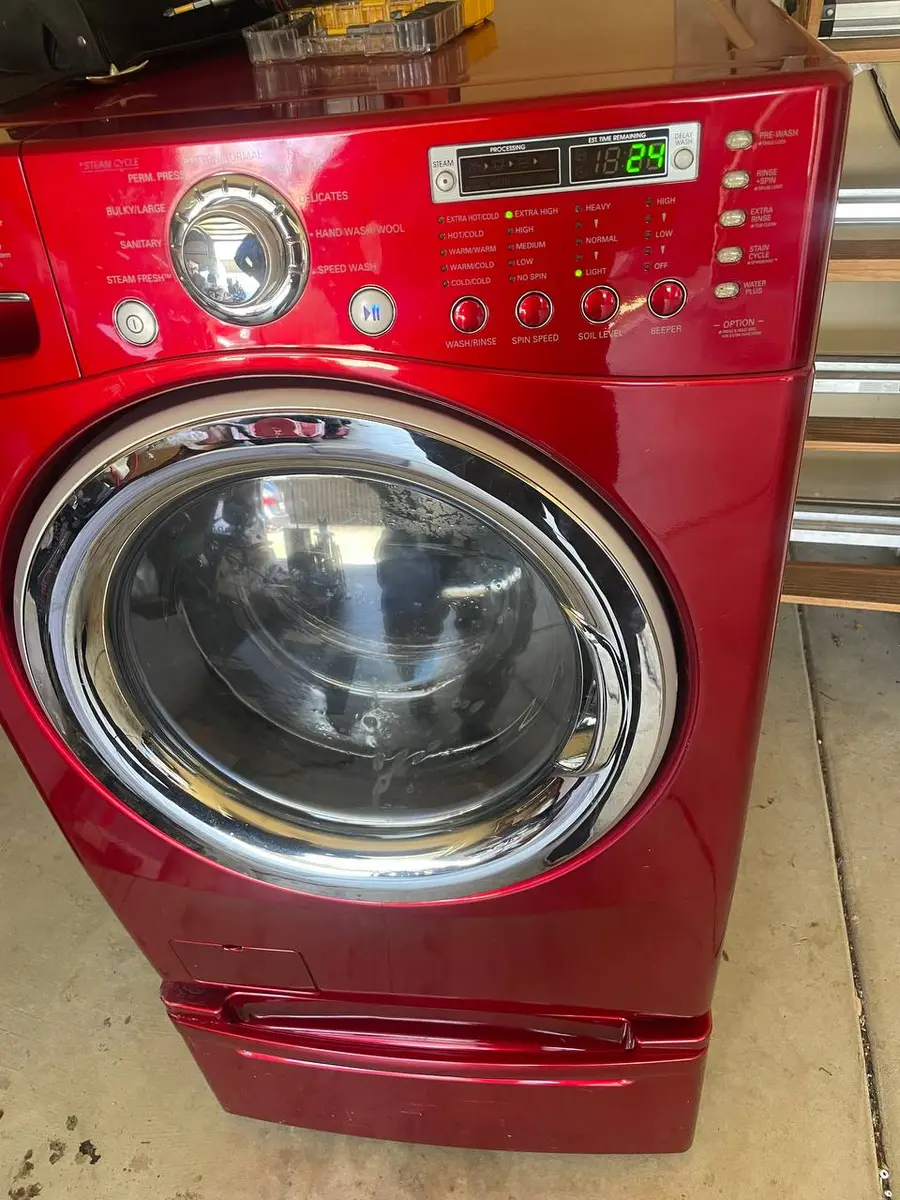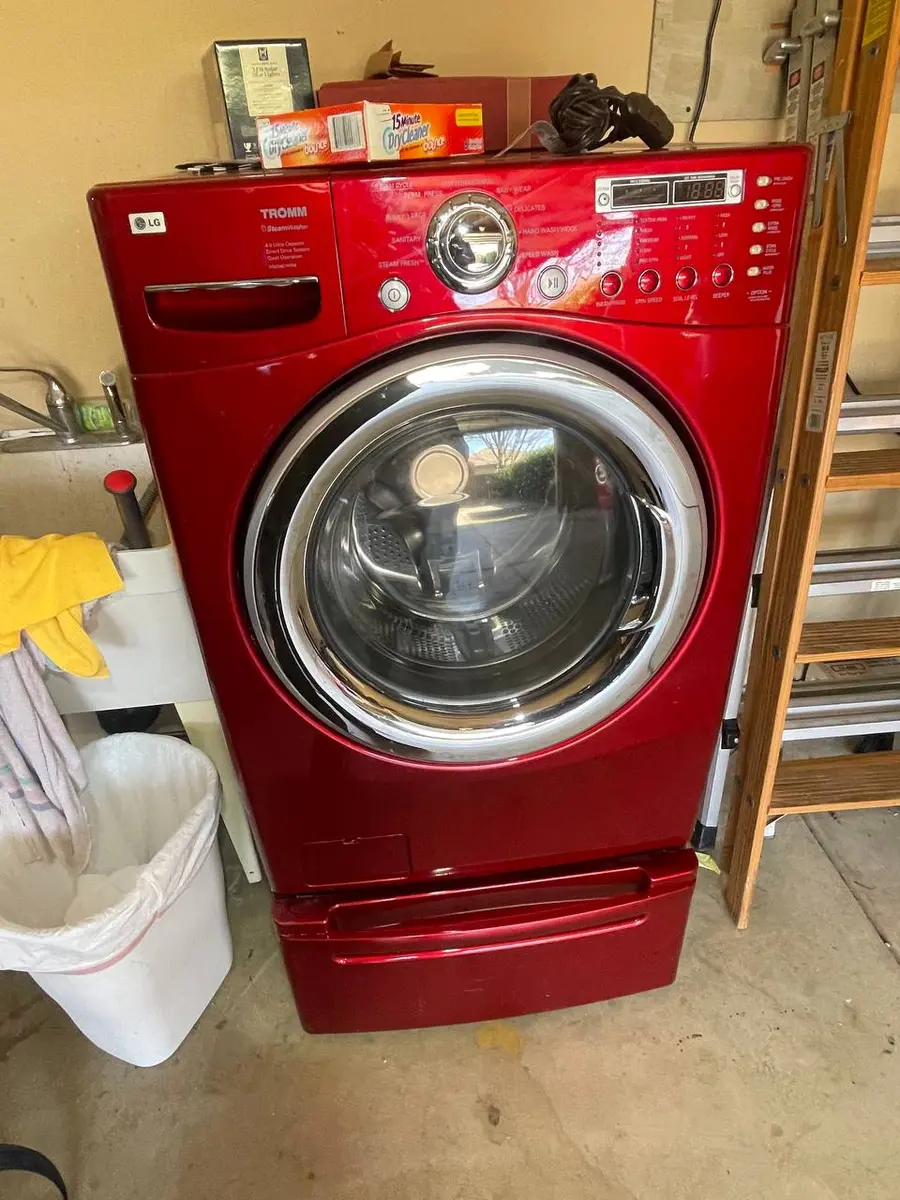
GE Washer: Five Habits Decide 10-14 Years
GE washers typically last 10 to 14 years , right on the industry average, with average, dependable reliability. The failure that most often opens a GE service log is the water inlet valve at 2-4 years — a common, inexpensive fix. But an average machine is the one where your own habits set the outcome, and four years…
Which habit is yours, and which failure it is buying#
Each row is a habit, the component it wears, and where on GE own failure curve that component already sits. The pattern worth noticing: three of the five aim at failures that are supposed to be late and occasional, which is exactly how an average washer becomes a short one.
| The habit | What it wears | What it costs you |
|---|---|---|
| Chronic overloading, past rated capacity | motor, bearings and suspension — the three priciest components on the machine | it pulls the bearing-and-seal kit forward out of its 8-12 year band. That job is labour-heavy and is the one that usually clears the 50% rule, so overloading is the habit that literally ends GE washers early. |
| Too much detergent, or non-HE soap | pump seals, and the drum and gasket as a mould habitat | residue attacks the seals around the drain pump, which is already the 4-7 year failure — so this habit is aimed squarely at the second thing due to go. |
| Hard water, left untreated | the water inlet valve, via scale | the inlet valve is already the earliest common fault at 2-4 years, often just a clogged sediment screen. Scale compounds the one failure a GE is most likely to have anyway. |
| Wet loads left sitting in the drum | the gasket and the drum surfaces | mould and odour, which UltraFresh models resist rather than prevent — that generation targets this exact complaint, but the habit still decides the outcome. A front-loader door left open between washes is the entire fix. |
| Running the machine unlevel | bearings and suspension again | the same late, expensive pair as overloading, reached from a different direction. Levelling is a ten-minute job with a spirit level and it takes years back. |
| Supply hoses older than five years | nothing inside the washer | this one is not a lifespan habit at all — it is a flood risk, and it is here because it is the cheapest insurance on the machine. Replace them at the five-year mark regardless of how the washer is running. |
Six rows: the five habits this page own list identifies as shortening a GE, plus the hose interval, which is the one item on that list protecting your house rather than the washer. Each cost column names the age band its component occupies on GE own failure curve below — inlet valve 2-4 years, drain pump 4-7, control board 6-9, bearings 8-12 — so no habit is scored against a generic washer timeline. Only one row, the open-door habit, applies to front-loaders alone.
GE Against the Average#
A 10-14 year band puts GE squarely at the benchmark: no special fragility, no durability edge, just a solid mainstream washer. GE's recent story is the UltraFresh era, which brought genuine improvement to front-loader odor and mold resistance, but that is a freshness feature rather than a longevity one. On raw lifespan, a GE is average — which means the outcome is mostly in your hands.
Do You Have the Right Tools?
Bearing puller set ($120), drum spider wrench ($85), multimeter ($85), and diagnostic software. Our technician arrives with $3,000+ in professional tools — your diagnostic is free.
Licensed & Insured · 90-Day Warranty · Same-Day Service
The GE Failure Curve by Age#
| Age Range | Common Failure | Frequency |
|---|---|---|
| 2-4 years | Water inlet valve | Common |
| 4-7 years | Drain pump | Common |
| 6-9 years | Control board | Occasional |
| 8-12 years | Bearings/seal kit | Occasional |
Read the curve and it is a well-mannered washer. The water inlet valve leads at 2-4 years — cheap, common, and easy, often just a clogged sediment screen — followed by the drain pump. The control board and bearings sit at the bottom as "occasional," which is exactly where you want the expensive failures. The bearing-and-seal job is the one that eventually ends many washers, but on a GE it arrives late and is not the norm.
What Shortens a GE Washer#
Chronic overloading is the fastest killer — exceeding rated capacity strains the motor, bearings, and suspension, the three priciest components. Excess detergent or non-HE soap leaves residue that attacks pump seals and breeds mold, hard-water scale clogs the inlet valve (already the early failure, so this compounds it), wet loads left sitting turn the drum and gasket into a mold farm, and running unlevel accelerates bearing and suspension wear. Every one of these is a habit, and each is fixable for free.
Safety First — Know the Risks
High-voltage components and pressurized water lines create flood and shock risk. A single loose fitting can cause thousands in water damage. Our techs are licensed and insured — let them handle the risk.
Licensed & Insured · 90-Day Warranty · Same-Day Service
The Maintenance That Buys Years#
Run a monthly Clean Washer cycle to clear residue and odor, and on a front-loader leave the door open between washes so the drum and gasket dry out — GE's UltraFresh models help here, but the habit still matters. Clean the drain-pump filter every couple of months, and on top-loaders with a deep-fill option clean the inlet screens annually to keep fill speed up and protect that early-failing valve. Check the supply hoses and replace them every five years. Consistent care adds roughly 20-30% to service life.
Repair or Replace, by Age#
| Appliance Age | Recommendation | Reasoning |
|---|---|---|
| 0-3 years | Always repair | You are in inlet-valve territory, which is the cheapest fault on the curve and often just a clogged sediment screen. Check the warranty first — a valve at this age may not cost you anything. |
| 3-7 years | Repair | The inlet valve and the drain pump both live here, and both are cheap parts on a machine with most of its life ahead. Nothing in this band comes close to the 50% line. |
| 7-11 years | Depends which failure | The control board sits at 6-9 and the bearing-and-seal kit at 8-12, so this is the band where the two answers diverge. A board on a well-kept machine is worth doing; a bearing job here is labour-heavy and usually is the 50% line. |
| 11+ years | Replace (usually) | Past the 10-14 band. A rumble that has grown into a roar with a leak at the rear seal is the tell that ends most GE washers, and at this age a new machine is the better spend. |
Apply the 50% rule, weighted toward replacement past 11 years. The early inlet-valve and drain-pump faults are clear repairs — cheap parts on a machine with life left. The pivot is the bearing-and-seal kit: labor-heavy, and on a machine near a decade old it often clears the 50% line, which is the usual signal to replace.
The Real Cost of DIY
Average DIY attempt: $150-400 in tools you may use once, plus the risk of further damage. Our diagnostic visit costs $0 — we find the problem and give you an honest quote.
Licensed & Insured · 90-Day Warranty · Same-Day Service
Signs a GE Washer Is Done#
The tell that ends most of them is bearing noise — a spin that has grown from a hum to a roar — paired with a leak tracing to the rear seal, or a control-board failure on a unit past 11 years. A water-inlet-valve or drain-pump fault, by contrast, is a routine, worthwhile repair that says nothing about end of life.
How GE Washers Compare Among Brands#
Set beside the washers our technicians see most, a GE is a solid, unremarkable middle-of-the-pack machine — on par with an LG or Samsung for lifespan, a notch behind a commercial-grade Maytag or a compact Bosch, and comparable to the mainstream field overall. Its real strength is not longevity but the shape of its failures: the early, common faults (inlet valve, drain pump) are cheap and quick, while the expensive ones (control board, bearings) stay occasional and arrive late. For a front-loader buyer, the UltraFresh generation is a genuine reason to pick GE over an equally reliable rival, since it targets the mold and odor complaints that dog the whole category. Buy a GE for dependable, average service, keep the loads within rating and the gasket dry, and it will deliver its full 10-14 years without drama.
Extend your GE washer's life — our certified technicians provide maintenance and repairs that keep your appliance running at peak performance. Book your maintenance appointment today.
Senior Gas Appliance Specialist · 18 years experience
AGA-certified gas appliance specialist with 18 years of experience in residential and commercial oven, range, and cooktop repairs.