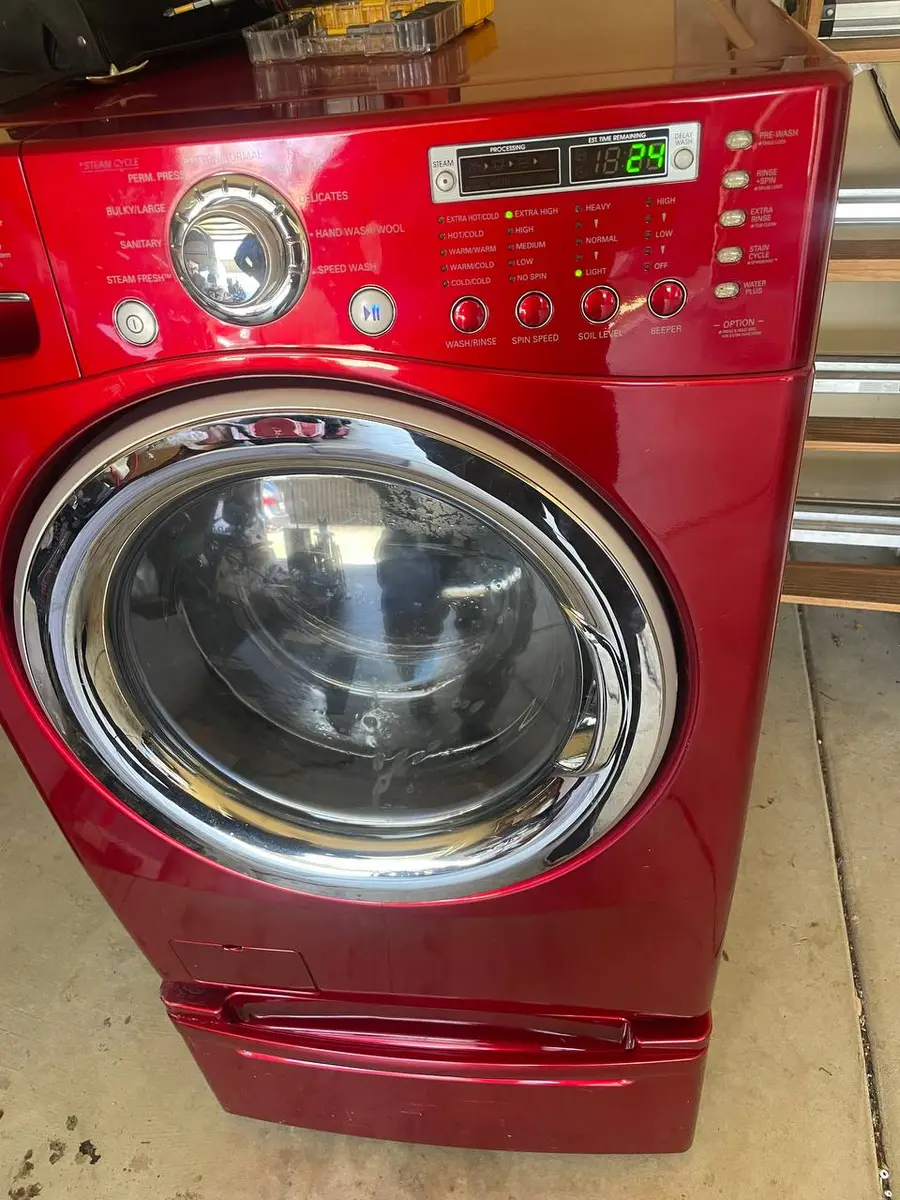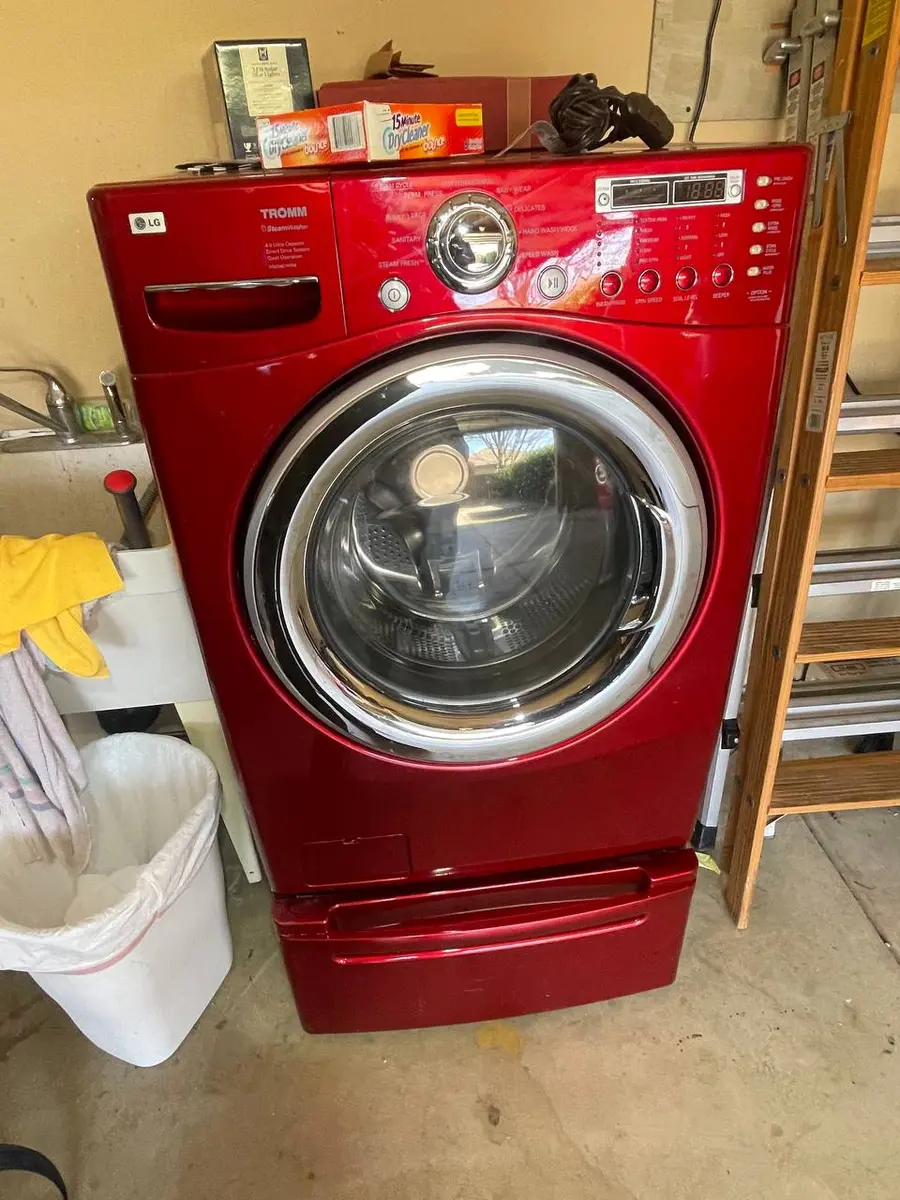
Hisense washer experiencing washer making noise is one of the most commonly reported service issues for this brand. Whether you own a newer model or a unit that is several years old, this guide covers the brand-specific causes, model differences, and repair costs you can expect. Hisense is a Chinese electronics and appliance conglomerate that also owns Gorenje. Their appliances feature modern inverter technology and electronic controls at competitive prices. US parts availability continues to improve through Hisense's growing support network.
Quick Answer#
Hisense washer making unusual noise is typically caused by worn drum bearings (grinding/rumbling during spin), failing shock absorbers (banging against cabinet), or a foreign object between the drum and tub (scraping/clicking). The noise type identifies the component: low rumble increasing with spin speed = bearings, loud banging during spin = shocks, metallic scraping = foreign object or worn spider arm.
Do You Have the Right Tools?
Bearing puller set ($120), drum spider wrench ($85), multimeter ($85), and diagnostic software. Our technician arrives with $3,000+ in professional tools — your diagnostic is free.
Licensed & Insured · 90-Day Warranty · Same-Day Service
Affected Hisense Models#
This issue is commonly reported on these Hisense washer models:
- Hisense WFQP9014EVM
- Hisense HWFL1014V
- Hisense WFP8014V
What Are the Common Causes?#
1. Worn Tub Bearings (30% of cases)#
The drum bearings on Hisense front-load washers support the drum shaft and allow smooth rotation. Water gradually degrades the tub seal, allowing moisture to reach the bearings and cause corrosion. The noise starts as a subtle rumble and progresses to loud grinding, especially at high spin speed. Rust-colored water staining on the rear of the outer tub confirms seal failure. On the WFQP9014EVM, spin the drum by hand — any roughness or play indicates bearing wear.
When our technicians encounter this on a Hisense, wear on the primary failure component turns out to be the root cause more often than not.
2. Worn Shock Absorbers (25% of cases)#
Hisense front-load washers use 2-4 shock absorbers to dampen drum movement during spin. When the internal damping mechanism wears out, the drum oscillates excessively and bangs against the cabinet walls. The noise is worst during spin ramp-up and with uneven loads. With the front panel removed, push down on the outer tub — it should return slowly and smoothly. If it bounces back quickly, the shocks are spent. Replace all shocks at once for even damping.
3. Foreign Object Between Drum and Tub (20% of cases)#
Small items like coins, screws, buttons, and underwire from bras slip through gaps between the inner drum and door boot seal on Hisense washers. These objects scrape, click, or rattle as the drum rotates. The sound may be intermittent — present with some loads and absent with others. Check the door boot seal folds thoroughly, especially the bottom where items settle. Removing some objects requires detaching the heating element access at the back to reach the space between drum and tub.
4. Spider Arm Corrosion (15% of cases)#
The spider arm (also called the drum spider or drum shaft) is an aluminum casting that connects the inner drum to the drive shaft. On some Hisense models, the aluminum corrodes over time — especially with liquid detergent or in areas with hard water. A corroded spider arm develops cracks, causing the drum to wobble and produce a knocking or grinding sound. In advanced cases, the spider breaks completely and the drum drops. Inspect through the rear tub opening if accessible.
5. Loose Counterweight (10% of cases)#
Hisense washers have concrete counterweights bolted to the outer tub to reduce vibration. If the mounting bolts loosen from vibration over time, the counterweight shifts and the washer produces a heavy thumping or knocking, particularly during spin. With the top panel removed, check the counterweight bolts for tightness. A loose counterweight can also crack if it impacts the cabinet, requiring replacement. Tightening the bolts resolves the noise if the counterweight is intact.
Safety First — Know the Risks
High-voltage components and pressurized water lines create flood and shock risk. A single loose fitting can cause thousands in water damage. Our techs are licensed and insured — let them handle the risk.
Licensed & Insured · 90-Day Warranty · Same-Day Service
Step-by-Step Troubleshooting#
Before starting any troubleshooting on your Hisense washer, disconnect power at the circuit breaker or unplug the unit.
- Identify your exact model: Locate the model number on the serial plate (typically inside the door frame, on the rear panel, or under the lid). This determines exact parts and diagnostic procedures.
- Check for error codes: If your Hisense washer has a digital display, note any error codes shown. These narrow the diagnosis to a specific component.
- Inspect the most likely cause: Based on the causes above, start with the highest-probability component. Visual inspection and listening for unusual sounds during operation often confirm or rule out the cause.
- Test basic components: Check power supply, inspect accessible parts for visible damage, and verify settings are correct.
- Test operation: After addressing any obvious issues, restore power and run a test cycle. Monitor for 10-15 minutes to see if the symptom recurs.
When Should You Call a Professional?#
Contact a certified appliance repair technician if:
- The issue persists after basic troubleshooting
- You notice burning smell, sparking, or electrical damage
- The repair requires accessing high-voltage components or internal wiring
- Your Hisense washer is under warranty — professional diagnosis preserves coverage
The Real Cost of DIY
Average DIY attempt: $150-400 in tools you may use once, plus the risk of further damage. Our diagnostic visit costs $0 — we find the problem and give you an honest quote.
Licensed & Insured · 90-Day Warranty · Same-Day Service
Frequently Asked Questions#
Why does my Hisense washer make a grinding noise during spin?#
Grinding during spin almost always indicates worn tub bearings. The bearings support the drum and degrade when the tub seal fails, allowing water intrusion. The noise worsens progressively over weeks to months. Continuing to use the washer risks the bearing disintegrating and damaging the outer tub — turning a repair into needing a new washer. Diagnosis should be scheduled promptly once grinding is heard.
My Hisense washer vibrates and bangs during spin — what should I do?#
First, check if the washer is level — use a level on top and adjust the feet. Next, verify the load is evenly distributed. If banging persists with balanced loads on a level machine, the shock absorbers have failed. Failed shocks cost to replace and prevent cabinet damage from the drum hitting the sides. Also check that transit bolts were removed during installation — leftover transit bolts prevent the tub from moving freely.
How much does bearing replacement cost on a Hisense washer?#
Bearing replacement on Hisense washers cost varies depending on the specific parts needed and labor involved. The bearings cost but labor is extensive — the tub must be fully split to access the bearings. On washers under 5 years old, this repair is cost-effective. Over 8 years, compare against the price of a replacement washer. Hisense washers are budget-priced, so the repair-vs-replace threshold is lower than premium brands.
Still having issues with your Hisense washer? Book an EasyBear technician for expert Hisense [washer repair](/bay-area/services/washer-repair). Our technicians carry OEM parts and brand-specific diagnostic equipment on every service call.
Senior Appliance Repair Technician · 15 years experience
EPA-certified technician with 15 years of experience specializing in refrigerator and cooling system repairs.