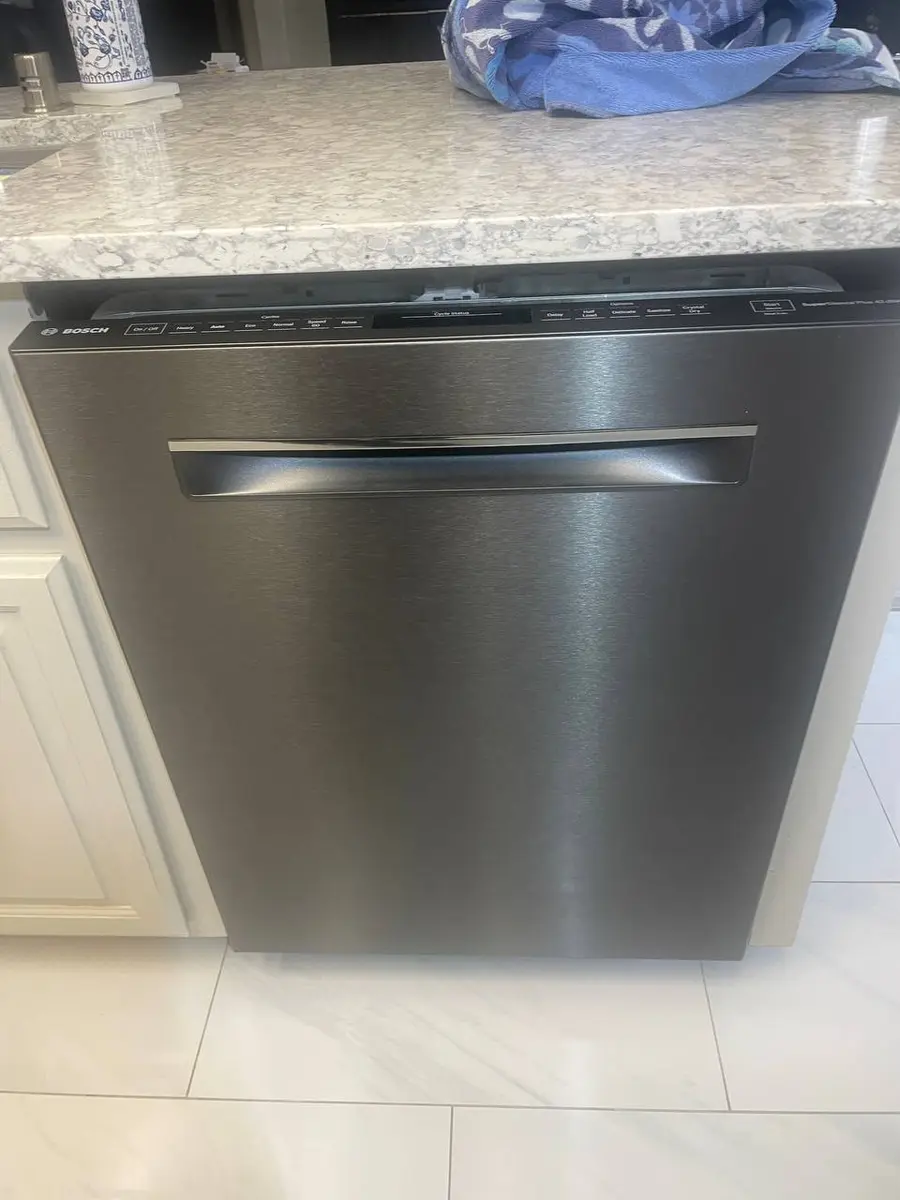
<p>Hisense [dishwasher](/blog/repair-or-replace-dishwasher) experiencing not cleaning dishes is one of the most commonly reported service issues for this brand. Whether you own a newer model or a unit that is several years old, this guide covers the brand-specific causes, model differences, and repair costs you can expect. Hisense appliances use modern inverter technology and electronic controls. Parts are available through Hisense US support, though local parts availability may be limited compared to established brands.</p>
<h2>Quick Answer</h2>
<p>Hisense [dishwasher not cleaning dishes](/bay-area/services/dishwasher-not-cleaning-dishes) properly is usually caused by clogged spray arms, a malfunctioning wash motor, low water temperature, or using the wrong detergent amount. Before suspecting a component failure, clean the spray arms and filter — buildup restricts water flow and reduces cleaning performance. Estimated repair cost: varies by model and condition.</p>
<h2>Affected Hisense Models</h2>
<p>This issue is commonly reported on these Hisense dishwasher models:</p>
<ul>
<li><strong>Hisense HUI6220XCUS</strong></li>
<li><strong>Hisense HUI6230XCUS</strong></li>
<li><strong>Hisense HUI6220XBUS</strong></li>
</ul>
<h2>What Are the Common Causes?</h2>
<h3>1. Clogged Spray Arms (30% of cases)</h3>
<p>Spray arm nozzles clog with mineral deposits and food debris, reducing water pressure and coverage. Remove the spray arms (they usually twist or unclip) and clean each nozzle hole with a toothpick or thin wire. Soak in white vinegar for 30 minutes to dissolve mineral buildup. Check that the arms spin freely when reinstalled.</p>
<p>When our technicians encounter this on a Hisense, wear on the primary failure component turns out to be the root cause more often than not.</p>
<p><strong>Cost:</strong> (DIY)</p>
<h3>2. Low Water Temperature (25% of cases)</h3>
<p>Hisense dishwashers need water at 120°F (49°C) minimum for effective cleaning. If the water heater is set too low, dishes far from the heater get lukewarm water. Run the hot water at the kitchen sink for 1-2 minutes before starting the dishwasher. Check the water heater temperature setting — 120°F is recommended.</p>
<p><strong>Cost:</strong> (adjust water heater)</p>
<h3>3. Wash Motor / Circulation Pump Issue (20% of cases)</h3>
<p>The wash motor/circulation pump pressurizes water through the spray arms. A failing motor reduces water pressure — the spray arms spin weakly or not at all. Listen during the wash cycle — you should hear a steady hum from the motor. Grinding, intermittent operation, or silence indicates motor failure.</p>
<p><strong>Cost:</strong> | Professional: </p>
<h3>4. Detergent Issues (15% of cases)</h3>
<p>Using too little detergent, expired detergent, or pods in short cycles can cause poor cleaning. Hisense dishwashers work best with fresh powder or liquid detergent measured for your water hardness. Hard water areas need more detergent. The dispenser must open during the wash cycle — check that the dispenser door isn't blocked by tall items.</p>
<p><strong>Cost:</strong> (adjust detergent usage)</p>
<h3>5. Dirty Filter Restricting Water Flow (10% of cases)</h3>
<p>A clogged drain filter forces dirty water back into the wash cycle. Food particles recirculate and redeposit on dishes. Clean the filter assembly monthly — remove it from the bottom of the dishwasher and rinse thoroughly. Run an empty hot cycle with 2 cups of white vinegar monthly to clean internal components.</p>
<p><strong>Cost:</strong> (DIY maintenance)</p>
<h2>Step-by-Step Troubleshooting</h2>
<p>Before starting any troubleshooting on your Hisense dishwasher, disconnect power at the circuit breaker or unplug the unit. For gas appliances, turn off the gas supply valve.</p>
<ol>
<li><strong>Identify your exact model:</strong> Locate the model number on the serial plate (typically inside the door frame, on the rear panel, or under the lid). This determines exact parts and diagnostic procedures.</li>
<li><strong>Check for error codes:</strong> If your Hisense dishwasher has a digital display, note any error codes shown. These narrow the diagnosis to a specific component.</li>
<li><strong>Inspect the most likely cause:</strong> Based on the causes above, start with the highest-probability component.</li>
<li><strong>Test basic components:</strong> Check power supply, inspect accessible parts for visible damage, and verify settings are correct.</li>
<li><strong>Test operation:</strong> After addressing any obvious issues, restore power and run a test cycle. Monitor for 10-15 minutes to see if the symptom recurs.</li>
</ol>
<h2>When Should You Call a Professional?</h2>
<p>Contact a certified appliance repair technician if:</p>
<ul>
<li>The issue persists after basic troubleshooting</li>
<li>You notice burning smell, sparking, or electrical damage</li>
<li>The repair requires accessing gas connections or high-voltage components</li>
<li>Your Hisense dishwasher is under warranty — professional diagnosis preserves coverage</li>
</ul>
<h2>How Much Does This Repair Cost?</h2>
<p>Typical repair costs for Hisense dishwasher not cleaning dishes: varies by model and condition (parts and labor combined). The lower end covers simple component replacements completed in a single visit. The higher end involves more complex repairs or multiple failing parts. A diagnostic visit confirms exact cost before work begins.</p>
<h2>Frequently Asked Questions</h2>
<h3>Why is my Hisense dishwasher leaving food on dishes?</h3>
<p>The top 3 causes are: clogged spray arm nozzles (clean with a toothpick), low water temperature (run hot water before starting), and dirty filter (clean monthly). These three account for 70% of poor cleaning complaints and cost nothing to fix. If cleaning performance doesn't improve after these steps, the wash motor may be failing.</p>
<h3>Why are my Hisense dishwasher glasses coming out cloudy?</h3>
<p>Cloudy glasses are caused by hard water mineral deposits (etching) or excessive detergent residue (film). Hard water etching is permanent — reduce detergent, add rinse aid, and use a water softener if hardness exceeds 7 grains. Detergent film washes off with vinegar — run a hot cycle with 2 cups of white vinegar and no dishes.</p>
<h3>Should I rinse dishes before putting them in my Hisense dishwasher?</h3>
<p>No pre-rinsing needed — modern Hisense dishwashers are designed to handle food-soiled dishes. Scrape large food pieces into the trash, but leave the rest. Detergent enzymes need food contact to activate properly. Pre-rinsing can actually reduce cleaning performance because the sensors detect "clean" water and use less energy. Just scrape, don't rinse.</p>
<p><em>Still having issues with your Hisense dishwasher? <a href="/book">Book an EasyBear technician</a> for expert Hisense [dishwasher repair](/bay-area/services/dishwasher-repair). Our technicians carry OEM parts and brand-specific diagnostic equipment on every service call.</em></p>
4.85 (232 verified reviews)
Same-Day Appliance Repair
Fixed or It's Free
Free Service Call & Diagnosis — no hidden fees, offer ends Jun 10
MR
Mike Rodriguez
Senior Appliance Repair Technician · 15 years experience
EPA 608 UniversalNASTeC Certified
EPA-certified technician with 15 years of experience specializing in refrigerator and cooling system repairs.