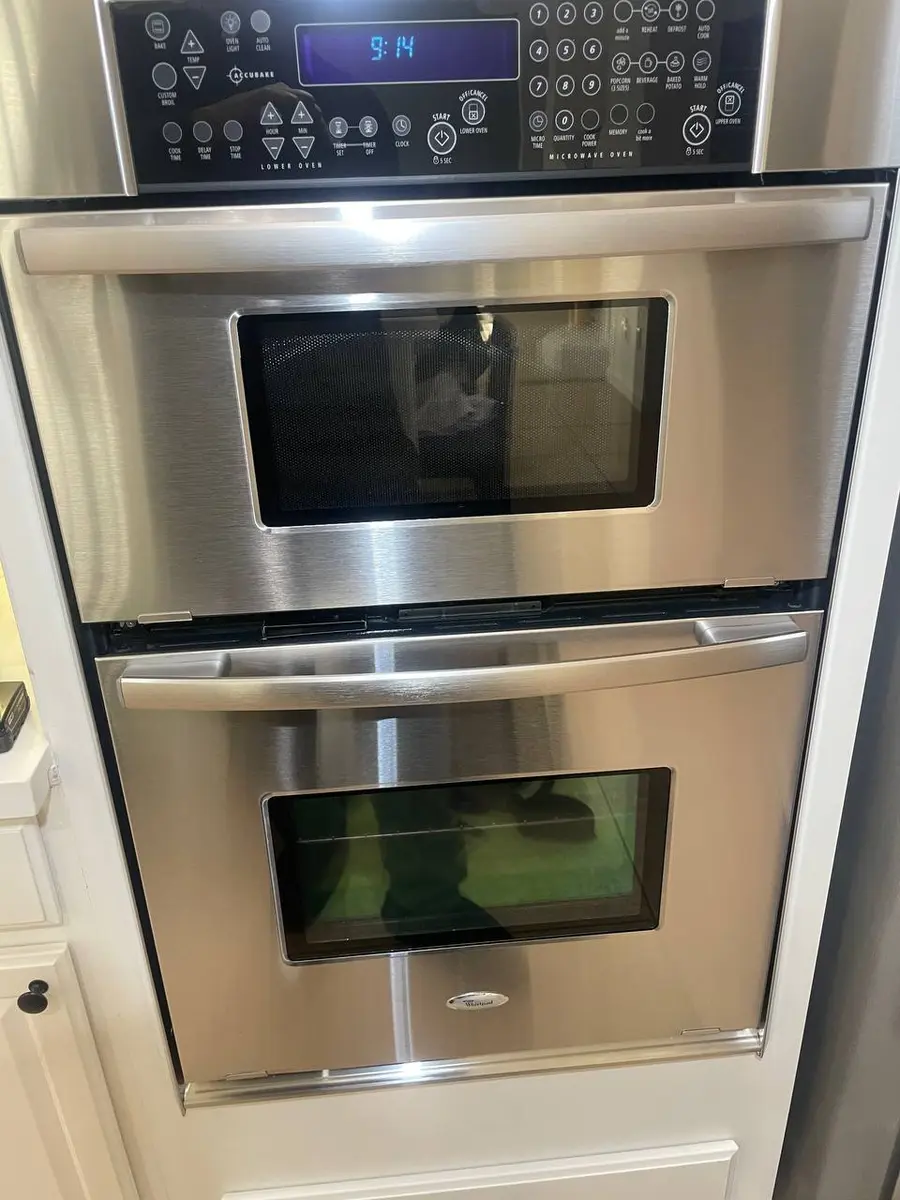
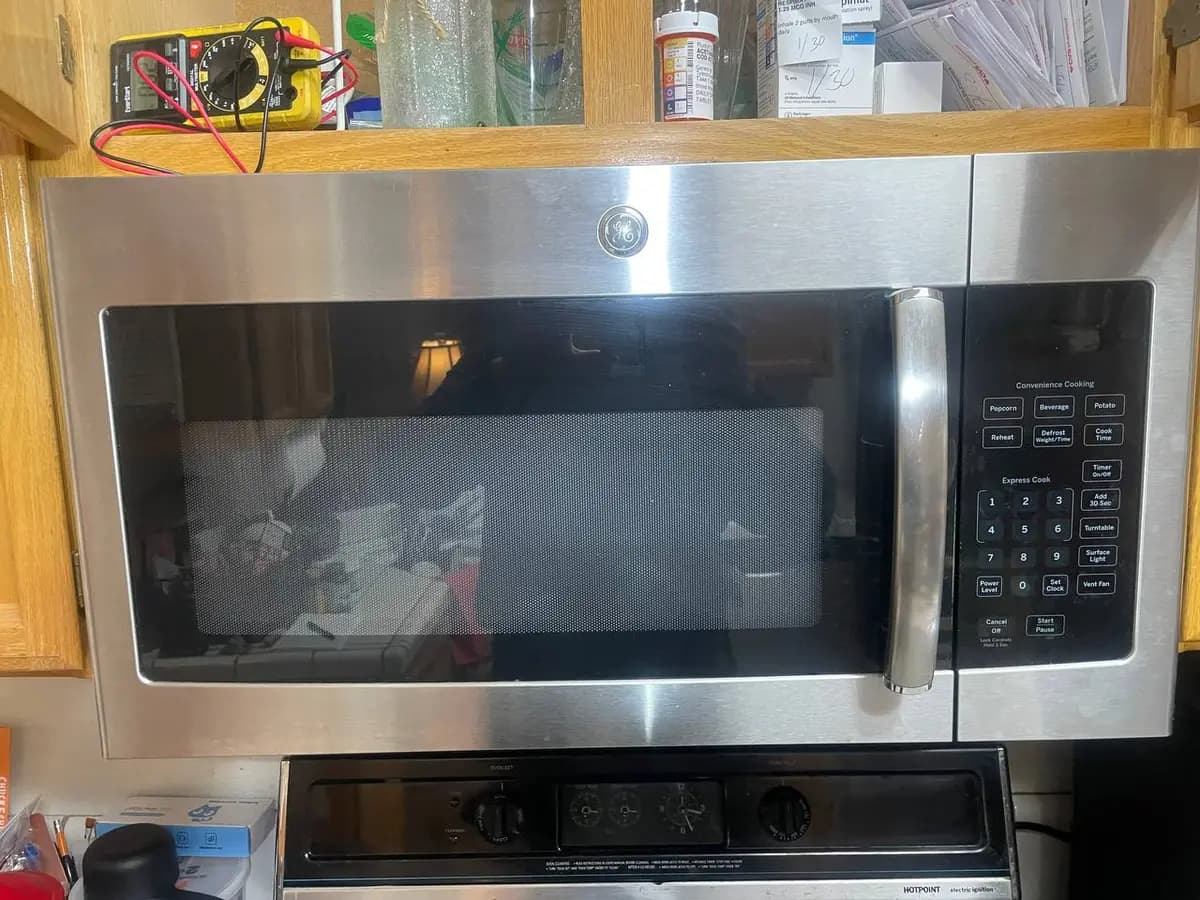
What this GE vs Samsung comparison is based on#
There are four rows in the side-by-side table on this page and the table marks all four as within one-report noise. That is not a common outcome in this comparison set, and it is worth taking at face value: on the components these records track, GE and Samsung microwaves are not distinguishable.
The underlying evidence is 418 CPSC SaferProducts incident reports naming a component on a GE microwave and 167 doing the same for a Samsung, all filed between 2011 and 2026. Both columns are shares of their own totals.
The rows, and how little they move#
The control board leads both records: 8% of the GE filings, which is 32 reports, and 9% of the Samsung ones, which is 15. Wiring or the power cord is 2% against 3%, ten filings against five. The heating element rounds to nothing on the GE side, two filings out of 418, against 1% on the Samsung side, also two filings. The ice maker row is a single report in each column.
Every one of those differences is a point or less. On a Samsung column of 167 filings a single report moves a share by roughly half a point, so a one-point gap is about two reports' worth — which is what the table's noise marker exists to flag.
What the component table leaves out#
Both microwave records share a feature the [dishwasher](/blog/repair-or-replace-dishwasher) records do not: the named-component rows cover only a small minority of the filings. GE's leading row takes 8% of its record and Samsung's takes 9%, and everything below them is in low single digits. Most reports in either record therefore describe something this component breakdown does not capture, and this page has nothing to say about what that is.
One row makes the point in miniature. Each record contains a single filing categorised under a component a microwave does not ordinarily have — an ice maker. These are self-reported incidents sorted after the fact, not entries from a parts list, and a stray categorisation is exactly what that process produces at the one-report level. It is a useful reminder of how much weight a 1% row can carry, which is very little.
Reading a page that finds nothing#
A null result is still an output, and this one has a specific shape. It does not say the two brands are equally reliable — that claim would need a count of machines, which no public source states for either. It says that among reports that name a component, both brands' records name the control board first at a similar share, and that nothing else in either record rises far enough above the noise to compare.
For repair planning that leaves one usable prior, applying to both: an electronics complaint on either brand's microwave lands where the filed reports concentrate, insofar as they concentrate anywhere. Everything else on the page is a row too small to plan around.
GE vs Samsung microwaves: what the reports mention#
Both columns are shares of their own corpus, and the corpora differ in size. GE: CPSC SaferProducts incident reports for GE microwaves, 2011-2026, n=418. Samsung: CPSC SaferProducts incident reports for Samsung microwaves, 2011-2026, n=167. A difference no larger than one report on either side is marked "within one-report noise".
| Component mentioned | GE | Samsung | Difference |
|---|---|---|---|
| Control Board | 8% (32 of 418) | 9% (15 of 167) | 1 point more often for Samsung (within one-report noise) |
| Heating Element | 0% (2 of 418) | 1% (2 of 167) | 1 point more often for Samsung (within one-report noise) |
| Ice Maker | 0% (1 of 418) | 1% (1 of 167) | 1 point more often for Samsung (within one-report noise) |
| Wiring or Power Cord | 2% (10 of 418) | 3% (5 of 167) | 1 point more often for Samsung (within one-report noise) |
About the corpus: these are CPSC SaferProducts reports — incidents someone chose to report, not units sold — so the shares on this page are shares of the reports and never a failure rate. The corpus is weighted toward safety events: 12,007 of its 20,581 records (58%) are fire, smoke, burn or melt reports, which over-represents the components that burn and under-represents the ones that merely stop working.
Do You Have the Right Tools?
High-voltage capacitor discharge tool ($90), magnetron tester ($200), microwave leakage detector ($150). Our technician arrives with $3,000+ in professional tools — your diagnostic is free.
Licensed & Insured · 90-Day Warranty · Same-Day Service
GE microwaves: the reported component split#
GE microwaves — every share in this table is a share of: CPSC SaferProducts incident reports for GE microwaves, 2011-2026, n=418.
| Component mentioned | Share of reports | Reports |
|---|---|---|
| Control Board | 8% | 32 of 418 |
| Wiring or Power Cord | 2% | 10 of 418 |
| Motor | 2% | 7 of 418 |
| Heating Element | 0% | 2 of 418 |
| Thermostat or Sensor | 0% | 2 of 418 |
| Drain Pump or Hose | 0% | 1 of 418 |
| Ice Maker | 0% | 1 of 418 |
Shares of reports, not failure rates — see the corpus note above.
Samsung microwaves: the reported component split#
Samsung microwaves — every share in this table is a share of: CPSC SaferProducts incident reports for Samsung microwaves, 2011-2026, n=167.
| Component mentioned | Share of reports | Reports |
|---|---|---|
| Control Board | 9% | 15 of 167 |
| Wiring or Power Cord | 3% | 5 of 167 |
| Heating Element | 1% | 2 of 167 |
| Ice Maker | 1% | 1 of 167 |
Shares of reports, not failure rates — see the corpus note above.
Safety First — Know the Risks
Microwave capacitors store lethal voltage (4,000V+) even when unplugged. This is the single most dangerous DIY appliance repair. Our techs are licensed and insured — let them handle the risk.
Licensed & Insured · 90-Day Warranty · Same-Day Service
How to use these numbers#
What this comparison can settle: which components the reported incidents of each brand actually concentrate on, for this appliance. What it cannot settle: which brand fails more often. That would need units sold, and no public source states it. Use the component split to plan for the repair each brand is most reported for, not to rank the two.
Senior Appliance Repair Technician · 15 years experience
EPA-certified technician with 15 years of experience specializing in refrigerator and cooling system repairs.