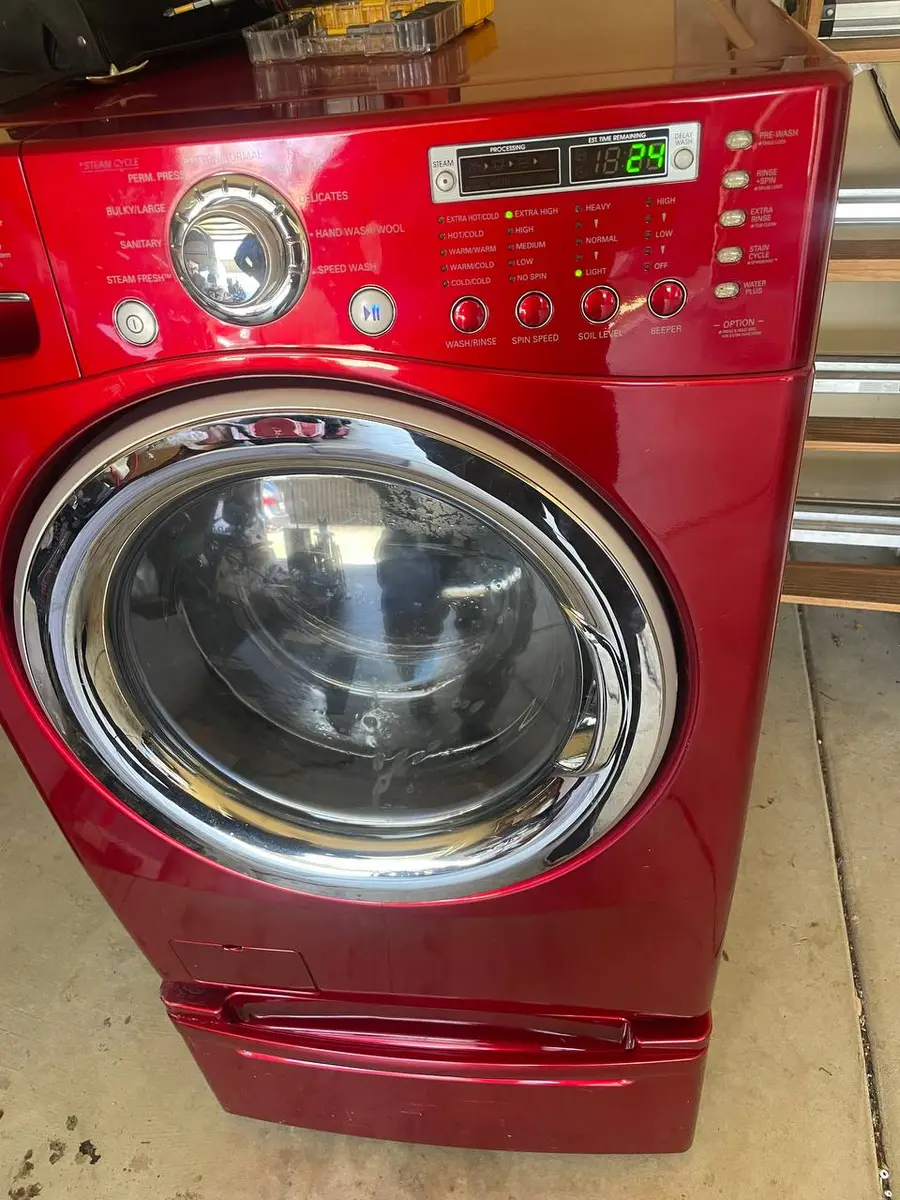
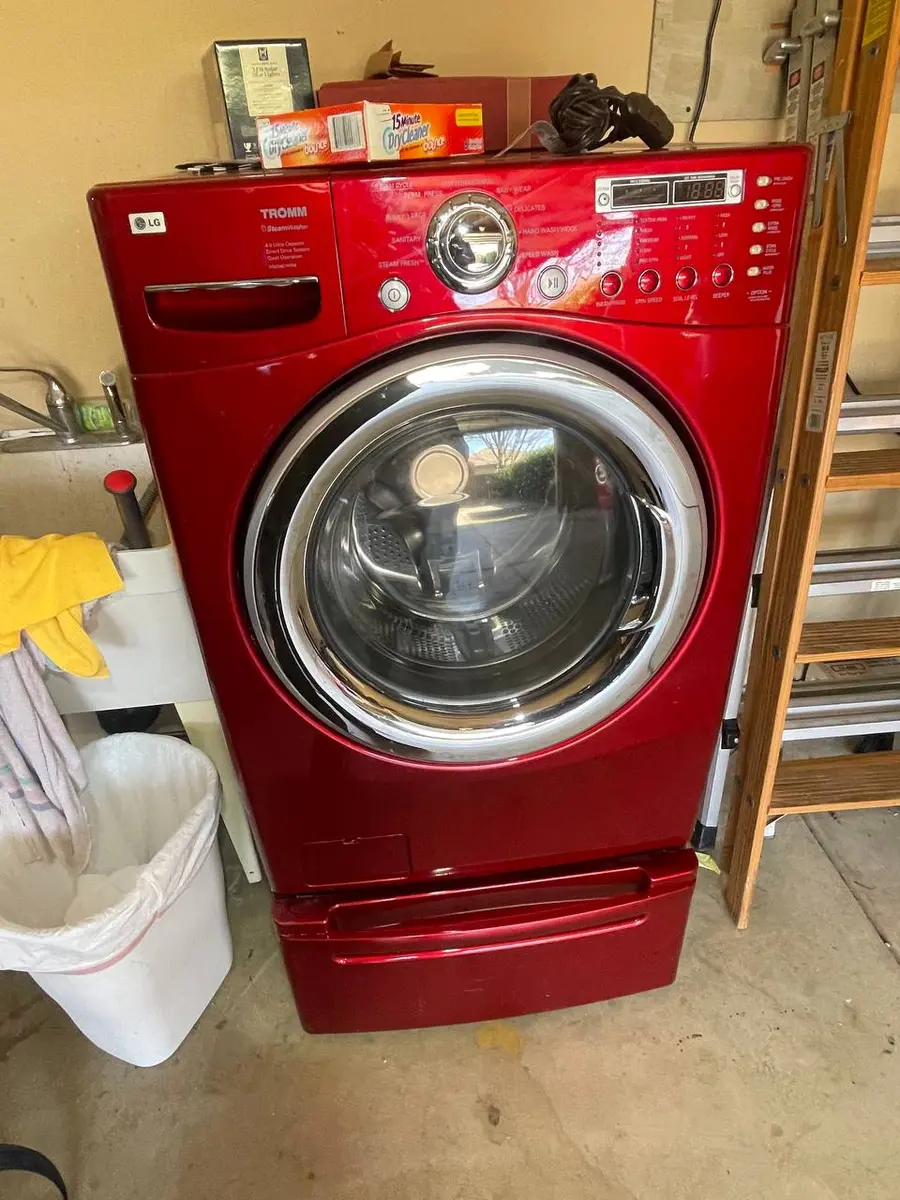
What this Frigidaire vs Whirlpool comparison is based on#
Most of the comparisons in this class are decided by their denominators: the smaller corpus produces the taller percentages while the larger one holds more of the actual paperwork. This page is one of the few where the shares and the raw counts agree. The sources are CPSC SaferProducts incident reports — 46 naming a Frigidaire washer, filed between 2011 and 2023, and 115 naming a Whirlpool washer, filed between 2011 and 2026.
Both remain records of submissions rather than of machines. Nobody files a report about a washer that works, and no public figure states how many of either brand are in service, so nothing here converts into a rate.
Two rows where the counts back the shares#
The wiring or power cord is named in 8% of the Whirlpool reports and 2% of the Frigidaire ones, a 6-point gap standing on 9 filings against 1. The control board splits 14% against 9%, 5 points, on 16 filings against 4.
In both rows Whirlpool has the larger share and several times the documents. That is unusual in this set and it is what makes the two rows worth taking seriously: a gap that survives being read in percentages and in raw counts is not an artifact of how the columns were divided.
Everything else on the page is noise#
The remaining five rows sit inside the table's one-report noise band. The motor is at 4% for Frigidaire against 2% for Whirlpool, on 2 filings against 2. The heating element is 4% against 3%, on 2 against 3. The lint trap or vent is 4% against 5%, on 2 against 6. The water valve or line is 2% against 1%, one report on each side. The thermostat or sensor shows no measured difference at all — 2% in both columns, 1 filing against 2.
Five rows, and between them roughly two dozen documents. A single filing is worth about two points of the Frigidaire column and about one point of the Whirlpool column, so none of those differences is larger than the instrument that produced it.
A top-heavy record against a flat one#
Whirlpool's list has a clear shape. The control board takes 14%, the wiring or power cord 8%, then the drain pump or hose and the lint trap or vent tie at 5%, and the remainder tails off through the heating element, the motor, the thermostat or sensor and three single-report components at 1%.
Frigidaire's list has almost no shape at all. The control board leads at 9%, three components tie at 4% and three more at 2%, and that is the entire corpus. Ten components appear on the Whirlpool side against seven on the Frigidaire side, which 115 documents against 46 partly explains on its own.
The component only one side names#
The drain pump or hose appears in the Whirlpool column at 5%, on 6 reports, and nowhere in the Frigidaire column. Six filings is small but it is not a rounding artifact, and it is the one component with any weight behind it that is present on one side of this comparison and absent from the other.
The reverse observation does not hold anywhere: every component Frigidaire names, Whirlpool names too.
What this supports in practice#
For either brand, the control board is where the reported incidents concentrate first — 14% of the Whirlpool filings, 9% of the Frigidaire ones. For a Whirlpool washer specifically, the cord is a genuine second item on the strength of 9 reports, and the drain pump or hose a third on 6.
For a Frigidaire washer the list past the board is flat and thin, and it also stops in 2023, three years before the Whirlpool record ends. None of this says which machine is more likely to need a repair; it says what the filed complaints describe.
Frigidaire vs Whirlpool washers: what the reports mention#
Both columns are shares of their own corpus, and the corpora differ in size. Frigidaire: CPSC SaferProducts incident reports for Frigidaire washers, 2011-2023, n=46. Whirlpool: CPSC SaferProducts incident reports for Whirlpool washers, 2011-2026, n=115. A difference no larger than one report on either side is marked "within one-report noise".
| Component mentioned | Frigidaire | Whirlpool | Difference |
|---|---|---|---|
| Wiring or Power Cord | 2% (1 of 46) | 8% (9 of 115) | 6 points more often for Whirlpool |
| Control Board | 9% (4 of 46) | 14% (16 of 115) | 5 points more often for Whirlpool |
| Motor | 4% (2 of 46) | 2% (2 of 115) | 2 points more often for Frigidaire (within one-report noise) |
| Heating Element | 4% (2 of 46) | 3% (3 of 115) | 1 point more often for Frigidaire (within one-report noise) |
| Lint Trap or Vent | 4% (2 of 46) | 5% (6 of 115) | 1 point more often for Whirlpool (within one-report noise) |
| Water Valve or Line | 2% (1 of 46) | 1% (1 of 115) | 1 point more often for Frigidaire (within one-report noise) |
| Thermostat or Sensor | 2% (1 of 46) | 2% (2 of 115) | no measured difference (within one-report noise) |
About the corpus: these are CPSC SaferProducts reports — incidents someone chose to report, not units sold — so the shares on this page are shares of the reports and never a failure rate. The corpus is weighted toward safety events: 12,007 of its 20,581 records (58%) are fire, smoke, burn or melt reports, which over-represents the components that burn and under-represents the ones that merely stop working.
Do You Have the Right Tools?
Bearing puller set ($120), drum spider wrench ($85), multimeter ($85), and diagnostic software. Our technician arrives with $3,000+ in professional tools — your diagnostic is free.
Licensed & Insured · 90-Day Warranty · Same-Day Service
Frigidaire washers: the reported component split#
Frigidaire washers — every share in this table is a share of: CPSC SaferProducts incident reports for Frigidaire washers, 2011-2023, n=46.
| Component mentioned | Share of reports | Reports |
|---|---|---|
| Control Board | 9% | 4 of 46 |
| Heating Element | 4% | 2 of 46 |
| Lint Trap or Vent | 4% | 2 of 46 |
| Motor | 4% | 2 of 46 |
| Thermostat or Sensor | 2% | 1 of 46 |
| Water Valve or Line | 2% | 1 of 46 |
| Wiring or Power Cord | 2% | 1 of 46 |
Shares of reports, not failure rates — see the corpus note above.
Whirlpool washers: the reported component split#
Whirlpool washers — every share in this table is a share of: CPSC SaferProducts incident reports for Whirlpool washers, 2011-2026, n=115.
| Component mentioned | Share of reports | Reports |
|---|---|---|
| Control Board | 14% | 16 of 115 |
| Wiring or Power Cord | 8% | 9 of 115 |
| Drain Pump or Hose | 5% | 6 of 115 |
| Lint Trap or Vent | 5% | 6 of 115 |
| Heating Element | 3% | 3 of 115 |
| Motor | 2% | 2 of 115 |
| Thermostat or Sensor | 2% | 2 of 115 |
| Drive Belt | 1% | 1 of 115 |
| Igniter | 1% | 1 of 115 |
| Water Valve or Line | 1% | 1 of 115 |
Shares of reports, not failure rates — see the corpus note above.
Safety First — Know the Risks
High-voltage components and pressurized water lines create flood and shock risk. A single loose fitting can cause thousands in water damage. Our techs are licensed and insured — let them handle the risk.
Licensed & Insured · 90-Day Warranty · Same-Day Service
How to use these numbers#
What this comparison can settle: which components the reported incidents of each brand actually concentrate on, for this appliance. What it cannot settle: which brand fails more often. That would need units sold, and no public source states it. Use the component split to plan for the repair each brand is most reported for, not to rank the two.
Appliance Repair Technician · 11 years experience
Experienced technician with 11 years specializing in Frigidaire and Electrolux refrigerator and dryer repair with a focus on safety.