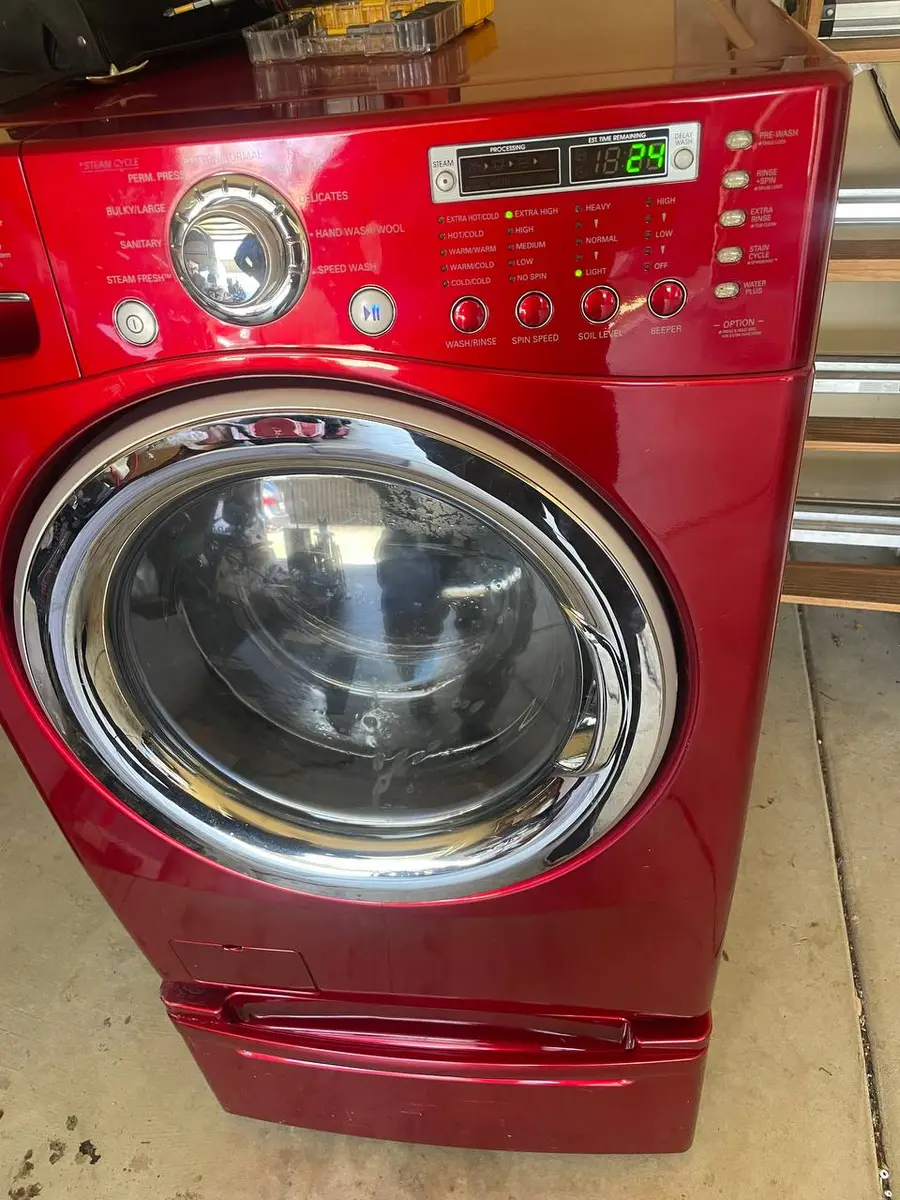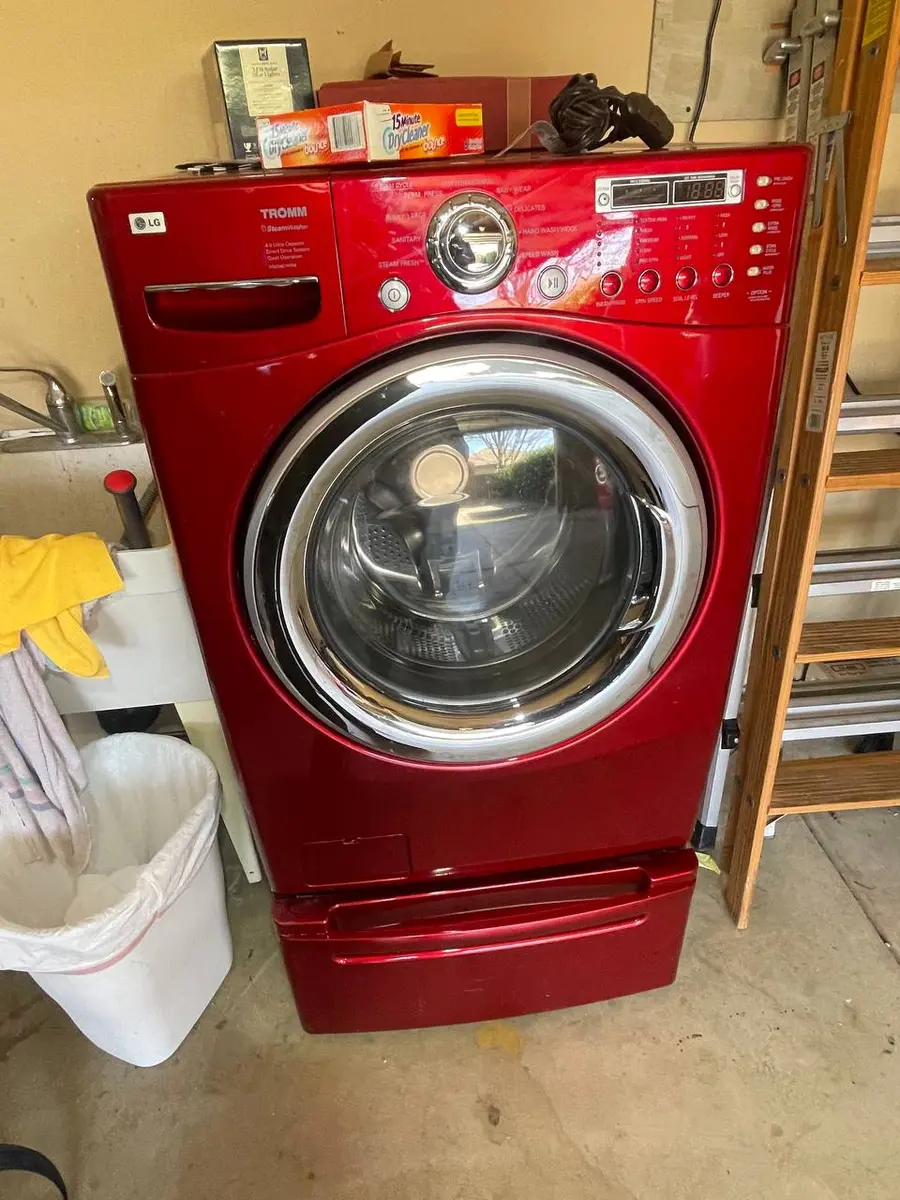
Quick Answer: Why Your Washer Leaks from The Detergent Drawer#
The first thing I picture when a washer is leaking from the detergent drawer is clogged detergent dispenser — a cracked or clogged dispenser, or its water line, overflows and runs down the door front. The next suspect to rule out is high water pressure siphoning the inlet valve; the ranked table below shows where to look first and roughly what a fix runs. Pinning down exactly where the water appears usually settles which cause you are chasing. More often than not this is one tired part letting go, not a reason to write off the washer. Water from the detergent drawer usually means the jets are scaled up or the drawer is overfilling, so descale it and confirm the feed valve shuts fully.
Likely Causes and Repair Costs#
| Cause | Likelihood | Estimated repair cost |
|---|---|---|
| Clogged detergent dispenser | Most likely | $100–350 |
| High water pressure siphoning the inlet valve | Possible | $105–205 |
Do You Have the Right Tools?
Bearing puller set ($120), drum spider wrench ($85), multimeter ($85), and diagnostic software. Our technician arrives with $3,000+ in professional tools — your diagnostic is free.
Licensed & Insured · 90-Day Warranty · Same-Day Service
What You Can Check Yourself#
Before any hands-on look, switch off the power at the breaker and isolate the water supply. Work methodically and let each result point you to the next step. With that done, clean the dispenser thoroughly and run water to spot exactly where it escapes. After that, check the valve and its hose fittings at the back for moisture right after a fill. Lay a dry paper towel under each suspect point and run a short cycle — the first spot to darken is your leak. A leaking drawer is nearly always a dispenser that cannot keep up, so clear the powder residue and make sure water is not siphoning in too fast. If the leak survives those checks, stop there and let a technician confirm the exact part before you spend on anything.
Repair or Replace? Weighing the Cost#
Budget around $100–350 for the repair; a new washer lands closer to $500–1400. My rule of thumb is simple: while the repair stays well under half the price of a new machine, fixing it wins, especially on a unit with life left. Because a proper repair here typically lasts, spending on it beats gambling on a new unit you did not need. A technician's written breakdown turns that judgment call into a hard number before you commit either way.
Safety First — Know the Risks
High-voltage components and pressurized water lines create flood and shock risk. A single loose fitting can cause thousands in water damage. Our techs are licensed and insured — let them handle the risk.
Licensed & Insured · 90-Day Warranty · Same-Day Service
Frequently Asked Questions#
Why is my washer leaking from the detergent drawer?#
The usual answer is the dispenser, with the inlet valve the next most common. Both are quick to narrow down using the ranked table above. A short look normally tells you which one you are dealing with.
How much does it cost to repair a leaking washer?#
Budget the $100–350 band for a typical fix, with the precise cost turning on which part it is and how buried. A quick service call gives you the firm quote up front, no surprises.
Can I fix a washer leak myself, or should I call a technician?#
The homeowner-safe part is checking the dispenser and the obvious access points, while the internal parts are genuinely technician work. Always cut the power first, and if the water traces to a sealed or driven part, hand it over. Pushing more cycles through only risks turning a small job into a big one.
Is it safe to keep using a washer that leaks?#
Even a slow leak is worth stopping fast — standing water warps cabinetry and reaches electrics before you notice. Switch the washer off once you have spotted the trouble and have it looked at before the next load. Catching it early is what keeps a cheap fix from becoming an expensive one.
What usually causes a washer to leak near the detergent drawer?#
The short list is topped by the dispenser and the inlet valve, each a case of a tired seal or fitting letting water past. Work down the ranked table from the most likely and you will usually land on it quickly.
Senior Gas Appliance Specialist · 18 years experience
AGA-certified gas appliance specialist with 18 years of experience in residential and commercial oven, range, and cooktop repairs.